Filter posts by category

prototype sheet metal fabrication

Aerospace Sheet Metal Fabrication: The Complete Guide to Processes & Materials

Aerospace sheet metal fabrication is not ordinary metalworking; it represents the convergence of engineering, materials science and precision manufacturing. Its core lies in transforming high-performance alloys into reliable structural components capable of withstanding extreme operating conditions through controlled plastic deformation. The fundamental distinctions between aerospace sheet metal fabrication and commercial-grade processing manifest in three key aspects: processes must be tailored to unlock the specific potential of materials such as T6-tempered aluminium alloys or Ti-6Al-4V; aerospace tolerances are typically stricter than ±0.13mm, necessitating statistical process control and full traceability throughout production. Grasping the unique characteristics of aerospace sheet metal fabrication constitutes the foundational step for establishing qualified supplier assessments and technical negotiations. This article aims to deconstruct the core elements of the aerospace sheet metal fabrication process chain. It covers material selection, precision forming, joining techniques, and quality control systems compliant with AS9100 and Nadcap standards. Key focus areas include the machining characteristics of aerospace materials such as aluminium alloys, titanium […]

Aerospace Sheet Metal Fabrication: The Complete Guide to Processes & Materials Read More »

aluminum sheet metal bending metal corner bracket parts

Custom Metal Triangle Brackets:Durable & Versatile

As the core of structural connection systems, custom metal triangle brackets are not generic components but critical mechanical elements engineered through precise calculations. Their design principles stem from the static stability of triangles, ensuring complex loads are efficiently and reliably transferred to the main structure. For professional procurement, the core lies in understanding the complete engineering chain from custom metal triangle bracket design to validation: materials science utilizing high-strength structural steel, precision metal fabrication based on CNC punching and deterministic bending processes, and a quality assurance system strictly adhering to standards like UL and ICC-ES. The value of custom metal triangle brackets lies in manufacturers translating abstract engineering loads into predictable structural performance, backed by comprehensive compliance documentation validated through static load, fatigue, and corrosion resistance testing. Selecting a professional metal triangle bracket manufacturer means procuring a long-term risk control and performance assurance solution for your project. The Core Role of Metal Triangle Brackets in Modern Architecture and Industrial Installations

Custom Metal Triangle Brackets:Durable & Versatile Read More »

aluminum sheet metal bending services

Understanding the Principles of Sheet Metal Minimum Bend Radius

In the coordination between sheet metal part design and procurement, the principle of sheet metal minimum bend radius cannot be overlooked. Designers pursuing aesthetically sharp corners often encounter material cracking or uncontrollable springback during prototyping, leading to project delays, cost overruns, and quality risks. Fundamentally, the sheet metal minimum bend radius is not a freely scalable CAD parameter or mere empirical value; it represents a critical constraint where material plasticity mechanics, forming process windows, and the part’s ultimate structural performance converge. Misinterpreting it as an adjustable detail post-design rather than a mandatory pre-design validation parameter is the root cause of sheet metal processing failures. This article systematically analyzes the core variables of sheet metal minimum bend radius and provides engineering principles and verification frameworks directly applicable to design reviews and supplier quotations. It aims to bridge the gap between design and manufacturing, ensuring part manufacturability, structural integrity, and cost control. Correct application of these principles is the cornerstone for accurately

Understanding the Principles of Sheet Metal Minimum Bend Radius Read More »

car sheet metal fabrication

Automotive Sheet Metal Fabrication: Welding Processes and Common Issues

Within modern automotive body engineering, automotive sheet metal fabrication forms the physical foundation of the body structure, whilst welding processes constitute the core technology enabling the high-strength, high-precision structural integration of hundreds of stamped sheet metal components. The quality of automotive sheet metal fabrication welding processes directly determines the body’s static and dynamic stiffness, fatigue durability, and crash safety performance, representing the most critical manufacturing stage affecting the vehicle’s structural integrity. With advancing lightweighting trends, multi-material hybrid bodies incorporating high-strength steels and aluminium alloys present more severe challenges to automotive sheet metal fabrication welding processes. These include issues such as metallurgical compatibility between dissimilar materials, thermal deformation control, and joint reliability. Therefore, systematically understanding welding process principles, application boundaries, and associated typical quality risks is crucial for ensuring the final quality of automotive sheet metal fabrication, controlling production costs, and maintaining supply chain stability. This paper provides an in-depth analysis of mainstream automotive sheet metal fabrication welding processes from an

Automotive Sheet Metal Fabrication: Welding Processes and Common Issues Read More »

automotive sheet metal fabrication parts

5 Popular Sheet Metal Fabrication Process

In modern manufacturing, sheet metal fabrication processes form the core foundation for countless products, from automotive bodies and aerospace components to everyday household appliances. Each sheet metal fabrication process directly influences the final product’s geometric precision, structural integrity, and functional reliability. Project success does not rely on a single sheet metal fabrication process, but rather requires the strategic integration of multiple key technologies. This article delves into five core technologies of contemporary sheet metal fabrication: laser cutting, CNC bending, stamping and die forming, welding and joining, and surface treatment. We examine each technology’s process logic, its role within the complete manufacturing sequence, and the critical quality control points essential for achieving engineering objectives. Precision Foundation of Sheet Metal Fabrication Processes: Laser Cutting As the inaugural stage of the entire sheet metal fabrication process, the technical proficiency of laser cutting fundamentally establishes the quality benchmark for all subsequent operations. Its core value lies in the lossless, high-fidelity translation of digital design

5 Popular Sheet Metal Fabrication Process Read More »

Battery Housing

Battery Housing Edge Finishing: Reducing the Risk of Short Circuits

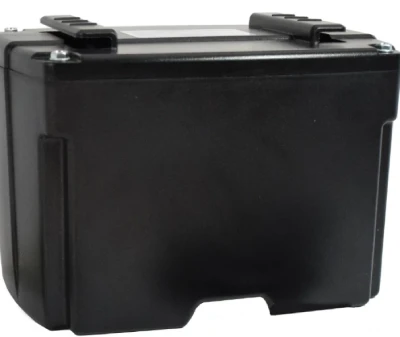
The electrification of the automotive industry has presented unprecedented challenges for battery housing manufacturing. Among the many quality considerations in production—including dimensional accuracy, weld integrity, and thermal management—there is one failure mode that is most easily overlooked yet can lead to catastrophic failures: sharp edges and residual burrs. In high-voltage battery systems, the insulating barrier between conductive components and the battery housing serves as a critical line of defense against electrical failures. When an EV battery housing has sharp edges or residual burrs resulting from processes such as stamping, laser cutting, or machining, vehicle vibrations and thermal cycling can cause these protrusions to penetrate the insulating film, separator material, or wiring harness sheath. The result is partial discharge, arcing, or catastrophic short circuits. Eliminating burr-related risks is not merely a cosmetic issue—it is a fundamental safety requirement that demands systematic engineering controls, clear specifications, and validated process capabilities. Battery Housing Burr Issues: Risk Assessment During the stamping, laser cutting, or

Battery Housing Edge Finishing: Reducing the Risk of Short Circuits Read More »

china sheet metal stamping factory

What Is Transfer Die Stamping And How Does It Work?

In modern high-volume sheet metal fabrication, achieving tight tolerances for deep-drawn housings or complex components requires the use of specific manufacturing methods. When dealing with complex secondary processing operations, standard continuous stamping methods are often inadequate. For this reason, transfer die stamping has emerged as the ultimate engineering solution. Essentially, transfer die stamping is an advanced metal forming process in which individual sheet metal blanks are moved through multiple independent stamping stations. This movement is performed by an automated three-axis system that utilizes specialized mechanical fingers and guide rails. Unlike traditional coil-fed processes, the transfer die stamping process physically separates the blanks from the metal strip at the very first blanking station. The complete separation of the workpiece enables manufacturing engineers to perform extreme deep drawing, side-cam punching, and complex flanging operations without being constrained by the physical limitations of continuous carrier strips. For procurement professionals sourcing automotive brackets or commercial electrical enclosures, specifying custom transfer die stamping directly improves

What Is Transfer Die Stamping And How Does It Work? Read More »

precision sheet metal stamping

What is a compound die stamping and How Does It Work?

When sourcing high-precision sheet metal parts, maintaining absolute concentricity and strict flatness during high-volume production has long been a persistent engineering challenge. However, this is precisely where compound die stamping technology demonstrates its industrial value. Unlike progressive die processes—which require transferring parts between multiple stations and inherently carry the risk of cumulative tolerance deviations—the compound die stamping process completes both punching and blanking simultaneously within a single stamping stroke. For procurement managers and design engineers evaluating die investments, specifying precision compound die stamping is critical for optimizing unit costs and eliminating the need for secondary operations. By concentrating all cutting forces into a single, highly calibrated station, this stamping process ensures exceptional dimensional repeatability, with tolerance control typically accurate to within ±0.001 inches. This precise structural integrity is strictly required for demanding flat-profile geometries, such as motor laminations, precision washers, and battery casing panels. This article provides a detailed analysis of the core die architecture and step-by-step mechanical workflow of

What is a compound die stamping and How Does It Work? Read More »

sheet metal stamping parts

High-Efficiency Metal Stamping: Shortening Lead Times for Medium-Volume Projects

With tight manufacturing schedules, procurement personnel and engineering teams face immense pressure to accelerate time-to-market without compromising component integrity. For medium-volume production—which typically bridges the critical gap between annual output of 10,000 and 100,000 units—striking the optimal balance between die amortization and production speed remains a major challenge for the supply chain. Traditional CNC forming processes often result in excessively long cycle times, while complex progressive die setups require excessive upfront capital investment and lengthy die development cycles. For this reason, highly optimized sheet metal stamping strategies are no longer merely a procurement option but have become an operational necessity. By implementing advanced custom metal stamping solutions—particularly precision compound die configurations—industrial buyers can significantly shorten project lead times. A rigorously managed compound die stamping process can simultaneously perform blanking and punching operations within a single stamping stroke, reliably producing high-precision parts every few seconds. In this article, we will explore how strategic front-end engineering interventions in the metal stamping supply

High-Efficiency Metal Stamping: Shortening Lead Times for Medium-Volume Projects Read More »

custom metal stamping parts

Metal Stamping for 5G Connectors and EMI Shields: Hold ±0.02mm Tolerances at High Speed

The transition to 5G infrastructure has changed the requirements for metal stamping processes. Operating in the millimeter-wave band above 24 GHz, signal behavior in this band is governed by the laws of physics and allows for no compromise. At these frequencies, even the slightest deviation in component geometry can directly result in measurable signal loss, impedance mismatch, and failure in compliance testing. For 5G base stations, backplane connectors, and RF front-end module components, the manufacturing process is just as critical as the design itself. Metal stamping—particularly high-speed progressive die stamping—has become the preferred manufacturing process for connector terminals, contact pins, and EMI/RFI shielding housings. When executed properly, precision metal stamping can meet the micron-level tolerances, material consistency, and mass production requirements necessary for 5G deployment. This article explores the application of custom metal stamping in the electronics and telecommunications industries, including technical requirements, material considerations, and process control. The Challenges of 5G: Why Traditional Metal Stamping Processes Fall Short Traditional

Metal Stamping for 5G Connectors and EMI Shields: Hold ±0.02mm Tolerances at High Speed Read More »

Procision automotive metal stamping parts

3 Common Challenges in Metal Stamping for EV Battery Enclosures

Electric vehicle battery enclosures are among the most demanding metal stamping applications in the automotive manufacturing industry. Battery trays and lids—which are typically over 1.5 meters long—must meet sealing and flatness tolerances of ±0.5 millimeters on critical mating surfaces, withstand crash loads, and maintain structural integrity over millions of production cycles. Unlike traditional automotive body panels, these components are typically made from 5000 or 6000 series aluminum alloys or advanced high-strength steel (AHSS)—materials whose forming behavior differs significantly from that of low-carbon steel. For the manufacture of electric vehicle battery enclosures, IATF 16949 certification and a complete PPAP dossier are indispensable. However, even with certification, practical issues frequently arise in custom metal stamping production: inconsistent wall thickness, post-stamping deformation, welding cracks, and seal failures—all of which can compromise the entire battery module. The key challenge lies not in how to screen out these defects through inspection during the precision metal stamping production process, but in how to eliminate them at

3 Common Challenges in Metal Stamping for EV Battery Enclosures Read More »

steel stamping bracket

Medical Device Metal Stamping: ISO 13485, Material Traceability, and the Cost

The medical device industry is subject to the strictest regulatory framework of any manufacturing sector. When selecting suppliers, the primary considerations are not unit prices, but patient safety and regulatory compliance. As a foundational manufacturing process for countless Class II and Class III medical devices, metal stamping must be strictly controlled. For FDA-regulated medical devices, simply holding ISO 9001 certification is far from sufficient. The risks involved include patient outcomes, regulatory penalties, and millions of dollars in recall liability. This article provides a framework for evaluating medical device metal stamping manufacturers, covering three non-negotiable core elements: ISO 13485 certification verification, material traceability systems, and the true cost of non-compliance. ISO 13485—The Non-Negotiable Foundation for Medical Device Metal Stamping ISO 13485 is a mandatory standard for precision metal stamping of medical devices. Unlike ISO 9001, this standard requires the implementation of design controls, ISO 14971 risk management, and lot traceability (Clause 7.5.9). Metal stamping manufacturers that have not obtained this certification

Medical Device Metal Stamping: ISO 13485, Material Traceability, and the Cost Read More »

China metal stamping factory

Aerospace Metal Stamping: Common Challenges and Solutions

As a critical link in aerospace manufacturing, the aerospace metal stamping process directly determines the performance ceiling and reliability boundaries of numerous structural components such as airframes, cabin systems, and engine parts. The core value of precision aerospace metal stamping lies in achieving significant weight reduction through extreme material deformation while meeting exceptionally stringent standards for strength, precision, and durability. However, this value realization process is fraught with fundamental contradictions: the inherent nonlinear mechanical behavior of aerospace-grade materials (such as high-strength titanium alloys and advanced aluminum alloys) coupled with the inevitable friction, heat conduction, and elastic recovery effects during custom aerospace metal stamping creates an exceptionally narrow process window. This physical complexity directly translates into a series of technical challenges that aerospace metal stamping processes must systematically overcome—from predictable springback control to ensuring microstructural integrity. This paper systematically analyzes the most prevalent challenges in aerospace metal stamping processes, including geometric control of aerospace metal stampings, material consistency, and production compliance.

Aerospace Metal Stamping: Common Challenges and Solutions Read More »

custom automotive steel deep drawn stamping parts

Automotive Metal Stamping: How to Improve Efficiency and Reduce Costs

As the automotive industry accelerates its transition to electrification, it faces a dual mission: restructuring vehicle architectures while continuously reducing costs. This signifies a shift in procurement decisions from simple “unit price” comparisons to in-depth assessments of total cost of ownership. True financial risks stem from systemic costs—including those arising from design rework, production waste, quality lapses, and supply chain vulnerabilities. Consequently, the core value of modern automotive metal stamping extends beyond the parts themselves. It represents a value engineering approach integrated throughout the product front end. A professional automotive metal stamping manufacturer can optimize product manufacturability at the source through early design collaboration (DFM), achieving part integration and maximizing material utilization. This directly reduces BOM costs and logistics complexity. Simultaneously, a robust automotive metal stamping process, underpinned by advanced tooling technology and process control, ensures quality and delivery stability during mass production, fundamentally preventing various hidden costs. This article systematically explores how the automotive metal stamping process enhances project

Automotive Metal Stamping: How to Improve Efficiency and Reduce Costs Read More »
steel stamping automotive parts

Automotive Metal Stamping: Common Issues and Solutions

In modern automotive manufacturing, the automotive metal stamping process forms the cornerstone of vehicle structural integrity, safety, and performance. Statistics indicate that a typical automobile incorporates over 3,000 stamped components, whose quality directly determines the vehicle’s durability and safety rating. As electrification and lightweighting trends advance, the precision, material integrity, and cost-effective scalability of custom automotive metal stamping have become increasingly critical. As an automotive metal stamping manufacturer with over 20 years of deep expertise in this field, Supro profoundly understands the core challenges within this complex process chain: from material physical properties to die dynamics, every variable directly impacts the reliability and cost-effectiveness of automotive metal stampings. Our experience indicates that many mass production issues stem from deficiencies in preliminary design and process matching. For instance, dimensional deviations caused by material springback, cracking risks during high-strength steel forming, or quality fluctuations triggered by mold wear all require systematic engineering solutions. This document serves as a comprehensive guide for professional

Automotive Metal Stamping: Common Issues and Solutions Read More »

sheet metal stamping parts

Metal Stamping Materials Selection Guide

Selecting the right materials for custom metal stamping projects is not merely a preliminary step—it is a critical engineering decision that directly impacts performance, cost, and manufacturability. Precise material selection saves time and prevents production disasters. From automotive giants to consumer tech brands, companies are pursuing lower costs and shorter cycles—but did you know? Nearly 38% of mass production delays stem from material mismatches (Source: McKinsey Manufacturing Pulse Report, 2023). Therefore, rigorously selecting metal stamping materials based on specifications like tensile strength, elongation, surface finish, and thickness tolerance is critical to project success. Wouldn’t you double-check lumber quality before building a house? The same principle applies here. Whether evaluating cold-rolled steel’s formability and surface finish, assessing galvanized steel’s corrosion resistance, or selecting 5052 aluminum’s strength-to-weight ratio—every decision must align with the functional requirements and production scale of metal stamping parts. Choosing the wrong steel grade or underestimating thickness needs… leads directly to inventory waste and delivery delays. This guide breaks

Metal Stamping Materials Selection Guide Read More »

metal stamping manufacturer

Custom Stainless Steel Stamping: Processes, Materials, and Practices

Stainless steel’s exceptional strength and corrosion resistance make it an essential material for demanding applications ranging from automotive components to medical devices. However, these very properties present unique manufacturing challenges, particularly when producing precision parts in volume. Custom stainless steel stamping processes serve as an efficient and stable metalworking method, transforming stainless steel into complex geometries while maintaining strict dimensional tolerances and material integrity for stamped parts. The success of any stainless steel precision stamping solution hinges on a deep understanding of the interplay between material metallurgy, process engineering, and die design. Unlike softer metals, stainless steel alloys exhibit higher work hardening rates, demanding greater forming forces. This necessitates precisely optimized stamping process parameters and sufficiently robust die systems. Professional stainless steel stamping manufacturers must master these complexities to prevent issues like excessive springback, galling, or stress cracking. This article delves into the core technical elements of stainless steel stamping, covering material selection, advanced forming techniques, and quality control practices.

Custom Stainless Steel Stamping: Processes, Materials, and Practices Read More »

Galvanized steel stamping parts

How to Prevent Dezincification During Galvanized Steel Stamping

In the field of galvanized steel stamping, dezincification stands as one of the critical challenges affecting part quality and durability. As a professional custom sheet metal manufacturer, Supro understands that localized peeling of the zinc coating during forming not only directly compromises the corrosion resistance of galvanized steel stamping parts but can also lead to premature failure of critical components like automotive body panels. De-zincing typically originates from excessive friction during stamping, localized stress concentration, or unsuitable die design, which disrupts the bond between the zinc layer and the substrate. Understanding the causes and solutions for de-zincing is crucial. Optimizing the galvanized steel stamping process involves not only selecting appropriate material thickness specifications and alloy compositions but also depends on precise control of stamping parameters and compliance with corrosion resistance testing standards like ASTM B117. As an experienced galvanized steel stamping manufacturer, we emphasize maintaining zinc coating integrity through precision stamping techniques and systematic mechanical property testing during custom galvanized

How to Prevent Dezincification During Galvanized Steel Stamping Read More »

Galvanized steel stamping parts

Analysis of Dezincification in Galvanized Steel Stamping

As a manufacturer specializing in galvanized steel stamping, Supro understands that dezincification is one of the key challenges affecting the quality, corrosion resistance, and reliability of stamped parts. In custom galvanized steel stamping production, the zinc coating does not merely adhere to the substrate but forms a metallurgical bond with it. However, during dynamic stamping operations, the material undergoes complex plastic deformation, shearing, and friction. Improper process control can easily lead to localized zinc layer peeling, micro-cracks, or abrasion—known as “de-zincing.” This not only directly compromises the surface’s corrosion barrier, triggering premature rusting, but may also impact subsequent processes like welding and painting, while reducing the mechanical integrity and service life of galvanized steel stampings. From a technical perspective, dezincification is never caused by a single factor. It results from the interaction of material properties, process parameters, and environmental conditions. Particularly in precision galvanized steel stamping, demands on die design, coating consistency, and process stability are exceptionally stringent. This paper

Analysis of Dezincification in Galvanized Steel Stamping Read More »

precision aluminum alloy stamping parts

Quality Control in the Aluminum Stamping Process

Having thoroughly analyzed the root causes of defects like cracks and deformation in the aluminum stamping process in the previous article, how can we systematically prevent these risks to ensure supply chain reliability and exceptional part quality? For demanding custom aluminum stamping projects, identifying issues is merely the first step. Transforming insights into an executable, verifiable manufacturing system is the key to achieving the leap from “acceptable” to “exceptional.” True quality advancement is rooted in the deep integration of three pillars: First, the precise application of advanced aluminum stamping processes and equipment—such as employing hydraulic servo technology for dynamic force control to suppress springback, or utilizing automation systems to eliminate human variability. Second, establishing a preventive quality control system that must permeate every stage from raw material certification to final shipment. Finally, it requires profound understanding and targeted regulation of critical aluminum stamping process parameters, including the impact of material heat treatment states on formability and the synergistic design of

Quality Control in the Aluminum Stamping Process Read More »

aluminum alloy stamping parts

Analysis of 5 Defects in Aluminum Stamping Processes: From Cracks to Deformation

In the precision-driven realm of custom aluminum stamping, there is virtually zero margin for error. A precision aluminum stamped part can be rendered completely unusable due to a minute crack appearing in an instant or an imperceptible warp. These are not mere quality issues; they represent a chain reaction: soaring unit costs, disrupted production schedules, and compromised final product quality. Therefore, understanding the root causes of common defects in the aluminum stamping process is crucial for safeguarding project timelines, budgets, and the integrity of the final product. While the aluminum stamping process excels at producing high-strength, lightweight components, it remains susceptible to multiple defects—ranging from subtle warping and springback deformation to catastrophic fractures. These issues often stem from the complex interplay between material properties, aluminum stamping die precision, and process control. This article delves into the most prevalent failure modes in aluminum stamping: From how alloy grain structure influences tear sensitivity, to how inconsistent material thickness tolerances inevitably cause dimensional

Analysis of 5 Defects in Aluminum Stamping Processes: From Cracks to Deformation Read More »

carbon steel stamping parts

Solutions for Steel Sheet Stamping Wrinkling: From Process Adjustment to Design Optimization

Understanding the causes of steel sheet stamping wrinkling is the first step, but transforming this knowledge into actionable, mass-producible solutions is key to ensuring supply chain stability and product performance. When confronting wrinkling defects in the stamping process, the most economical and reliable approach is not end-of-line sorting, but proactive defect prevention during the early stages of steel sheet stamping die design and process planning—utilizing methods like CAE simulation. This philosophy directly translates into more stable first-pass yields, lower total cost of ownership, and more controllable project risks. Building upon the systematic root cause analysis from the previous installment, this article provides an action framework transitioning from rapid response to fundamental prevention. It guides you from fine-tuning steel sheet stamping process parameters and targeted die modifications/maintenance to root-cause design optimization based on CAE simulation. This approach ensures not only qualified steel sheet stamping parts but also delivers a robust, reliable manufacturing solution with optimized total cost of ownership. Solution Framework

Solutions for Steel Sheet Stamping Wrinkling: From Process Adjustment to Design Optimization Read More »

steel stamping parts

Wrinkling in Steel Sheet Stamping: Cause Analysis

In high-precision steel sheet stamping processes, wrinkling is not merely an aesthetic defect but a critical failure mode. When compressive stresses within the blank exceed a critical threshold and the material lacks sufficient constraint to maintain stability, plastic buckling occurs—a physical phenomenon manifested as wrinkling. Wrinkling during custom steel sheet stamping directly leads to dimensional non-conformity, compromised assembly integrity, and significantly reduced load-bearing capacity and fatigue life of the final product assembly. Addressing wrinkling in steel sheet stamping requires fundamental root cause analysis grounded in sheet metal forming mechanics, not merely superficial fixes. This paper systematically analyzes wrinkling in custom steel sheet stamping. Starting from mechanics and plastic forming principles, it delves into the interactions among key variables—blank holder force (BHF), drawbead layout, die clearance, and material properties—to help you understand these systemic factors and ensure reliable performance and cost control for steel sheet stamping components. Definition of Creasing in Steel Sheet Stamping In precision metal manufacturing, creasing during custom

Wrinkling in Steel Sheet Stamping: Cause Analysis Read More »

Progressive die stamping services

Guide to Progressive Stamping Processes

In manufacturing sectors such as automotive, high-end electronics, and new energy, progressive stamping has evolved into a critical system engineering solution. It addresses the challenges posed by increasingly complex part geometries, rising material strengths, and persistent cost pressures. This technology not only enables efficient production but also achieves a precise balance among design intent, material potential, and manufacturing costs. As a technology integrating multiple operations—such as blanking, bending, and drawing—within a single progressive stamping die, the core of this process lies in transforming metal coil directly into thousands of highly consistent precision parts through precise strip feeding and coordinated station design. For professional procurement personnel, a deep understanding of the progressive stamping process enables more accurate assessment of suppliers’ engineering depth and production reliability, thereby building more resilient, cost-effective supply chains. This article analyzes from a practitioner’s perspective how progressive die stamping transforms a coil of metal strip into thousands of consistent, high-quality parts through integrated die design and process

Guide to Progressive Stamping Processes Read More »

stainless steel deep drawing stamping

What Is Metal Stamping? Processes and B2B Applications

At its core, metal stamping is more than just a manufacturing method; it is a highly engineered pillar of scalable industrial manufacturing. For B2B procurement professionals, ensuring supply chain resilience requires a deep understanding of this foundational process. By engineering definition, the metal stamping process is a highly controlled cold-forming process. It utilizes specialized die sets driven by high-tonnage mechanical or hydraulic presses to apply extreme compressive and shear forces. This induces precise plastic deformation in sheet metal blanks or coiled stock, transforming flat material into complex net-shape geometries without compromising the material’s structural integrity. When evaluating the production feasibility of high-volume orders, precision metal stamping consistently outperforms alternative methods, such as CNC machining, in terms of cycle time and unit cost reduction. It brings predictability to the supply chain, maintaining strict Cpk (process capability) metrics and micron-level tolerances over millions of cycles. Whether sourcing critical structural components for electric vehicle platforms or manufacturing high-precision shielding parts for the telecommunications

What Is Metal Stamping? Processes and B2B Applications Read More »

electrical terminal box

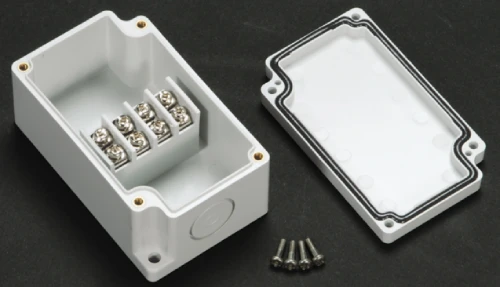
Terminal Box Grounding Stud Thread Damage: Causes and Solutions

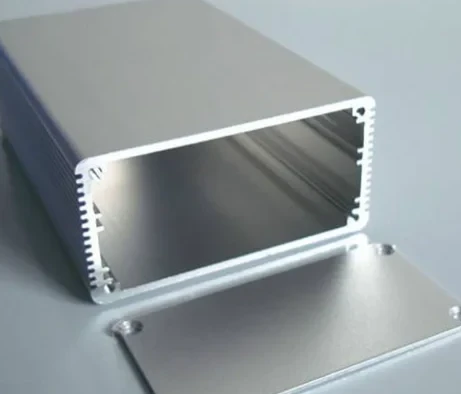
For industrial-grade terminal boxes, the integrity of grounding stud threads is by no means a minor detail; rather, it is a core manufacturing characteristic directly related to equipment safety and system reliability. Once the threads are damaged, not only does it become impossible to securely fasten grounding cables on-site, but it also directly increases the impedance of the grounding loop, causing the electrical terminal box to lose its protective function—a particularly critical issue in high-vibration or high-humidity industrial environments. From a sheet metal manufacturing perspective, the root causes of such failures often lie deep within the early processing and assembly stages—deviations in tapping parameters, uncontrolled assembly torque, and installation defects in self-clinching fasteners (such as PEM nuts). This article will provide an in-depth analysis of the common root causes of thread damage in grounding studs for custom terminal boxes and explore how to achieve reliable thread quality through manufacturing process optimization, ensuring that every part meets the most stringent on-site

Terminal Box Grounding Stud Thread Damage: Causes and Solutions Read More »

aluminum alloy cnc rapid prototype

Outdoor Prototype Sheet Metal Fabrication: Material Selection Guide

In the development of outdoor products, prototype sheet metal fabrication represents a critical phase for validating designs and predicting mass production feasibility. Unlike controlled indoor environments, outdoor sheet metal fabrication prototypes must function as comprehensive “system test platforms”. Their purpose is to pre-emptively expose potential failure risks throughout the product lifecycle before commencing large-scale production. Consequently, the selection of prototype sheet metal fabrication materials extends far beyond mere compliance with drawing specifications. It constitutes a core strategic decision directly determining the efficacy of prototype testing, the control of development costs, and the smoothness of transition to stable mass production. From a professional prototype sheet metal fabrication perspective, the core logic in selecting outdoor prototype materials lies in systematically balancing functionality, environmental exposure, and manufacturing processes. This necessitates moving beyond the pursuit of single high-performance materials to establish a three-dimensional decision-making framework encompassing key performance indicators, specific environmental exposure scenarios, and manufacturability. Our objective is to identify and resolve potential future

Outdoor Prototype Sheet Metal Fabrication: Material Selection Guide Read More »

precision cnc machining mould tools

CNC Machining Bronze: C54400 Cutting Performance Upgrades

For precision CNC machining bronze, C54400 phosphor bronze represents a critical yet challenging material. Its exceptional strength, wear resistance and corrosion resistance make it indispensable for high-reliability components such as connectors, bearings and valves. However, the conventional CNC machining bronze process has long faced three major bottlenecks: short tool life, difficulty in controlling surface finish, and inefficient cutting parameters. These issues not only inflate costs but also compromise product quality. In CNC machining bronze practice, Supro has increased the cutting speed for C54400 phosphor bronze from 5m/min to 20m/min, achieving a 40% improvement in surface quality and a 20% reduction in cutting force. Furthermore, innovations in CNC machining bronze tool technology have amplified these gains. The application of physical vapour deposition (PVD) coatings, such as AlTiN, significantly enhances the hardness and wear resistance of bronze CNC machining tools. This enables higher cutting speeds and extended tool life under dry or near-dry cutting conditions, while maintaining exceptional surface finish. Moreover, advanced

CNC Machining Bronze: C54400 Cutting Performance Upgrades Read More »

precision server rack rail

Resolving U-Space Alignment Deviations in Server Rack Rails

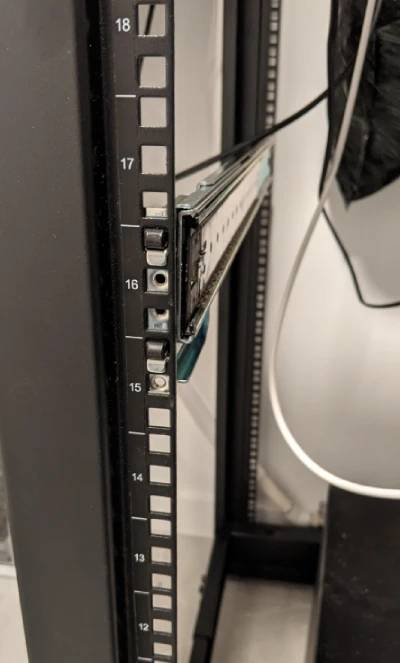
In high-density data center infrastructure, dimensional accuracy of server rack rails is absolutely non-negotiable. If it is discovered during on-site deployment that 1U or 2U servers cannot align with the mounting holes, this would be a costly mistake. This specific U-Space alignment deviation—which directly violates the EIA-310-E standard—typically stems from microscopic manufacturing deviations that create a chain reaction along the vertical length of the profile. When relying on precision server rack rails to support critical IT equipment, even minor cumulative pitch errors during continuous stamping can render the rack unusable, leading to stripped threads and uneven load distribution. To address this issue, basic sheet metal fabrication must be elevated to the level of precision micro-tolerance engineering. This article provides an in-depth analysis of the root causes of U-Space positioning deviations, particularly material stretching deformation and die pitch errors. Furthermore, it details how advanced CNC servo feeding technology and optical First Article Inspection (FAI) protocols ensure that every custom server rack

Resolving U-Space Alignment Deviations in Server Rack Rails Read More »

metal hanging shelves

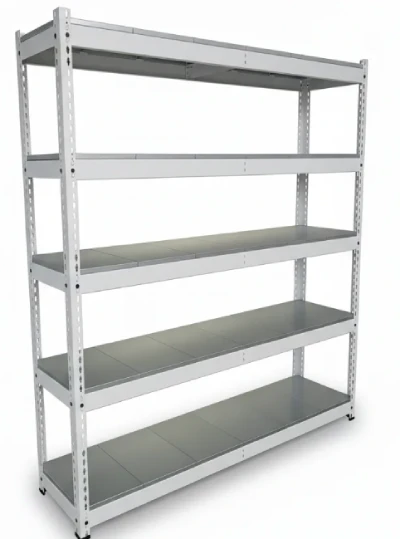
Addressing Hidden Corrosion Issues in Metal Hanging Shelves

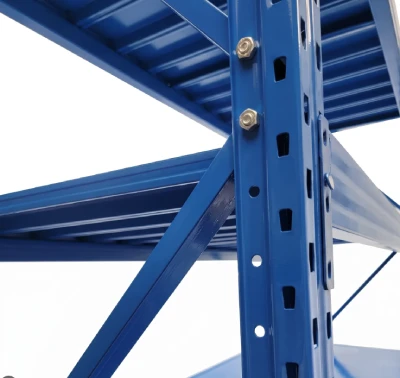
For commercial-grade storage systems such as metal hanging shelves, internal corrosion of tubular suspension rods is a long-underestimated design flaw. In humid environments such as kitchens and unheated garages, condensation accumulates on the inner walls of vertically suspended tubes, causing gradual rusting. Eventually, brown rusty water seeps out from the tube ends or weld seams, contaminating the items stored below. The root cause of this failure mode in custom metal hanging shelves is not the quality of the coating—when electrostatic powder coating is applied to tubular components, the Faraday cage effect causes charged powder particles to deposit primarily on the outer edges and flat surfaces, preventing effective penetration into the deep recesses of the tube’s interior. The exposed steel continues to corrode under the influence of condensation, while the external coating remains intact, making the problem extremely difficult to detect during the procurement and acceptance inspection stages. This article systematically analyzes the physical mechanisms of this hidden failure from the

Addressing Hidden Corrosion Issues in Metal Hanging Shelves Read More »

Scroll to Top