Filter posts by category

CNC Machining

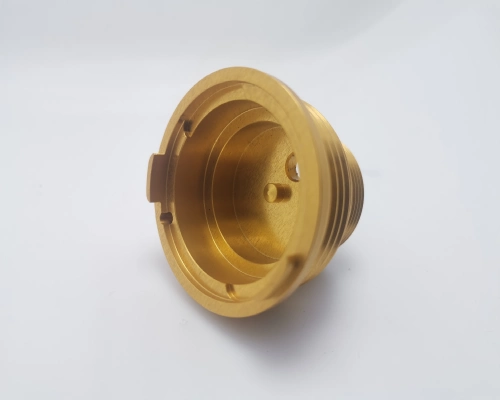
precision cnc machining mould tools

CNC Machining Bronze: C54400 Cutting Performance Upgrades

For precision CNC machining bronze, C54400 phosphor bronze represents a critical yet challenging material. Its exceptional strength, wear resistance and corrosion resistance make it indispensable for high-reliability components such as connectors, bearings and valves. However, the conventional CNC machining bronze process has long faced three major bottlenecks: short tool life, difficulty in controlling surface finish, and inefficient cutting parameters. These issues not only inflate costs but also compromise product quality. In CNC machining bronze practice, Supro has increased the cutting speed for C54400 phosphor bronze from 5m/min to 20m/min, achieving a 40% improvement in surface quality and a 20% reduction in cutting force. Furthermore, innovations in CNC machining bronze tool technology have amplified these gains. The application of physical vapour deposition (PVD) coatings, such as AlTiN, significantly enhances the hardness and wear resistance of bronze CNC machining tools. This enables higher cutting speeds and extended tool life under dry or near-dry cutting conditions, while maintaining exceptional surface finish. Moreover, advanced […]

CNC Machining Bronze: C54400 Cutting Performance Upgrades Read More »
precision cnc machining mould tools

CNC Cutting: Definition, Processes, and Uses

In modern manufacturing and creative design, CNC cutting technology precisely controls machine tool movements through computer programs to cut materials into predefined complex geometric shapes. It efficiently handles repetitive tasks in production processes, with manufacturing speeds far surpassing levels from years past, making it crucial for achieving high-precision, high-quality, and high-efficiency machining. This article will provide a detailed analysis of CNC cutting, beginning with its fundamental definition, followed by an examination of its production process and suitable materials, and concluding with common applications. This will help you understand and appropriately utilize CNC cutting technology. Definition of CNC Cutting CNC cutting is an automated process where cutting equipment executes programs via digital instructions, comprising a numerical control system and mechanical framework. It offers exceptional production efficiency and cutting precision, supporting multi-axis coordination and complex pattern machining. Based on material differences, it can be categorized into CNC laser cutting (high-precision thin materials), CNC plasma cutting (medium-thick materials), and flame cutting (thick carbon

CNC Cutting: Definition, Processes, and Uses Read More »

custom aluminum cnc machining parts

The 6 Advantages of CNC aluminum fabrication

In the modern manufacturing industry, aluminum and its alloys have become the key raw materials in aerospace, automotive, medical equipment, industrial equipment, electronics and other fields by virtue of their lightweight, plasticity and corrosion resistance, and CNC aluminum fabrication technology provides aluminum and its alloys with high precision and flexibility, and is the key technology to produce high-precision, high-quality aluminum parts. CNC aluminum fabrication technology provides extreme precision and flexibility for aluminum and its alloys, and is the key technology for producing high precision and high quality aluminum parts. In this article, we will deeply analyze the 6 core advantages of CNC aluminum fabrication and reveal the reasons why it is favored by the modern manufacturing industry. Why aluminum is suitable for CNC machining Aluminum is one of the most popular and suitable metal materials for CNC machining due to its range of physical, chemical and mechanical properties. Machinability Aluminum and its alloys, especially Aluminum 6061 and Aluminum 7075, have

The 6 Advantages of CNC aluminum fabrication Read More »

High-Quality Acrylic CNC Machining

Acrylic CNC Machining: 10 Tips to Avoid Cracking

Acrylic (polyacrylic) is highly favoured for its exceptional optical properties and machinability. However, its inherent internal stresses and thermal sensitivity render the acrylic CNC machining process highly susceptible to micro-cracks, chipping, and even complete fracturing. Acrylic CNC machining cracking is not an incidental failure but a predictable outcome arising from the interplay of materials science, machining dynamics, and tool physics. Its root causes can be systematically attributed to three primary stresses: residual stresses frozen during sheet production, localised thermal stresses induced by cutting friction, and mechanical stresses generated by tool-workpiece interaction. When the acrylic CNC machining process fails to precisely regulate the superposition of these three forces, stress concentrations can exceed the material’s fracture toughness threshold, leading to progression from microcracks to full-scale fracture. Building upon this mechanism, this paper details a production-validated set of ten critical technical principles spanning the entire workflow from material selection to post-processing. These principles deliver high-quality acrylic CNC machining solutions, fundamentally ensuring processing consistency

Acrylic CNC Machining: 10 Tips to Avoid Cracking Read More »

acrylic CNC machining parts

Acrylic CNC Machining: Process Parameter Optimization

In the field of acrylic CNC machining, the selection of process parameters directly determines success or failure in mass production. When orders transition from single-piece prototyping to large-scale production, the balance between spindle speed, feed rate, and cutting load is no longer merely a theoretical value—it becomes the bottom line for cost and yield. As a professional acrylic CNC machining manufacturer, we have found that many issues—such as edge whitening or dimensional drift—that appear to be caused by equipment actually stem from a failure to dynamically adjust parameters in response to material batches or tool wear. Differences in thermal response between cast and extruded acrylic, the stability of vacuum clamping, and even path redundancy in G-code are all amplified exponentially during large-scale acrylic PMMA CNC machining. This article will focus on the parameter logic for CNC machining acrylic in mass production scenarios—from equipment selection and toolpath optimization to post-processing integration—providing procurement and engineering teams with traceable, replicable delivery standards for

Acrylic CNC Machining: Process Parameter Optimization Read More »

high-quality acrylic CNC machining parts

Acrylic CNC Machining: Achieving Perfect Cutting Results

In the field of acrylic CNC machining, thermal management and cutting force control are critical to success. During the machining process, even the slightest misstep can result in white edges or fine cracks—which are unacceptable in acrylic CNC-machined parts such as medical device housings or high-end display stands. As a professional acrylic CNC machining manufacturer, Supro understands that the glass transition temperature of acrylic (PMMA) is only approximately 105°C, which is significantly lower than that of metal materials. To achieve a perfect cut, the chip load must be strictly controlled within the range of 0.1–0.2 mm/tooth, and single-flute O-groove cutters should be prioritized to optimize chip evacuation. Otherwise, frictional heat will rapidly cause the material to melt or crack due to stress. Therefore, providing high-quality acrylic CNC machining services requires not only advanced equipment but also precise parameter settings. This guide will focus on spindle speed, feed rate matching, and toolpath optimization to explain how to achieve crystal-clear, optical-grade surfaces

Acrylic CNC Machining: Achieving Perfect Cutting Results Read More »

acrylic cnc machining service

Acrylic CNC Machining: Applications and Precautions

Acrylic CNC machining is far from a simple cutting process; its core challenge lies in managing the material’s thermal sensitivity. If the heat generated by high-speed cutting is not precisely controlled through optimized spindle speeds, feed rates, and specialized coolant, it can easily lead to micro-cracks and edge misting, thereby compromising the optical properties of the finished parts. As your trusted acrylic CNC machining manufacturer, our process begins with a comprehensive DFM analysis using CAD/CAM simulation software to ensure toolpaths minimize cutting stresses. On vertical or horizontal machining centers, we utilize custom fixtures paired with geometrically optimized tools to achieve thermally stable cutting from roughing through finishing. Finally, verification via CMM and surface roughness meters ensures that every batch of acrylic CNC machining parts meets the strict standards required for everything from transparent prototypes to mass production. Whether you are seeking acrylic PMMA CNC machining solutions for automotive lighting or require highly transparent medical device housings, this article will provide

Acrylic CNC Machining: Applications and Precautions Read More »

custom acrylic CNC machining

Acrylic CNC Machining Analysis: Properties, Advantages, and Processing

Custom acrylic CNC machining extends far beyond simple cutting and forming. It represents a specialized technology that balances material science with machinability. Unlike metals, acrylic (PMMA) is an amorphous polymer characterized by high transparency, low thermal conductivity, and a distinct softening point. This means standard feed rates and cutting speeds often cause defects like melting, chipping, or stress cracking in acrylic CNC machined parts—unacceptable in medical devices, optical components, or high-end retail displays. This article systematically analyzes acrylic’s key properties as an engineering material, its irreplaceable advantages across industries, and fundamental CNC machining principles. Whether evaluating specification compliance for acrylic CNC machined parts or selecting reliable manufacturers, mastering these core concepts will help you effectively manage project risks and ensure final components meet professional standards in aesthetics, precision, and long-term performance. Understanding the Essential Characteristics of Acrylic CNC Machining In the realm of precision manufacturing, custom acrylic CNC machining transcends mere operation—it is precision engineering grounded in materials science. Its

Acrylic CNC Machining Analysis: Properties, Advantages, and Processing Read More »

High-Quality Acrylic CNC Machining

Five Key Factors for Achieving High-Quality Acrylic CNC Machining

After mastering the material properties of acrylic (PMMA), transforming designs into commercially viable finished products enters a new phase of engineering decision-making. Achieving high-quality acrylic CNC machining extends far beyond programming CNC machines; it requires a precise balance of material science, mechanical dynamics, and cost control. Many projects encounter precision acrylic CNC machining challenges—such as stress cracking, subpar optical clarity, or secondary processing costs far exceeding budgets—often stemming from underestimating several critical engineering variables early on. Achieving high-quality acrylic CNC machining fundamentally involves systematically managing the complex interplay between material properties, process parameters, and design intent. This demands deep understanding—from selecting acrylic CNC machining technology (like specialized tool geometries and cooling strategies for PMMA) to implementing end-to-end quality control logic. This article dissects five critical factors influencing the final quality and total cost of acrylic CNC machined parts. Mastering these essentials is fundamental for conducting efficient technical dialogues with acrylic CNC machining manufacturers and ensuring projects deliver expected optical performance

Five Key Factors for Achieving High-Quality Acrylic CNC Machining Read More »

custom aluminum 7075-T651 housing parts

CNC Cutting: Definition, Processes, and Uses

CNC cutting technology precisely controls machine tool movements through computer programs to cut materials into predefined complex geometric shapes. In modern manufacturing and creative design, It efficiently handles repetitive tasks in production processes, with manufacturing speeds far surpassing levels from years past, making it crucial for achieving high-precision, high-quality, and high-efficiency machining. This article will provide a detailed analysis of CNC cutting, beginning with its fundamental definition, followed by an examination of its production process and suitable materials, and concluding with common applications. This will help you understand and appropriately utilize CNC cutting technology. Definition of CNC Cutting CNC cutting is an automated process where cutting equipment executes programs via digital instructions, comprising a numerical control system and mechanical framework. It offers exceptional production efficiency and cutting precision, supporting multi-axis coordination and complex pattern machining. Based on material differences, it can be categorized into CNC laser cutting (high-precision thin materials), CNC plasma cutting (medium-thick materials), and flame cutting (thick carbon

CNC Cutting: Definition, Processes, and Uses Read More »

7075 aluminum CNC machining parts

CNC Fabrication vs 3D Printing: Understanding the Differences

In industries such as automotive, electronics, aerospace, and medical devices, CNC fabrication and 3D printing stand as two core manufacturing technologies, each supporting diverse production needs with unique strengths. CNC fabrication produces parts by precisely cutting away material from solid blocks, while 3D printing transforms digital designs into physical components by layering materials. These two processing technologies exhibit significant differences in material selection, surface finish, and the ability to handle complex geometries. Understanding their respective strengths and limitations is crucial for product development and production. This article provides a detailed analysis of CNC fabrication and 3D printing, covering their fundamental definitions, advantages and disadvantages, and key distinctions. It aims to help you correctly understand and appropriately apply these two processing technologies. CNC Fabrication services CNC fabrication services is a subtractive manufacturing process. It uses computer software and code to control large industrial machine tools and equipment, progressively removing excess material from a solid block (known as a blank) until it

CNC Fabrication vs 3D Printing: Understanding the Differences Read More »

Customized aluminum Electrical PCB Enclosures

3 – 2 Axis CNC Machining VS. 5 axis CNC machining

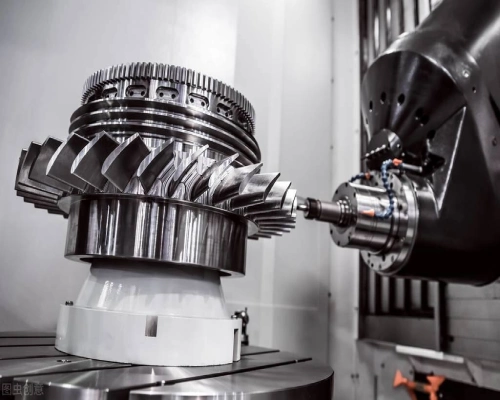
CNC machining offers advantages such as high precision, high speed, and high quality, and can efficiently process various plastic and metal materials. By increasing the number of machining axes on a milling machine, it can significantly reduce part manufacturing time and enable the production of complex components.  However, when faced with two advanced technologies—3+2 Axis CNC Machining and 5 Axis CNC Machining—many people wonder: What exactly are the differences between them? And how can one make the best choice for their project? This article will analyze both technologies, starting with their fundamental definitions. We will then examine their capabilities, advantages, disadvantages, and application scenarios. Finally, we will conduct a multi-dimensional comparison between 3+2 Axis CNC Machining and 5 Axis CNC Machining, providing you with a clear technical selection guide. 1. What is 3+2 Axis CNC Machining 3+2 Axis CNC Machining, also commonly referred to as five-axis orientation machining or positioning five-axis machining, is a method that leverages the capabilities of

3 – 2 Axis CNC Machining VS. 5 axis CNC machining Read More »

aluminum cnc machining metal prototype connection parts

metal prototype fabrication: How to Choose a Material and Technology

In the field of product development and innovation in the automotive, aerospace, medical device and other industries, metal prototype fabrication is the key to connecting the design concept with actual production, and the quality of the metal prototype will directly affect the performance and structure of the product. The quality of metal prototypes will directly affect the performance and structure of the product. Metal raw materials are processed into prototypes with specific structures and functions through specific machining processes, which provide an important basis for subsequent product optimization and mass production. The article will start from the basic definition of metal prototype fabrication, and analyze in detail how to choose the right metal material and its three mainstream processes. This article is designed to help you understand metal prototype fabrication and make scientific decisions. Supro offers high-quality custom metal prototyping for a wide range of applications. Choosing Supro for your metal prototype fabrication needs ensures fast production of high-quality, high-precision

metal prototype fabrication: How to Choose a Material and Technology Read More »

Scroll to Top