
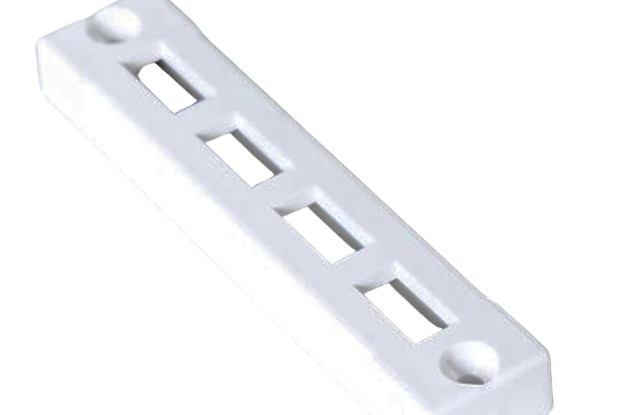
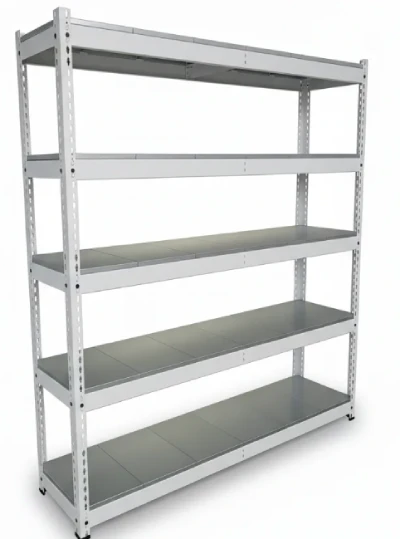
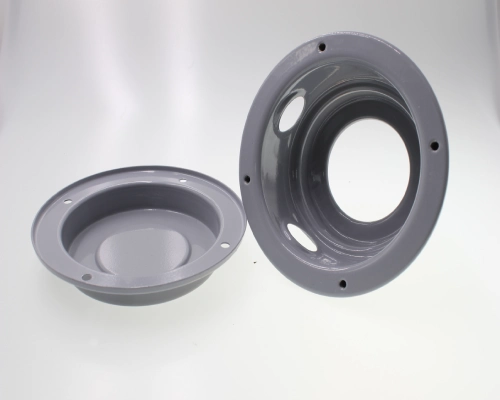
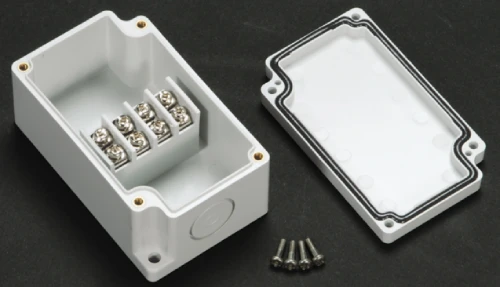
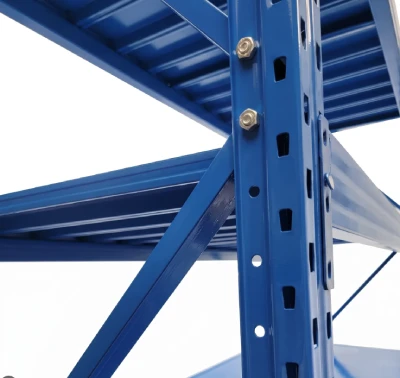
During the assembly of telecommunications racks, server enclosures, and heavy-duty industrial machinery, the geometric accuracy of precision mounting brackets is absolutely non-negotiable. Even the slightest deviation in hole positioning can lead to severe assembly interference, cumulative tolerances, and costly production downtime. To strictly control geometric dimensions and tolerances (GD&T) and eliminate the accumulation of positioning errors, compound die stamping technology is undoubtedly the optimal engineering solution.
Unlike continuous stamping processes—which can cause slight tolerance drift as metal strip passes through multiple stamping stations—compound die stamping simultaneously performs punching and blanking within a single stamping stroke. This synchronized die architecture physically ensures absolute relative precision between internal mounting holes and the external part contour. For procurement professionals and mechanical engineers, understanding the key quality metrics of this specific process is critical to mitigating supply chain risks.
Drawing on extensive manufacturing data, this article provides an in-depth analysis of how the rigorous quality control processes in custom compound die stamping eliminate dimensional deviations, ensuring that every bracket integrates seamlessly into your demanding end applications.
Engineering Principles: Why the Compound Die Stamping Process Excels in Positioning Accuracy
The exceptional positioning accuracy of precision compound die stamping stems from its synchronous die structure. By completing all punching and blanking operations simultaneously within a single stroke, this process mechanically eliminates strip feeding errors and locks in the critical geometric dimensions and tolerances (GD&T) of the bracket before ejection.
Comparison of Compound Die Stamping and Progressive Die Stamping Processes
In the manufacture of precision mounting rails, the primary source of dimensional deviations in the progressive die process is the cumulative pitch error that occurs during the advancement of the metal strip.
Even when high-precision guide pins are used, slight alignment deviations are inevitable during transfer between stations. In stark contrast, precision compound die stamping completes both internal punching and external blanking simultaneously in a single, precise station with just one stamping stroke. This synchronized operation completely eliminates guide hole clearance issues and variables associated with strip feeding.
For procurement engineers, specifying the use of compound die stamping technology effectively eliminates the risk of cumulative tolerances. The physical constraints of this single-station setup permanently lock the relative distances between all mounting holes, ensuring that every bracket aligns perfectly during final chassis assembly without the need for costly rework.
Compound Die Stamping Achieves Exceptional Flatness and Concentricity
In addition to the precision of hole positioning, warping or deformation of metal brackets often leads to integration failures in assemblies with tight tolerances. The compound die stamping process fundamentally resolves this issue through its specialized clamping mechanism.
Before the trimming punch begins to act, a sturdy spring-loaded stripper plate firmly clamps the raw metal blank to the lower die module. This uniform, continuous pressure prevents the material from bending or buckling under shear stress. Consequently, components produced by precision compound die stamping exhibit exceptional flatness.
Since the internal perforating punch and the external blanking die share an identical, fixed centerline within the die housing, the concentricity between features is consistently maintained with absolute precision. This built-in mechanical rigidity ensures that the final mounting bracket fits perfectly with any compatible equipment housing.
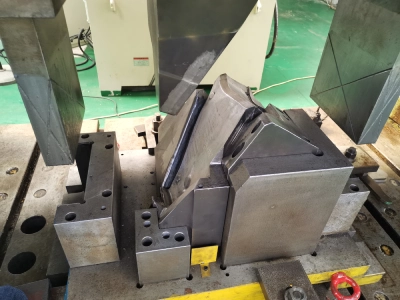
Key Quality Control Parameters in Compound Die Stamping
Although synchronized dies ensure baseline geometric accuracy, strict metrological inspection is still required to maintain part consistency. Proactive monitoring of key parameters in custom compound die stamping—particularly in-process dimensional tolerances and shear edge characteristics—ensures zero-defect mounting brackets throughout the entire high-volume production cycle.
Dimensional Verification and Hole Position Consistency Management
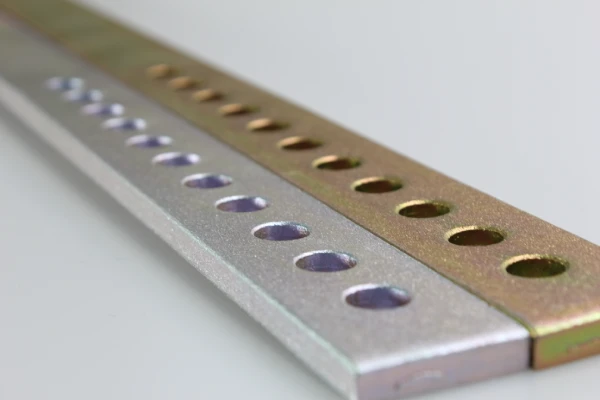
When manufacturing precision mounting rails, verifying hole center spacing is critical. Our quality control procedures require rigorous First Article Inspection (FAI) using automated Coordinate Measuring Machines (CMMs). These optical and contact probe systems verify that the first batch of products fully conforms to the original CAD geometry.
However, true quality assurance in the compound die stamping process requires continuous statistical process control (SPC). By setting high process capability index (Cpk) targets, we are able to monitor dimensional drift caused by minor material fluctuations. Sampling intervals are scheduled very closely to measure positional tolerances as tight as ±0.02 mm.
Since precision compound die stamping processes multiple features simultaneously, this rigorous dimensional verification ensures that each bracket maintains absolute hole-to-hole consistency, thereby eliminating assembly bottlenecks in your production facility and delivering reliable parts batch after batch.
Optimization of Burrs, Fractures, and Shear Zones
Excessive burrs can jeopardize worker safety and compromise the integrity of cable routing; therefore, it is crucial to carefully evaluate the quality of the shear edges on sheet metal brackets. Optimizing the shear zone in custom compound die stamping requires precise calibration of the clearance between the punch and the die, which is typically maintained between 5% and 8% of the material thickness. This engineered clearance maximizes the smooth, polished strip while minimizing rough fracture zones.
Furthermore, maintaining sharp die edges is critical for controlling burr height within acceptable micro-tolerance limits. When the physical parameters of the shearing process are perfectly calibrated, high-volume compound die stamping not only prevents micro-cracks along the edges but also reduces the need for costly secondary deburring operations. This fine-tuning of the shearing zone in the compound die stamping process produces mounting brackets with smooth surfaces and robust structures that are ready for immediate surface coating and integrate seamlessly with the enclosure.
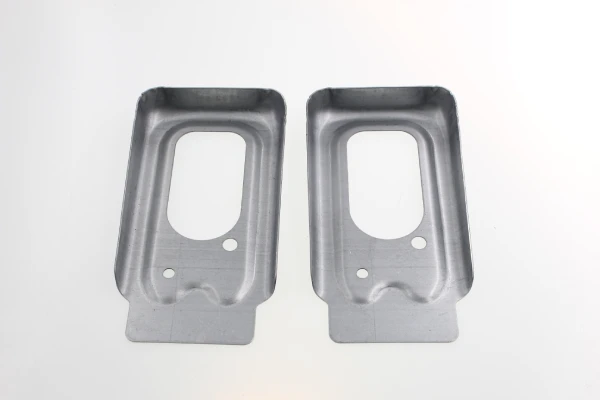
Die Maintenance in Compound Die Stamping: Mitigating Wear and Die Clearance Drift
To ensure long-term production consistency, it is essential to effectively address die wear. As the punch and die edges wear down, die clearance drifts, thereby affecting part geometry and the quality of the sheared edges. Implementing a rigorous preventive maintenance program in precision compound die stamping can curb this wear and ensure zero-defect output during high-volume production.
Managing Punch and Die Wear in High-Volume Production
During continuous production cycles, the intense friction between the sheet metal and the die inevitably leads to the degradation of edge radii. To manage punch and die wear, it is essential to use high-quality materials known for their exceptional wear resistance, such as D2 tool steel or tungsten carbide. Additionally, strict stroke count thresholds determine our scheduled regrinding intervals. Before wear affects part geometry, we remove the dies for precision edge grinding.
The rigorous preventive measures taken in the compound die stamping process permanently curb die clearance drift, thereby preventing excessive burrs and edge curling on the mounting brackets. By proactively restoring sharp cutting geometries, the dies are maintained in optimal condition, ensuring that high-volume compound die stamping production delivers the exact same tight tolerances as the initially approved samples, without unexpected downtime.
Preventing Scrap Tearing and Residual Material Retention
During high-speed machining, a critical yet often overlooked failure mode is scrap tearing, in which the scrap material adheres to the surface of the retracting punch after blanking. If the scrap accidentally falls onto the next precision bracket, it can cause severe surface galling, structural deformation, and catastrophic die damage.
To systematically eliminate this risk, engineering safeguards are directly integrated into the die structure. By using spring-loaded ejectors within the punching punch, scrap is physically ejected downward during the punch’s upward stroke. Additionally, specialized die geometries ensure that all residual material is completely separated from the die.
Implementing these advanced scrap retention prevention technologies in custom compound die stamping ensures uninterrupted stamping cycles. By precisely controlling scrap ejection, this stamping method produces defect-free mounting components. Optimizing this aspect of the compound die stamping process comprehensively safeguards the mechanical integrity of the final hardware assemblies.
Only 4 steps
online custom metal fabrication parts
Contact our experts team and experience the efficiency and economic benefits of digital metal fabrication services.
Upload Design Files
STL , STEP (.stp), IGES (.igs), (.ZIP), or PDF.
Also be a sample or an idea
Quote & Design Analysis
Instant factory quotes and DfM reports, the most reasonable solution.
Manufacturing Begins
Digital processes can initiate order tasks within 24 hours.
On-Time Delivery
Keeping delivery promises, approved by 3000+ Global Company buyers.
The Impact of Material Selection on Compound Die Stamping Output
The metallurgy of the material directly determines its shear properties and tonnage threshold. In the precision compound die stamping process, matching the alloy’s properties with the die’s mechanical characteristics can prevent microcracks along the edges and reduce severe die wear, thereby ensuring the structural integrity and dimensional stability of each mounting bracket.
High-Strength Low-Alloy Steel, Stainless Steel, and Aluminum Alloys
Selecting the appropriate alloy fundamentally alters the shear mechanical properties within the press. High-strength low-alloy steel (HSLA) provides exceptional structural rigidity for heavy-duty server racks but requires substantial press tonnage and robust dies to prevent rapid die wear. In contrast, 300-series stainless steel exhibits a strong tendency toward work hardening, requiring smaller die clearances to achieve clean shearing and prevent excessive edge curling. Aluminum alloys, while offering an excellent strength-to-weight ratio, are highly prone to galling.
To address these vastly different material properties, engineered compound die stamping technology employs custom-designed clearances and applies specialized die coatings such as titanium nitride (TiN). By precisely matching the mechanical properties of the dies to the yield strength of specific alloys, we ensure consistent edge quality.
Mastering these metallurgical variables in the compound die stamping process ensures that every bracket meets the buyer’s stringent load-bearing specifications.
The Impact of Grain Orientation and Formability on Compound Die Stamping
In addition to the initial tensile strength, anisotropic properties—such as the grain orientation of the sheet metal (formed during the initial cold rolling process)—have a decisive impact on subsequent formability. If a precision mounting bracket requires secondary forming operations, bending along the material’s grain direction significantly increases the risk of microcracks forming along the bend radius.
In custom compound die stamping, meticulous blank layout must ensure that the part geometry is completely perpendicular to the rolling direction. This strategic layout ensures optimal structural integrity during secondary bending operations while minimizing unpredictable springback deviations. By strictly controlling these directional characteristics, precision compound die stamping reliably prevents stress fractures in the final components.
By incorporating advanced grain orientation strategies into the compound die stamping process, the result is hardware with high toughness and strength that can easily withstand the intense dynamic loads encountered in demanding industrial assemblies.
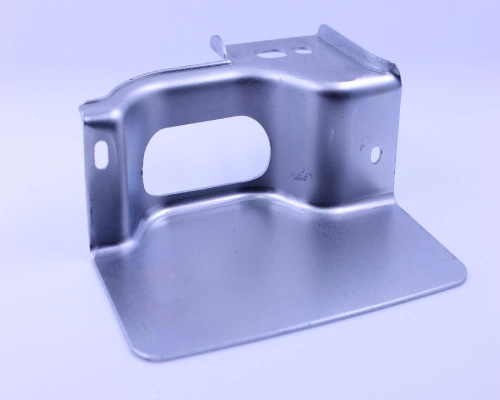
Deflection and Part Deformation During Ejection in Compound Die Stamping
Even with the most perfectly designed cutting clearance, there remains a significant risk when removing the finished bracket from the die. In high-precision applications, improper ejection force can lead to severe deflection and part deformation. Because the blank is tightly compressed during custom compound die stamping, vacuum effects and extreme friction can cause the part to become firmly wedged in the upper die. Standard single-point ejector pins often cause localized stress concentrations, leading to warping of thin sheet metal at the moment of release.
To effectively mitigate this issue, advanced compound die stamping technology employs a perfectly balanced multi-point ejection system. By designing synchronized ejector pins and calibrated nitrogen gas springs, we distribute the ejection force evenly across the entire surface of the bracket. This precisely controlled release mechanism in precision compound die stamping completely eliminates bending, twisting, or any other undesirable plastic deformation.
This rigorous ejection control ensures that every component exhibits exceptional flatness, thereby guaranteeing seamless fit and zero interference during final hardware assembly.
Summary
Mastering compound die stamping technology is a decisive manufacturing strategy for eliminating tolerance accumulation and assembly interference in precision mounting brackets.
At Supro MFG, our refined quality control processes—from first-article inspection using an automated coordinate measuring machine (CMM) to rigorous in-house die maintenance—ensure absolute compliance with geometric dimensions and tolerances (GD&T) standards. We systematically eliminate the dimensional variations commonly found in standard progressive dies, ensuring that high-volume precision compound die stamping consistently delivers zero-defect parts with exceptional flatness, precise and consistent hole placement, and flawless sheared edges.
When your critical hardware components require uncompromising precision, trust our certified manufacturing system to directly reduce your international procurement risks.
For technical specifications, customized project solutions, or OEM partnership inquiries, contact Supro today. Our professional engineering team is ready to provide you with a tailored application solution.