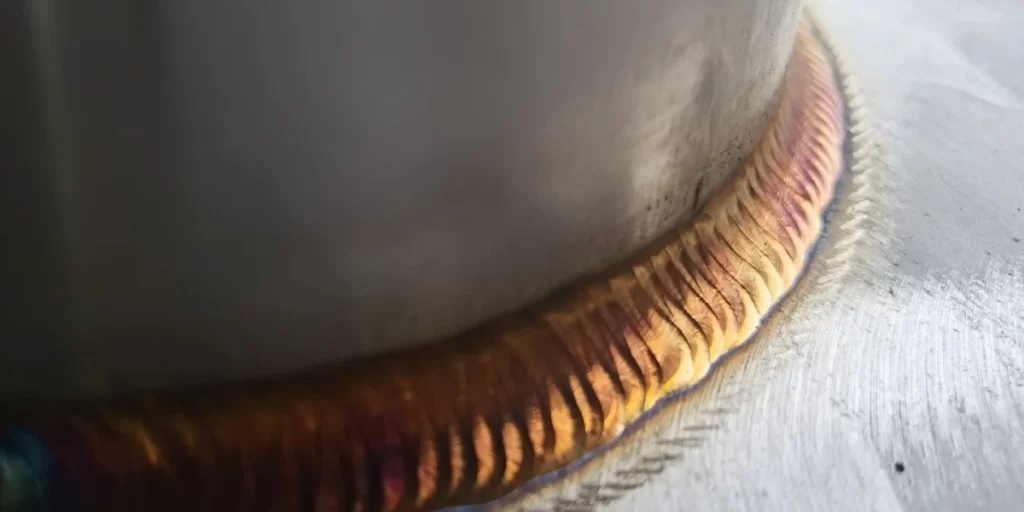
Weld Defects in GTAW Welding Aluminum and Their Solutions
In high-end manufacturing, GTAW welding aluminum serves as the joining process for achieving high-strength, high-integrity aluminum alloy structures. It directly impacts the reliability, service life, and safety margin of the final product. The high thermal conductivity, surface oxide layer, and extreme hydrogen sensitivity of aluminum alloys make GTAW aluminum welds highly susceptible to defects such as porosity, hot cracks, and lack of fusion. This necessitates that GTAW aluminum welding manufacturers systematically build a defense system: from rigorous pre-weld cleaning and material science selection, to precise coordinated control of heat input and power source AC waveforms, ultimately validated through stringent non-destructive testing. This paper analyzes the root causes of defects in GTAW aluminum welds based on engineering practice and presents a predictable, repeatable solution to ensure the structural integrity of your welded components. Material Properties and Their Interaction with the GTAW Aluminum Welding Process In custom sheet metal fabrication, welding is the preferred process for joining aluminum alloy structures. However, a
Weld Defects in GTAW Welding Aluminum and Their Solutions Read More »