

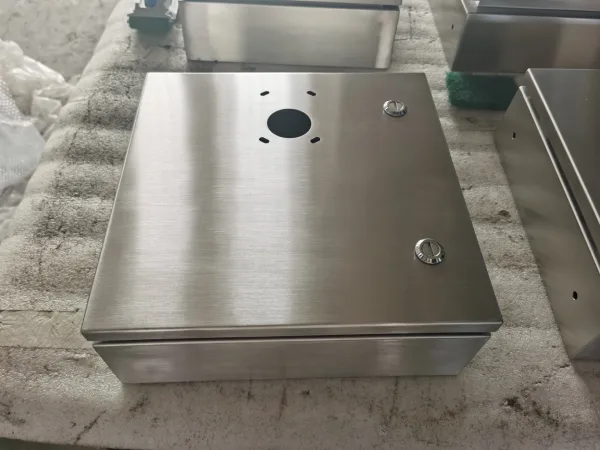
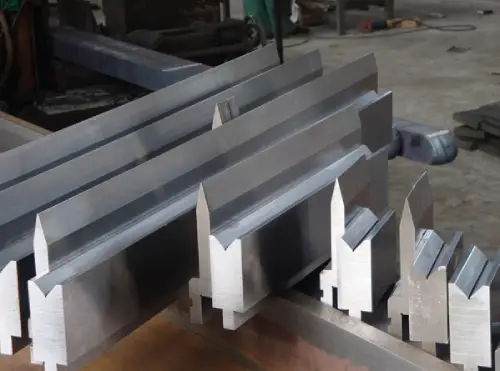
In the field of construction engineering, architectural sheet metal fabrication is far more than simple metal cutting and forming; it is a systematic discipline integrating precision engineering, materials science, and architectural aesthetics. The core challenge of architectural sheet metal fabrication processes lies in transforming artistic architectural concepts into structurally reliable, durable, and aesthetically pleasing physical entities.
Supro is a specialized architectural sheet metal fabrication manufacturer. We understand that the success of architectural fabrication projects hinges on comprehensive control over alloy metallurgical properties, dynamic tolerance management, and compliance with regional standards (such as AAMA and ASTM in the U.S.). Whether due to missing material certifications or insufficient engineering validation of connection designs, custom architectural sheet metal fabrication projects may face installation failures or long-term performance defects.
This guide systematically deconstructs architectural sheet metal fabrication processes, providing procurement professionals with an engineering-based technical framework to ensure every custom project delivers optimal performance and value throughout its lifecycle.
Engineering Challenges in Architectural Sheet Metal Fabrication
From an engineering perspective, architectural sheet metal fabrication is an integrated discipline encompassing load-bearing structural components, building envelope systems (curtain walls, roofing), custom drainage solutions, and high-end interior finishes. The core value of architectural sheet metal fabrication manufacturers lies in translating the geometric language and visual intent of architectural designs into structurally safe, physically reliable, and aesthetically pleasing industrial products.
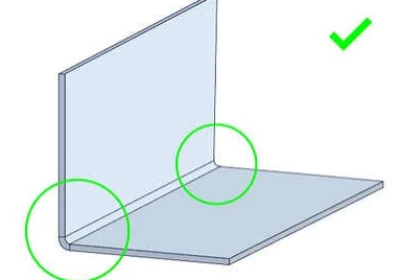
However, the success of custom architectural sheet metal fabrication projects faces multiple challenges. First is the conversion of “design manufacturability”: complex surfaces, sharp angles, or ultra-thin visible edges created by architects must strike a balance between material mechanical properties (such as minimum bend radius), manufacturing equipment capabilities, and cost feasibility.
Second is tolerance management and cumulative control within architectural sheet metal fabrication processes. A single curtain wall panel unit involves material cutting, multiple bending operations, welding assembly, and surface finishing—each step introducing minute tolerances. Without rigorous statistical process control (SPC), these errors accumulate along the production chain, ultimately leading to installation failures on-site.
Finally, materials and architectural sheet metal fabrication processes must withstand the harsh environmental loads at the project site, including wind vibration fatigue, thermal expansion stresses, salt spray corrosion in coastal areas, or industrial pollution. This demands that architectural sheet metal fabrication manufacturers not only master fabrication techniques but also possess applied knowledge in materials science and environmental engineering.
Materials Science in Architectural Sheet Metal Fabrication
In architectural fabrication projects, material selection is a foundational engineering decision that impacts structural integrity, lifecycle costs, and aesthetic appeal. Successful custom architectural sheet metal fabrication projects begin with a deep understanding of material metallurgical properties—from an alloy's yield strength and elongation to its long-term performance evolution when interacting with environmental factors such as humidity, chloride ions, and ultraviolet radiation.
As a specialized architectural sheet metal fabrication manufacturer, Supro not only provides fabrication services but also delivers optimal technical pathways—from core materials and surface treatment systems to complete certification chains—tailored to project-specific codes (e.g., AAMA, ASTM) and climatic conditions.
Primary Alloy Materials for Architectural Sheet Metal Fabrication
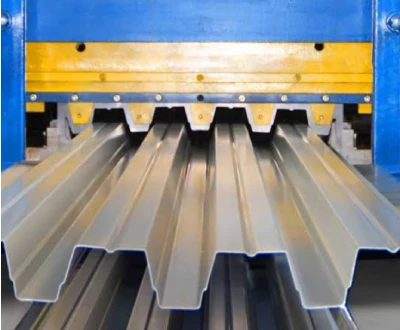
Material selection extends far beyond choosing a metal type; it is an engineering decision involving the precise matching of specific metallurgical properties of alloy materials to project requirements. Professional architectural sheet metal fabrication manufacturers typically work around three core material systems. Aluminum alloys, prized for their superior strength-to-weight ratio and inherent corrosion resistance, are the preferred choice for architectural sheet metal fabrication parts like curtain walls and sunshade systems. Their excellent formability enables complex geometric structures.
Stainless steel, valued for its high structural strength and exceptional durability, is frequently used for exterior cladding or fire-rated components in high-stress, coastal environments. Grade 316, enhanced with molybdenum, offers significantly improved resistance to pitting corrosion. For cost-sensitive internal structural components requiring superior strength, galvanized steel or aluminum-zinc alloy-coated steel are common choices in architectural sheet metal fabrication projects, with their coatings providing sacrificial anodic protection.
Material selection for custom architectural sheet metal fabrication projects hinges on a thorough understanding of each alloy’s yield strength, elongation (determining forming limits), and thermal expansion coefficient. These parameters directly influence design tolerance calculations, connection details, and long-term performance under thermal cycling.
Material Traceability in Architectural Sheet Metal Fabrication
Material certification and traceability represent fundamental requirements for demonstrating professional competence and mitigating project risks. This ensures every sheet metal component entering architectural fabrication processes is accompanied by a traceable mill certificate. This document explicitly details the alloy grade, chemical composition, mechanical property test results, and compliance with relevant standards (e.g., ASTM, EN, or JIS).
This is critical for custom architectural sheet metal fabrication, as it serves as the basis for verifying whether materials meet load requirements and code specifications (such as the American Institute of Steel Construction (AISC) Structural Steel Code).
Only 4 steps
online custom metal fabrication parts
Contact our experts team and experience the efficiency and economic benefits of digital metal fabrication services.
Upload Design Files
STL , STEP (.stp), IGES (.igs), (.ZIP), or PDF.
Also be a sample or an idea
Quote & Design Analysis
Instant factory quotes and DfM reports, the most reasonable solution.
Manufacturing Begins
Digital processes can initiate order tasks within 24 hours.
On-Time Delivery
Keeping delivery promises, approved by 3000+ Global Company buyers.
Custom Architectural Sheet Metal Fabrication
In the architectural field, the core of custom architectural sheet metal fabrication projects lies in transforming materials and design plans into tangible products through a series of controlled precision manufacturing processes. Each stage of this process chain involves critical technical decision points that directly determine the finished product's precision, strength, and final performance.
Supro is a specialized architectural sheet metal fabrication manufacturer, mastering the complete technological ecosystem from digital design to complex surface treatments. This ensures every custom architectural sheet metal fabrication part meets stringent building codes and aesthetic requirements.
Design Planning for Custom Architectural Sheet Metal Fabrication
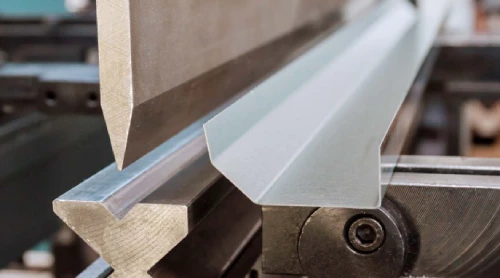
In-depth design for manufacturability analysis marks the starting point of custom architectural sheet metal fabrication projects. This goes far beyond mere drawing conversion, representing a process of evaluating and optimizing the manufacturability of architectural intent. Engineers collaborate with design teams to review whether bend radii exceed material ductility limits, whether tolerances for complex assemblies are appropriately allocated, and whether connection solutions facilitate efficient production and on-site installation.
For instance, modularizing large complex components and incorporating concealed lap joints with adjustment mechanisms can significantly reduce on-site installation complexity and error risks. This phase leverages 3D modeling and finite element analysis software to validate architectural sheet metal fabrication parts’ performance and assembly logic in a virtual environment, ensuring designs are not only aesthetically pleasing but also manufacturable and cost-effective.
Cutting Techniques for Custom Architectural Sheet Metal Fabrication
Cutting serves as the initial manufacturing process in architectural sheet metal fabrication, with its precision establishing the benchmark for all subsequent operations. Current mainstream techniques include fiber laser cutting, waterjet cutting, and precision plasma cutting.
Given the prevalent use of stainless steel and aluminum alloy sheets in construction, high-power fiber laser cutting emerges as the preferred choice for custom architectural sheet metal fabrication. This method excels in cutting speed, delivers exceptional cut quality, and produces minimal heat-affected zones, making it particularly suitable for intricate contours and fine perforations.
Waterjet cutting is suitable for heat-sensitive materials (such as pre-coated steel sheets) or composite materials. It enables cold cutting, avoiding thermal deformation, but operates at relatively slower speeds. The selection of cutting technology is a comprehensive engineering decision based on material type, thickness, required cut quality, and production costs. Precise cutting programs and equipment calibration form the foundation for ensuring accuracy and stability in subsequent architectural sheet metal fabrication processes.
Forming Technologies for Custom Architectural Sheet Metal Fabrication
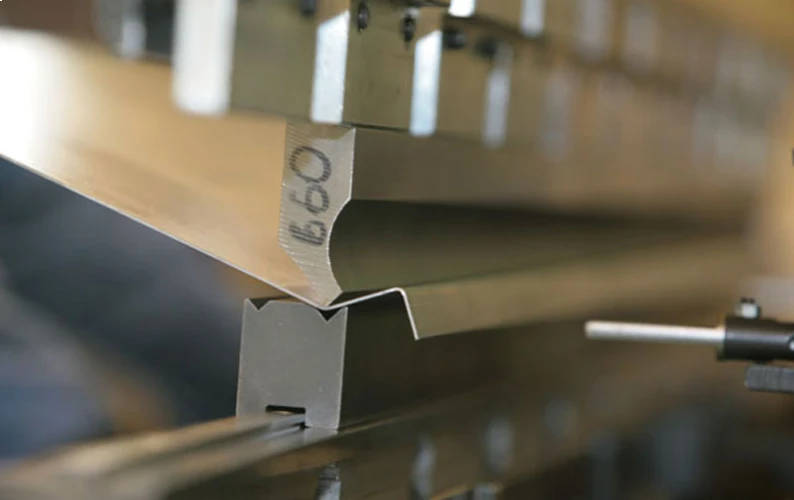
Forming processes impart three-dimensional shapes and structural rigidity to flat metal sheets. CNC bending stands as the most critical forming technology within architectural sheet metal fabrication processes. Its technical essence lies not only in the equipment but also in precise springback compensation calculations. Different batches and grades of metal exhibit angular springback due to elastic recovery after bending.
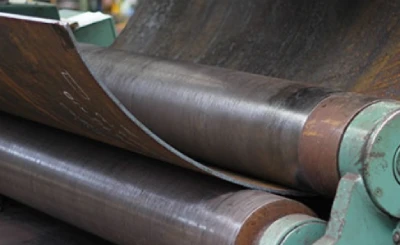
Supro presets compensation angles during programming based on material certificate mechanical properties and an empirical database, then fine-tunes through trial bends to ensure angular consistency in high-volume architectural sheet metal fabrication. For complex shapes like double-curved surfaces, specialized techniques such as metal spinning or incremental forming may be required. Quality control points during forming include straightness of bend edges, surface dent control, and cumulative positioning errors after multiple bends.
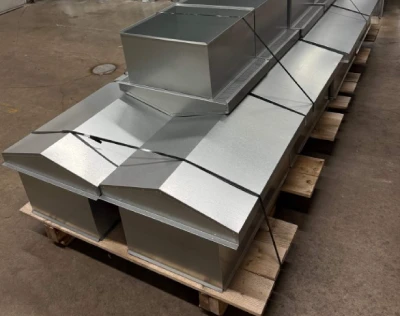
Joining Processes for Custom Architectural Sheet Metal Fabrication
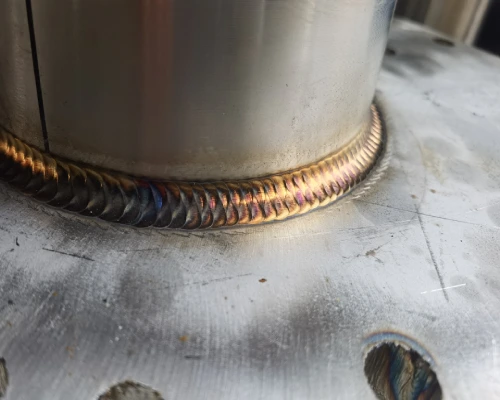
Joining processes determine a component’s structural integrity and long-term reliability. In architectural sheet metal fabrication processes, welding (particularly TIG argon arc welding) is commonly employed for internal structures requiring high-strength, sealed connections. Challenges include controlling heat input to prevent thin-sheet distortion and ensuring weld composition and corrosion resistance match the base material.
For exposed areas or joining dissimilar materials, mechanical fastening is widely used to avoid thermal deformation and accommodate differing thermal expansion rates. The selection of joining processes for custom architectural sheet metal fabrication must be based on stress analysis of the joint location, aesthetic requirements, and corrosion protection needs. Regardless of the chosen process, standardized work instructions must be established and process qualification conducted to ensure predictable and traceable joint performance.
Surface Treatment for Custom Architectural Sheet Metal Fabrication
Surface treatment serves as the final decorative finish and ultimate protective layer in architectural sheet metal fabrication processes. This process must be conducted in a dedicated, clean spray booth, strictly adhering to the “pretreatment-coating-curing” sequence. Pretreatment (e.g., phosphating or chromating) forms the foundation for coating adhesion by removing contaminants and creating a conversion film.
The coating stage (powder or liquid) requires precise control of film thickness, uniformity, and a dust-free environment to guarantee surface quality. Curing must strictly follow the temperature-time curves provided by the coating supplier to ensure complete cross-linking of the coating, achieving its designed chemical and physical properties (such as hardness, toughness, and weather resistance).
Architectural sheet metal fabrication parts must undergo sampling tests according to standards like AAMA 2604/2605 to verify adhesion, impact resistance, and corrosion resistance, ensuring they can withstand decades of outdoor exposure.
Looking for a reliable custom sheet metal fabrication companies?
Talk To Supro MFG Expert Team
Contact us for competitive ex-factory prices,
and a full range of technical support services.
Quality Assurance in Architectural Sheet Metal Fabrication
Quality assurance is a comprehensive preventive management system that begins at the design stage and extends throughout every manufacturing process. This system centers on two interconnected plans: the internal quality control plan for architectural sheet metal fabrication manufacturers and the customer acceptance testing plan.
The former requires manufacturers to establish comprehensive internal control processes—from incoming raw material inspection and in-process checks to final product review—using tools like statistical process control (SPC) to proactively prevent defects. The latter provides customers with a clear validation pathway, ensuring the manufacturer’s controls are both effective and transparent.
A professional quality assurance system encompasses several critical dimensions:
digitalization of process control, such as using SPC systems to monitor process capability indices (CPK) for critical dimensions, transforming quality control from outcome judgment to process prediction; Performance validation of architectural sheet metal fabrication parts, ranging from visual inspections compliant with standards like AS 3978 to ultrasonic non-destructive testing of critical welds; and institutionalized traceability, ensuring all process records, inspection reports, and operators are identifiable and traceable from each sheet to the finished product.
Establishing such a documented, actionable, and continuously improving system enables proactive quality risk management, ensuring architectural sheet metal fabrication parts meet stringent building codes.
Conclusion
In summary, the core value of a successful custom architectural sheet metal fabrication project lies in its certainty throughout the entire project lifecycle—from ensuring material compliance and traceability to avoiding costly late-stage modifications through design for manufacturability; from guaranteeing the precision and performance of architectural sheet metal fabrication parts via statistical process control and digital inspection to providing comprehensive performance verification documentation for final acceptance.
Supro is a specialized architectural sheet metal fabrication manufacturer. Leveraging advanced equipment, extensive manufacturing experience, and a professional engineering team, we deliver flawless architectural sheet metal fabrication services to over 3,000 companies worldwide, offering genuine manufacturer pricing.
As an industry-leading architectural sheet metal fabrication manufacturer, we efficiently deliver diverse products on schedule. From product design and rapid sheet metal prototype fabrication to mass production, we provide expert technical support and exceptional quality. We offer one-stop manufacturing solutions and highly cost-competitive product supply!