Premature Corrosion in Stainless Steel Splash Guard:Causes and Solution
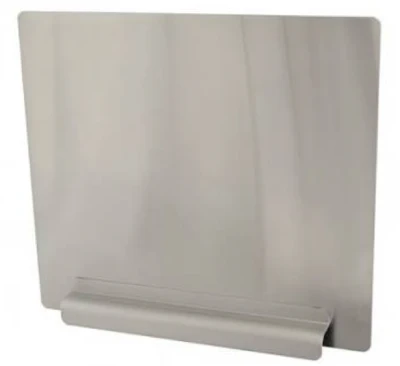
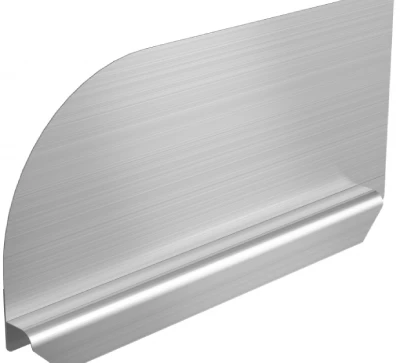
Stainless steel splash guards installed in cleanrooms or food-grade processing lines serve the primary function of protecting surrounding equipment and the environment from liquid exposure while maintaining the integrity of their own surfaces. However, in practical applications, these components often exhibit premature surface rust and pitting within weeks or months of being put into service. Typically, three interrelated factors lead to premature corrosion of splash guards: the use of 304 stainless steel instead of molybdenum-containing 316L in environments containing chlorides or corrosive chemicals; manufacturing splash guards in areas where carbon steel is processed, where embedded iron particles cause cross-contamination and act as cathodes for electrochemical corrosion; and the absence or inadequacy of chemical passivation treatment after splash guard fabrication—a critical step that removes free iron from the surface and promotes the formation of a more uniform, corrosion-resistant oxide film. This article analyzes each of the aforementioned failure mechanisms from an engineering perspective and proposes practical corrective measures—ranging from steel grade […]
Premature Corrosion in Stainless Steel Splash Guard:Causes and Solution Read More »