Filter posts by category

Metal Shelves

custom heavy duty shelves

Preventing Thread Galling and Stripping in Heavy Duty Shelves: Causes & Solutions

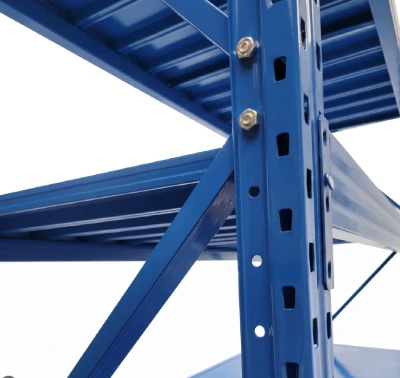
For any industrial storage solution, the structural integrity of heavy duty shelving depends directly on the reliability of its fastening system. However, during on-site assembly of heavy duty metal shelving, thread galling and strip-out are the two primary failure modes that cause assembly process interruptions and result in high rework costs—both prevent bolts from achieving the target clamping force or directly damage the stress cross-section of the internal threads, leading to a degradation of load-bearing joints. Based on our nearly 20 years of experience in precision sheet metal manufacturing and integrated assembly, over 60% of on-site repairs stem from fastener issues, with the hidden costs often exceeding 20 times the purchase price of the fasteners themselves. This article analyzes the physical mechanisms behind these failure phenomena in custom heavy duty shelves and provides procurement and engineering personnel with a systematic preventive framework from three dimensions: engineering materials, coating processes, and torque specifications. Treating fasteners as engineering components requiring precise calculation—rather

Preventing Thread Galling and Stripping in Heavy Duty Shelves: Causes & Solutions Read More »
custom heavy duty shelves

Causes and Solutions for Powder Coating Peeling on heavy duty Shelves

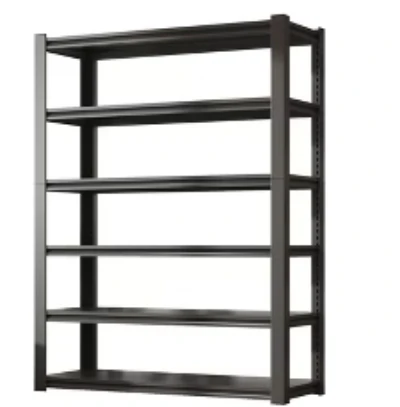
heavy duty shelves are constantly subjected to dynamic loads and frequent loading and unloading impacts in warehousing and industrial environments. Powder coating serves not only as a decorative finish but also as the first line of defense against corrosion and mechanical damage. Once the coating delaminates over a large area due to even a minor impact, the exposed steel surface immediately begins to oxidize, substantially compromising both the structural integrity and service life of the heavy duty metal shelving. The root cause of adhesion failure can usually be traced to microscopic contamination on the substrate surface prior to coating—residual rolling oil, drawing lubricants, or welding spatter can form a weak layer at the interface between the coating and the steel, preventing chemical bonding between the powder coating and the substrate. This issue is particularly pronounced on thick-gauge components: the hot-rolled steel sheets used in heavy duty shelving carry dense mill scale, and when combined with weld slag residues in areas with long weld

Causes and Solutions for Powder Coating Peeling on heavy duty Shelves Read More »

heavy duty shelves

Heavy Duty Shelves Assembly Failure Guide: Precision CNC Solutions

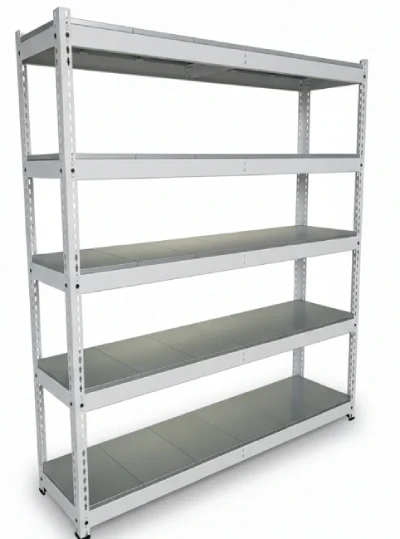
For any warehouse or industrial facility, on-site assembly of heavy duty shelves systems should be a standardized, efficient process. However, procurement and engineering teams often face a challenging situation: the critical interfaces between uprights and beams—the holes designed for quick snap-fit assembly—cannot be aligned precisely. As a result, installers are forced to resort to brute force methods such as hammering or prying. This not only severely reduces assembly efficiency but also directly damages surface treatments like powder coating, creating potential corrosion risks. Furthermore, localized interference fits may introduce harmful stresses within the structure, compromising the long-term load-bearing capacity and fatigue life of the heavy duty metal shelving. The root cause of such problems is often not a design flaw, but rather “tolerance drift” in the upstream sheet metal manufacturing process, caused by cumulative tolerances in the stamping process, die wear, or misalignment of the guiding mechanisms. This article will provide an in-depth analysis of the mechanical and geometric mechanisms behind

Heavy Duty Shelves Assembly Failure Guide: Precision CNC Solutions Read More »

metal hanging shelves

Addressing Hidden Corrosion Issues in Metal Hanging Shelves

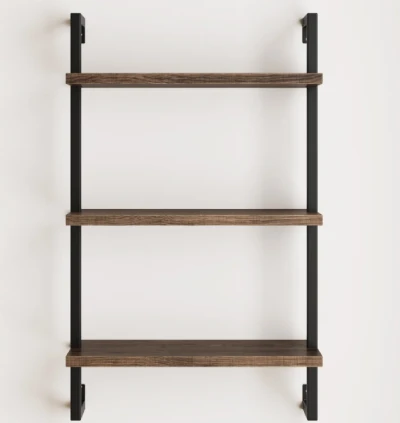
For commercial-grade storage systems such as metal hanging shelves, internal corrosion of tubular suspension rods is a long-underestimated design flaw. In humid environments such as kitchens and unheated garages, condensation accumulates on the inner walls of vertically suspended tubes, causing gradual rusting. Eventually, brown rusty water seeps out from the tube ends or weld seams, contaminating the items stored below. The root cause of this failure mode in custom metal hanging shelves is not the quality of the coating—when electrostatic powder coating is applied to tubular components, the Faraday cage effect causes charged powder particles to deposit primarily on the outer edges and flat surfaces, preventing effective penetration into the deep recesses of the tube’s interior. The exposed steel continues to corrode under the influence of condensation, while the external coating remains intact, making the problem extremely difficult to detect during the procurement and acceptance inspection stages. This article systematically analyzes the physical mechanisms of this hidden failure from the

Addressing Hidden Corrosion Issues in Metal Hanging Shelves Read More »

custom heavy duty shelves

Why Do Heavy Duty Shelves Bleed Red Rust From Seams

In warehousing and industrial facilities, the structural integrity of heavy duty shelves is directly linked to operational safety. However, a common yet often underestimated failure mode is the seepage of red rust from the interior of the uprights, lap joints, or bolted connections several months after installation. This is far from merely a cosmetic issue. This phenomenon—known as exfiltrative rust—is a clear sign of crevice corrosion, indicating insufficient cathodic protection and localized electrochemical activity. The root cause is often hidden in the fabrication process of heavy duty shelves—the Faraday cage effect caused by electrostatic powder coating leads to coating deficiencies in narrow areas, or the use of bare steel substrates without galvanized protection in humid environments. Understanding this failure mechanism is the first step in selecting a sheet metal manufacturing partner with in-depth process knowledge and the ability to implement proactive DFM (Design for Manufacturing) controls. Analysis of the Causes of Red Rust Seepage at the Joints of heavy duty

Why Do Heavy Duty Shelves Bleed Red Rust From Seams Read More »

Scroll to Top