3 Common Problems and Solutions in Aluminum Extrusion
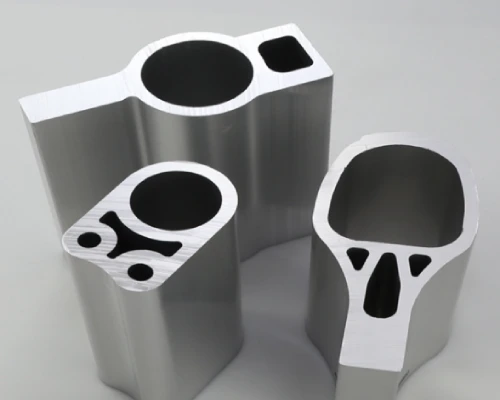
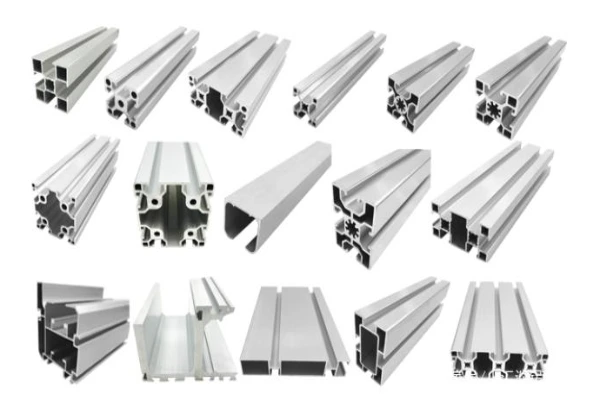
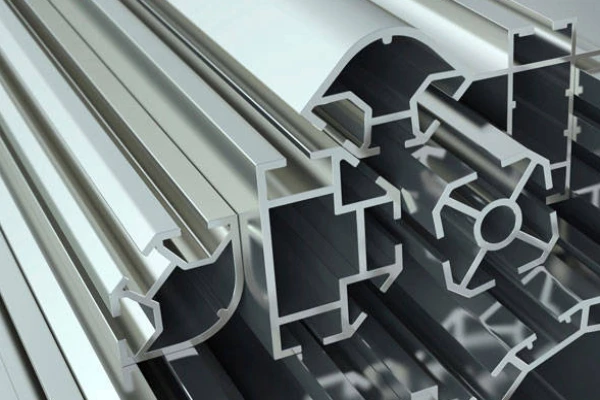
Due to aluminum’s excellent strength-to-weight ratio and design flexibility, aluminum extrusion remains one of the most widely used forming processes in the automotive, aerospace, construction, and thermal management sectors. However, despite decades of development and refinement, extrusion shops continue to encounter recurring quality issues that directly impact dimensional conformity, surface integrity, and downstream machinability. Industry data shows that nearly 30% of extruded parts fail to meet the strict tolerance requirements demanded by high-performance applications; when process control is inadequate, defect-related scrap rates can account for more than 15% of total output. In the production of aluminum extrusion profiles, the three most commonly observed defect categories are: surface cracking and tearing, caused by localized excessive tensile stress and temperature fluctuations exceeding the alloy’s initial melting point; dimensional inconsistencies, including twisting and bending, which are attributed to uneven cooling distribution across the profile cross-section; and insufficient weld bond in hollow profiles produced via die or bridge dies, resulting from inadequate pressure in
3 Common Problems and Solutions in Aluminum Extrusion Read More »