Filter posts by category

Metal Stamping

stainless steel deep drawing stamping

What Is Metal Stamping? Processes and B2B Applications

At its core, metal stamping is more than just a manufacturing method; it is a highly engineered pillar of scalable industrial manufacturing. For B2B procurement professionals, ensuring supply chain resilience requires a deep understanding of this foundational process. By engineering definition, the metal stamping process is a highly controlled cold-forming process. It utilizes specialized die sets driven by high-tonnage mechanical or hydraulic presses to apply extreme compressive and shear forces. This induces precise plastic deformation in sheet metal blanks or coiled stock, transforming flat material into complex net-shape geometries without compromising the material’s structural integrity. When evaluating the production feasibility of high-volume orders, precision metal stamping consistently outperforms alternative methods, such as CNC machining, in terms of cycle time and unit cost reduction. It brings predictability to the supply chain, maintaining strict Cpk (process capability) metrics and micron-level tolerances over millions of cycles. Whether sourcing critical structural components for electric vehicle platforms or manufacturing high-precision shielding parts for the telecommunications […]

What Is Metal Stamping? Processes and B2B Applications Read More »

custom galvanized steel automotive stamping parts manufacturer

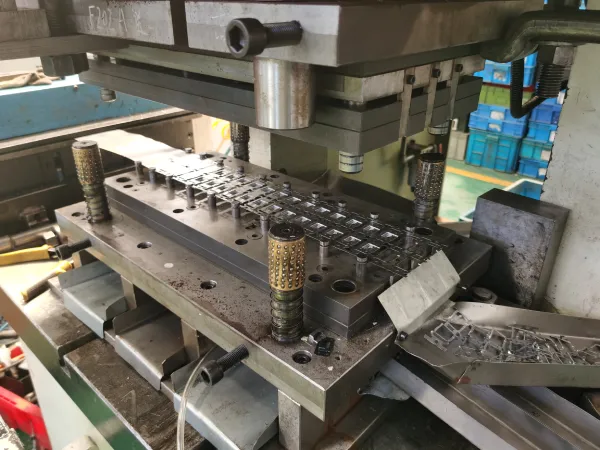
Comparison of Progressive Metal Stamping and Transfer Die Stamping

In high-volume custom sheet metal stamping, the die selection made during the design phase directly determines the final unit cost, production cycle, and structural integrity. Choosing between progressive stamping and transfer die stamping requires a rigorous technical evaluation of geometric dimensions and tolerances (GD&T) requirements, total production volume, and material utilization targets. While progressive die stamping excels at high-speed, continuous production of small parts with tight tolerances, the transfer die stamping process offers unmatched geometric flexibility required for deep-drawn housings and large panels. If the product design does not align with the manufacturing process, it often results in high die amortization costs or unacceptable metal scrap rates. In this article, we will provide a detailed analysis of the mechanical feasibility, cost implications, and design constraints of both progressive die and transfer die stamping, offering you precise technical data to help you make optimized and risk-free procurement decisions. Understanding Progressive Die Stamping The progressive die stamping process processes continuous metal coils

Comparison of Progressive Metal Stamping and Transfer Die Stamping Read More »

precision stamping automotive parts

Metal Stamping Design Guide: Tolerances, Fillets, and Material Selection

Moving metal stamping parts from the CAD screen to full-scale production requires not only a functional design intent but also strict adherence to Design for Manufacturability (DFM) principles. Ignoring the basic rules of metal stamping will directly result in costly die modifications, extended lead times, and higher unit costs. Defects on the shop floor—such as microcracks, severe springback, or excessive die wear—rarely stem from operator error. Instead, these defects are typically “designed” into the part during the drafting phase due to misjudgments regarding material yield strength, tonnage limits, and die clearances. This article bridges the gap between theoretical engineering and shop-floor reality. By mastering key precision metal stamping tolerances, calculating precise bending radii, and making strategic material selections, most production bottlenecks can be eliminated before any die steel is cut. At Supro MFG, we regularly review technical drawings, and it has been proven that optimized custom metal stamping designs ensure lower die investment and enable stable, high-yield production. Critical Metal

Metal Stamping Design Guide: Tolerances, Fillets, and Material Selection Read More »

stainless steel deep drawing parts

Stainless Steel Stamping vs. Casting: Which Is Right for You?

In the field of precision metal forming, stainless steel stamping and casting represent two fundamentally different process logics. Casting begins with the filling of a mold with molten metal, while stamping achieves geometric shaping through the controlled deformation of solid material—a difference that directly determines the upper limits of a part’s mechanical properties, dimensional stability, and surface integrity. When it comes to 304 or 316 stainless steel stamping, the choice of process requires even greater care. As an experienced metal fabrication manufacturer, Supro’s engineering expertise indicates that when production volumes reach medium to high batches, tolerances are stringent, and the material must retain its original corrosion resistance, stainless steel metal stamping outperforms casting in both cost structure and quality consistency. This article will provide procurement and engineering teams with quantifiable decision-making criteria from three perspectives—process principles, technical constraints, and application suitability—to help you accurately identify the value boundaries of stainless steel stamping services in your projects. Understanding Stainless Steel Stamping

Stainless Steel Stamping vs. Casting: Which Is Right for You? Read More »

Progressive Die Metal Stamping

7 Key Advantages of Progressive Die Metal Stamping

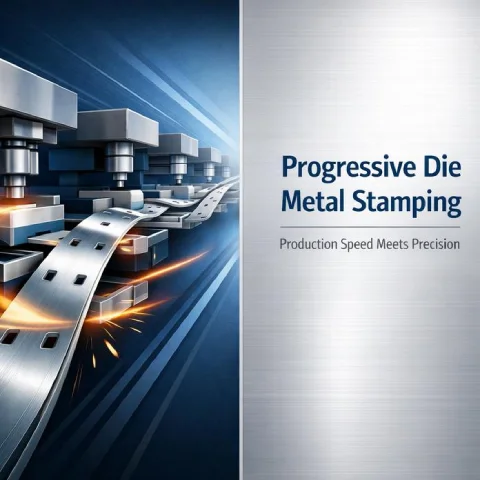
Progressive Die Metal Stamping is the critical differentiator between humming production lines and costly bottlenecks. In high-volume manufacturing, misfeeds and warped brackets erode margins. This process shapes metal in one continuous, automated sequence, eliminating clunky stop-and-go steps. When deadlines loom, you need components produced rapidly, dead-accurate, and highly budget-friendly. Why Choose Progressive Die For Volume Runs? For high-volume metal parts, Progressive Die Metal Stamping guarantees steady flow, tight tolerances, and strict material control. By seamlessly integrating the progressive feed, die architecture, and stamping mechanics, manufacturers achieve highly efficient, cost-smart production. Maximizing Throughput with Continuous Feed Lines High-volume output in Progressive Die Metal Stamping relies on optimal material flow, often exceeding 1,000 strokes per minute (SPM) for smaller components. Feed System Efficiency Continuous coil loading supports uninterrupted continuous feed Servo-driven rolls improve automation and indexing accuracy to within 0.0005 inches Stable indexing boosts overall throughput Press Line Configuration High-tonnage presses sustain rapid cycling Multi-station tooling enables parallel forming Integrated scrap removal

7 Key Advantages of Progressive Die Metal Stamping Read More »

stainless steel precision stamping

Stainless Steel Stamping: Definition and Applications

Stainless steel stamping is a precision manufacturing process that transforms materials such as 304 and 316L into high-strength, corrosion-resistant components through controlled deformation. Unlike conventional machining, this process requires strict attention to work hardening rates, die clearances, and dimensional stability during mass production. Key parameters such as grain structure consistency and thickness tolerances (typically controlled within ±0.05 mm) directly impact the performance of custom stainless steel stampings in applications such as automotive safety systems and medical device housings. When evaluating stainless steel stamping services, the key lies in process validation—particularly the ability to maintain statistical process control (SPC) during progressive die stamping. When producing custom stainless steel stampings, material certification compliant with the ASTM A240 standard and real-time optical measurement verification are essential prerequisites for ensuring the repeatability of critical components. This article provides a detailed analysis of stainless steel metal stamping and its common application areas to help you select the appropriate manufacturing processes and materials for your next

Stainless Steel Stamping: Definition and Applications Read More »

deep draw stamping process

How does deep draw stamping compare to stamping?

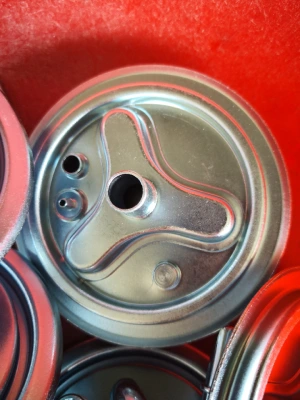
Selecting the optimal metal forming process is a critical decision that directly impacts part structural integrity, production scalability, and final cost. For procurement specialists, understanding the distinction between deep draw stamping and standard stamping is not merely theoretical knowledge—it is key to project success. Standard stamping excels at cutting, bending, and forming flat or contour geometries, while deep draw stamping is a specialized process that mechanically draws metal blanks into forming dies to create seamless hollow components with depths exceeding their diameters. This technical distinction makes deep drawing stamping services the preferred solution for manufacturing complex enclosures, pressure vessels, and automotive structural components demanding exceptional strength and uniform wall thickness. When evaluating deep draw metal stamping versus standard stamping, considerations extend beyond forming capability to include tooling strategy, material flow characteristics, and long-term production stability. Deep drawn stamping parts achieve progressive metal deformation through fillet dies, preserving grain structure while eliminating costly secondary welding. Conversely, standard stamping dies typically employ

How does deep draw stamping compare to stamping? Read More »

brass metal stamping

Brass Stamping Process: How to Address Cracking Issues?

In precision manufacturing, brass stampings have become the material of choice for critical components ranging from automotive terminals to electronic connectors due to their exceptional electrical conductivity, corrosion resistance, and ductility. However, brass’s superior ductility also presents a significant engineering challenge: cracking. According to brass stampings failure analysis records, cracking is a symptom of multiple interacting variables—from material temper conditions and die design to residual stress states. As an ISO 9001:2015 certified brass stampings manufacturer, Supro MFG’s brass stamping services extend beyond blanking and forming. We deliver comprehensive engineering management spanning DFM (Design for Manufacturing) analysis, AI-assisted process control, and end-to-end delivery. This ensures every batch of brass stampings maintains structural integrity in demanding applications. This article dissects the critical variables in the brass stamping process, elucidating how to precisely formulate technical specifications to effectively prevent cracking before it occurs. Key Characteristics Of Brass Stamping Processes Brass stamping sounds simple—press metal, get parts—but real-world brass stamping is a mix of

Brass Stamping Process: How to Address Cracking Issues? Read More »

copper deep drawing parts

Analysis of C10100 Pure Copper Stamping Process

In the power electronics and new energy vehicle connector sectors, C10100 pure copper emerges as the preferred material for busbars, terminals, and shielding components due to its conductivity approaching 100% IACS. However, stamping high-purity copper is far from simple compression forming—every variable, from the metallurgical state of copper stamping blanks to die geometry angles, impacts part lifespan at the microscopic level. As a specialized copper stamping manufacturer, Supro MFG understands that reliable copper stamping parts stem from precise calculations of material flow and springback compensation. Our engineering team applies DFM principles to every project, preventing springback and tearing by optimizing die geometry and blank clamping force. Combining technical expertise with in-house tooling capabilities, we deliver copper stamping services from prototyping to high-volume production—ensuring your critical components meet certified material properties and dimensional stability. This article delves into the stamping process for C10100 pure copper sheet, revealing how finite element analysis optimizes stress distribution to establish a quantifiable, repeatable control framework

Analysis of C10100 Pure Copper Stamping Process Read More »

sheet metal stamping

Cracking in DP600 Steel Sheet Stamping: Process Optimization Solutions

In the steel sheet stamping industry, cracking in DP600 high-strength steel remains a critical quality concern for engineers. Our previous article, “Analysis of Cracking Causes in DP600 Steel Sheet Stamping,” identified that over 72% of cracks originate from edge defects and material properties. This article takes a practical approach to explore how process optimization during steel stamping can mitigate these failure risks. As a professional steel sheet stamping manufacturer, Supro’s production-line data indicates that over 60% of stamping cracks can be effectively prevented by adjusting stamping speed, optimizing lubrication strategies, and precisely controlling the feeding system. This paper systematically addresses the three most common cracking points, presenting a comprehensive solution—from optimizing servo press cycle times to implementing in-line vision inspection—to help you understand critical process control parameters. Whether you are evaluating the quality systems of steel sheet stamping services or seeking deeper insights into the forming limits of DP600 steel, this document provides verifiable technical references. 3 Common Cracking Points

Cracking in DP600 Steel Sheet Stamping: Process Optimization Solutions Read More »

steel sheet stamping

Analysis of Cracking Causes in DP600 Steel Sheet Stamping

In steel sheet stamping production practice, cracking issues in DP600 high-strength steel represent a critical pain point affecting yield rates and delivery cycles. As a specialized steel sheet stamping manufacturer, Supro has identified through extensive failure analysis that over 72% of cracks do not occur randomly. Instead, they concentrate along trim edges and are closely linked to the selection of stamping process paths. The unique ferrite-martensite dual-phase microstructure of DP600 causes extremely rapid work hardening during stamping. Once material flow exceeds the forming limit curve (FLC), microcracks propagate rapidly. This article delves into the root causes of cracking—from edge quality to die condition—by integrating metallurgical principles with production data from real steel stamping scenarios. We provide verifiable technical insights. As your steel sheet stamping manufacturer, we are committed to helping you understand failure mechanisms through transparent process data, enabling upstream optimization of supply chain quality control. Why Do DP600 Sheets Crack During Stamping? In precision steel sheet stamping, DP600 cracking

Analysis of Cracking Causes in DP600 Steel Sheet Stamping Read More »

custom aluminum alloy stamping parts

Aluminum Stamping: Quality Control, Equipment, and High-Volume Production Management

Driven by automotive lightweighting and the new energy industry, the aluminum stamping process has evolved from a supporting technique to a critical manufacturing step. For high-difficulty aluminum stamping parts, such as complex battery housings, success hinges on a deep understanding of the microstructure and mechanical properties of aluminum stamping blanks (e.g., 5000 and 6000 series aluminum alloys). This necessitates moving beyond traditional steel stamping paradigms to precisely control springback compensation, die clearance, and lubrication strategies throughout the aluminum stamping process. As a specialized aluminum stamping manufacturer, Supro MFG employs advanced forming simulation analysis (e.g., AutoForm) alongside ISO 9001 and IATF 16949 quality systems. This ensures full traceability and dimensional consistency throughout the entire process—from material sourcing to mass production. This article delves into how precision equipment selection, process quality control, and automated production management deliver truly low-cost, high-efficiency, and high-precision aluminum stamping solutions—empowering your projects to stand out in competitive markets. Quick Answers: The Harmony of Aluminum Stamping Core Role:

Aluminum Stamping: Quality Control, Equipment, and High-Volume Production Management Read More »

aluminum stamping

Aluminum Stamping: 5 Key Steps to Success

In today’s manufacturing landscape driven by lightweighting and cost efficiency, aluminum stamping has evolved from an optional process to a strategic core. For professional procurement personnel, understanding the precision of the aluminum stamping process directly impacts project success. The unique challenges of the aluminum stamping process lie in the behavior of aluminum alloys—particularly Series 5 and Series 6—which exhibit excellent ductility but unpredictable springback rates and extreme sensitivity to scratches. This demands that suppliers not only handle aluminum stamping blanks but also possess deep expertise in materials science and die metallurgy. As a specialized aluminum stamping manufacturer, Supro understands that success hinges on precisely matching material properties with die design, stamping tonnage, and equipment rigidity. By optimizing die clearance and lubrication strategies within the aluminum stamping process, we consistently maintain dimensional tolerances within ±0.05mm while preventing micro-cracks. This forms the foundation of our reliable aluminum stamping services for global clients, ensuring every aluminum stamping part achieves significant weight reduction while

Aluminum Stamping: 5 Key Steps to Success Read More »

aluminum sheet metal bending metal corner bracket parts

Custom Metal Corner Brackets: Definition, Advantages, and Applications

Custom metal corner brackets play a crucial role in ensuring structural stability and safety across various applications, including home furnishings, industrial equipment, medical devices, and construction projects. But do you truly understand this common hardware structural element? What exactly is it, and what are its advantages and disadvantages? This article will analyze metal corner brackets, covering their fundamental definition, pros and cons, application scenarios, and common issues to help you recognize and appropriately utilize them. What is a custom Metal Corner Bracket? A metal corner bracket is a structural connector made of metal, typically shaped like a right-angled L. Its core function is to reinforce, support, or connect two components that are perpendicular or at an angle to each other, ensuring structural stability, strength, and load-bearing capacity. Characteristics of Metal Corner Brackets Shape: Most commonly 90 degrees, though other angles (e.g., 45 degrees, 135 degrees) or adjustable designs exist. Metal corner brackets typically feature one or more triangular reinforcing ribs,

Custom Metal Corner Brackets: Definition, Advantages, and Applications Read More »

custom aluminum stamping parts

The Ultimate Guide to Sheet Metal Stamping

As one of the core processes in metal fabrication, sheet metal stamping has become a vital technological pillar for industries such as electronic casings, automotive manufacturing, aerospace, and medical devices due to its high efficiency, superior quality, and precision. This article will explore the fundamental knowledge of sheet metal stamping, beginning with its basic definition, followed by an in-depth analysis of its technical advantages. It will systematically outline common sheet metal stamping methods and conclude with examples of its application scenarios. What is Sheet Metal Stamping? Sheet metal stamping is a cold forming manufacturing process that uses specialized dies and stamping equipment to apply pressure to metal sheets. This induces plastic deformation or separation, producing parts with specific shapes and dimensions. This process typically involves three core elements: Raw Materials: Metal coils or sheets, such as steel, aluminum, copper, stainless steel, etc. Sheet metal stamping dies: Typically consisting of a punch and a die, their cavities directly determine the final

The Ultimate Guide to Sheet Metal Stamping Read More »

Scroll to Top