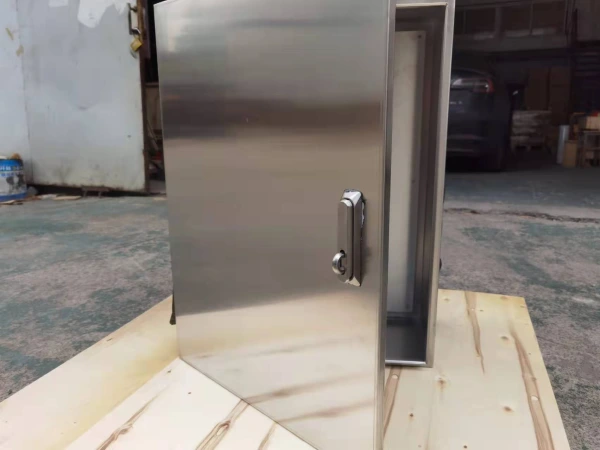

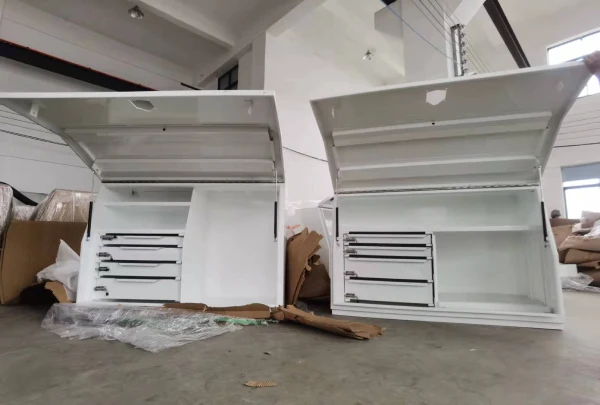
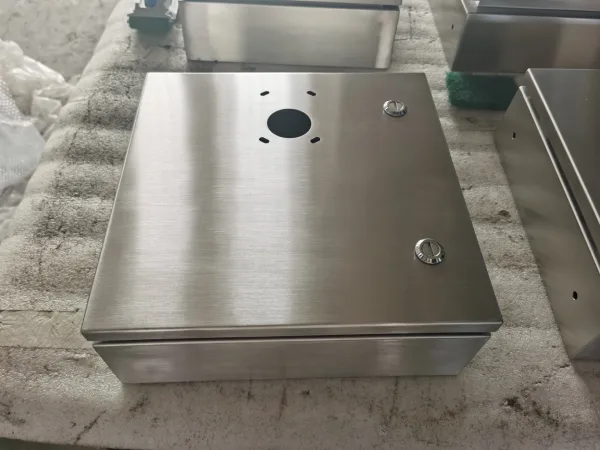
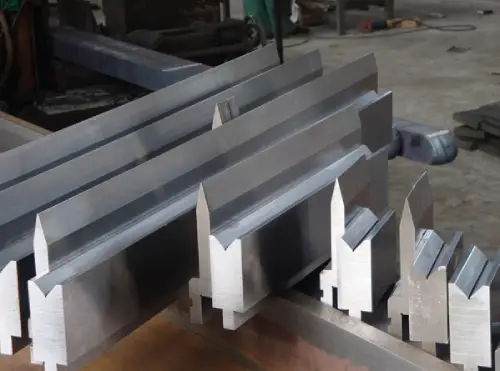
Outdoor electric vehicle charging infrastructure faces a range of unique engineering challenges. Among the most commonly overlooked—yet critically important to operations—are water accumulation on the tops of EV charging station housings and screen glare caused by embedded human-machine interfaces (HMIs). These issues are not merely cosmetic; they directly impact equipment lifespan, user experience, and compliance.
Water accumulation on the flat roof surfaces of custom EV charging station housings accelerates electrochemical corrosion at fastening points, exacerbates coating degradation, and increases the risk of moisture infiltration through seams and gaskets. In climates with freeze-thaw cycles, frozen water expands, potentially causing panels to warp and compromising seal integrity. At the same time, HMI screens installed flush with the cabinet’s exterior surface are unable to withstand direct sunlight, rendering the display unreadable under strong ambient light conditions, while rainwater flows directly over the touchscreen surface.
The root cause of these failures lies in the failure to consider outdoor ergonomics during the sheet metal design phase. The solution lies not only in using higher-quality materials but also in carefully designing the geometry of the EV charging station housing: a sloped roof to ensure effective drainage, recessed bezels to channel water flow, and an integrated sun visor to reduce glare.
Defect Analysis—Water Accumulation and Screen Glare in EV Charging Station Housings
Water accumulation on flat roofs and glare from recessed HMI lighting are the most common ergonomic defects in EV charging station housings. These defects accelerate electrochemical corrosion and impair display readability under strong ambient light conditions.
Water Accumulation—Consequences of Flat Roof Geometry
The flat-roof geometry of outdoor EV charging station housings has fundamental drainage flaws. Water accumulation on flat surfaces accelerates electrochemical corrosion at fastener interfaces—particularly when dissimilar metals come into contact in humid environments—and causes coating delamination due to prolonged exposure to hydrolysis.
In freeze-thaw environments, trapped water expands as it freezes, causing the EV charging station housing panels to warp and compromising the integrity of the joint seals.
Significant moisture ingress is primarily caused by gravity: as precipitation accumulates, hydrostatic pressure forces water into the seams. While NEMA 3R provides basic rain protection and NEMA 4X adds corrosion resistance for coastal installations, neither protection rating can compensate for the lack of roof slope.
The solution requires an active drainage geometry—a roof slope of 5° to 15°—manufactured using precision bending techniques to divert rainwater away from the human-machine interface (HMI) and ventilation louvers.
Screen Glare—When the Embedded Design Fails
The embedded HMI screen within the outdoor EV charging station housing offers no optical protection against direct sunlight, rendering the display unreadable under strong ambient light conditions.
Surface reflections at the junction between the screen and the bezel create occluding glare, reducing visual contrast; meanwhile, as rainwater flows over the embedded screen, visibility is further diminished due to light scattering and the refraction of water droplets.
Industry standards specify that outdoor displays must have a brightness of ≥1,000 nits, while installations directly exposed to sunlight require ≥1,500 nits—but brightness alone cannot overcome the optical interference caused by uncontrolled ambient light. The root cause lies in the geometric structure of the EV charging station housing: the embedded screen lacks the shadow line and physical water barrier provided by a recessed bezel.
Recessing the display 10–20 millimeters relative to the surrounding surface creates a natural shadow line that both reduces ambient glare and directs rainwater around the touchscreen surface rather than across it.
This optical intervention complements the display’s brightness specifications, addressing the glare issue at its source rather than relying solely on electronic compensation.
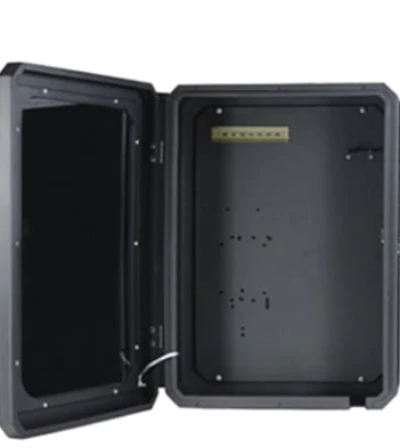
Solutions for Water Accumulation and Screen Glare in EV Charging Station Enclosures
To effectively mitigate water accumulation and screen glare in outdoor EV charging station enclosures, three geometric design measures are required: a sloped roof for drainage, a recessed frame for water diversion, and a visor for optical shading.
Sloped Roof Design
A sloped roof serves as the primary drainage mechanism for custom EV charging station housings, effectively preventing water accumulation on flat roofs. A slope of at least 5° ensures smooth rainwater runoff, while a slope of 10° to 15° is recommended in snowy regions to prevent ice buildup and blockages.
The slope must direct rainwater away from the human-machine interface (HMI) and ventilation louvers—a detail often overlooked in generic EV charging station housing designs.
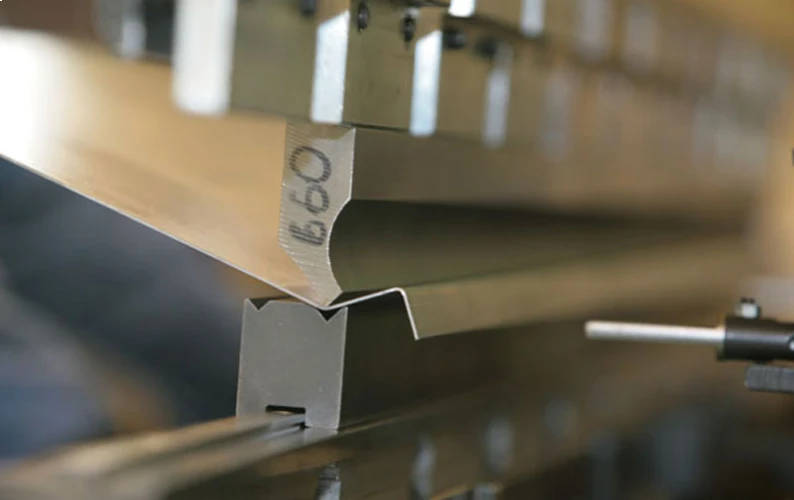
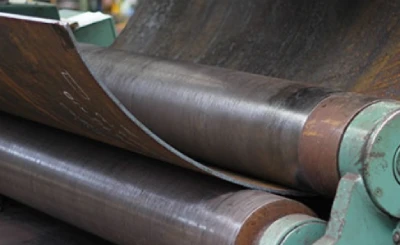
From a manufacturing perspective, the slope can be achieved through precision bending of the top panel or by using tapered internal bracing; each method affects material utilization and welding sequences. An integrated drip edge around the perimeter of the roof prevents rainwater from running down the front, thereby reducing the risk of water seepage at the door seals.
This geometric design intervention is far more cost-effective than adding drainage holes or relying solely on sealants, as both of these methods introduce secondary failure points. A properly sloped roof also simplifies the painting process by preventing issues caused by paint accumulation in low-lying areas during application.
Recessed Frame Design—Protecting the Human-Machine Interface from Direct Water Impact
Recessing the HMI screen relative to the surrounding housing surface creates a physical barrier that directs rainwater around the display surface rather than across it.
Typically, a recess depth of 10–20 millimeters is sufficient to block water flow while ensuring comfortable touch operation. This recessed structure also creates a natural shadow line, thereby reducing glare caused by ambient light—a dual advantage that flush mounting cannot achieve.
Manufacturing the recessed bezel requires precise bending and welding processes to ensure dimensional accuracy, as any deviation will affect the flatness of the sealing surface and the visual alignment expected by end users. Furthermore, the recessed structure creates a protected groove that mitigates the impact of wind and rain on the screen.
For outdoor EV charging station housings, this design feature mechanically resolves display visibility issues related to rain and complements software-based brightness adjustment functions.
Sunshades and Light-Blocking Panels
An extended sunshade or light-blocking panel above the display can provide additional shade specifically for low-angle sunlight—the most significant challenge to the readability of the human-machine interface (HMI) in outdoor EV charging station housings.
This sunshade can be integrated as a molded extension of the top panel or installed as a separate component via welding or fasteners, allowing for flexibility in material selection: aluminum offers both lightweight construction and corrosion resistance, while steel provides greater rigidity and is suitable for longer cantilevered structures.
An effective sunshade design must prevent common issues such as water accumulation or debris buildup, which requires the addition of drainage channels or a slight downward slope.
The sunshade should extend far enough to block sunlight from the screen during the most challenging periods—early morning and late afternoon—without interfering with user operations.
When used in conjunction with an embedded frame, the sunshade provides two levels of optical protection, significantly reducing the need for ultra-high-brightness displays.
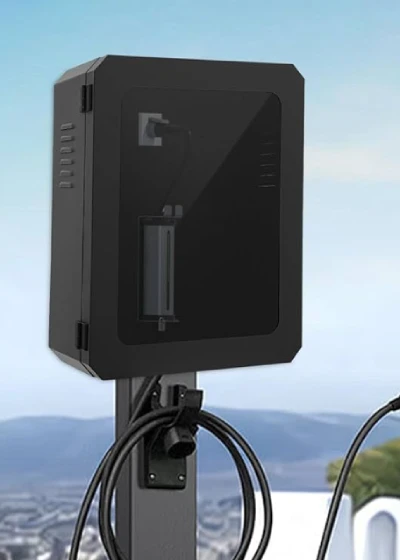
Material and Coating Considerations for Weather-Resistant EV Charging Station Housings
Material selection and coating systems are critical to the long-term durability of any EV charging station housing. Galvanized annealed steel offers an excellent balance of cost-effectiveness and sacrificial corrosion protection, while stainless steel (304 or 316) provides superior corrosion resistance in coastal or industrial environments. Aluminum alloys offer a lightweight, corrosion-resistant solution, but special attention must be paid to their electrochemical compatibility with fasteners.
In terms of coatings, powder coating remains the industry standard for outdoor EV charging station housings, offering advantages such as UV resistance, impact toughness, and coating uniformity. Supro recommends using a zinc-rich primer on cut edges and drilled holes, which are the areas most susceptible to corrosion. Coating thickness should comply with ASTM D823 or similar standards, typically ranging from 60 to 100 µm for outdoor exposure. The selection of these materials and coatings directly impacts the service life of the final assembled product and warranty costs.
Only 4 steps
online custom metal fabrication parts
Contact our experts team and experience the efficiency and economic benefits of digital metal fabrication services.
Upload Design Files
STL , STEP (.stp), IGES (.igs), (.ZIP), or PDF.
Also be a sample or an idea
Quote & Design Analysis
Instant factory quotes and DfM reports, the most reasonable solution.
Manufacturing Begins
Digital processes can initiate order tasks within 24 hours.
On-Time Delivery
Keeping delivery promises, approved by 3000+ Global Company buyers.
Best Practices for Manufacturing Outdoor EV Charging Station Housings
To translate geometric designs into actual performance, manufacturing specifications must be strictly adhered to: maintaining consistent bend radii, continuous seam welding, and controlled gasket compression, thereby ensuring that every custom EV charging station housing meets the specified NEMA protection rating.
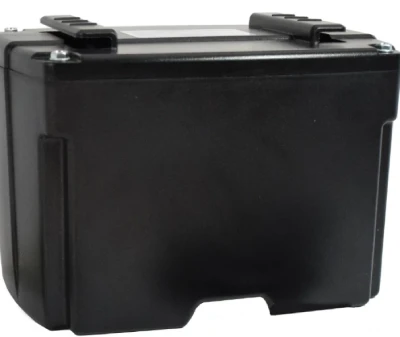
Precision Bending and Welding to Achieve a Waterproof Structure
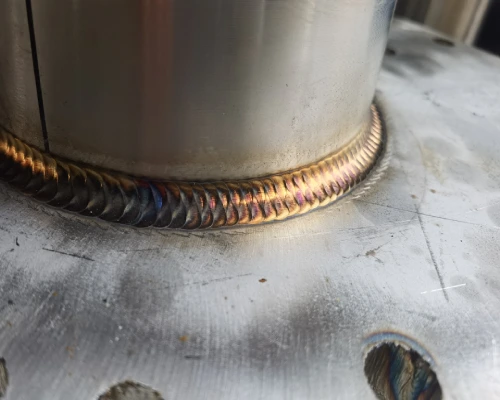
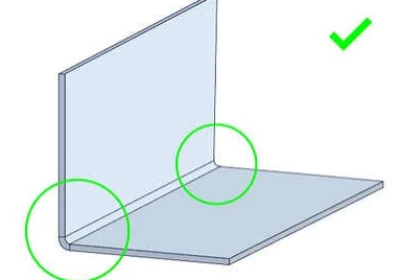
The design of a watertight structure begins with controlled bend radii and continuous seam welding. Inconsistent bend radii can cause stress concentrations and microscopic gaps at corners, allowing water to seep in through capillary action.
Continuous seam welding must be used for all joints between the roof and walls, as well as between panels, in custom EV charging station housings, as any discontinuity could become a pathway for water ingress.
Post-welding grinding and surface treatment ensure uniform coating adhesion in the welded areas and eliminate porosity that could compromise the NEMA 4 or 4X protection rating. Dimensional inspection of bent components verifies, prior to assembly, that the roof slope and the geometry of the recessed frames comply with the design specifications for outdoor EV charging station housings.
Integration of Gaskets and Seals
The selection of gaskets and compression control determine the ingress protection performance of the EV charging station housing. All removable panels and access doors are required to use closed-cell neoprene or silicone gaskets, with silicone offering superior UV resistance and high-temperature resistance in outdoor environments. Field-foamed sealing strips provide a seamless seal, preventing leaks at joints under hydrostatic pressure.
The degree of compression must be controlled through precise fastener torque specifications—over-compression can cause the seal to be extruded, while under-compression leaves gaps. Drainage channels integrated into the sealing grooves allow any accidentally infiltrated moisture to drain away rather than accumulate at the seal.
Quality Assurance and Testing Procedures for EV Charging Station Housings
The validation of each outdoor EV charging station housing must follow a structured testing protocol compliant with relevant standards. Water ingress tests conducted in accordance with UL 2594 and NEMA 250 standards confirm that the housing meets the specified 3R, 4, or 4X rating requirements. Water jet and splash tests simulate actual rainfall and washing conditions.
Salt spray testing conducted in accordance with the ASTM B117 standard verifies coating integrity—with test durations exceeding 500 hours under moderate environmental conditions and exceeding 1,000 hours for coastal installations.
Dimensional inspections ensure that the roof slope and gutter depth meet design specifications, while gasket compression measurements verify sealing performance. As an experienced EV charging station housing manufacturer, Supro provides written test reports as part of our product quality deliverables.
Conclusion
The geometric structure of an EV charging station housing directly determines its on-site performance. A sloped roof eliminates water accumulation and the resulting corrosion pathways. A recessed bezel protects the human-machine interface (HMI) screen from water flow and direct sunlight, ensuring that the display remains clearly legible without relying solely on high-brightness electronic components. A sun visor further reduces glare from low-angle sunlight, complementing the optical protection system.
These design measures are not optional enhancements but rather essential design requirements for any outdoor EV charging station housing intended to meet NEMA 4X and UL 2594 standards while delivering a reliable user experience.
Supro is a professional custom EV charging station housing manufacturer. Leveraging advanced equipment, extensive manufacturing experience, and a dedicated engineering team, we provide perfect custom EV charging station housing solutions to over 3,000 companies worldwide, along with genuine manufacturer quotes.
We deliver a wide range of products efficiently and on time. From product design and rapid sheet metal prototype fabrication to mass production, we provide professional technical support and exceptional quality. We offer one-stop manufacturing solutions and highly cost-competitive product supply!
For technical specifications or inquiries regarding OEM partnerships, please contact our engineering team.