Filter posts by category

Materials

high-speed steel (HSS)

High-Speed Steel: Composition, Grades, and Uses

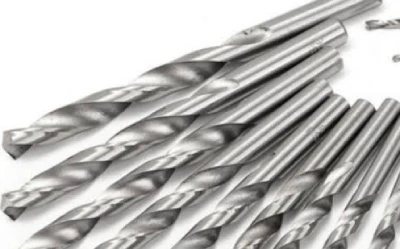
For any precision sheet metal fabrication shop, the choice of die material directly determines part quality, production efficiency, and die service life. Among the various types of die steel, high-speed steel (HSS) remains the benchmark for high-temperature and continuous wear-resistant applications. Unlike traditional cold-work steels, high-speed steel retains its hardness at temperatures as high as 600°C—a property known as “red hardness”—making it indispensable for stamping, blanking, and forming operations. When manufacturing high-speed steel sheet metal parts, the choice of steel grade determines the cutting edge’s retention capability and the stability of machining cycles. For example, M42 high-speed steel offers exceptional thermal hardness (HRC 67–70), making it suitable for machining stainless steel and high-strength alloys; whereas M2 high-speed steel combines toughness and wear resistance, making it ideal for general-purpose stamping dies. Supro’s production experience shows that selecting the correct high-speed steel grade matched to the workpiece material can reduce downtime by 30–50% compared to standard tool steels. The following sections provide […]

High-Speed Steel: Composition, Grades, and Uses Read More »

precision zinc die casting Light fixture reflector

Zinc Alloys: Applications and Processing

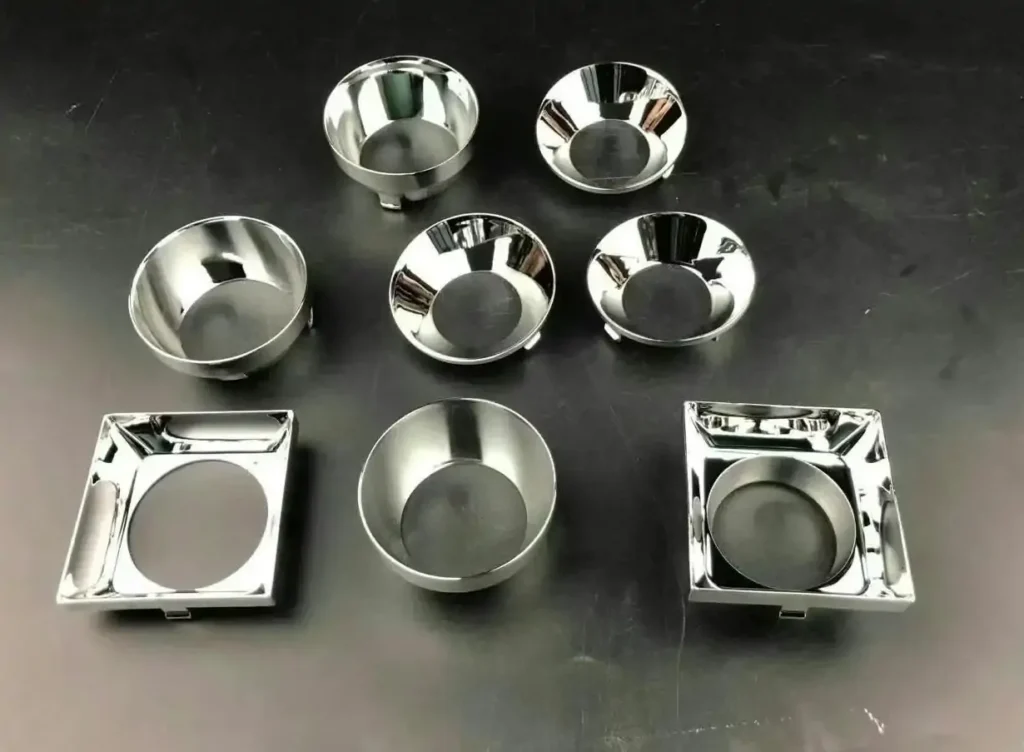
In the field of precision sheet metal fabrication, material selection determines production reliability and impacts total cost of ownership, and zinc alloys offer unique value between standard aluminum and engineering plastics. Unlike standard metal sheets, zinc alloy sheet metal fabrication enables the production of highly complex structures with near-net-shape forming and exceptional dimensional stability—thereby directly reducing the need for secondary processing. As a professional zinc alloy sheet metal fabrication manufacturer, Supro MFG’s experience demonstrates that proper die design and alloy selection (Zamak 3 for ductility, ZA-27 for strength) directly impact part lifespan. We frequently provide custom zinc alloy sheet metal fabrication services to clients in the automotive and electronics industries, meeting their requirements for sub-millimeter tolerances in thin-walled enclosures. This guide provides a detailed exploration of zinc alloys, covering their metallurgical properties, common grades, processing methods, and practical applications in industrial OEM production. Definition of Zinc Alloys—Composition and Key Properties Zinc alloys are metallic compounds with zinc as the primary

Zinc Alloys: Applications and Processing Read More »

custom brass fabrication anti-oxidation passivation services

Does Brass Rust?Analysis of Its Rust Resistance

In the field of precision sheet metal fabrication, brass is one of the most versatile materials, highly regarded for its excellent machinability, acoustic properties, and distinctive golden luster. However, a question frequently arises in engineering discussions: “Does brass rust?” The answer to this question influences alloy selection, the development of surface treatment strategies, and the long-term reliability of countless custom components, ranging from marine hardware to electrical connectors. Since this material contains no iron, it does not form true rust (iron oxide). However, when procurement professionals ask, “Does brass rust?”, they are typically concerned with discoloration, oxidation, or dezincification—phenomena that can resemble corrosion-related failure modes. As a professional brass sheet metal fabrication manufacturer, Supro MFG emphasizes that while the term “rust on brass” is not technically accurate, environmental factors—such as chlorides, ammonia, or standing water—can indeed degrade its performance. You may observe a “rust-like” appearance on the material’s surface due to naturally formed patina, but the actual material loss and

Does Brass Rust?Analysis of Its Rust Resistance Read More »

stainless steel pipe fabrication process

Steel Melting Point: A Comprehensive Guide

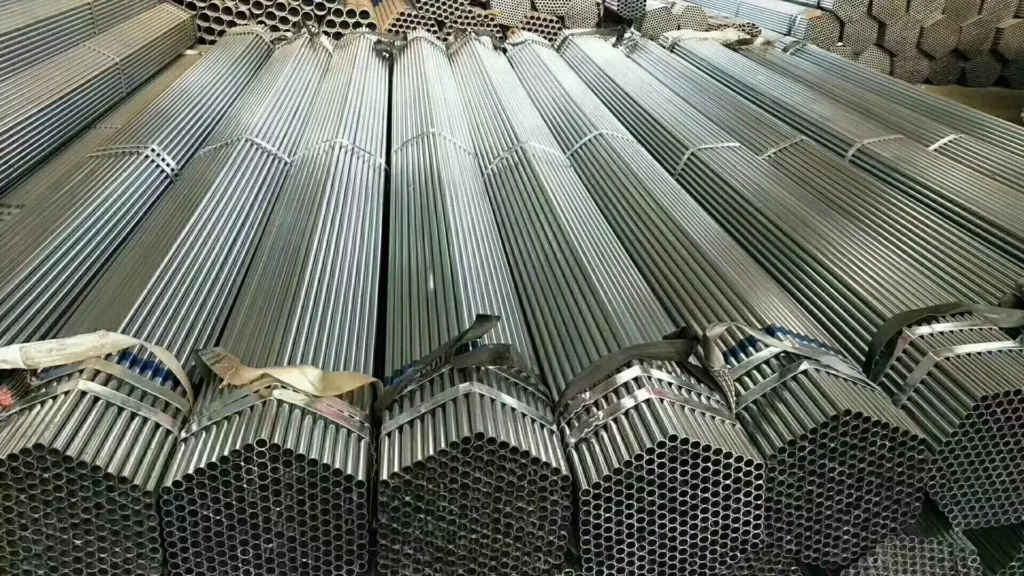
In the field of precision sheet metal fabrication, the melting point of steel directly determines the process window for laser cutting, welding, and heat treatment. Unlike pure metals, steel has a melting point range—from the solidus to the liquidus—which is primarily determined by carbon and alloying elements. Understanding the melting point of steel is not merely a theoretical issue; it affects thermal deformation, joint integrity, and tool life. For example, the melting point of stainless steel (typically 1375–1450°C for Grade 304) is lower than that of low-carbon steel, which is a critical factor when welding dissimilar materials. In custom steel sheet metal fabrication, it is essential to verify that heat treatment parameters align with the melting point of the specified steel grade. This guide provides a comprehensive analysis of the melting points of various alloy steels, the metallurgical principles governing phase transformations, and their practical applications in industrial manufacturing. What determines the melting point of steel? Unlike pure metallic elements,

Steel Melting Point: A Comprehensive Guide Read More »

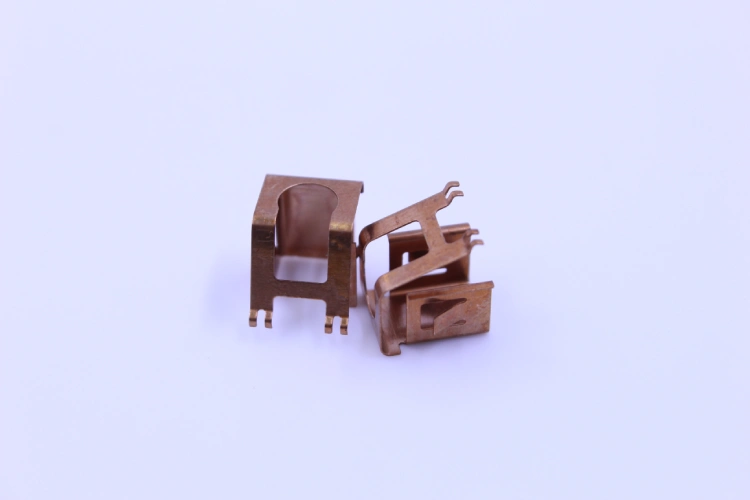
precision copper stamping Electrical Terminals connector parts

Properties, Uses, and Advantages of Copper Sheet

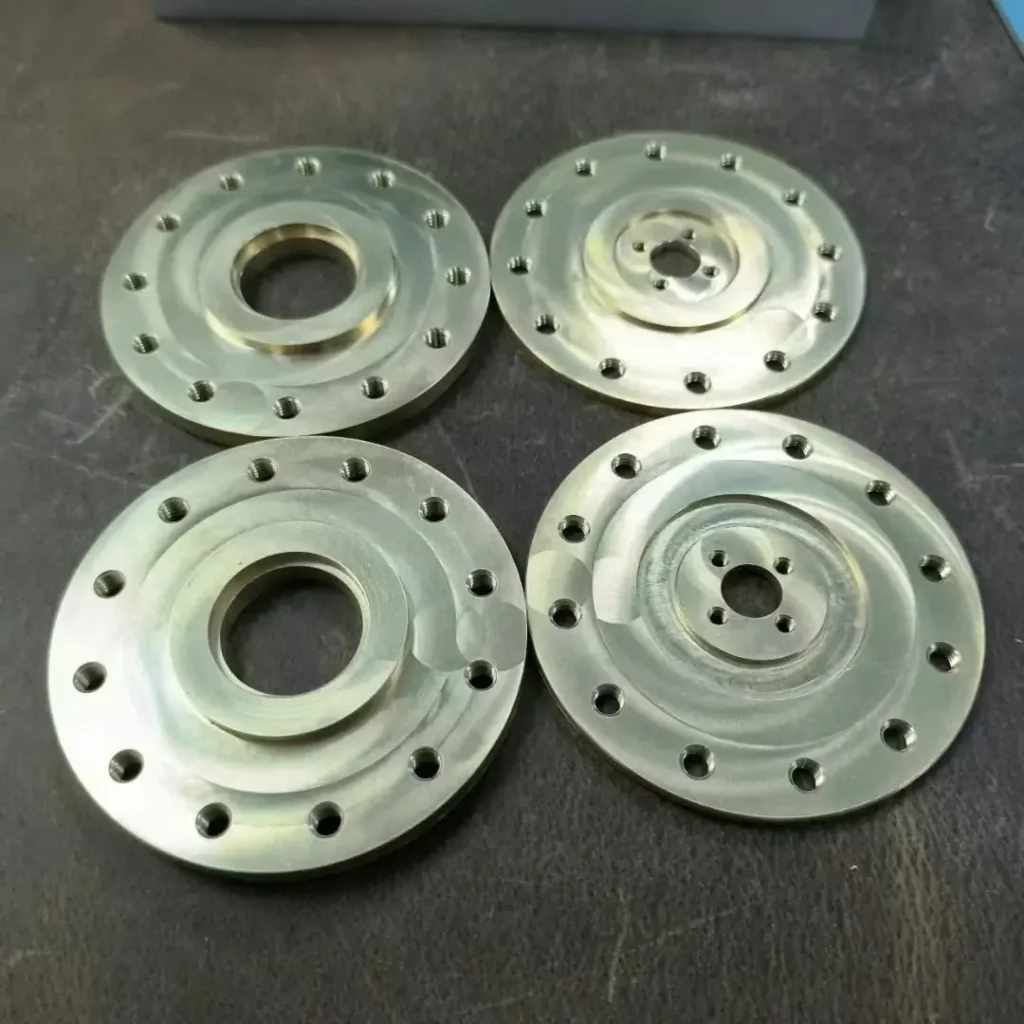
From the perspective of copper sheet metal fabrication, copper is far more than just a decorative red metal. With an electrical conductivity of up to 101% IACS and a thermal conductivity of approximately 400 W·m⁻¹·K⁻¹, its performance characteristics directly impact the reliability of components. For professionals sourcing precision copper sheet metal parts, understanding copper’s FCC crystal structure helps explain its exceptional ductility and formability—enabling tight-radius bends, deep drawing, and clean, crack-free shearing. Unlike aluminum or steel, copper forms a self-protective patina layer, eliminating many corrosion issues that might arise after fabrication in outdoor or marine environments. As a professional copper sheet metal fabrication manufacturer, Supro frequently leverages copper’s ductility to achieve tolerances of ±0.1mm on custom enclosures and bus ducts. Additionally, the material’s inherent antimicrobial properties add value to enclosures for medical or food-grade equipment. When evaluating custom metal fabrication manufacturers, note that pure copper (C11000) offers the highest electrical conductivity, while alloys such as C19400 strike a balance between

Properties, Uses, and Advantages of Copper Sheet Read More »

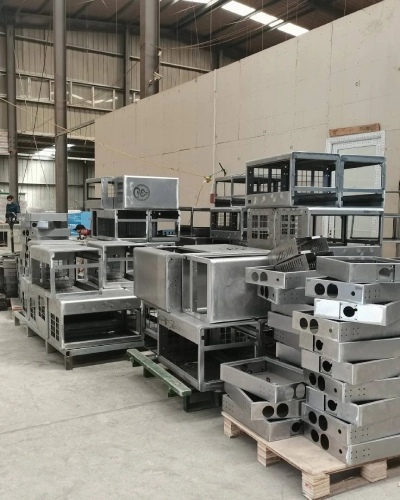
custom metal enclosures services

Galvanized Steel Enclosures vs. Stainless Steel Enclosures

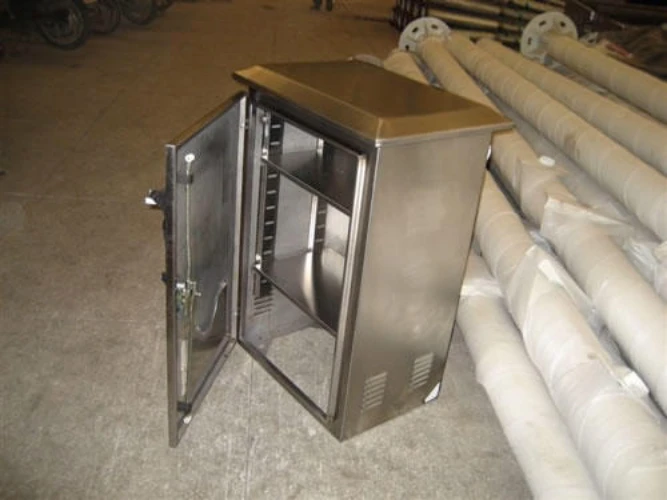
In scenarios such as industrial equipment protection, electrical system installation and outdoor facility construction, steel enclosure, with its outstanding structural strength and protective performance, becomes a key protective barrier to ensure the safe and stable operation of the internal components of the equipment. It can withstand dust, moisture, corrosive chemicals and other external factors. However, steel enclosure is not a single type, in which stainless steel enclosure and galvanized steel enclosure are the two most widely used steel enclosures, and there are significant differences in their performance characteristics and application scenarios. The article will discuss the basics of steel enclosure in detail, and focus on stainless steel enclosure and galvanized steel enclosure, at the same time, the two will be compared in multiple dimensions, to make clear their main differences, to help you choose the right steel enclosure. what is steel enclosure A Steel Enclosure is a protective device made of steel whose core function is to provide robust physical

Galvanized Steel Enclosures vs. Stainless Steel Enclosures Read More »

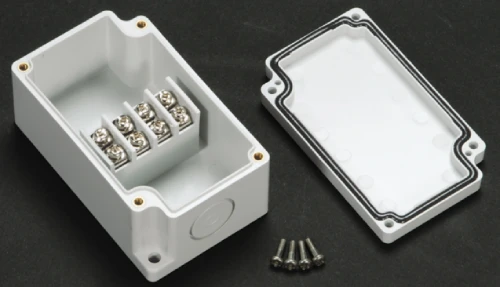
terminal box

Advantages and Disadvantages of Polycarbonate Boxes

In industrial manufacturing, consumer electronics, medical devices and other fields, the choice of materials often determines the performance and service life of products. Polycarbonate boxes are one of the most common and widely used engineering plastic products, and are popular in many industries due to their unique properties and advantages. polycarbonate plastic boxes are not only simple containers, but also an important solution for protecting the precision components of your equipment and coping with harsh environments. Whether you need it for indoor or outdoor use, consider choosing polycarbonate electrical boxes. This article will analyze polycarbonate box in detail, first from the basic definition, then analyze its advantages and disadvantages, and finally list its common applications in electrical and electronic, medical equipment, safety protection and food industry, etc., which will help you to know and understand the relevant knowledge of polycarbonate box comprehensively, and make scientific decisions in practical applications. The catalog is a comprehensive guide to help you understand polycarbonate

Advantages and Disadvantages of Polycarbonate Boxes Read More »

custom metal enclosure manufacturer

Guide to custom Enclosure Materials

In the field of electronic equipment, industrial equipment, consumer electronics, etc., custom enclosures are not only a barrier to protect the components of the equipment, but also directly affect the durability, stable operation, aesthetics, etc. There are various types of materials for custom electrical enclosures, and only by choosing the right type of material can we ensure that custom enclosures achieve the best performance and protection. There are various types of materials for custom electrical enclosures, and only by choosing the right type of material can you ensure that your custom enclosures achieve optimal performance and protection, ensuring durability, heat dissipation, water resistance, and other safety factors. Let’s take a closer look at some of the common enclosure fabrication materials and compare them in multiple dimensions to analyze the strengths and limitations of different custom electrical enclosures materials to help you make a scientific and informed decision when it comes to custom enclosures! custom enclosure material types Choosing the right

Guide to custom Enclosure Materials Read More »

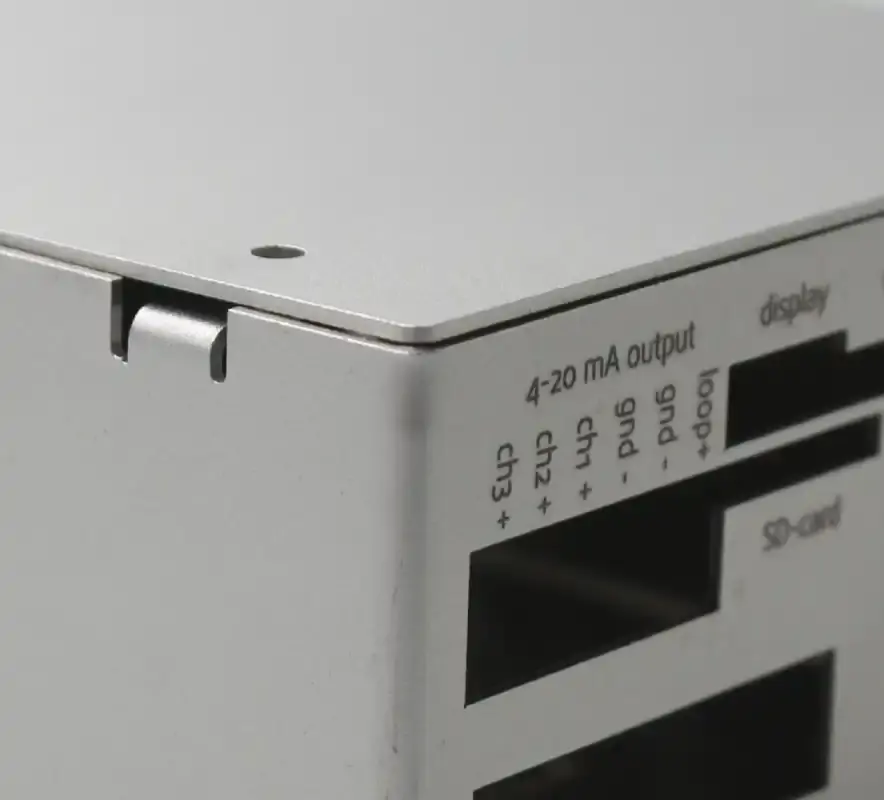
custom sheet metal fabrication for aluminum Electrical enclosure manufacturing

Choose the Best aluminum enclosure for Your Application

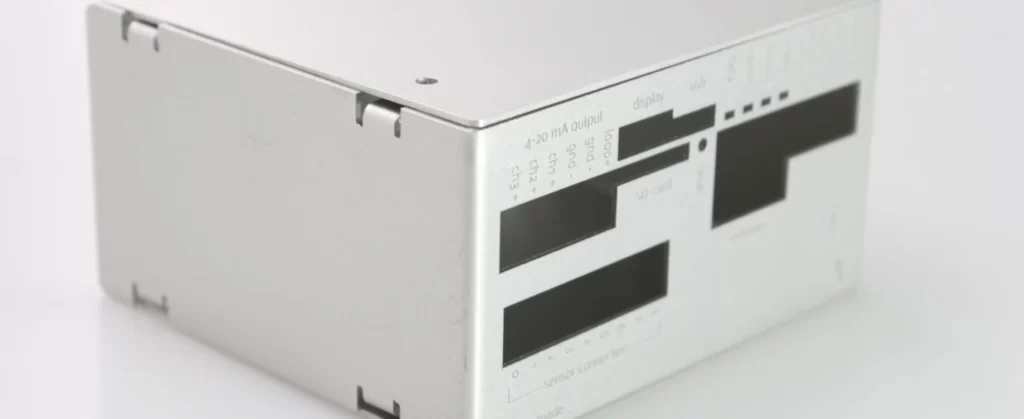
In the field of electronic equipment, industrial control, instrumentation, etc., aluminum enclosure is a key component to protect the precision components inside the equipment and ensure the stable operation of the equipment, and it is very important to choose the appropriate aluminum electrical enclosure to enhance the safety of the equipment and prolong its service life. This article will take you to a comprehensive understanding of aluminum enclosure, from its basic definition, and gradually analyze its advantages and disadvantages, applicable scenarios and selection of the details that need to be noted, and its multi-dimensional comparison with stainless steel enclosure, to make clear the main differences between the two, to help in your selection of custom aluminum enclosure when you and make a scientific and wise solution when you select the custom aluminum enclosure. What is an aluminum enclosure? aluminum enclosure is a kind of protective enclosure made of aluminum or aluminum alloy, which is widely used to protect all kinds of

Choose the Best aluminum enclosure for Your Application Read More »
AISI 420 Stainless Steel: for Food Processing Machinery choice material

420 stainless steel: High strength and corrosion resistance

420 stainless steel, as a heat-treatable martensitic stainless steel, derives its core value from achieving synergistic high strength and moderate corrosion resistance through precise carbon-chromium composition design and heat treatment processes. Within a carbon content range of 0.15%-0.40% and chromium content of 12%-14%, carbon imparts high hardness to the quenched martensite (exceeding HRC 50), while chromium forms a passivation film providing fundamental corrosion resistance. However, 420 stainless steel properties exhibit clear limitations: its corrosion resistance is suitable for neutral or mildly corrosive environments, but it is susceptible to pitting and stress corrosion cracking in chloride-containing media. Furthermore, welding and machining require specific process controls, such as preheating and post-weld heat treatment, to suppress heat-affected zone cracking. The value of 420 stainless steel primarily lies in providing excellent corrosion resistance and strength superior to austenitic stainless steels for applications such as cutlery, moulds, and food processing components. It represents an engineering choice that balances cost and performance. Fundamentals of Materials Science:

420 stainless steel: High strength and corrosion resistance Read More »

Stainless Steel Sheet Metal Fabrication Welding Process

440 Stainless Steel: Ultimate Wear Resistance

440 stainless steel possesses exceptional wear resistance and corrosion resistance, rooted in its specific metallurgical composition centered on high carbon content. When this chemical composition is activated through precisely controlled heat treatment, the material’s microstructure transforms, ultimately forming a hardened martensitic matrix uniformly embedded with hard, wear-resistant chromium carbides. It is precisely this synergy between the tough matrix and the dispersed hard secondary phases that endows 440 stainless steel with its ultimate wear resistance. However, understanding this inherent property is only the first step. The true engineering challenge lies in transforming 440 stainless steel into a finished product with stable and reliable performance. From billet selection to forming, welding, and especially the final quenching and tempering process, each step requires meticulous design. This ensures dimensional accuracy while maximizing the retention and optimization of wear resistance. This article provides a comprehensive analysis of 440 stainless steel, covering its metallurgical fundamentals to practical applications in precision structural components, enabling you to quickly

440 Stainless Steel: Ultimate Wear Resistance Read More »

aluminum 6061-t6 cnc machining parts

what is anodizing aluminum

Anodizing aluminum is an electrochemical process that forms an oxide film on the surface of aluminum materials. It not only preserves the lightweight properties of aluminum itself but also effectively enhances the corrosion resistance, surface hardness, and durability of aluminum products. This technique is widely used in the electronics industry, construction engineering, aerospace, medical devices, and other fields. However, anodizing aluminum also has certain limitations, and a thorough understanding of its characteristics and constraints is crucial for project decision-making. This article provides a detailed overview of anodized aluminum, covering its definition, process steps, technical advantages, usage restrictions, and materials. It aims to help you quickly and comprehensively understand anodized aluminum. Definition of Anodizing Aluminum Anodizing aluminum is an electrochemical surface treatment technology for aluminum and aluminum alloys. Its core principle involves using aluminum or aluminum alloy workpieces as anodes in specific electrolyte solutions (such as sulfuric acid, oxalic acid, chromic acid, etc.). By applying a directed direct current, an oxidation

what is anodizing aluminum Read More »

custom aluminum cnc machining parts

The 6 Advantages of CNC aluminum fabrication

In the modern manufacturing industry, aluminum and its alloys have become the key raw materials in aerospace, automotive, medical equipment, industrial equipment, electronics and other fields by virtue of their lightweight, plasticity and corrosion resistance, and CNC aluminum fabrication technology provides aluminum and its alloys with high precision and flexibility, and is the key technology to produce high-precision, high-quality aluminum parts. CNC aluminum fabrication technology provides extreme precision and flexibility for aluminum and its alloys, and is the key technology for producing high precision and high quality aluminum parts. In this article, we will deeply analyze the 6 core advantages of CNC aluminum fabrication and reveal the reasons why it is favored by the modern manufacturing industry. Why aluminum is suitable for CNC machining Aluminum is one of the most popular and suitable metal materials for CNC machining due to its range of physical, chemical and mechanical properties. Machinability Aluminum and its alloys, especially Aluminum 6061 and Aluminum 7075, have

The 6 Advantages of CNC aluminum fabrication Read More »
High-Quality Acrylic CNC Machining

Acrylic CNC Machining: 10 Tips to Avoid Cracking

Acrylic (polyacrylic) is highly favoured for its exceptional optical properties and machinability. However, its inherent internal stresses and thermal sensitivity render the acrylic CNC machining process highly susceptible to micro-cracks, chipping, and even complete fracturing. Acrylic CNC machining cracking is not an incidental failure but a predictable outcome arising from the interplay of materials science, machining dynamics, and tool physics. Its root causes can be systematically attributed to three primary stresses: residual stresses frozen during sheet production, localised thermal stresses induced by cutting friction, and mechanical stresses generated by tool-workpiece interaction. When the acrylic CNC machining process fails to precisely regulate the superposition of these three forces, stress concentrations can exceed the material’s fracture toughness threshold, leading to progression from microcracks to full-scale fracture. Building upon this mechanism, this paper details a production-validated set of ten critical technical principles spanning the entire workflow from material selection to post-processing. These principles deliver high-quality acrylic CNC machining solutions, fundamentally ensuring processing consistency

Acrylic CNC Machining: 10 Tips to Avoid Cracking Read More »

stainless steel stamping parts

The Difference Between 18/10 Stainless Steel and 304 Stainless Steel

In the field of stainless steel materials, precise material selection begins with an accurate understanding of the naming system. Austenitic stainless steel, with its outstanding corrosion resistance and formability, has become the preferred choice for numerous applications. However, the ambiguity of market terminology often leads to conceptual confusion. Notably, the commercial designation ‘18/10 stainless steel’—based on its typical chemical composition (approximately 18% chromium, 10% nickel)—is frequently used interchangeably or erroneously compared with the ASTM standard designation ‘304’ (UNS S30400). This article aims to clarify the conceptual overlap and distinctions between 18/10 stainless steel and 304, highlighting that ‘18/10 stainless steel’ essentially represents a high-quality subset within the 304 stainless steel family. This subset achieves an optimal balance of chromium and nickel content, prioritising exceptional corrosion resistance and surface quality. We shall provide a clear framework grounded in performance data and specification standards. This will be achieved through a metallurgical analysis of key parameters for 18/10 stainless steel versus 304, including

The Difference Between 18/10 Stainless Steel and 304 Stainless Steel Read More »

China Precision aluminum alloy extrusion parts manufacturing

Extruded Aluminum Fabrication: 6 Process Steps

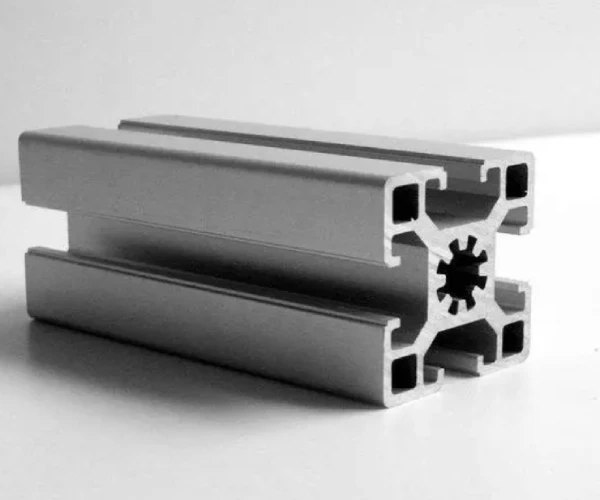
In recent decades, aluminum has been used in automotive manufacturing, medical devices, industrial equipment, aircraft, and other parts and equipment for its high strength, light weight, and excellent malleability, and extruded aluminum fabrication is the core process that transforms the metal into parts and utility products. Perhaps you’ve heard of this manufacturing process and wondered what it is and how it works. Next, we’ll discuss in detail what extruded aluminum fabrication is and its 6 process steps to help you quickly understand and recognize extruded aluminum fabrication. what is extruded aluminum fabrication? extruded aluminum fabrication is a highly efficient and widely used manufacturing process, the core principle of which is to pass a heated and softened aluminum billet through a specific shaped die under great pressure to obtain an aluminum profile with a constant cross-section shape. aluminum extrusion fabrication process can be The aluminum extrusion fabrication process can be visualized as squeezing toothpaste: When squeezing toothpaste, the pressure exerted by

Extruded Aluminum Fabrication: 6 Process Steps Read More »

Industrial aluminum extrusion manufacturer in China

Understanding extruded aluminum fabrication

extruded aluminum fabrication is a basic but very important forming process that passes aluminum metal through a pre-determined die to obtain a continuous aluminum profile with a specific cross-sectional shape, retaining the natural advantages of aluminum’s light weight and corrosion resistance, while allowing for complex structures that are widely used in the production of automobiles, airplanes, power generators, buildings, offices and other equipment and components. The article will analyze extruded aluminum fabrication in detail, starting from the core definition, then analyzing its components, types, advantages and limitations, and finally listing the common applications, which will help you to know extruded aluminum fabrication comprehensively. what is extruded aluminum fabrication? extruded aluminum fabrication is a manufacturing process in which a heated aluminum billet is passed through a custom shaped die to obtain a specific cross-section of aluminum profiles. It’s like squeezing toothpaste out of a tube – when you squeeze the tube, the toothpaste comes out of the opening and forms a

Understanding extruded aluminum fabrication Read More »
custom aluminum alloy sheet metal water tanks

How to aluminum welding fabrication?

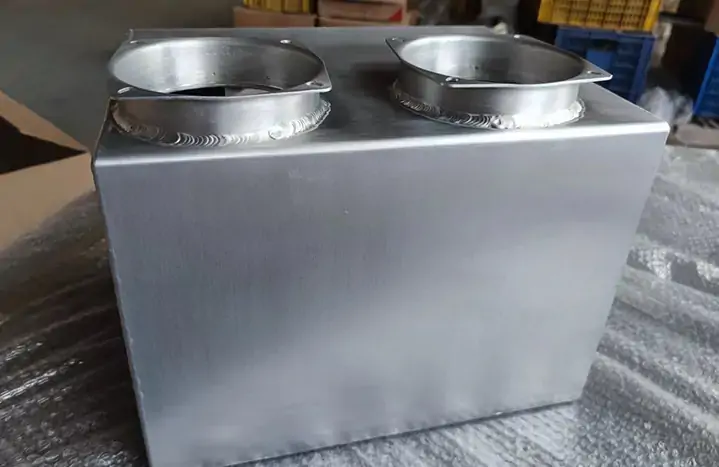
Aluminum and its alloys have become indispensable key materials in aerospace, automobile manufacturing, construction and other fields by virtue of their light weight, good corrosion resistance, excellent heat dissipation performance and other characteristics. As the core process of aluminum welding fabrication to connect aluminum materials and realize the forming of components, its technical selection and operation directly determine the performance and safety of the final product. Compared with other metal welding processes, aluminum welding fabrication requires different methods and approaches, and it is important to understand these differences in order to produce high-quality welds. The following article analyzes in detail the expertise of aluminum welding fabrication, including its core definitions, applicable welding techniques, and 5 welding recommendations, to provide you with a clear, actionable guide to practice. What is aluminum welding fabrication? aluminum welding fabrication is a comprehensive manufacturing process, a series of techniques and operations in which aluminum is permanently joined to other components by means of heat or

How to aluminum welding fabrication? Read More »

sheet metal fabrication services

Custom Sheet Metal Fabrication: 5052-H32 vs. 6061-T6

Aluminum has become the material of choice for Custom Sheet Metal Fabrication in aerospace, automotive manufacturing, electronic equipment, medical devices, and other fields by virtue of its lightweight and easy-to-process characteristics. Among them, 5052-H32 and 6061-T6 are the two most widely used aluminum materials, but there are big differences in their compositions and properties, which present different advantages and limitations in the actual fabricated sheet metal. The choice of aluminum material has a direct impact on the quality, cost and service life of the product, so it is important to choose the right aluminum alloy. The following article will outline the key differences between 6061 and 5052 and analyze their common challenges and solutions in Custom Sheet Metal Fabrication. 5052-H32 and the main difference between 6061-T6 Forming: 5052 h32 aluminum advantage is obvious, suitable for complex bending, deep stamping and other needs of large deformation process; 6061 t6 aluminum forming difficulty is higher, need to preheat or anneal to reduce

Custom Sheet Metal Fabrication: 5052-H32 vs. 6061-T6 Read More »

custom aluminum extrusion parts

How to do custom fabricated aluminum ——anodizing

In modern manufacturing, aluminum has become the material of choice in aerospace, industrial manufacturing, medical industry, automotive and many other fields by virtue of its light weight, good machinability and excellent heat dissipation performance. In custom fabricated aluminum, anodizing is a very important key link in the process. It can not only significantly improve the surface hardness and corrosion resistance of aluminum, but also provide products with rich colors and unique appearance. In the following, the article will introduce the detailed information of anodizing in custom fabricated aluminum process, mainly including the core definition, advantages, limitations, common types of anodizing, and list the related industry applications. what is custom fabricated aluminum–anodizing The anodic oxidation process in custom fabricated aluminum is a surface treatment of aluminum parts with the aim of optimizing the surface properties and appearance of the aluminum. At its core is an electrochemical process: Pretreatment: The custom fabricated aluminum parts are thoroughly cleaned and degreased to remove oils

How to do custom fabricated aluminum ——anodizing Read More »

custom metal enclosures services

Protect electronic equipment with outdoor weatherproof electrical enclosures

In modern life, security cameras, photovoltaic inverters, traffic signal controllers and other outdoor electronic devices are more and more widely used, however, these electronic devices exposed to the outdoors are always faced with wind, rain, snow, dust, ultraviolet rays and even corrosive substances. Choosing the right outdoor weatherproof electrical enclosures for them helps to ensure that the sensitive electronic components in outdoor electronic devices are well protected and that they maintain good, stable function and condition. Next, we will discuss in detail how to choose outdoor weatherproof electrical enclosures to provide solid, reliable protection for your outdoor electronic devices. What are outdoor weatherproof electrical enclosures? outdoor weatherproof electrical enclosures are protective enclosures designed for sensitive electrical and electronic equipment operating outdoors or in harsh environments. the core design objective is to create a strong physical barrier between the internal electronic components and the harsh external environment to ensure that the internal electrical components are able to operate in a consistent,

Protect electronic equipment with outdoor weatherproof electrical enclosures Read More »

custom metal enclosures manufacturing

What is a NEMA 12 Enclosure? Protection, advantage & Uses

In industrial automation, manufacturing and all types of harsh working environments, electrical and control components are constantly exposed to the threat of the external environment. Dust and fiber shavings in the air, splashing coolant and lubricant on the production line, and even dripping water and condensation, can trigger equipment failure, short circuits, and even lead to the cessation of the entire production line. Therefore, ensuring the safety of your electrical equipment on the job is a critical task. The NEMA rating system is an enclosure protection standard developed by the National Electrical Manufacturers Association (NEMA) to define the enclosure protection level of electrical equipment, specifying their ability to resist solid foreign objects, liquid intrusion, and specific environments (e.g., corrosion, high and low temperatures). The NEMA 12 enclosure is one of the most widely used types of NEMA enclosures in industrial scenarios. The article will focus on NEMA 12 electrical enclosure to carry out in-depth analysis, first from its core definition,

What is a NEMA 12 Enclosure? Protection, advantage & Uses Read More »

injection molding plastic enclosure

Which is the best Plastic Enclosures:Polycarbonate vs. ABS vs. PVC enclosure

In electronic equipment, industrial control, medical equipment and many other fields, plastic enclosure with light weight, low cost, corrosion resistance is very popular, but it should be noted that not all plastic electrical enclosures are the same. Currently, PVC, ABS, and Polycarbonate are the three most widely used plastic enclosure materials, and each material has significant differences in service life, strength, and performance. The article will analyze the performance characteristics of these three types of plastic enclosures in detail, and make a multi-dimensional comparative analysis of them to clarify the main differences between the three, providing a clear guide for custom plastic enclosures in different scenarios. Polycarbonate plastic enclosure Polycarbonate plastic enclosures are extremely impact resistant and are several times stronger than ABS enclosures. This makes it ideal for electrical equipment that needs to withstand high levels of vibration or physical shock, such as heavy machinery enclosures, utility equipment or safety enclosures. It also has excellent transparency and heat resistance.

Which is the best Plastic Enclosures:Polycarbonate vs. ABS vs. PVC enclosure Read More »

die casting aluminum enclosure

Aluminum Alloy Comparisons: 7075 VS. 6061 VS. 5052

Aluminum Alloy is the material of choice for metal fabrication projects because of its light weight, corrosion resistance, and excellent heat dissipation properties. However, the performance characteristics of different models of Aluminum Alloy vary significantly, which is directly related to the use of the final product scenarios, performance and cost. So what can alloy 5052 do, and what are the characteristics of 6061 aluminium alloy? And when should you use 7075 aluminium alloy? This article will introduce these three most popular aluminum alloys in detail, from strength, weldability, corrosion resistance to machining performance and other aspects of detailed analysis, while introducing Supro commonly used aluminum metal processing technology, to help you fully understand and choose the right aluminum alloy for your application. what is 7075, 6061, 5052 aluminum alloy 7075 aluminum alloy 7075 aluminium alloy is a kind of cold treatment forging alloy, its zinc as the main alloying element, magnesium content of 2.1%-2.9%, tensile strength of about 570MPa, density

Aluminum Alloy Comparisons: 7075 VS. 6061 VS. 5052 Read More »

copper sheet metal bending bracket

Does Copper Rust? An Analysis of Its Corrosion Resistance

When it comes to custom precision copper components, a common question arises: Does copper rust? From a metallurgical perspective, the answer is a definitive “no.” The term “rust” specifically refers to hydrated iron oxide (Fe₂O₃·nH₂O) that forms on the surface of ferrous metals. This substance forms on the surface of ferrous metals—it is a porous, expansive, and ultimately destructive oxide layer. Since copper contains no iron, it does not rust; instead, it forms a protective and self-healing copper patina. Understanding this distinction is crucial when evaluating life-cycle costs and material performance. This phenomenon, often mistakenly referred to as “copper rust,” is actually the formation of a stable oxide that maintains structural integrity—a stark contrast to the iron corrosion that leads to failure. The evolution of the “copper rust” color—from salmon to brown to green—signifies increased durability rather than a decline in performance. This article will provide a detailed analysis of copper’s corrosion resistance to help you fully understand the material’s

Does Copper Rust? An Analysis of Its Corrosion Resistance Read More »

stainless steel precision stamping

Stainless Steel Stamping: Definition and Applications

Stainless steel stamping is a precision manufacturing process that transforms materials such as 304 and 316L into high-strength, corrosion-resistant components through controlled deformation. Unlike conventional machining, this process requires strict attention to work hardening rates, die clearances, and dimensional stability during mass production. Key parameters such as grain structure consistency and thickness tolerances (typically controlled within ±0.05 mm) directly impact the performance of custom stainless steel stampings in applications such as automotive safety systems and medical device housings. When evaluating stainless steel stamping services, the key lies in process validation—particularly the ability to maintain statistical process control (SPC) during progressive die stamping. When producing custom stainless steel stampings, material certification compliant with the ASTM A240 standard and real-time optical measurement verification are essential prerequisites for ensuring the repeatability of critical components. This article provides a detailed analysis of stainless steel metal stamping and its common application areas to help you select the appropriate manufacturing processes and materials for your next

Stainless Steel Stamping: Definition and Applications Read More »

acrylic CNC machining parts

Acrylic CNC Machining: Process Parameter Optimization

In the field of acrylic CNC machining, the selection of process parameters directly determines success or failure in mass production. When orders transition from single-piece prototyping to large-scale production, the balance between spindle speed, feed rate, and cutting load is no longer merely a theoretical value—it becomes the bottom line for cost and yield. As a professional acrylic CNC machining manufacturer, we have found that many issues—such as edge whitening or dimensional drift—that appear to be caused by equipment actually stem from a failure to dynamically adjust parameters in response to material batches or tool wear. Differences in thermal response between cast and extruded acrylic, the stability of vacuum clamping, and even path redundancy in G-code are all amplified exponentially during large-scale acrylic PMMA CNC machining. This article will focus on the parameter logic for CNC machining acrylic in mass production scenarios—from equipment selection and toolpath optimization to post-processing integration—providing procurement and engineering teams with traceable, replicable delivery standards for

Acrylic CNC Machining: Process Parameter Optimization Read More »

high-quality acrylic CNC machining parts

Acrylic CNC Machining: Achieving Perfect Cutting Results

In the field of acrylic CNC machining, thermal management and cutting force control are critical to success. During the machining process, even the slightest misstep can result in white edges or fine cracks—which are unacceptable in acrylic CNC-machined parts such as medical device housings or high-end display stands. As a professional acrylic CNC machining manufacturer, Supro understands that the glass transition temperature of acrylic (PMMA) is only approximately 105°C, which is significantly lower than that of metal materials. To achieve a perfect cut, the chip load must be strictly controlled within the range of 0.1–0.2 mm/tooth, and single-flute O-groove cutters should be prioritized to optimize chip evacuation. Otherwise, frictional heat will rapidly cause the material to melt or crack due to stress. Therefore, providing high-quality acrylic CNC machining services requires not only advanced equipment but also precise parameter settings. This guide will focus on spindle speed, feed rate matching, and toolpath optimization to explain how to achieve crystal-clear, optical-grade surfaces

Acrylic CNC Machining: Achieving Perfect Cutting Results Read More »

acrylic cnc machining service

Acrylic CNC Machining: Applications and Precautions

Acrylic CNC machining is far from a simple cutting process; its core challenge lies in managing the material’s thermal sensitivity. If the heat generated by high-speed cutting is not precisely controlled through optimized spindle speeds, feed rates, and specialized coolant, it can easily lead to micro-cracks and edge misting, thereby compromising the optical properties of the finished parts. As your trusted acrylic CNC machining manufacturer, our process begins with a comprehensive DFM analysis using CAD/CAM simulation software to ensure toolpaths minimize cutting stresses. On vertical or horizontal machining centers, we utilize custom fixtures paired with geometrically optimized tools to achieve thermally stable cutting from roughing through finishing. Finally, verification via CMM and surface roughness meters ensures that every batch of acrylic CNC machining parts meets the strict standards required for everything from transparent prototypes to mass production. Whether you are seeking acrylic PMMA CNC machining solutions for automotive lighting or require highly transparent medical device housings, this article will provide

Acrylic CNC Machining: Applications and Precautions Read More »

aluminum 5052

Aluminum 5052: A Key Approach to Reducing Vehicle Weight

In the field of modern automotive engineering, reducing vehicle weight and improving fuel efficiency have become key drivers of design, and 5052 aluminum plays a crucial role in this regard. As a custom sheet metal manufacturer with decades of experience, we fully understand the unique value of 5052 aluminum in balancing structural weight reduction with performance. This non-heat-treated Al-Mg-based alloy is characterized by its outstanding fatigue strength and work hardening rate. For example, Aluminum 5052 in the H32 condition, when stabilized, offers an ideal combination of formability and strength, enabling it to perfectly balance corrosion resistance and crack resistance in complex aluminum sheet metal fabrication. As a professional manufacturer of 5052 aluminum sheet metal fabrication, Supro utilizes precision laser cutting and welding processes to transform this “marine-grade” aluminum into high-rigidity, lightweight automotive structural components. Choosing our 5052 aluminum sheet metal fabrication services means leveraging proven metallurgical expertise to achieve sustainable weight reduction goals for your fleet. This article will delve

Aluminum 5052: A Key Approach to Reducing Vehicle Weight Read More »

Scroll to Top