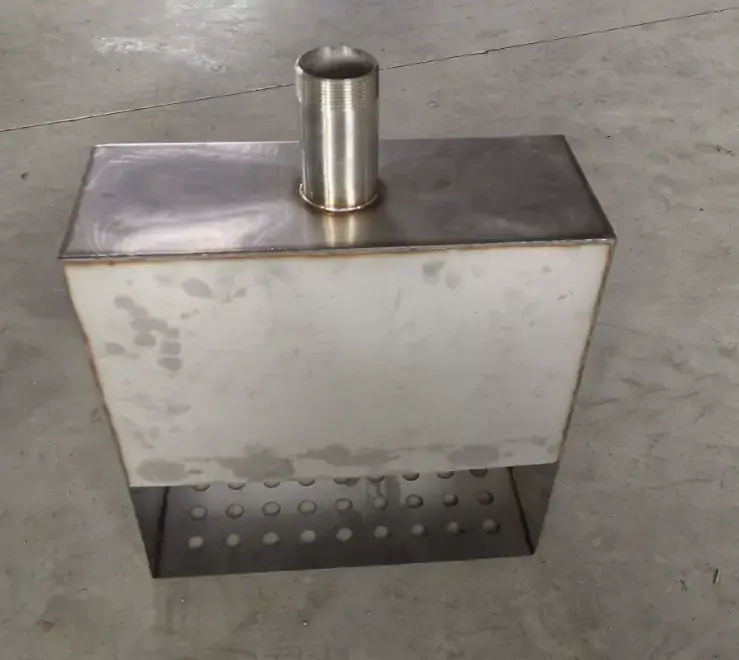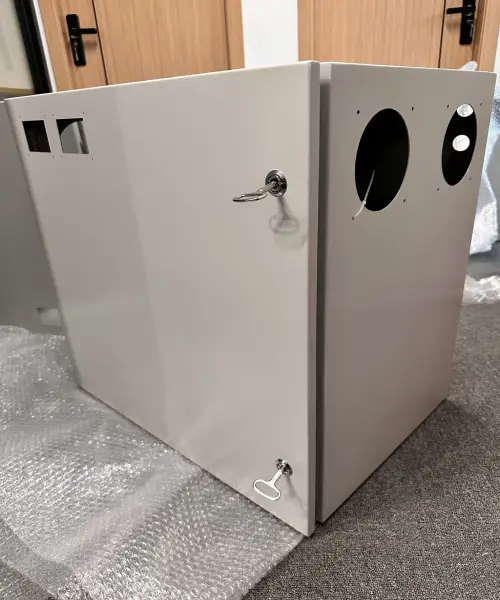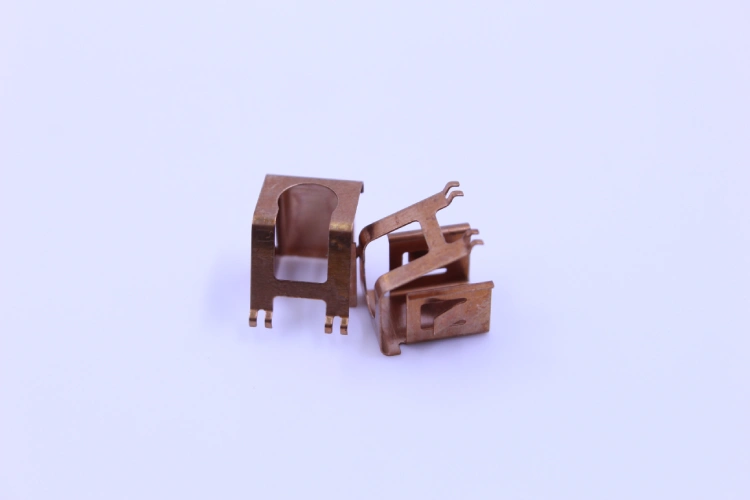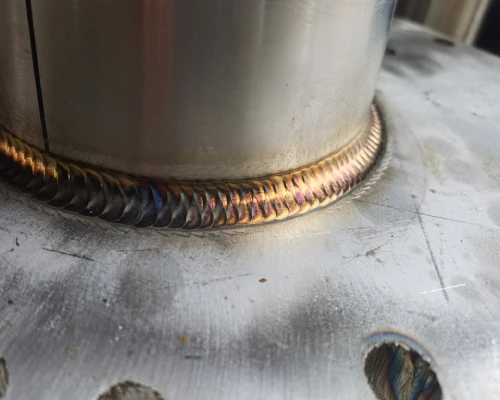
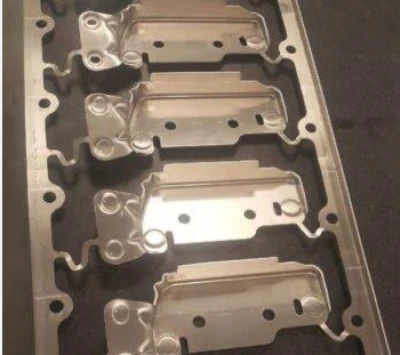

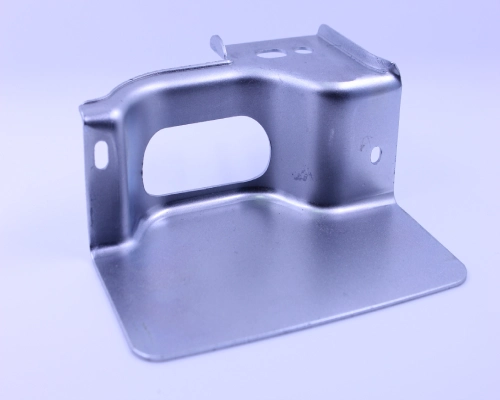
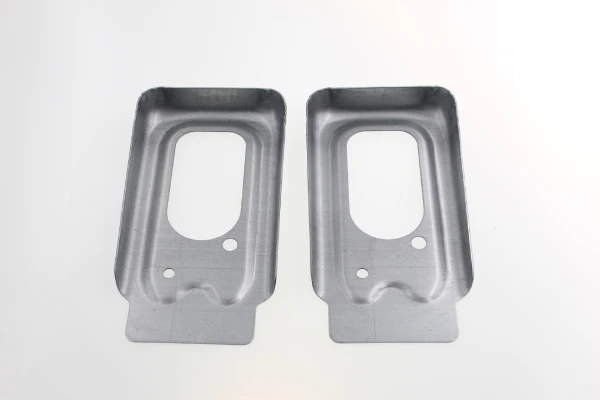
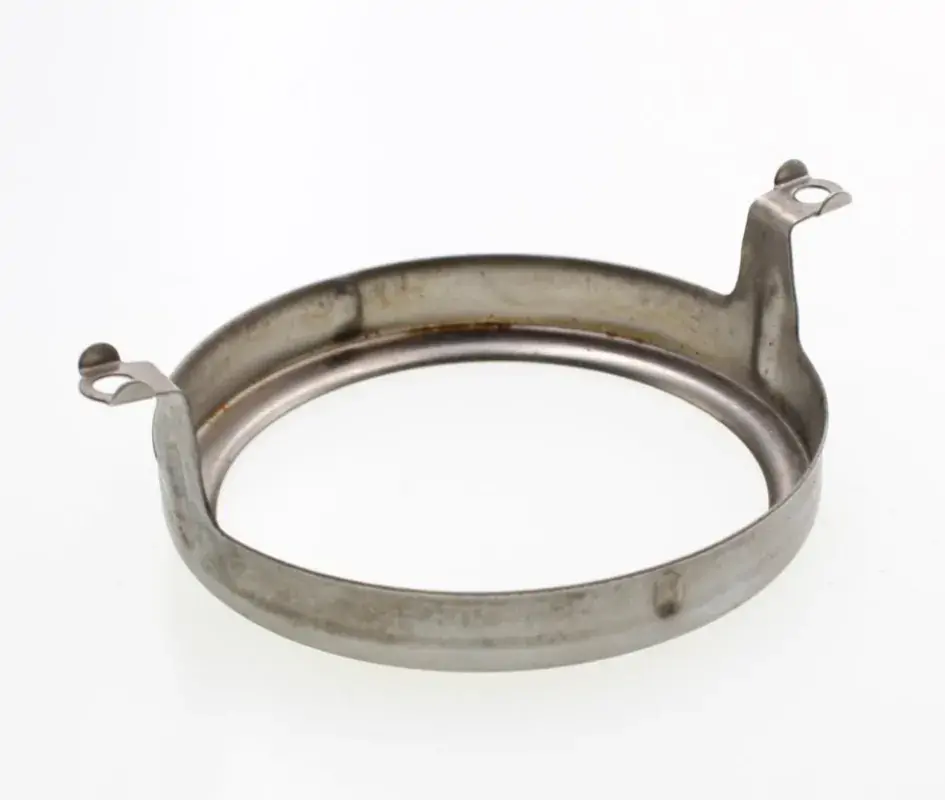
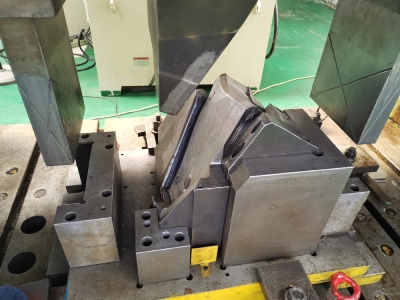
For procurement managers and manufacturing engineers, custom molds represent the largest upfront capital expenditure (CAPEX) in transfer die stamping projects. When scaling up production, the transfer die stamping process not only achieves excellent material utilization but also offers flexibility in handling complex geometries. However, without strict Design for Manufacturability (DFM) guidelines, tooling costs can easily spiral out of control due to excessive stamping stations and expensive cam-driven mechanisms.
As a specialized custom transfer die stamping manufacturer, Supro MFG frequently evaluates part designs that inadvertently drive up tooling budgets. From custom industrial enclosures to precision server rack rails, our engineering experience shows that nearly 80% of manufacturing costs are determined during the initial CAD phase. By implementing strategic DFM reviews tailored specifically for custom transfer die stamping, procurement teams can eliminate overdesign, simplify die maintenance, and reduce die amortization rates.
This article details the actionable engineering strategies required to optimize part geometries and reduce custom die costs in precision transfer die stamping, ensuring your next project achieves a faster return on investment.
Cost Drivers for Transfer Stamping Dies
To effectively control capital expenditures, engineers must first identify the key cost drivers. In the transfer die stamping process, the cost of custom dies is directly determined by the die’s overall footprint, the number of stations, and the complexity of the transfer finger mechanism’s kinematics.
Number of Die Stations
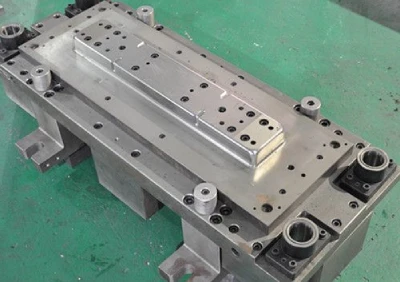
In any transfer metal stamping process, the number of active stamping stations is the primary factor determining the final die quote. Unlike progressive dies, transfer die stamping requires dedicated mechanical fingers or servo-driven automation to move discrete blanks between forming operations. Each additional station for punching, flanging, or deep drawing causes the die baseplate length and the required press bed size to increase exponentially.
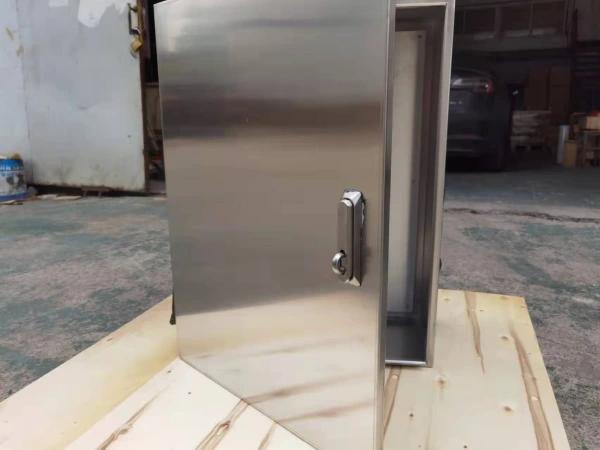
For example, when designing custom NEMA enclosures, suboptimal geometries often require additional cam-driven punching operations. By adhering to Design for Manufacturing (DFM) guidelines to consolidate shallow forming operations or eliminate unnecessary side holes, engineers can effectively reduce the number of stations. A reduction in the number of stations directly results in shorter turret pitch and a simpler automated kinematic structure.
For procurement teams, minimizing the number of stations is the fastest way to reduce upfront capital expenditures.
Die Steel Selection and Machining Complexity
The physical demands of custom transfer die stamping impose strict requirements on die steel selection and machining precision, both of which significantly impact the cost of custom dies.
When forming high-strength metal sheet parts (such as precision server rack rails), standard alloy materials are prone to rapid wear. To prevent galling and ensure service life, die manufacturers must use high-quality materials—such as D2 tool steel or carbide inserts—at high-friction, high-radius areas. These hardened materials significantly increase machining complexity, requiring expensive wire-cut EDM, hard-material milling, and specialized PVD coating processes.
Furthermore, if the buyer’s drawings specify overly tight tolerances for non-mating surfaces, this will force die engineers to spend countless hours on precision grinding and repeated die debugging. By relaxing non-critical tolerances, procurement managers can significantly reduce the hidden machining costs inherent in the transfer die stamping process.
Core DFM Optimization Strategies for Reducing the Complexity of Transfer Stamping Dies
To effectively reduce capital expenditures (CAPEX), Design for Manufacturability (DFM) must be strictly enforced before finalizing the CAD design. By eliminating non-functional geometry and standardizing feature dimensions, procurement teams can eliminate costly mechanical complexity in precision transfer die stamping, thereby directly reducing spending on custom dies.
Simplifying the Geometry of Transfer Die Stamping Parts
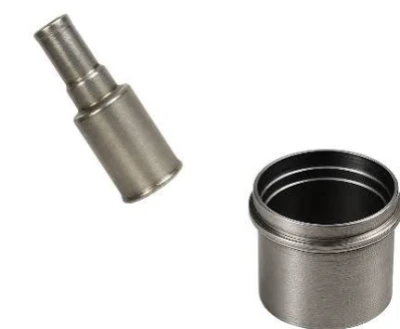
In any custom transfer die stamping project, excessive geometric complexity directly drives up the budget for custom dies. Engineers must rigorously evaluate the functional necessity of features such as chamfers, steep reverse flanges, or side holes. These specific geometries require costly cam-driven mechanisms and lateral punch movement within the die, thereby significantly increasing engineering hours and machining costs.
When producing heavy-duty industrial mounting brackets or custom electrical enclosures, eliminating unnecessary side features allows parts to be formed using only an upright, vertical stamping stroke. By simplifying the structural design to avoid these secondary mechanical movements, procurement teams can eliminate the need for additional stamping stations. This geometric optimization not only reduces the initial quote for transfer stamping dies by thousands of dollars but also significantly reduces downtime caused by long-term maintenance of the stamping production line.
Tolerance Optimization: The Balance Between Precision and Practicality
In the field of custom manufacturing, over-engineering is a well-known budget killer. Although precision transfer die stamping can achieve extremely tight tolerances, applying a uniform ±0.001-inch specification to all non-fitting surfaces would force die manufacturers to perform excessive wire-cut EDM and repeated die debugging.
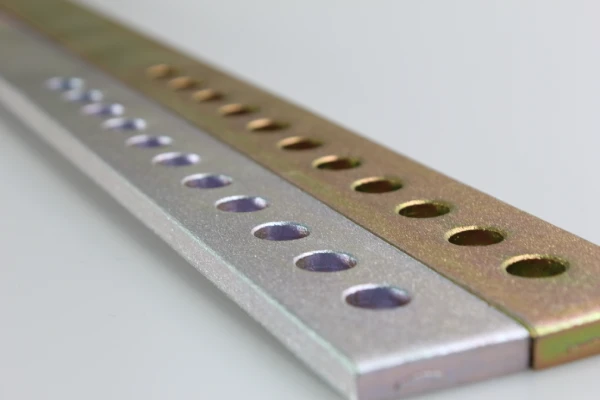
To reduce capital expenditures (CAPEX), engineers must distinguish between critical assembly points and standard dimensional features. For example, when stamping precision server rack rails, the centerlines of mounting holes require strict geometric dimensions and tolerances (GD&T) control, but the outer flange circumference can easily accept standard commercial tolerances of ±0.005″.
Relaxing the requirements for these non-critical dimensions not only reduces the need for frequent die adjustments but also lowers the risk of part rejection during the PPAP validation process.
By aligning tolerance requirements with actual functional needs, procurement managers can significantly reduce the hidden labor and machining costs associated with transfer stamping dies.
Standardization of Hole Sizes and Shapes
Feature standardization is an efficient yet often overlooked cost-reduction strategy in design for manufacturing (DFM) of sheet metal parts. Specifying custom hole shapes—such as square, star-shaped, or irregular slots—requires die manufacturers to use CNC machines to machine custom punches and dies. These custom dies wear out faster and are costly to replace.
To optimize the transfer die stamping process, engineers should use only standard circular hole geometries whenever functionality permits. Furthermore, hole diameters must never be smaller than the material thickness (minimum ratio of 1:1) to prevent punch breakage when forming robust industrial parts.
By using standardized punches and adhering to safe hole-to-thickness ratios, the need for expensive special-purpose tool steel inserts can be avoided. This simple DFM adjustment not only significantly reduces the upfront tooling investment required for high-volume transfer metal stamping but also extends the overall tool life.
Are you looking for reliable & cost-effective
China metal fabrication manufacturer
More than 150,000 OEM metal fabrication products delivered to 5,000+ global buyers.
And benefit from it!
Specific Guidelines for Transfer Die Stamping
In addition to the overall complexity of the part, local geometric features also determine the physical limits of sheet metal forming. By designing precise bend radii and drawing parameters for the transfer die stamping process, procurement teams can reduce material tearing, thereby directly lowering long-term die maintenance and scrap costs.
Bending Radius and Springback Control
In precision transfer die stamping, determining the correct inner bending radius is critical for suppressing springback and preventing structural fractures. Engineers should design the minimum inner bending radius for low-carbon steel to be at least 1 times the material thickness (1T), while for high-strength alloy steel, this should be increased to 1.5T or 2T.
When manufacturing heavy-duty mounting rails, excessively small bend radii often lead to severe springback issues, forcing die manufacturers to employ costly over-bend stations or spend weeks on repeated die debugging. Specifying generous and standardized bend radii ensures predictable material flow and stable angular tolerances.
This basic DFM adjustment can significantly reduce the time spent on die debugging in the tooling shop. For procurement teams sourcing custom transfer die-stamped parts, directly controlling springback during the CAD phase can directly lower die trial costs and shorten project cycles.
Hole-to-Edge Clearance
In transfer die stamping, sufficient hole-to-edge clearance must be strictly maintained to prevent material deformation. Typically, the distance from any punch edge to the outer edge of the workpiece or an adjacent bend line must be at least 1.5 to 2 times the material thickness (1.5T–2T). When stamping closely spaced ventilation hole arrays for custom NEMA enclosures, violating this ratio can cause narrow connecting strips to bulge, deform, or even tear completely under stamping pressure.
To compensate for insufficient edge clearance in transfer metal stamping production lines, manufacturers are forced to design complex, multi-stage punching sequences, which unnecessarily drive up the cost of custom dies. By properly designing safe hole-to-edge clearances, you can complete all punching operations within a single, robust station. This not only simplifies the transfer die stamping process but also eliminates premature punch wear and prevents high scrap rates.
Control of the Deep Drawing Ratio
Since precision transfer die stamping offers significant advantages in the production of complex three-dimensional parts, controlling the deep drawing ratio is critical. Pushing sheet metal beyond its physical limits in a single stamping operation can result in severe thinning and wrinkling.
To maintain blank integrity, engineers must limit the depth of a single draw to within 50% of the initial blank diameter. Exceeding this limit will force die manufacturers to add secondary and tertiary drawing stations, or even incorporate intermediate annealing processes, to achieve the final geometry.
Each additional drawing station causes the die footprint to expand exponentially and increases the required stamping tonnage. By optimizing part depth and using larger fillet radii, the purchaser can minimize the number of drawing operations required. This directly and significantly reduces the upfront die investment required for high-volume transfer die stamping projects.
The Impact of Material Selection on Wear in Transfer Stamping Dies
Material selection during the early design stages is a key factor affecting cost, as it directly determines the wear rate of transfer stamping dies. When engineers select high-strength alloys—such as 304 stainless steel or HSLA (high-strength low-alloy steel) with high yield strength—extreme friction and shear forces inevitably lead to rapid galling of the die substrate.
To address this issue in the demanding transfer die stamping environment, die manufacturers are forced to invest heavily in high-quality D2 tool steel, carbide inserts, and expensive PVD coatings, which significantly drive up initial capital expenditures (CAPEX) for the dies. Conversely, if structural requirements permit, switching to highly ductile cold-rolled steel (CRS) or 5052 aluminum alloy can substantially extend die life.
Based on Supro MFG’s manufacturing experience in producing precision metal brackets, optimizing the material’s yield strength according to functional requirements can minimize premature punch wear. This strategic material downgrade not only ensures lower upfront die investment but also significantly reduces downtime caused by long-term maintenance during any high-volume custom transfer die stamping production run.
The Value of “Early Supplier Involvement” (ESI) in the Transfer Die Stamping Process
Engaging in “Early Supplier Involvement” (ESI) with manufacturing partners before finalizing the CAD design is the most critical strategy for keeping die costs within budget.
In complex transfer die stamping projects, separating hardware engineering from the production floor often leads to suboptimal blank geometries, excessively high scrap rates, and severe formability issues. By collaborating with Supro MFG’s die experts during the conceptual design phase, procurement managers can leverage advanced kinematic and formability simulation technologies to identify critical material thinning risks before a single piece of die steel has been milled.
This proactive Design for Manufacturability (DFM) intervention enables us to fine-tune internal bend radii, adjust clearances between holes and edges, and seamlessly eliminate redundant cam operations. Consequently, integrating ESI into your custom transfer die stamping procurement workflow not only accelerates the PPAP validation cycle and eliminates repetitive die debugging but also significantly reduces upfront capital expenditures.
Ultimately, leveraging a manufacturer’s technical expertise early in the process ensures that the final transfer metal stamping production runs achieve the highest mechanical efficiency and an exceptional return on investment.
Conclusion
Reducing initial capital expenditures (CAPEX) for dies does not require sacrificing part functionality; it requires striking a precise balance between mechanical design and manufacturability. As we have detailed, optimizing bend radii, standardizing hole clearances, and eliminating severe undercuts fundamentally determine the financial viability of any precision transfer die stamping project.
For procurement teams, treating custom dies as a controllable variable rather than a fixed cost is key to reducing the total cost of ownership (TCO). By collaborating with Supro MFG’s engineering team before finalizing CAD models, you can leverage our robust sheet metal expertise to eliminate unnecessary mechanical complexity.
We strongly recommend that procurement managers submit STEP or IGES files for a comprehensive DFM review. Proactive engineering ensures that your next high-volume transfer die stamping project launches smoothly, with accelerated PPAP approval, extended die life, and maximized return on investment (ROI). When executed properly, a strategically optimized transfer die stamping process remains the most reliable driver of cost-effective hardware production.