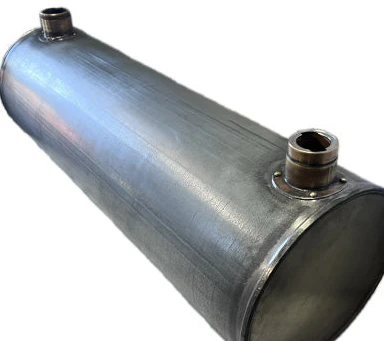
Preventing Fatigue Cracking in Metal Gas Tank Mounting Ears
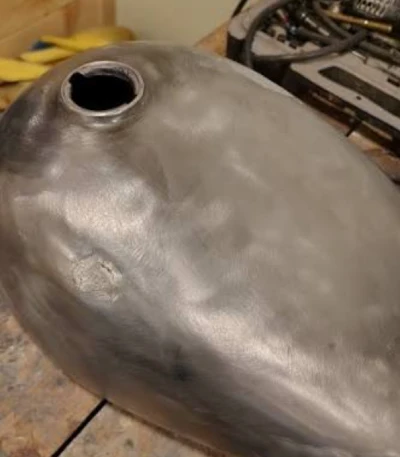
For off-road motorcycles and all-terrain vehicles (ATVs), the mounting ears of metal gas tanks are one of the most frequently overlooked structural weak points in the entire fuel system assembly. Under the continuous effects of high-frequency vibrations generated by the engine and torsional loads transmitted through rigid connection points, the root of the weld at the junction between the mounting lugs and the metal gas tank experiences cyclic stress amplitudes, which gradually lead to microstructural degradation of the material. Fatigue cracks typically originate at the weld root—where the stress concentration factor is highest—and propagate into the base metal along the path of maximum principal stress. In one documented case, a 3-millimeter mounting lug welded directly to the wall of a 1-millimeter-thick custom metal gas tank failed multiple times under normal operating conditions, highlighting the importance of thickness matching and load path design. The consequences are not limited to mechanical failure: a cracked mounting lug compromises the integrity of the metal
Preventing Fatigue Cracking in Metal Gas Tank Mounting Ears Read More »