Author name: Supro MFG

China metal stamping factory

Aerospace Metal Stamping: Common Challenges and Solutions

As a critical link in aerospace manufacturing, the aerospace metal stamping process directly determines the performance ceiling and reliability boundaries of numerous structural components such as airframes, cabin systems, and engine parts. The core value of precision aerospace metal stamping lies in achieving significant weight reduction through extreme material deformation while meeting exceptionally stringent standards for strength, precision, and durability. However, this value realization process is fraught with fundamental contradictions: the inherent nonlinear mechanical behavior of aerospace-grade materials (such as high-strength titanium alloys and advanced aluminum alloys) coupled with the inevitable friction, heat conduction, and elastic recovery effects during custom aerospace metal stamping creates an exceptionally narrow process window. This physical complexity directly translates into a series of technical challenges that aerospace metal stamping processes must systematically overcome—from predictable springback control to ensuring microstructural integrity. This paper systematically analyzes the most prevalent challenges in aerospace metal stamping processes, including geometric control of aerospace metal stampings, material consistency, and production compliance. […]

Aerospace Metal Stamping: Common Challenges and Solutions Read More »

custom automotive steel deep drawn stamping parts

Automotive Metal Stamping: How to Improve Efficiency and Reduce Costs

As the automotive industry accelerates its transition to electrification, it faces a dual mission: restructuring vehicle architectures while continuously reducing costs. This signifies a shift in procurement decisions from simple “unit price” comparisons to in-depth assessments of total cost of ownership. True financial risks stem from systemic costs—including those arising from design rework, production waste, quality lapses, and supply chain vulnerabilities. Consequently, the core value of modern automotive metal stamping extends beyond the parts themselves. It represents a value engineering approach integrated throughout the product front end. A professional automotive metal stamping manufacturer can optimize product manufacturability at the source through early design collaboration (DFM), achieving part integration and maximizing material utilization. This directly reduces BOM costs and logistics complexity. Simultaneously, a robust automotive metal stamping process, underpinned by advanced tooling technology and process control, ensures quality and delivery stability during mass production, fundamentally preventing various hidden costs. This article systematically explores how the automotive metal stamping process enhances project

Automotive Metal Stamping: How to Improve Efficiency and Reduce Costs Read More »
steel stamping automotive parts

Automotive Metal Stamping: Common Issues and Solutions

In modern automotive manufacturing, the automotive metal stamping process forms the cornerstone of vehicle structural integrity, safety, and performance. Statistics indicate that a typical automobile incorporates over 3,000 stamped components, whose quality directly determines the vehicle’s durability and safety rating. As electrification and lightweighting trends advance, the precision, material integrity, and cost-effective scalability of custom automotive metal stamping have become increasingly critical. As an automotive metal stamping manufacturer with over 20 years of deep expertise in this field, Supro profoundly understands the core challenges within this complex process chain: from material physical properties to die dynamics, every variable directly impacts the reliability and cost-effectiveness of automotive metal stampings. Our experience indicates that many mass production issues stem from deficiencies in preliminary design and process matching. For instance, dimensional deviations caused by material springback, cracking risks during high-strength steel forming, or quality fluctuations triggered by mold wear all require systematic engineering solutions. This document serves as a comprehensive guide for professional

Automotive Metal Stamping: Common Issues and Solutions Read More »

sheet metal stamping parts

Metal Stamping Materials Selection Guide

Selecting the right materials for custom metal stamping projects is not merely a preliminary step—it is a critical engineering decision that directly impacts performance, cost, and manufacturability. Precise material selection saves time and prevents production disasters. From automotive giants to consumer tech brands, companies are pursuing lower costs and shorter cycles—but did you know? Nearly 38% of mass production delays stem from material mismatches (Source: McKinsey Manufacturing Pulse Report, 2023). Therefore, rigorously selecting metal stamping materials based on specifications like tensile strength, elongation, surface finish, and thickness tolerance is critical to project success. Wouldn’t you double-check lumber quality before building a house? The same principle applies here. Whether evaluating cold-rolled steel’s formability and surface finish, assessing galvanized steel’s corrosion resistance, or selecting 5052 aluminum’s strength-to-weight ratio—every decision must align with the functional requirements and production scale of metal stamping parts. Choosing the wrong steel grade or underestimating thickness needs… leads directly to inventory waste and delivery delays. This guide breaks

Metal Stamping Materials Selection Guide Read More »

metal stamping manufacturer

Custom Stainless Steel Stamping: Processes, Materials, and Practices

Stainless steel’s exceptional strength and corrosion resistance make it an essential material for demanding applications ranging from automotive components to medical devices. However, these very properties present unique manufacturing challenges, particularly when producing precision parts in volume. Custom stainless steel stamping processes serve as an efficient and stable metalworking method, transforming stainless steel into complex geometries while maintaining strict dimensional tolerances and material integrity for stamped parts. The success of any stainless steel precision stamping solution hinges on a deep understanding of the interplay between material metallurgy, process engineering, and die design. Unlike softer metals, stainless steel alloys exhibit higher work hardening rates, demanding greater forming forces. This necessitates precisely optimized stamping process parameters and sufficiently robust die systems. Professional stainless steel stamping manufacturers must master these complexities to prevent issues like excessive springback, galling, or stress cracking. This article delves into the core technical elements of stainless steel stamping, covering material selection, advanced forming techniques, and quality control practices.

Custom Stainless Steel Stamping: Processes, Materials, and Practices Read More »

Galvanized steel stamping parts

How to Prevent Dezincification During Galvanized Steel Stamping

In the field of galvanized steel stamping, dezincification stands as one of the critical challenges affecting part quality and durability. As a professional custom sheet metal manufacturer, Supro understands that localized peeling of the zinc coating during forming not only directly compromises the corrosion resistance of galvanized steel stamping parts but can also lead to premature failure of critical components like automotive body panels. De-zincing typically originates from excessive friction during stamping, localized stress concentration, or unsuitable die design, which disrupts the bond between the zinc layer and the substrate. Understanding the causes and solutions for de-zincing is crucial. Optimizing the galvanized steel stamping process involves not only selecting appropriate material thickness specifications and alloy compositions but also depends on precise control of stamping parameters and compliance with corrosion resistance testing standards like ASTM B117. As an experienced galvanized steel stamping manufacturer, we emphasize maintaining zinc coating integrity through precision stamping techniques and systematic mechanical property testing during custom galvanized

How to Prevent Dezincification During Galvanized Steel Stamping Read More »

Galvanized steel stamping parts

Analysis of Dezincification in Galvanized Steel Stamping

As a manufacturer specializing in galvanized steel stamping, Supro understands that dezincification is one of the key challenges affecting the quality, corrosion resistance, and reliability of stamped parts. In custom galvanized steel stamping production, the zinc coating does not merely adhere to the substrate but forms a metallurgical bond with it. However, during dynamic stamping operations, the material undergoes complex plastic deformation, shearing, and friction. Improper process control can easily lead to localized zinc layer peeling, micro-cracks, or abrasion—known as “de-zincing.” This not only directly compromises the surface’s corrosion barrier, triggering premature rusting, but may also impact subsequent processes like welding and painting, while reducing the mechanical integrity and service life of galvanized steel stampings. From a technical perspective, dezincification is never caused by a single factor. It results from the interaction of material properties, process parameters, and environmental conditions. Particularly in precision galvanized steel stamping, demands on die design, coating consistency, and process stability are exceptionally stringent. This paper

Analysis of Dezincification in Galvanized Steel Stamping Read More »

precision aluminum alloy stamping parts

Quality Control in the Aluminum Stamping Process

Having thoroughly analyzed the root causes of defects like cracks and deformation in the aluminum stamping process in the previous article, how can we systematically prevent these risks to ensure supply chain reliability and exceptional part quality? For demanding custom aluminum stamping projects, identifying issues is merely the first step. Transforming insights into an executable, verifiable manufacturing system is the key to achieving the leap from “acceptable” to “exceptional.” True quality advancement is rooted in the deep integration of three pillars: First, the precise application of advanced aluminum stamping processes and equipment—such as employing hydraulic servo technology for dynamic force control to suppress springback, or utilizing automation systems to eliminate human variability. Second, establishing a preventive quality control system that must permeate every stage from raw material certification to final shipment. Finally, it requires profound understanding and targeted regulation of critical aluminum stamping process parameters, including the impact of material heat treatment states on formability and the synergistic design of

Quality Control in the Aluminum Stamping Process Read More »

aluminum alloy stamping parts

Analysis of 5 Defects in Aluminum Stamping Processes: From Cracks to Deformation

In the precision-driven realm of custom aluminum stamping, there is virtually zero margin for error. A precision aluminum stamped part can be rendered completely unusable due to a minute crack appearing in an instant or an imperceptible warp. These are not mere quality issues; they represent a chain reaction: soaring unit costs, disrupted production schedules, and compromised final product quality. Therefore, understanding the root causes of common defects in the aluminum stamping process is crucial for safeguarding project timelines, budgets, and the integrity of the final product. While the aluminum stamping process excels at producing high-strength, lightweight components, it remains susceptible to multiple defects—ranging from subtle warping and springback deformation to catastrophic fractures. These issues often stem from the complex interplay between material properties, aluminum stamping die precision, and process control. This article delves into the most prevalent failure modes in aluminum stamping: From how alloy grain structure influences tear sensitivity, to how inconsistent material thickness tolerances inevitably cause dimensional

Analysis of 5 Defects in Aluminum Stamping Processes: From Cracks to Deformation Read More »

carbon steel stamping parts

Solutions for Steel Sheet Stamping Wrinkling: From Process Adjustment to Design Optimization

Understanding the causes of steel sheet stamping wrinkling is the first step, but transforming this knowledge into actionable, mass-producible solutions is key to ensuring supply chain stability and product performance. When confronting wrinkling defects in the stamping process, the most economical and reliable approach is not end-of-line sorting, but proactive defect prevention during the early stages of steel sheet stamping die design and process planning—utilizing methods like CAE simulation. This philosophy directly translates into more stable first-pass yields, lower total cost of ownership, and more controllable project risks. Building upon the systematic root cause analysis from the previous installment, this article provides an action framework transitioning from rapid response to fundamental prevention. It guides you from fine-tuning steel sheet stamping process parameters and targeted die modifications/maintenance to root-cause design optimization based on CAE simulation. This approach ensures not only qualified steel sheet stamping parts but also delivers a robust, reliable manufacturing solution with optimized total cost of ownership. Solution Framework

Solutions for Steel Sheet Stamping Wrinkling: From Process Adjustment to Design Optimization Read More »

steel stamping parts

Wrinkling in Steel Sheet Stamping: Cause Analysis

In high-precision steel sheet stamping processes, wrinkling is not merely an aesthetic defect but a critical failure mode. When compressive stresses within the blank exceed a critical threshold and the material lacks sufficient constraint to maintain stability, plastic buckling occurs—a physical phenomenon manifested as wrinkling. Wrinkling during custom steel sheet stamping directly leads to dimensional non-conformity, compromised assembly integrity, and significantly reduced load-bearing capacity and fatigue life of the final product assembly. Addressing wrinkling in steel sheet stamping requires fundamental root cause analysis grounded in sheet metal forming mechanics, not merely superficial fixes. This paper systematically analyzes wrinkling in custom steel sheet stamping. Starting from mechanics and plastic forming principles, it delves into the interactions among key variables—blank holder force (BHF), drawbead layout, die clearance, and material properties—to help you understand these systemic factors and ensure reliable performance and cost control for steel sheet stamping components. Definition of Creasing in Steel Sheet Stamping In precision metal manufacturing, creasing during custom

Wrinkling in Steel Sheet Stamping: Cause Analysis Read More »

Progressive die stamping services

Guide to Progressive Stamping Processes

In manufacturing sectors such as automotive, high-end electronics, and new energy, progressive stamping has evolved into a critical system engineering solution. It addresses the challenges posed by increasingly complex part geometries, rising material strengths, and persistent cost pressures. This technology not only enables efficient production but also achieves a precise balance among design intent, material potential, and manufacturing costs. As a technology integrating multiple operations—such as blanking, bending, and drawing—within a single progressive stamping die, the core of this process lies in transforming metal coil directly into thousands of highly consistent precision parts through precise strip feeding and coordinated station design. For professional procurement personnel, a deep understanding of the progressive stamping process enables more accurate assessment of suppliers’ engineering depth and production reliability, thereby building more resilient, cost-effective supply chains. This article analyzes from a practitioner’s perspective how progressive die stamping transforms a coil of metal strip into thousands of consistent, high-quality parts through integrated die design and process

Guide to Progressive Stamping Processes Read More »

stainless steel deep drawing stamping

What Is Metal Stamping? Processes and B2B Applications

At its core, metal stamping is more than just a manufacturing method; it is a highly engineered pillar of scalable industrial manufacturing. For B2B procurement professionals, ensuring supply chain resilience requires a deep understanding of this foundational process. By engineering definition, the metal stamping process is a highly controlled cold-forming process. It utilizes specialized die sets driven by high-tonnage mechanical or hydraulic presses to apply extreme compressive and shear forces. This induces precise plastic deformation in sheet metal blanks or coiled stock, transforming flat material into complex net-shape geometries without compromising the material’s structural integrity. When evaluating the production feasibility of high-volume orders, precision metal stamping consistently outperforms alternative methods, such as CNC machining, in terms of cycle time and unit cost reduction. It brings predictability to the supply chain, maintaining strict Cpk (process capability) metrics and micron-level tolerances over millions of cycles. Whether sourcing critical structural components for electric vehicle platforms or manufacturing high-precision shielding parts for the telecommunications

What Is Metal Stamping? Processes and B2B Applications Read More »

electrical terminal box

Terminal Box Grounding Stud Thread Damage: Causes and Solutions

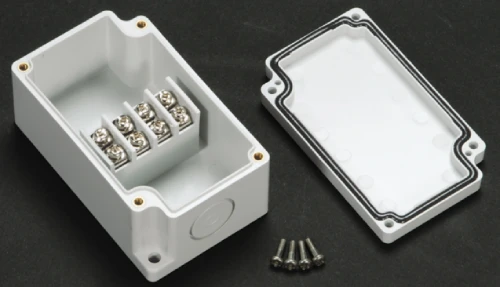
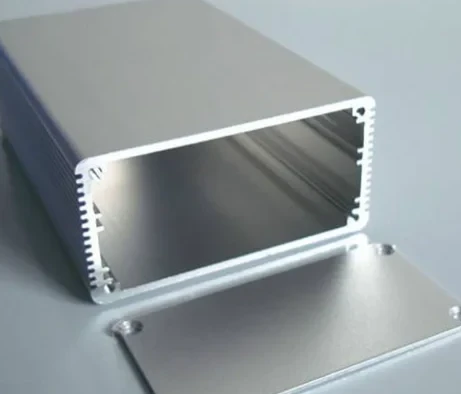
For industrial-grade terminal boxes, the integrity of grounding stud threads is by no means a minor detail; rather, it is a core manufacturing characteristic directly related to equipment safety and system reliability. Once the threads are damaged, not only does it become impossible to securely fasten grounding cables on-site, but it also directly increases the impedance of the grounding loop, causing the electrical terminal box to lose its protective function—a particularly critical issue in high-vibration or high-humidity industrial environments. From a sheet metal manufacturing perspective, the root causes of such failures often lie deep within the early processing and assembly stages—deviations in tapping parameters, uncontrolled assembly torque, and installation defects in self-clinching fasteners (such as PEM nuts). This article will provide an in-depth analysis of the common root causes of thread damage in grounding studs for custom terminal boxes and explore how to achieve reliable thread quality through manufacturing process optimization, ensuring that every part meets the most stringent on-site

Terminal Box Grounding Stud Thread Damage: Causes and Solutions Read More »

aluminum alloy cnc rapid prototype

Outdoor Prototype Sheet Metal Fabrication: Material Selection Guide

In the development of outdoor products, prototype sheet metal fabrication represents a critical phase for validating designs and predicting mass production feasibility. Unlike controlled indoor environments, outdoor sheet metal fabrication prototypes must function as comprehensive “system test platforms”. Their purpose is to pre-emptively expose potential failure risks throughout the product lifecycle before commencing large-scale production. Consequently, the selection of prototype sheet metal fabrication materials extends far beyond mere compliance with drawing specifications. It constitutes a core strategic decision directly determining the efficacy of prototype testing, the control of development costs, and the smoothness of transition to stable mass production. From a professional prototype sheet metal fabrication perspective, the core logic in selecting outdoor prototype materials lies in systematically balancing functionality, environmental exposure, and manufacturing processes. This necessitates moving beyond the pursuit of single high-performance materials to establish a three-dimensional decision-making framework encompassing key performance indicators, specific environmental exposure scenarios, and manufacturability. Our objective is to identify and resolve potential future

Outdoor Prototype Sheet Metal Fabrication: Material Selection Guide Read More »

precision cnc machining mould tools

CNC Machining Bronze: C54400 Cutting Performance Upgrades

For precision CNC machining bronze, C54400 phosphor bronze represents a critical yet challenging material. Its exceptional strength, wear resistance and corrosion resistance make it indispensable for high-reliability components such as connectors, bearings and valves. However, the conventional CNC machining bronze process has long faced three major bottlenecks: short tool life, difficulty in controlling surface finish, and inefficient cutting parameters. These issues not only inflate costs but also compromise product quality. In CNC machining bronze practice, Supro has increased the cutting speed for C54400 phosphor bronze from 5m/min to 20m/min, achieving a 40% improvement in surface quality and a 20% reduction in cutting force. Furthermore, innovations in CNC machining bronze tool technology have amplified these gains. The application of physical vapour deposition (PVD) coatings, such as AlTiN, significantly enhances the hardness and wear resistance of bronze CNC machining tools. This enables higher cutting speeds and extended tool life under dry or near-dry cutting conditions, while maintaining exceptional surface finish. Moreover, advanced

CNC Machining Bronze: C54400 Cutting Performance Upgrades Read More »

precision server rack rail

Resolving U-Space Alignment Deviations in Server Rack Rails

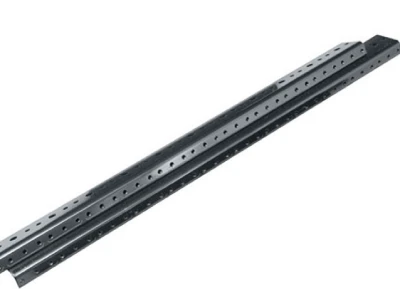
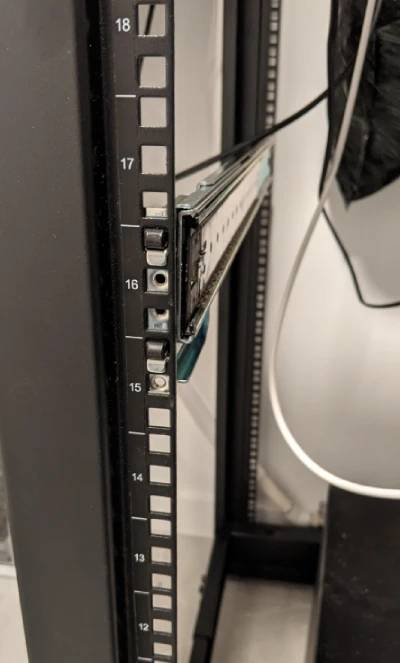
In high-density data center infrastructure, dimensional accuracy of server rack rails is absolutely non-negotiable. If it is discovered during on-site deployment that 1U or 2U servers cannot align with the mounting holes, this would be a costly mistake. This specific U-Space alignment deviation—which directly violates the EIA-310-E standard—typically stems from microscopic manufacturing deviations that create a chain reaction along the vertical length of the profile. When relying on precision server rack rails to support critical IT equipment, even minor cumulative pitch errors during continuous stamping can render the rack unusable, leading to stripped threads and uneven load distribution. To address this issue, basic sheet metal fabrication must be elevated to the level of precision micro-tolerance engineering. This article provides an in-depth analysis of the root causes of U-Space positioning deviations, particularly material stretching deformation and die pitch errors. Furthermore, it details how advanced CNC servo feeding technology and optical First Article Inspection (FAI) protocols ensure that every custom server rack

Resolving U-Space Alignment Deviations in Server Rack Rails Read More »

metal hanging shelves

Addressing Hidden Corrosion Issues in Metal Hanging Shelves

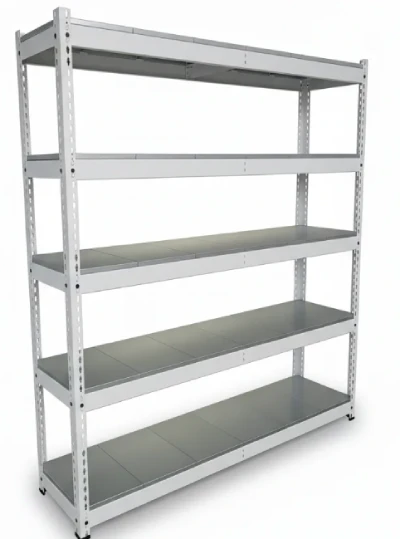
For commercial-grade storage systems such as metal hanging shelves, internal corrosion of tubular suspension rods is a long-underestimated design flaw. In humid environments such as kitchens and unheated garages, condensation accumulates on the inner walls of vertically suspended tubes, causing gradual rusting. Eventually, brown rusty water seeps out from the tube ends or weld seams, contaminating the items stored below. The root cause of this failure mode in custom metal hanging shelves is not the quality of the coating—when electrostatic powder coating is applied to tubular components, the Faraday cage effect causes charged powder particles to deposit primarily on the outer edges and flat surfaces, preventing effective penetration into the deep recesses of the tube’s interior. The exposed steel continues to corrode under the influence of condensation, while the external coating remains intact, making the problem extremely difficult to detect during the procurement and acceptance inspection stages. This article systematically analyzes the physical mechanisms of this hidden failure from the

Addressing Hidden Corrosion Issues in Metal Hanging Shelves Read More »

terminal box

Terminal Box NEMA Rating Failure: Causes and Solutions

As a critical protective unit for terminal blocks and internal electrical connections in electrical systems, the reliability of a terminal box’s IP (IEC 60529) and NEMA (NEMA 250) protection ratings directly impacts the safe operation of equipment and its total lifecycle cost. Industry data shows that approximately 28% of electrical enclosure failures can be traced back to defects during the fabrication stage, with weld porosity and microscopic gaps being the most common failure paths. Moisture ingress caused by such defects not only leads to failure in protection rating tests but also results in insulation degradation, short-circuit failures, and costly shutdowns, increasing project lifecycle costs by 10–15%. In actual engineering procurement, IP rating failures in custom terminal boxes often stem not from inadequate design specifications, but from weld quality that fails to meet the structural integrity required by standards. From a sheet metal fabrication perspective, the repeatability of welding processes and defect control are the core bottlenecks determining whether an electrical

Terminal Box NEMA Rating Failure: Causes and Solutions Read More »

custom server rack rails

Preventing Server Rack Rail Sagging: Overcoming Insufficient Yield Strength

As enterprise data centers rapidly transition to high-density computing, the mechanical demands placed on infrastructure hardware have increased dramatically. Today, standard server rack rails are no longer merely simple mounting brackets, but critical load-bearing structural components. When deploying 4U enterprise-class servers or heavy-duty UPS battery backup equipment, if the design yield strength of metal server rack rails is insufficient, deflection will inevitably occur under continuous static and dynamic stress. This sagging is rarely a design flaw—rather, it is a direct manufacturing defect. For procurement professionals, purchasing substandard hardware can lead to jammed sliding mechanisms, extended maintenance downtime, and serious risks to expensive IT assets. Typically, these load-bearing failures occur when uncertified manufacturers reduce the specifications of custom server rack rails by substituting substandard 1.5-millimeter steel for the required 2.0-millimeter high-strength steel. As experts in custom sheet metal fabrication, our engineering team regularly analyzes and corrects these specific material compromises. This article provides an in-depth analysis of the mechanical principles of

Preventing Server Rack Rail Sagging: Overcoming Insufficient Yield Strength Read More »

Battery Housing

Solving EMI/RFI Shielding Leakage Issues in Battery Housings

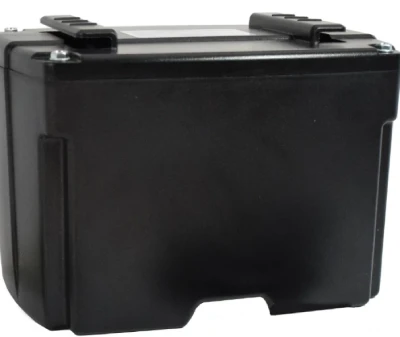
For high-voltage battery housings, the effectiveness of electromagnetic interference (EMI) and radio frequency interference (RFI) shielding is directly related to the system’s functional safety and reliability. Even the slightest shielding leakage can cause sensitive control circuits to malfunction or generate unacceptable interference with external communication devices. From a sheet metal manufacturing perspective, the core challenge in achieving a complete Faraday cage effect for custom battery housings lies not in material selection, but in eliminating potential structural conductive discontinuities through precise process control. Improper coating treatment of flange surfaces, ill-conceived fastener layouts, or insufficiently compressed conductive gaskets can all introduce gaps in what would otherwise be a continuous conductive path, creating sources of high-frequency leakage. This article will delve into these shielding failure modes caused by manufacturing processes, focusing on the entire workflow from prototype validation to mass production, and provide a set of practical engineering solutions to ensure that every battery housing meets its stringent electromagnetic compatibility (EMC) performance specifications.

Solving EMI/RFI Shielding Leakage Issues in Battery Housings Read More »

custom heavy duty shelves

Why Do Heavy Duty Shelves Bleed Red Rust From Seams

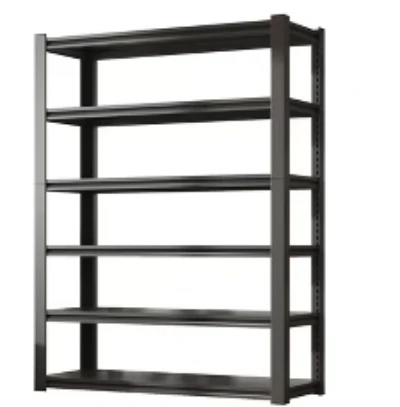
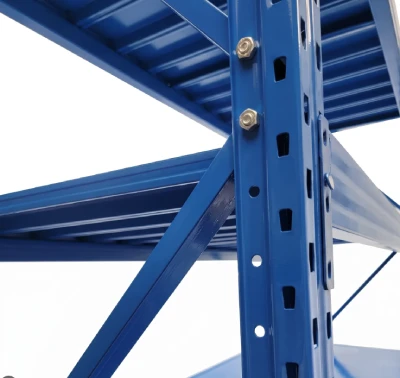
In warehousing and industrial facilities, the structural integrity of heavy duty shelves is directly linked to operational safety. However, a common yet often underestimated failure mode is the seepage of red rust from the interior of the uprights, lap joints, or bolted connections several months after installation. This is far from merely a cosmetic issue. This phenomenon—known as exfiltrative rust—is a clear sign of crevice corrosion, indicating insufficient cathodic protection and localized electrochemical activity. The root cause is often hidden in the fabrication process of heavy duty shelves—the Faraday cage effect caused by electrostatic powder coating leads to coating deficiencies in narrow areas, or the use of bare steel substrates without galvanized protection in humid environments. Understanding this failure mechanism is the first step in selecting a sheet metal manufacturing partner with in-depth process knowledge and the ability to implement proactive DFM (Design for Manufacturing) controls. Analysis of the Causes of Red Rust Seepage at the Joints of heavy duty

Why Do Heavy Duty Shelves Bleed Red Rust From Seams Read More »

custom galvanized steel automotive stamping parts manufacturer

Comparison of Progressive Metal Stamping and Transfer Die Stamping

In high-volume custom sheet metal stamping, the die selection made during the design phase directly determines the final unit cost, production cycle, and structural integrity. Choosing between progressive stamping and transfer die stamping requires a rigorous technical evaluation of geometric dimensions and tolerances (GD&T) requirements, total production volume, and material utilization targets. While progressive die stamping excels at high-speed, continuous production of small parts with tight tolerances, the transfer die stamping process offers unmatched geometric flexibility required for deep-drawn housings and large panels. If the product design does not align with the manufacturing process, it often results in high die amortization costs or unacceptable metal scrap rates. In this article, we will provide a detailed analysis of the mechanical feasibility, cost implications, and design constraints of both progressive die and transfer die stamping, offering you precise technical data to help you make optimized and risk-free procurement decisions. Understanding Progressive Die Stamping The progressive die stamping process processes continuous metal coils

Comparison of Progressive Metal Stamping and Transfer Die Stamping Read More »

splash guard

Premature Corrosion in Stainless Steel Splash Guard:Causes and Solution

Stainless steel splash guards installed in cleanrooms or food-grade processing lines serve the primary function of protecting surrounding equipment and the environment from liquid exposure while maintaining the integrity of their own surfaces. However, in practical applications, these components often exhibit premature surface rust and pitting within weeks or months of being put into service. Typically, three interrelated factors lead to premature corrosion of splash guards: the use of 304 stainless steel instead of molybdenum-containing 316L in environments containing chlorides or corrosive chemicals; manufacturing splash guards in areas where carbon steel is processed, where embedded iron particles cause cross-contamination and act as cathodes for electrochemical corrosion; and the absence or inadequacy of chemical passivation treatment after splash guard fabrication—a critical step that removes free iron from the surface and promotes the formation of a more uniform, corrosion-resistant oxide film. This article analyzes each of the aforementioned failure mechanisms from an engineering perspective and proposes practical corrective measures—ranging from steel grade

Premature Corrosion in Stainless Steel Splash Guard:Causes and Solution Read More »

metal gas tank

Preventing Fatigue Cracking in Metal Gas Tank Mounting Ears

For off-road motorcycles and all-terrain vehicles (ATVs), the mounting ears of metal gas tanks are one of the most frequently overlooked structural weak points in the entire fuel system assembly. Under the continuous effects of high-frequency vibrations generated by the engine and torsional loads transmitted through rigid connection points, the root of the weld at the junction between the mounting lugs and the metal gas tank experiences cyclic stress amplitudes, which gradually lead to microstructural degradation of the material. Fatigue cracks typically originate at the weld root—where the stress concentration factor is highest—and propagate into the base metal along the path of maximum principal stress. In one documented case, a 3-millimeter mounting lug welded directly to the wall of a 1-millimeter-thick custom metal gas tank failed multiple times under normal operating conditions, highlighting the importance of thickness matching and load path design. The consequences are not limited to mechanical failure: a cracked mounting lug compromises the integrity of the metal

Preventing Fatigue Cracking in Metal Gas Tank Mounting Ears Read More »

metal gasoline tank

Solving Fuel Pump Flange Thermal Warpage in Metal Gasoline Tanks

Modern automotive fuel systems place increasingly stringent demands on seal reliability, and welding deformation of the top flange on metal gasoline tanks has become a critical process bottleneck affecting the assembly quality of fuel pump modules. Fuel senders or high-pressure fuel pump assemblies are typically mounted to the top of metal gasoline tanks via a flange whose thickness is significantly greater than that of the tank wall. This substantial difference in cross-sectional thickness leads to a severely uneven distribution of heat input during the welding process: the thick flange area absorbs a large amount of heat and heats up slowly, while the thin-walled tank rapidly reaches high temperatures due to its low heat capacity and limited heat dissipation pathways. Local expansion caused by the welding heat cycle and the subsequent cooling contraction accumulate to form residual stresses within the weld and the heat-affected zone (HAZ), ultimately manifesting as angular distortion and loss of flatness on the flange sealing surface. For

Solving Fuel Pump Flange Thermal Warpage in Metal Gasoline Tanks Read More »

custom stainless steel fabrication sheet metal tank services

Deep-drawn metal gas tanks: Preventing wall thinning and cracking

In the stamping process for metal gas tanks, wall thickness control is never merely a matter of dimensional accuracy—it directly affects the container’s pressure integrity and operational safety. The deep-drawing process forms complex geometric contours by causing the sheet metal to flow radially into the die cavity during the forming of metal gas tank half-shells, but this process carries an inherent risk of localized thinning. When the material flow rate cannot keep pace with the punch’s impact speed, the corner regions are forced to compensate for geometric changes through stretching rather than flow, resulting in continuous thickness reduction. Excessive thinning can develop into microcracks that are difficult to detect with the naked eye, or even through-wall fractures. Such defects are particularly dangerous in pressure vessels such as custom metal gas tanks—insufficient wall thickness directly reduces the pressure safety factor. Traditional trial-and-error die development struggles to quantify safety margins, and the industry is gradually shifting toward predictive engineering methods centered on

Deep-drawn metal gas tanks: Preventing wall thinning and cracking Read More »

metal fuel tank

Preventing Coating Failure in Metal Fuel Tanks Caused by Fuel

Deterioration of the outer coating due to fuel leakage is a long-term and costly challenge faced by any metal fuel tank throughout its service life. Accidental leaks are almost inevitable during refueling operations; when traditional coatings or powder coatings with poor adhesion come into contact with hydrocarbon fuels, solvents rapidly penetrate the coating substrate. This leads to coating swelling, loss of adhesion at the substrate interface, and ultimately coating delamination—leaving the bare steel exposed to atmospheric corrosion. The result is widespread rusting and coating flaking, which jeopardizes structural integrity and operational safety. Addressing this failure mode in metal fuel tanks requires a systematic, standards-based approach rather than relying on general workshop practices. For custom metal fuel tanks, the foundation of a durable protective system begins with surface preparation in accordance with the SSPC-SP10/NACE No. 2 standard (i.e., near-white metal blast cleaning). This standard stipulates that at least 95% of the surface area must be free of all visible contaminants, including

Preventing Coating Failure in Metal Fuel Tanks Caused by Fuel Read More »

custom splash guards

Splash Guard Powder Coating Peeling: Causes and Solutions

Splash guards installed in industrial equipment operate under constant mechanical vibration and fluid impact—an environment that subjects the protective coating to cyclic stresses far exceeding what decorative coatings can withstand. When the powder coating on custom splash guards peels off, the consequences go beyond mere cosmetic issues; the exposed substrate can lead to localized corrosion, which may shorten the component’s service life and increase subsequent maintenance costs. From a manufacturing engineering perspective, adhesion failure of the powder coating on splash guards is almost never a problem with the coating material itself. The root cause can be traced back to the production floor: residual drawing lubricants or cutting fluids form a low-surface-energy barrier between the substrate and the coating; meanwhile, scale on laser-cut edges cannot be fully penetrated by conventional phosphating pretreatment. These defects manifest as “false adhesion”: the coating adheres to a layer of oxide or contaminants rather than to the base metal itself; once subjected to vibration or fluid

Splash Guard Powder Coating Peeling: Causes and Solutions Read More »

metal gas tank

Prevent Stripped Threads on Valve Bungs of Metal Gas Tanks

The threaded connections on valve plugs and fittings in metal gas tanks serve as critical interfaces between the tank structure and its fuel delivery or ventilation systems. When these threads fail—whether through thread stripping, seizing, or misalignment—the consequences can range from costly rework and production delays to safety hazards in end-use applications. Therefore, understanding the root causes of thread failure and implementing effective preventive strategies are critical to delivering reliable and durable custom metal gas tanks. This article explores the primary failure mechanisms affecting valve plug threads during the manufacturing of metal gas tanks and proposes corresponding engineering control measures for each stage of the manufacturing process—from CNC machining, quality inspection, and surface treatment to assembly. Causes of Thread Failure in Metal Gas Tank Valve Plugs Thread failure in custom metal gas tank valve plugs typically stems from three interrelated factors: CNC machining deviations that affect pitch geometry, coating penetration during electroplating or electrophoretic coating processes, and assembly errors (such

Prevent Stripped Threads on Valve Bungs of Metal Gas Tanks Read More »

Scroll to Top