Filter posts by category

Projects Studies

aluminum alloy machined housing parts

Addressing Thermal Deformation Issues in EV Charging Station Housing

The global electric vehicle charging infrastructure is undergoing unprecedented expansion—the EV charging station housing market is projected to grow from $3.05 billion in 2025 to $8.49 billion in 2032, at a compound annual growth rate (CAGR) of 15.7%. However, this growth presents a widely underestimated engineering challenge: the structural stability of EV charging station housings under dual thermal loads—exposure to direct sunlight outdoors and full-load operation of internal power modules. Large enclosure door panels—typically over 1.5 meters in height—are highly susceptible to metal buckling under thermal stress, leading to warping and uneven gaps. This compromises the IP rating’s seal integrity, exposing sensitive electrical components to the risk of moisture and particulate ingress. When carbon steel (with a linear expansion coefficient of approximately 11.7×10⁻⁶/°C) undergoes linear expansion exceeding 1 millimeter along the 1.8-meter height of the door panel due to a 50°C temperature rise, a custom EV charging station housing design lacking proper rib reinforcement will directly result in permanent deformation. […]

Addressing Thermal Deformation Issues in EV Charging Station Housing Read More »

custom aluminum stamping parts

Solving Vibration Fatigue Fracture Issues in Splash Guards

Splash guards installed on production equipment fail within a few months—not due to impact or corrosion, but because of cracks caused by vibration fatigue around the mounting bolts. This failure mode has been extensively documented in sheet metal applications: bolted joints create geometric discontinuities that lead to cyclic stress concentrations. When the equipment’s excitation frequency matches the splash guard’s natural frequency, resonance amplifies the deflection amplitude, thereby accelerating crack initiation and propagation. The problem is further exacerbated when thin sheets lack sufficient section modulus (a geometric property that determines bending stiffness). From a splash guard fabrication perspective, the solution is not simply to increase material thickness, but rather to strategically modify the sheet metal geometry to raise its natural frequency and redistribute stress away from the connection areas. This article explores the root causes of fatigue failure in custom splash guards and proposes practical forming strategies—rib reinforcement, edge rolling, and vibration isolation—that can extend service life without significantly increasing weight

Solving Vibration Fatigue Fracture Issues in Splash Guards Read More »

Custom galvanized steel water tanks

Material Selection Strategies for Addressing Internal Corrosion in Metal Fuel Tanks

Today, ethanol-gasoline blends (such as E10 and E85) and biodiesel have become standard fuels in the North American and European markets. While these blends reduce emissions and improve octane ratings, they also present a series of material compatibility challenges that directly affect the integrity of metal fuel tank systems. Ethanol is hygroscopic; it readily absorbs moisture from the atmosphere and contains corrosive ions such as chloride ions. Similarly, biodiesel has high oxygen and moisture content, and the fatty acids and their degradation products further enhance corrosion of carbon steel. Steel fuel tanks exposed to fuel-grade ethanol are susceptible to stress corrosion cracking, and Q235 carbon steel also exhibits measurable corrosion when immersed in ethanol-gasoline blends. The consequences extend beyond surface rust—they include the generation of particulate contaminants that can clog pumps and injectors; in severe cases, perforation may occur, leading to leaks and safety hazards. For metal fuel tank manufacturers and procurement engineers, specifying metal fuel tank materials that eliminate

Material Selection Strategies for Addressing Internal Corrosion in Metal Fuel Tanks Read More »

custom metal bracket fabrication services

Custom Heavy Duty Metal Brackets: Provide Sturdy Support

In demanding industrial environments, standard heavy duty metal brackets often become the weak link in system reliability. When components fail due to metal fatigue under dynamic loads, stress corrosion cracking in harsh conditions, or simple geometric mismatches, the consequences far exceed the cost of part replacement. This leads to unplanned downtime, safety violations, and costly production losses. As a specialized heavy duty metal bracket manufacturer, Supro understands that true engineering support stems from deep analysis of application load spectra, environmental corrosion factors, and long-term performance degradation curves. Therefore, custom heavy duty metal brackets tailored to specific operating conditions are an engineering necessity for ensuring structural integrity and smooth project operation. This article systematically explains how, through a collaborative engineering design process—from finite element analysis to materials science—custom heavy duty metal brackets transform structural risks into enduring operational advantages. Why Standard Heavy Duty Metal Brackets Are a Potential Weak Link in the Project Chain In engineering projects, standard heavy duty metal brackets are often

Custom Heavy Duty Metal Brackets: Provide Sturdy Support Read More »

precision custom metal enclosure projects

Custom Sheet Metal Enclosure Fabrication for Industrial Automation

In the realm of industrial automation, enclosures are no longer mere protective covers but serve as critical system platforms housing precision control systems and ensuring long-term stable operation of equipment. Modern production lines impose multidimensional demands on sheet metal fabrication enclosures: they must withstand continuous vibration and impact, provide reliable IP protection and EMC shielding, and effectively manage thermal challenges arising from high power density. The core value of a successful sheet metal enclosure fabrication solution lies in delivering systematic responses to these complex operating conditions, rather than merely providing dimensionally accurate enclosures. This demands that sheet metal enclosure fabrication manufacturers treat the enclosure as an integrated engineering component from the project’s inception. Through a scientific sheet metal enclosure fabrication process, every step—from design simulation to welding and assembly—must precisely anchor to final performance metrics: structural integrity, environmental resilience, and maintainability throughout the entire lifecycle. This establishes a robust physical foundation for the reliable operation of automated equipment. This article

Custom Sheet Metal Enclosure Fabrication for Industrial Automation Read More »

custom metal bracket

Custom 90-Degree Metal Bracket: Material Selection

In structural engineering, the reliability of 90-degree metal brackets extends far beyond their simple geometric form. They shoulder complex mechanical transmission tasks: from static support to dynamic load distribution, from environmental corrosion resistance to thermal stress management. As a professional custom 90-degree metal bracket manufacturer, Supro deeply understands that premature bracket failure rarely stems from sudden overload but often results from fundamental mismatches between materials and operating environments. Failures caused by such mismatches—such as stress corrosion cracking or fatigue fractures—are typically gradual and insidious, ultimately driving up project costs and causing downtime losses. Therefore, selecting the correct 90-degree metal bracket material is not merely a matter of specification screening but a critical project protection strategy. The choice of material directly determines the structure’s lifecycle cost and safety margin. This article systematically explains, based on materials science and failure analysis, how precisely selecting 90-degree metal bracket materials transforms performance requirements, environmental challenges, and manufacturing processes into durable and reliable structural connections.

Custom 90-Degree Metal Bracket: Material Selection Read More »

custom metal enclosures manufacturing

Why Do Stainless Steel IP Enclosures Develop Premature Rust Spots?

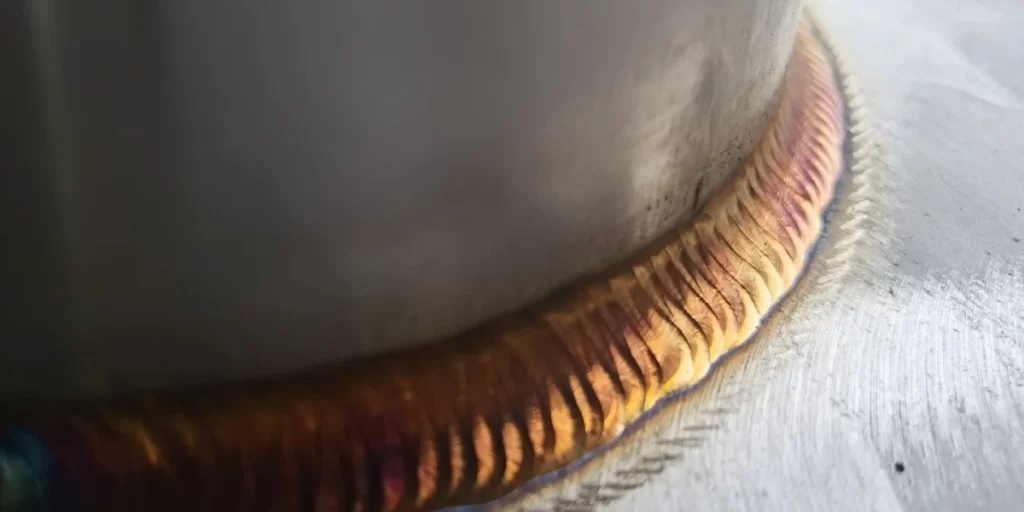
When brown spots appear on the surface of stainless steel IP enclosures a few months after installation, it is often assumed that this is due to the material grade. However, based on nearly two decades of custom fabrication experience, Supro has found that over 90% of premature rusting incidents can be attributed to four preventable factors: free iron contamination during cutting or grinding, thermal discoloration from unshielded welding, crevice designs that trap electrolytes, and the omission of passivation treatment. Although the passivation layer on the surface of 304 or 316 stainless steel is robust, it cannot compensate for embedded particles or heat-affected zones with insufficient chromium content. To ensure that stainless steel IP-rated enclosures achieve their intended performance, the entire manufacturing process must be strictly controlled, from dedicated tooling to post-weld acid pickling. This article analyzes each root cause from a manufacturer’s perspective, providing purchasers and engineers with actionable criteria to distinguish genuine metal defects from premature corrosion caused by

Why Do Stainless Steel IP Enclosures Develop Premature Rust Spots? Read More »

custom carbon steel water tanks

Hydrostatic Pressure Control in Metal Water Tank Manufacturing

For metal water tanks, hydrostatic pressure is the most fundamental yet most frequently underestimated structural load. Hydrostatic pressure increases linearly with liquid depth—the pressure exerted on the bottom of the tank is significantly higher than that on the upper sections. This physical characteristic directly dictates the need for non-uniform wall thickness in the design. Under hydrostatic pressure, cylindrical metal water tanks primarily experience circumferential stress; if this stress is not accurately calculated, it can cause the tank wall to bulge outward in the bottom region. Existing cases of engineering failures indicate that metal water tanks with insufficient wall thickness design can experience permanent bulging of more than 2 mm in the bottom wall under full-load conditions—this plastic deformation not only compromises structural integrity but also accelerates the initiation of stress concentrations and fatigue cracks during subsequent use. Hydrostatic pressure control for custom metal water tanks must begin at the design stage: shell thickness calculations should be performed in accordance with

Hydrostatic Pressure Control in Metal Water Tank Manufacturing Read More »
NEMA 3 enclosures

How to Prevent FIPG Gaskets from Peeling in NEMA Enclosures

Field-formed gaskets (FIPG) have become the mainstream sealing solution for NEMA enclosures, offering design flexibility, superior sealing performance, and cost-effectiveness that traditional die-cut or strip gaskets cannot match. This technology typically uses a two-component silicone or polyurethane system applied directly to the flanges of NEMA-rated electrical enclosures, which not only eliminates corner seams and reduces material waste but also accommodates complex geometries. However, a long-standing challenge persists in FIPG applications: the delamination and peeling of the gasket from the metal substrate. When the FIPG material fails to maintain a strong bond with the surface of the NEMA enclosure, leakage paths form, compromising the NEMA rating and exposing sensitive electrical components to environmental contaminants. This failure mode directly threatens product reliability, creates warranty risks, and jeopardizes brand reputation. This article provides an in-depth analysis of the root causes of FIPG delamination in custom NEMA enclosure applications and proposes engineering-based preventive strategies grounded in surface science, material selection, and process control. Understanding

How to Prevent FIPG Gaskets from Peeling in NEMA Enclosures Read More »

custom metal enclosure manufacturer

How to Prevent Galvanic Corrosion in IP Enclosures

For IP enclosures, electrochemical corrosion is by no means a superficial issue—it is a design flaw that can lead to failure at any time. When two different metals come into contact inside a sealed IP-rated enclosure, the moisture trapped by the IP rating acts as an electrolyte. The result? The metal with the lower potential will be the first to corrode. We have witnessed aluminum bases develop pitting corrosion within just a few months when paired with stainless steel fittings without proper isolation measures. As a manufacturer of custom IP-rated enclosures with over 20 years of experience, Supro MFG treats electrochemical corrosion as a predictable issue rather than an unexpected consequence of environmental factors. The challenges are even more severe for outdoor or washdown-rated IP enclosure applications, as condensation cycles and sealed joints prevent natural drying. Neglecting the electrochemical series during material selection or assembly will directly shorten the service life of the enclosure. In this guide, we will detail

How to Prevent Galvanic Corrosion in IP Enclosures Read More »

NEMA 2 enclosure

Eliminating Capillary Leaks in Fillet Welds of NEMA Enclosures

For precision-manufactured NEMA enclosures, capillary leakage at fillet welds has always been a persistent quality defect—one that is difficult to detect through visual inspection but highly likely to cause field failures. Unlike straight joints with predictable weld geometries, curved corners create narrow micro-gaps that trap moisture due to surface tension. After two years of root cause analysis on over 4,000 stainless steel and low-carbon steel NEMA enclosures, Supro MFG found that 87% of NEMA 4/4X-rated failures could be traced to incomplete fusion in the root transition zone of the weld. Conventional grinding or excessive application of sealant merely masks the capillary channels without eliminating them. This article proposes process control measures—ranging from GTAW parameter optimization to post-weld vacuum-assisted sealing—aimed at sealing these microchannels at the metallurgical level. For NEMA enclosures designated for use in flushed or outdoor environments, these technical interventions can directly reduce the incidence of failures. Understanding Capillary Leakage in NEMA Enclosures In custom NEMA enclosures, capillary leakage

Eliminating Capillary Leaks in Fillet Welds of NEMA Enclosures Read More »

custom aluminum alloy sheet metal water tanks

Extending the Service Life of Metal Water Tanks: Solutions for Fatigue Cracking in Supports

The service life of metal water tanks is often determined not by corrosion or pressure vessel failure, but by fatigue cracks at rigid support connections. High-frequency vibrations caused by pumps and cyclic thermal expansion generate repeated stresses that concentrate at weld roots and areas of sudden cross-sectional change. In a documented case involving a water storage tank installation, cracks up to 4 millimeters deep were discovered in the welded mounting brackets after only three years of use. Metallographic examination traced the failure mechanism to strain-induced corrosion cracking, caused by the welded brackets acting as local restraints that impeded the natural deformation of the relatively thin and highly elastic metal water tank walls. This local constraint caused stress concentrations in the joint area to exceed the strain tolerance of the protective coating, leading to corrosion propagation into the base metal and the formation of deeper cracks. Addressing this failure mode in metal water storage tanks requires a two-pronged approach: decoupling vibration

Extending the Service Life of Metal Water Tanks: Solutions for Fatigue Cracking in Supports Read More »

custom stainless steel fabrication sheet metal tank services

Preventing Microbial-Induced Corrosion in Metal Water Tanks

For metal water tanks, microbial-induced corrosion (MIC) is a threat to structural integrity that is often significantly underestimated. Unlike traditional corrosion driven by electrochemical potential differences, MIC stems from the colonization and metabolic activity of microorganisms on metal surfaces. Bacteria form biofilms by secreting extracellular polymers, creating a microenvironment on the inner walls of metal water tanks that differs significantly from the main water body in terms of pH, dissolved oxygen, and chemical species. This microenvironment leads to localized electrochemical potential differences, which in turn induce severe pitting corrosion; the perforation rate can reach significant levels within a matter of weeks or even days. MIC can occur in various materials commonly used for water tanks, such as carbon steel, austenitic stainless steel, and aluminum alloys, and tends to develop preferentially in areas with microstructural inhomogeneities, such as welds and heat-affected zones. More critically, stagnant water conditions provide an ideal breeding ground for bacterial proliferation—water left standing in a tank that

Preventing Microbial-Induced Corrosion in Metal Water Tanks Read More »

custom metal enclosure manufacturer

Failure Analysis of IP Enclosures in Practical Applications

In the field of enclosure manufacturing, the gap between laboratory IP certification and the reliability of IP enclosures in the field has long been a pressing engineering challenge. IEC 60529 testing measures short-term resistance to dust and moisture under static, mild conditions—yet real-world installation environments introduce issues such as thermal cycling, vibration, gasket creep, and galvanic coupling. A brand-new IP-rated enclosure that passes IP66 testing in the laboratory may see its protection rating drop to the equivalent of IP54 within months of deployment due to compression set, vacuum suction effects, interface leakage, or galvanic corrosion. Demonstrating that custom IP-rated enclosures can withstand cumulative environmental stresses requires more than just a one-time certification on paper. Understanding these four field-proven failure mechanisms is critical for specifying enclosures that will provide the rated protection level throughout their expected service life. This analysis will examine these failure mechanisms of IP enclosures one by one from the perspectives of manufacturing processes and materials science. What

Failure Analysis of IP Enclosures in Practical Applications Read More »

metal welding services

Preventing Fluid Leaks at Splash Guard Seams: Welding and Sealing Strategies

In industrial manufacturing environments, splash guards serve as a critical barrier, protecting sensitive mechanical components from corrosion caused by cutting fluids, lubricants, and coolants. When leaks occur at the corners or edges of joints, the liquid that accumulates on the shop floor not only creates a slip hazard but also poses a risk of violating workplace safety regulations. The root causes of such failures in custom splash guards can typically be attributed to three interrelated factors: intermittent spot welding patterns that result in unfused gaps between discrete weld spots; insufficient penetration depth, which prevents complete fusion of the joint; and a lack of secondary sealing measures at the lap joint interface. Although industry standards such as AWS D9.1 clearly specify process and inspection criteria for non-structural sheet metal products, many manufacturers still rely solely on spot welding when manufacturing splash guard assemblies, failing to address the inherent leakage pathways. At Supro MFG, we view the integrity of splash guard welds

Preventing Fluid Leaks at Splash Guard Seams: Welding and Sealing Strategies Read More »

custom metal enclosures services

Galvanized Steel Enclosures vs. Stainless Steel Enclosures

In scenarios such as industrial equipment protection, electrical system installation and outdoor facility construction, steel enclosure, with its outstanding structural strength and protective performance, becomes a key protective barrier to ensure the safe and stable operation of the internal components of the equipment. It can withstand dust, moisture, corrosive chemicals and other external factors. However, steel enclosure is not a single type, in which stainless steel enclosure and galvanized steel enclosure are the two most widely used steel enclosures, and there are significant differences in their performance characteristics and application scenarios. The article will discuss the basics of steel enclosure in detail, and focus on stainless steel enclosure and galvanized steel enclosure, at the same time, the two will be compared in multiple dimensions, to make clear their main differences, to help you choose the right steel enclosure. what is steel enclosure A Steel Enclosure is a protective device made of steel whose core function is to provide robust physical

Galvanized Steel Enclosures vs. Stainless Steel Enclosures Read More »

EMI/RFI shielding cans

Solving the EMI Shielding Can Short Circuit Problem

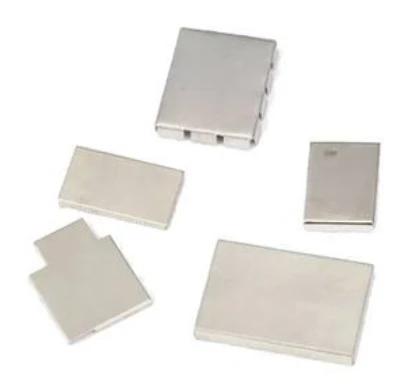
EMI shielding cans—also known as radio frequency (RF) shielding cans or board-level shielding cans—are metal enclosures mounted over sensitive components or sections of a circuit to block EMI/RFI radiation and prevent external interference. In a wide range of applications, from wireless communications and medical devices to automotive electronics, these components are essential for achieving electromagnetic compatibility (EMC) compliance. However, a problem arises when implementing EMI shielding cans: the shielding, which is intended to protect the circuit, can under certain conditions actually become the root cause of catastrophic hardware failure. When the inner top surface of an EMI shielding can comes into contact with exposed pins or active components on a printed circuit board (PCB), it causes a direct short circuit—which typically results in permanent damage to the board and its components. From the perspective of precision metal fabrication, this failure mode in EMI shielding cans is entirely preventable. Its root causes—insufficient Z-axis height clearance, thermal deformation under operating conditions, and

Solving the EMI Shielding Can Short Circuit Problem Read More »

terminal box

An Analysis of Weatherproof Outlet Boxes

Nowadays, outdoor electricity scenes are becoming more and more abundant, whether it is the lighting and power supply in residential courtyard, the use of electrical appliances in outdoor terrace, or the temporary power supply in construction site, the connection of electric equipment in commercial plaza, all of them will use outlet box, however, the ordinary outlet box in the open-air environment is susceptible to the rain, dust, high and low temperatures, and other environmental factors, not only may lead to a short-circuit, leakage and other safety hazards, but also shorten the service life of equipment. However, ordinary outlet boxes are easily attacked by rain, dust, high and low temperature and other environmental factors in the open environment, which may not only cause short-circuit, leakage and other security risks, but also shorten the service life of the equipment. Therefore, weatherproof electrical outlet box is very important in this kind of scene. It is a kind of electrical protection outlet box specially

An Analysis of Weatherproof Outlet Boxes Read More »

A Guide to EMI/RFI Shielding in custom metal fabrication

Precision Stamping of EMI/RFI Shielding Cans: Eliminating Dimensional Drift

PCB-level EMI/RFI shielding cans are critical components for protecting sensitive electronic circuits from electromagnetic and radio frequency interference. As PCB areas continue to shrink and component density continues to increase, the dimensional accuracy of these stamped enclosures has become a key factor determining SMT assembly yield and overall product reliability. The core challenge in stamping EMI/RFI shielding cans lies not in the forming process itself, but in managing the physical phenomena that affect geometric accuracy over millions of production cycles. Springback—the elastic recovery of metal after deformation—causes finished part dimensions to deviate from the die geometry. Wear on the edges of progressive dies leads to cumulative drift. Variations in material properties between different coil batches further exacerbate the challenges of process stability. This article provides an in-depth analysis of the root causes of dimensional deviations beyond tolerance limits during the stamping of EMI/RFI shielding cans and outlines the engineering control measures required to achieve a process capability (CPK) greater than

Precision Stamping of EMI/RFI Shielding Cans: Eliminating Dimensional Drift Read More »

custom steel metal cabinets fabrication

Guide to generator soundproof box

As the key equipment for emergency power supply and outdoor operation, generator is widely used in engineering construction, wild camping and other scenes, but the noise generated by its operation will seriously disturb the surrounding environment. Therefore, generator soundproof box is very important. The article will focus on generator soundproof box to start a detailed analysis, first from the core definition, then analyze its main features and the errors that should be avoided in the process of customization, and finally list the common application scenarios to help you fully understand the generator soundproof box. What is generator soundproof box? generator soundproof box is an enclosed or semi-enclosed box specially designed to reduce the noise generated by the generator during operation, which is a comprehensive equipment solution that combines the functions of soundproofing, noise reduction, ventilation and heat dissipation, dustproof and rainproof, etc. Its core purpose is to ensure the safety of the generator. Its core purpose is to ensure the

Guide to generator soundproof box Read More »

terminal box

Advantages and Disadvantages of Polycarbonate Boxes

In industrial manufacturing, consumer electronics, medical devices and other fields, the choice of materials often determines the performance and service life of products. Polycarbonate boxes are one of the most common and widely used engineering plastic products, and are popular in many industries due to their unique properties and advantages. polycarbonate plastic boxes are not only simple containers, but also an important solution for protecting the precision components of your equipment and coping with harsh environments. Whether you need it for indoor or outdoor use, consider choosing polycarbonate electrical boxes. This article will analyze polycarbonate box in detail, first from the basic definition, then analyze its advantages and disadvantages, and finally list its common applications in electrical and electronic, medical equipment, safety protection and food industry, etc., which will help you to know and understand the relevant knowledge of polycarbonate box comprehensively, and make scientific decisions in practical applications. The catalog is a comprehensive guide to help you understand polycarbonate

Advantages and Disadvantages of Polycarbonate Boxes Read More »

china custom cnc machining junction box

Get to Know terminal box Basics

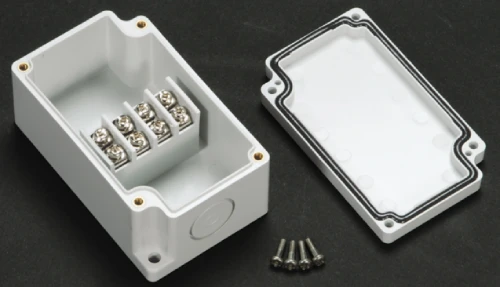
In industrial electrical wiring systems, building circuit installations and other scenarios, the terminal box is an important part of protecting electrical connections and ensuring the safety and reliability of electrical installations. In this article, we will analyze the various aspects of terminal boxes, starting with a basic definition, then identifying their main functions and common materials, and finally analyzing how to choose the right terminal box. This article is designed to help you get a comprehensive understanding of the basics of the electrical terminal box and to make scientific and informed decisions on your projects! What is a terminal box? The electrical terminal box is an important part of the electrical wiring and is a specialized box used to contain and protect electrical connections. It is one of the most basic and common components in electrical engineering, and is widely used in industry, construction, infrastructure, and a variety of household equipment. terminal box can provide protection for the electrical connections

Get to Know terminal box Basics Read More »

NEMA enclosure

What is a NEMA 3 enclosure?

In industrial equipment, electrical systems and outdoor infrastructure scenarios, enclosure is an important protective barrier for precision components inside the equipment, which directly affects the service life and stable operation of electrical equipment. The protection standards set by the National Electrical Manufacturers Association (NEMA) are a key basis for evaluating the performance of enclosures and provide clear guidelines for selecting NEMA enclosures for different environments. Among them, NEMA 3 enclosure is one of the most widely used enclosure types. In this article, we will discuss NEMA 3 enclosures in a comprehensive manner, firstly clarifying their core definitions, then analyzing their advantages and limitations, then introducing common application scenarios, and comparing them with NEMA 3r enclosures in multiple dimensions to make clear the main differences between the two. The article is designed to help you gain a comprehensive and in-depth understanding of NEMA 3 enclosures and make a scientific and informed choice in practical applications. Introduction to NEMA 3 Enclosures NEMA

What is a NEMA 3 enclosure? Read More »

custom stainless steel sheet metal fabrication enclosures manufacturing

NEMA Enclosure Comparison: NEMA 4X vs. 7

In the field of industrial equipment protection, NEMA rating is the core standard for judging the performance of enclosure protection, and NEMA enclosure adaptability is directly related to the equipment in different harsh environments, stable operation and use of safety, so it is important to choose the right NEMA enclosure. The article will focus on NEMA 7 enclosure and NEMA 4X enclosure to carry out a comprehensive analysis of the first clear definition of the basis of NEMA ratings, and then in-depth analysis of NEMA 7 enclosure and NEMA 4X enclosure of specific definitions and application scenarios to show the two unique attributes; and then through a direct comparison, a clear presentation of the differences and commonalities between the two; and finally combined with the actual needs, to give advice on the selection of models, and to answer the Frequently asked questions. For the industrial sector related practitioners to provide a clear, practical reference to help them choose the most

NEMA Enclosure Comparison: NEMA 4X vs. 7 Read More »

custom metal enclosures services

Guide to Understanding NEMA 2 Enclosures

In the operation and maintenance of electrical equipment, the enclosure of the protective performance is directly related to the safety of the internal components of the equipment and equipment life, and NEMA 2 enclosure is designed for specific environmental needs, and in practical applications need to be differentiated from other NEMA enclosure types, the characteristics of the NEMA 2 enclosure and the application of the scene need to have a precise grasp. The article around the NEMA 2 enclosure to start a systematic analysis, first clear its definition and core protection range, and then analyze the advantages and disadvantages of NEMA 2 enclosure; through the comparison with NEMA 1 enclosure, NEMA 3 enclosure, highlighting the three in the level of protection, the applicable environmental differences. The article aims to provide clear guidelines for electrical equipment enclosure design, selection and related staff to help efficiently use the NEMA 2 enclosure to protect the stable operation of equipment. What is NEMA 2 enclosure? NEMA 2 enclosure

Guide to Understanding NEMA 2 Enclosures Read More »

custom enclosures services

NEMA 3S, NEMA 3R, and NEMA 3 Enclosures: Differences and Proper Selection

In industrial production, outdoor electrical facilities deployment and other scenarios, the protective performance of electrical equipment enclosure is directly related to the stability of equipment operation, service life and personnel safety, and NEMA developed enclosure protection rating system, has become a global measure of the enclosure protection ability of one of the core standards. Among them, NEMA 3 enclosures, NEMA 3R enclosure and NEMA 3S enclosure together belong to the “outdoor protection” rating category, but its protection focus, applicable scenes but there are key differences, if the selection is not appropriate, may lead to equipment damage due to inadequate protection, or due to excessive protection caused by cost waste. The next article from the basic definition of NEMA ratings, clear NEMA 3 enclosure, NEMA 3R enclosure, NEMA 3S enclosure protection characteristics, and then analyze the main differences between the three by comparison, and finally combined with the specific use of the scene to give advice on the selection of production

NEMA 3S, NEMA 3R, and NEMA 3 Enclosures: Differences and Proper Selection Read More »

custom metal enclosure manufacturer

Guide to custom Enclosure Materials

In the field of electronic equipment, industrial equipment, consumer electronics, etc., custom enclosures are not only a barrier to protect the components of the equipment, but also directly affect the durability, stable operation, aesthetics, etc. There are various types of materials for custom electrical enclosures, and only by choosing the right type of material can we ensure that custom enclosures achieve the best performance and protection. There are various types of materials for custom electrical enclosures, and only by choosing the right type of material can you ensure that your custom enclosures achieve optimal performance and protection, ensuring durability, heat dissipation, water resistance, and other safety factors. Let’s take a closer look at some of the common enclosure fabrication materials and compare them in multiple dimensions to analyze the strengths and limitations of different custom electrical enclosures materials to help you make a scientific and informed decision when it comes to custom enclosures! custom enclosure material types Choosing the right

Guide to custom Enclosure Materials Read More »

custom metal enclosure manufacturer

What is Explosion-Proof NEMA 7 Enclosure?

Industrial environments such as petroleum, chemical, and pharmaceutical where there is a high risk of explosive atmospheres require high levels of electrical equipment protection, and the NEMA 7 explosion proof enclosure is a key equipment protection component to address these needs.The NEMA 7 enclosure provides explosion and fire protection in hazardous environments by preventing electrical sparks or arcs from igniting Flammable gases, vapors, or dust in the surrounding environment. This article will focus on the NEMA 7 enclosure to develop a detailed introduction, starting with its core definition, and then in-depth analysis of its characteristics, limitations and common application scenarios, and will be compared with the NEMA 9 enclosure for multi-dimensional, clear the main differences between the two. It also compares NEMA 7 enclosure with NEMA 9 enclosure in multiple dimensions and clarifies the main differences between the two. It helps you to understand NEMA 7 enclosure and make scientific and wise enclosure selection decisions! Definition of NEMA 7 enclosure

What is Explosion-Proof NEMA 7 Enclosure? Read More »

custom sheet metal fabrication for aluminum Electrical enclosure manufacturing

Choose the Best aluminum enclosure for Your Application

In the field of electronic equipment, industrial control, instrumentation, etc., aluminum enclosure is a key component to protect the precision components inside the equipment and ensure the stable operation of the equipment, and it is very important to choose the appropriate aluminum electrical enclosure to enhance the safety of the equipment and prolong its service life. This article will take you to a comprehensive understanding of aluminum enclosure, from its basic definition, and gradually analyze its advantages and disadvantages, applicable scenarios and selection of the details that need to be noted, and its multi-dimensional comparison with stainless steel enclosure, to make clear the main differences between the two, to help in your selection of custom aluminum enclosure when you and make a scientific and wise solution when you select the custom aluminum enclosure. What is an aluminum enclosure? aluminum enclosure is a kind of protective enclosure made of aluminum or aluminum alloy, which is widely used to protect all kinds of

Choose the Best aluminum enclosure for Your Application Read More »

custom stainless steel IP68 enclosure

IP54 vs.IP65 Box:Know the Right Rating

In industrial electronics, outdoor equipment installation and other scenarios, the electrical box is an important component to ensure the stable operation of the internal components of the equipment, and the IP protection level is the core criterion for judging its protection performance. IP54 box and IP65 box are the two most widely used types of electrical boxes, both of which can provide reasonable dustproof and waterproof protection for the internal components, but there are significant differences in their protection strengths and applicable scenarios. Improper selection may lead to accumulation of dust or infiltration of liquids, which may cause short-circuiting or damages to the electronic components, resulting in losses to the production and use. The article will analyze IP54 box and IP65 box in detail, firstly to clarify the basic definition of the two, then to analyze the similarities between the two in terms of protection principle and basic functions, as well as the core differences in dustproof and waterproof capabilities,

IP54 vs.IP65 Box:Know the Right Rating Read More »

Scroll to Top