Filter posts by category

terminal box

An Analysis of Weatherproof Outlet Boxes

Nowadays, outdoor electricity scenes are becoming more and more abundant, whether it is the lighting and power supply in residential courtyard, the use of electrical appliances in outdoor terrace, or the temporary power supply in construction site, the connection of electric equipment in commercial plaza, all of them will use outlet box, however, the ordinary outlet box in the open-air environment is susceptible to the rain, dust, high and low temperatures, and other environmental factors, not only may lead to a short-circuit, leakage and other safety hazards, but also shorten the service life of equipment. However, ordinary outlet boxes are easily attacked by rain, dust, high and low temperature and other environmental factors in the open environment, which may not only cause short-circuit, leakage and other security risks, but also shorten the service life of the equipment. Therefore, weatherproof electrical outlet box is very important in this kind of scene. It is a kind of electrical protection outlet box specially […]

An Analysis of Weatherproof Outlet Boxes Read More »

A Guide to EMI/RFI Shielding in custom metal fabrication

Precision Stamping of EMI/RFI Shielding Cans: Eliminating Dimensional Drift

PCB-level EMI/RFI shielding cans are critical components for protecting sensitive electronic circuits from electromagnetic and radio frequency interference. As PCB areas continue to shrink and component density continues to increase, the dimensional accuracy of these stamped enclosures has become a key factor determining SMT assembly yield and overall product reliability. The core challenge in stamping EMI/RFI shielding cans lies not in the forming process itself, but in managing the physical phenomena that affect geometric accuracy over millions of production cycles. Springback—the elastic recovery of metal after deformation—causes finished part dimensions to deviate from the die geometry. Wear on the edges of progressive dies leads to cumulative drift. Variations in material properties between different coil batches further exacerbate the challenges of process stability. This article provides an in-depth analysis of the root causes of dimensional deviations beyond tolerance limits during the stamping of EMI/RFI shielding cans and outlines the engineering control measures required to achieve a process capability (CPK) greater than

Precision Stamping of EMI/RFI Shielding Cans: Eliminating Dimensional Drift Read More »

custom steel metal cabinets fabrication

Guide to generator soundproof box

As the key equipment for emergency power supply and outdoor operation, generator is widely used in engineering construction, wild camping and other scenes, but the noise generated by its operation will seriously disturb the surrounding environment. Therefore, generator soundproof box is very important. The article will focus on generator soundproof box to start a detailed analysis, first from the core definition, then analyze its main features and the errors that should be avoided in the process of customization, and finally list the common application scenarios to help you fully understand the generator soundproof box. What is generator soundproof box? generator soundproof box is an enclosed or semi-enclosed box specially designed to reduce the noise generated by the generator during operation, which is a comprehensive equipment solution that combines the functions of soundproofing, noise reduction, ventilation and heat dissipation, dustproof and rainproof, etc. Its core purpose is to ensure the safety of the generator. Its core purpose is to ensure the

Guide to generator soundproof box Read More »

steel stamping automotive parts

car sheet metal fabrication:Complete Guide

Car sheet metal fabrication is the cornerstone of the automotive industry. It is not merely about cutting and bending metal; it integrates materials science, mechanics, and advanced manufacturing technologies, directly determining a vehicle’s structural integrity, safety, and performance reliability. The automotive manufacturing sector is currently at a pivotal turning point: the demand for lightweighting is driving a rapid shift from traditional steel to advanced high-strength steel (AHSS) and aluminum alloys. This transition poses significant challenges for the forming and joining processes in custom car sheet metal fabrication. Simultaneously, pressures to reduce costs and improve efficiency require car sheet metal fabrication manufacturers to deeply engage during the design phase. This involves conducting design for manufacturability (DFM) analyses to optimize the transition path from engineering blueprints to mass production. As a specialized car sheet metal fabrication manufacturer, Supro systematically masters the entire knowledge chain—from material properties and manufacturing process windows to full-scale inspection—ensuring every car sheet metal fabrication part delivers traceable, consistent

car sheet metal fabrication:Complete Guide Read More »

terminal box

Advantages and Disadvantages of Polycarbonate Boxes

In industrial manufacturing, consumer electronics, medical devices and other fields, the choice of materials often determines the performance and service life of products. Polycarbonate boxes are one of the most common and widely used engineering plastic products, and are popular in many industries due to their unique properties and advantages. polycarbonate plastic boxes are not only simple containers, but also an important solution for protecting the precision components of your equipment and coping with harsh environments. Whether you need it for indoor or outdoor use, consider choosing polycarbonate electrical boxes. This article will analyze polycarbonate box in detail, first from the basic definition, then analyze its advantages and disadvantages, and finally list its common applications in electrical and electronic, medical equipment, safety protection and food industry, etc., which will help you to know and understand the relevant knowledge of polycarbonate box comprehensively, and make scientific decisions in practical applications. The catalog is a comprehensive guide to help you understand polycarbonate

Advantages and Disadvantages of Polycarbonate Boxes Read More »

metal parts fabrication

4 Mainstream Methods of small metal parts fabrication

In high-end manufacturing fields such as electronic information, medical equipment, aerospace and so on, custom metal fabrication small parts are the core components to guarantee the precision and function of the equipment, and their structural precision and performance stability directly determine the performance and reliability of the end products. As the industry’s requirements for miniaturization, structural complexity and production efficiency of metal parts increase, it is very important to choose efficient and accurate small metal parts fabrication methods. The article centers on small metal parts fabrication to carry out an in-depth study, firstly to clarify its core definition, and then to systematically introduce the principles and application scenarios of the four mainstream manufacturing technologies, namely, precision machining, metal injection molding (MIM), lithography and electroforming (LIGA / micromachining), and 3D printing, as well as to compare and analyze the main differences among the three, with the aim of providing you with the most effective and precise method to fabricate small parts

4 Mainstream Methods of small metal parts fabrication Read More »

custom galvanized steel automotive stamping parts manufacturer

A Guide to metal parts fabrication

metal parts fabrication is the cornerstone of modern industrial production, whether it is electronic equipment accessories, or heavy machinery parts, its quality and accuracy directly affect the product performance and service life. metal parts fabrication is not a simple cutting and splicing, but the original metal material into a series of precision, powerful parts of a comprehensive process. Metal parts fabrication is not simply cutting and splicing, but a series of processes that transform raw metal materials into precise and powerful parts. The article will focus on Metal Parts Fabrication, in-depth discussion of its commonly used materials, cutting, molding, welding and other core processes, as well as plating, spraying and other finishing and post-treatment technologies, and list its common applications in different industries, to help you in the process of custom metal parts fabrication to avoid risk, improve production efficiency and ensure the quality of custom metal parts. It also lists their common applications in different industries to help you

A Guide to metal parts fabrication Read More »

custom steel stamping Clips & Fasteners

6 popular fabricated metal products Techniques

Fabricated metal products are an integral part of modern industrial manufacturing and everyday life. From the metal alarm clock that wakes you up in the morning, to the metal chassis of your car during your commute, to precision medical devices and large industrial equipment parts, fabricated metal products play an important role. These products are not naturally occurring, but are created through a variety of machining technologies and processes that transform base metal materials into custom fabricated metal products with specific functions and shapes. this article takes a look at six of the most popular metalworking technologies: cutting, additive manufacturing (3D printing), forming, joining, specialty machining, and surface treatment. and will help you make more informed, science-based decisions about your custom metal works! What is fabricated metal products? Fabricated metal products are finished or semi-finished products with specific shapes, structures and functions made of metal (e.g. steel, iron, aluminum, copper, stainless steel, etc.) as the core raw material through cutting,

6 popular fabricated metal products Techniques Read More »

china custom cnc machining junction box

Get to Know terminal box Basics

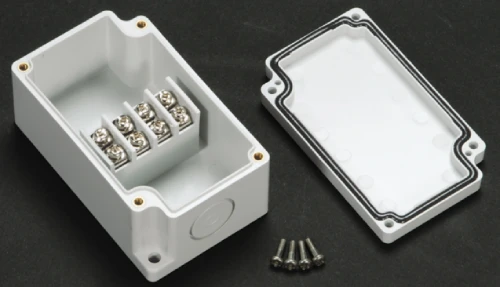
In industrial electrical wiring systems, building circuit installations and other scenarios, the terminal box is an important part of protecting electrical connections and ensuring the safety and reliability of electrical installations. In this article, we will analyze the various aspects of terminal boxes, starting with a basic definition, then identifying their main functions and common materials, and finally analyzing how to choose the right terminal box. This article is designed to help you get a comprehensive understanding of the basics of the electrical terminal box and to make scientific and informed decisions on your projects! What is a terminal box? The electrical terminal box is an important part of the electrical wiring and is a specialized box used to contain and protect electrical connections. It is one of the most basic and common components in electrical engineering, and is widely used in industry, construction, infrastructure, and a variety of household equipment. terminal box can provide protection for the electrical connections

Get to Know terminal box Basics Read More »

NEMA enclosure

What is a NEMA 3 enclosure?

In industrial equipment, electrical systems and outdoor infrastructure scenarios, enclosure is an important protective barrier for precision components inside the equipment, which directly affects the service life and stable operation of electrical equipment. The protection standards set by the National Electrical Manufacturers Association (NEMA) are a key basis for evaluating the performance of enclosures and provide clear guidelines for selecting NEMA enclosures for different environments. Among them, NEMA 3 enclosure is one of the most widely used enclosure types. In this article, we will discuss NEMA 3 enclosures in a comprehensive manner, firstly clarifying their core definitions, then analyzing their advantages and limitations, then introducing common application scenarios, and comparing them with NEMA 3r enclosures in multiple dimensions to make clear the main differences between the two. The article is designed to help you gain a comprehensive and in-depth understanding of NEMA 3 enclosures and make a scientific and informed choice in practical applications. Introduction to NEMA 3 Enclosures NEMA

What is a NEMA 3 enclosure? Read More »

custom stainless steel sheet metal fabrication enclosures manufacturing

NEMA Enclosure Comparison: NEMA 4X vs. 7

In the field of industrial equipment protection, NEMA rating is the core standard for judging the performance of enclosure protection, and NEMA enclosure adaptability is directly related to the equipment in different harsh environments, stable operation and use of safety, so it is important to choose the right NEMA enclosure. The article will focus on NEMA 7 enclosure and NEMA 4X enclosure to carry out a comprehensive analysis of the first clear definition of the basis of NEMA ratings, and then in-depth analysis of NEMA 7 enclosure and NEMA 4X enclosure of specific definitions and application scenarios to show the two unique attributes; and then through a direct comparison, a clear presentation of the differences and commonalities between the two; and finally combined with the actual needs, to give advice on the selection of models, and to answer the Frequently asked questions. For the industrial sector related practitioners to provide a clear, practical reference to help them choose the most

NEMA Enclosure Comparison: NEMA 4X vs. 7 Read More »

custom metal enclosures services

Guide to Understanding NEMA 2 Enclosures

In the operation and maintenance of electrical equipment, the enclosure of the protective performance is directly related to the safety of the internal components of the equipment and equipment life, and NEMA 2 enclosure is designed for specific environmental needs, and in practical applications need to be differentiated from other NEMA enclosure types, the characteristics of the NEMA 2 enclosure and the application of the scene need to have a precise grasp. The article around the NEMA 2 enclosure to start a systematic analysis, first clear its definition and core protection range, and then analyze the advantages and disadvantages of NEMA 2 enclosure; through the comparison with NEMA 1 enclosure, NEMA 3 enclosure, highlighting the three in the level of protection, the applicable environmental differences. The article aims to provide clear guidelines for electrical equipment enclosure design, selection and related staff to help efficiently use the NEMA 2 enclosure to protect the stable operation of equipment. What is NEMA 2 enclosure? NEMA 2 enclosure

Guide to Understanding NEMA 2 Enclosures Read More »

custom enclosures services

NEMA 3S, NEMA 3R, and NEMA 3 Enclosures: Differences and Proper Selection

In industrial production, outdoor electrical facilities deployment and other scenarios, the protective performance of electrical equipment enclosure is directly related to the stability of equipment operation, service life and personnel safety, and NEMA developed enclosure protection rating system, has become a global measure of the enclosure protection ability of one of the core standards. Among them, NEMA 3 enclosures, NEMA 3R enclosure and NEMA 3S enclosure together belong to the “outdoor protection” rating category, but its protection focus, applicable scenes but there are key differences, if the selection is not appropriate, may lead to equipment damage due to inadequate protection, or due to excessive protection caused by cost waste. The next article from the basic definition of NEMA ratings, clear NEMA 3 enclosure, NEMA 3R enclosure, NEMA 3S enclosure protection characteristics, and then analyze the main differences between the three by comparison, and finally combined with the specific use of the scene to give advice on the selection of production

NEMA 3S, NEMA 3R, and NEMA 3 Enclosures: Differences and Proper Selection Read More »

custom metal enclosure manufacturer

Guide to custom Enclosure Materials

In the field of electronic equipment, industrial equipment, consumer electronics, etc., custom enclosures are not only a barrier to protect the components of the equipment, but also directly affect the durability, stable operation, aesthetics, etc. There are various types of materials for custom electrical enclosures, and only by choosing the right type of material can we ensure that custom enclosures achieve the best performance and protection. There are various types of materials for custom electrical enclosures, and only by choosing the right type of material can you ensure that your custom enclosures achieve optimal performance and protection, ensuring durability, heat dissipation, water resistance, and other safety factors. Let’s take a closer look at some of the common enclosure fabrication materials and compare them in multiple dimensions to analyze the strengths and limitations of different custom electrical enclosures materials to help you make a scientific and informed decision when it comes to custom enclosures! custom enclosure material types Choosing the right

Guide to custom Enclosure Materials Read More »

custom metal enclosure manufacturer

What is Explosion-Proof NEMA 7 Enclosure?

Industrial environments such as petroleum, chemical, and pharmaceutical where there is a high risk of explosive atmospheres require high levels of electrical equipment protection, and the NEMA 7 explosion proof enclosure is a key equipment protection component to address these needs.The NEMA 7 enclosure provides explosion and fire protection in hazardous environments by preventing electrical sparks or arcs from igniting Flammable gases, vapors, or dust in the surrounding environment. This article will focus on the NEMA 7 enclosure to develop a detailed introduction, starting with its core definition, and then in-depth analysis of its characteristics, limitations and common application scenarios, and will be compared with the NEMA 9 enclosure for multi-dimensional, clear the main differences between the two. It also compares NEMA 7 enclosure with NEMA 9 enclosure in multiple dimensions and clarifies the main differences between the two. It helps you to understand NEMA 7 enclosure and make scientific and wise enclosure selection decisions! Definition of NEMA 7 enclosure

What is Explosion-Proof NEMA 7 Enclosure? Read More »

custom sheet metal fabrication for aluminum Electrical enclosure manufacturing

Choose the Best aluminum enclosure for Your Application

In the field of electronic equipment, industrial control, instrumentation, etc., aluminum enclosure is a key component to protect the precision components inside the equipment and ensure the stable operation of the equipment, and it is very important to choose the appropriate aluminum electrical enclosure to enhance the safety of the equipment and prolong its service life. This article will take you to a comprehensive understanding of aluminum enclosure, from its basic definition, and gradually analyze its advantages and disadvantages, applicable scenarios and selection of the details that need to be noted, and its multi-dimensional comparison with stainless steel enclosure, to make clear the main differences between the two, to help in your selection of custom aluminum enclosure when you and make a scientific and wise solution when you select the custom aluminum enclosure. What is an aluminum enclosure? aluminum enclosure is a kind of protective enclosure made of aluminum or aluminum alloy, which is widely used to protect all kinds of

Choose the Best aluminum enclosure for Your Application Read More »

custom stainless steel IP68 enclosure

IP54 vs.IP65 Box:Know the Right Rating

In industrial electronics, outdoor equipment installation and other scenarios, the electrical box is an important component to ensure the stable operation of the internal components of the equipment, and the IP protection level is the core criterion for judging its protection performance. IP54 box and IP65 box are the two most widely used types of electrical boxes, both of which can provide reasonable dustproof and waterproof protection for the internal components, but there are significant differences in their protection strengths and applicable scenarios. Improper selection may lead to accumulation of dust or infiltration of liquids, which may cause short-circuiting or damages to the electronic components, resulting in losses to the production and use. The article will analyze IP54 box and IP65 box in detail, firstly to clarify the basic definition of the two, then to analyze the similarities between the two in terms of protection principle and basic functions, as well as the core differences in dustproof and waterproof capabilities,

IP54 vs.IP65 Box:Know the Right Rating Read More »

AISI 420 Stainless Steel: for Food Processing Machinery choice material

420 stainless steel: High strength and corrosion resistance

420 stainless steel, as a heat-treatable martensitic stainless steel, derives its core value from achieving synergistic high strength and moderate corrosion resistance through precise carbon-chromium composition design and heat treatment processes. Within a carbon content range of 0.15%-0.40% and chromium content of 12%-14%, carbon imparts high hardness to the quenched martensite (exceeding HRC 50), while chromium forms a passivation film providing fundamental corrosion resistance. However, 420 stainless steel properties exhibit clear limitations: its corrosion resistance is suitable for neutral or mildly corrosive environments, but it is susceptible to pitting and stress corrosion cracking in chloride-containing media. Furthermore, welding and machining require specific process controls, such as preheating and post-weld heat treatment, to suppress heat-affected zone cracking. The value of 420 stainless steel primarily lies in providing excellent corrosion resistance and strength superior to austenitic stainless steels for applications such as cutlery, moulds, and food processing components. It represents an engineering choice that balances cost and performance. Fundamentals of Materials Science:

420 stainless steel: High strength and corrosion resistance Read More »

stainlees steel 304 welding fabrication flange

Stainless Steel Welding: Laser Brazing and Laser Welding

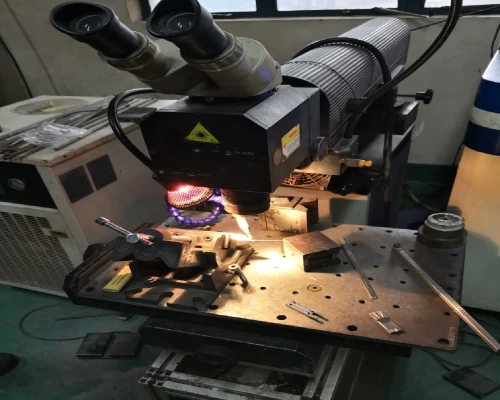
Stainless steel welding determines if a pressurized tank holds or ruptures. In critical sectors like food processing and marine engineering, defects are catastrophic. Laser welding and laser brazing eliminate heat distortion and costly rework with surgical precision. With the global laser processing market projected to reach $38.22 billion by 2030, driven by advanced manufacturing demands, quality cannot be left to chance. If warped panels or joint porosity erode your margins, upgrading your laser process is the solution. Key Points for Stainless Steel Welding Success Grade & Gear: Select 304L/316L or duplex alloys matched with 1064nm wavelength fiber lasers for maximum absorption. Joint Prep: Degrease, remove oxides, and fixture with gap tolerances within 10% of material thickness. Parameter Tuning: Optimize power, speeds exceeding 5m/min, and precise gas blends (e.g., 98% Ar / 2% N2) to minimize the heat-affected zone (HAZ). Post-Weld Care: Pickle, passivate, and mandate NDT to ensure corrosion resistance and structural integrity. 4 Key Steps In Stainless Steel Laser

Stainless Steel Welding: Laser Brazing and Laser Welding Read More »

stainless steel welding bracket parts

Custom metal fence post brackets: Providing sturdy support for every fence post

Metal fence post brackets serve as critical load-transfer components between vertical posts and horizontal rails. Their engineering specifications directly determine the entire fence system’s load-bearing capacity, wind resistance stability, and service life. Despite their significant structural importance, metal fence post brackets are often underestimated during the design phase, leading to engineering failures in commercial and industrial applications. The core engineering challenges for metal fence post brackets revolve around three critical elements: First, the efficiency of static and dynamic load transfer under varying environmental conditions; second, the compatibility and corrosion resistance of bracket materials across specific exposure classes (ASTM C1-C5); and third, the implementation of installation tolerance management to ensure structural integrity. This paper systematically analyzes the core pain points in metal fence post bracket applications from engineering and materials science perspectives, proposing systematic solutions grounded in mechanical principles and long-term durability considerations. Structural Challenges Analysis of Metal Fence Post Brackets From an engineering perspective, the primary structural issues with metal

Custom metal fence post brackets: Providing sturdy support for every fence post Read More »

stainless steel welding bracket parts

Custom metal pipe brackets for more secure installation of irregularly shaped water pipes

In the field of piping systems, our experience indicates that the root cause of failure in the vast majority of systems lies not in the pipes themselves, but in their support systems—metal pipe brackets. A common oversight across industries is prioritizing the procurement of pipes while neglecting the design of metal pipe brackets; focusing solely on initial costs while ignoring total lifecycle costs. For non-standard, custom piping systems, such negligence can lead to catastrophic consequences. Standard metal pipe brackets are only suitable for idealized straight pipe sections and cannot address the unique stress concentrations, complex load paths, and demanding center-of-gravity distribution issues arising from irregular pipeline geometries. The consequence is compromised structural integrity of the piping system, leading to significant property damage. This paper presents a systematic approach to custom metal pipe brackets grounded in engineering mechanics and materials science, demonstrating that custom brackets are not secondary accessories but critical structural components ensuring the lifelong stability and safety of the

Custom metal pipe brackets for more secure installation of irregularly shaped water pipes Read More »

Stainless Steel Sheet Metal Fabrication Welding Process

440 Stainless Steel: Ultimate Wear Resistance

440 stainless steel possesses exceptional wear resistance and corrosion resistance, rooted in its specific metallurgical composition centered on high carbon content. When this chemical composition is activated through precisely controlled heat treatment, the material’s microstructure transforms, ultimately forming a hardened martensitic matrix uniformly embedded with hard, wear-resistant chromium carbides. It is precisely this synergy between the tough matrix and the dispersed hard secondary phases that endows 440 stainless steel with its ultimate wear resistance. However, understanding this inherent property is only the first step. The true engineering challenge lies in transforming 440 stainless steel into a finished product with stable and reliable performance. From billet selection to forming, welding, and especially the final quenching and tempering process, each step requires meticulous design. This ensures dimensional accuracy while maximizing the retention and optimization of wear resistance. This article provides a comprehensive analysis of 440 stainless steel, covering its metallurgical fundamentals to practical applications in precision structural components, enabling you to quickly

440 Stainless Steel: Ultimate Wear Resistance Read More »

custom stainless steel IP68 enclosure

Why Does the Powder Coating on IP Enclosures Bubble and Peel?

Bubbling and peeling of powder coatings on IP enclosures are not merely cosmetic defects; they directly threaten the structural integrity of the enclosure’s protection rating. From a physical failure analysis perspective, the vast majority of coating adhesion failures are not caused by the powder itself, but rather by inadequate substrate pretreatment or uncontrolled gas release during the thermal curing process. For example, residual degreasers or excessively thick phosphate conversion coatings can reduce interfacial adhesion, while hydrogen gas released by cast aluminum or galvanized substrates during the curing heat-up phase—if unable to escape—will form typical “pinhole-type blisters” beneath the molten coating. As a professional IP-rated enclosure manufacturer, we understand that the long-term reliability of IP enclosures depends on the precise control of every process step, from degreasing and conversion coating to the curing window. This article will reveal the core mechanisms and preventive measures for coating failure in IP-rated enclosures to procurement and engineering personnel, covering aspects such as welding degassing,

Why Does the Powder Coating on IP Enclosures Bubble and Peel? Read More »

custom electrolytic polishing stainless steel bracket parts

Electrolytic Polishing Stainless Steel : High-Purity Surface Treatment

Polishing stainless steel is a common surface treatment process that not only affects aesthetics but also directly determines the performance, service life, and total lifecycle cost of stainless steel components. While traditional mechanical polishing methods are widely adopted, they often introduce defects such as embedded abrasive particles, microcracks, and uneven surface layers. These flaws not only compromise corrosion resistance but may also become sources of contamination. Electrolytic polishing of stainless steel, as an advanced electrochemical process, achieves microscopic surface leveling through a controlled anodic dissolution process. It selectively removes protruding areas, resulting in a microscopically smooth pristine surface. This polishing technique forms a thick, uniform chromium oxide passivation layer, significantly enhancing resistance to pitting and crevice corrosion. This is particularly critical in highly corrosive chemical or saltwater environments. Furthermore, electrolytic polishing fundamentally decontaminates surfaces by removing embedded impurities. Its exceptional cleanliness, low particle adhesion, and superior hygienic properties meet stringent FDA, cGMP, and SEMI standards. For complex geometries like tubing

Electrolytic Polishing Stainless Steel : High-Purity Surface Treatment Read More »

precision metal welding services

GTAW Welding Aluminum: Selection and Application of Shielding Gases

In the field of GTAW welding aluminum, we have observed that procurement departments often treat “99.9% pure argon gas” as a standardized commodity for gas tungsten arc welding (GTAW), unaware that this decision may compromise weld integrity, reduce production efficiency, and ultimately inflate project costs. The core misconception lies in treating GTAW welding aluminum gas as a mere shielding layer, failing to recognize that it is an active, dynamic component of the plasma arc itself. During GTAW welding of aluminum, the gas performs three critical and interrelated functions: First, it provides shielding to prevent rapid formation of aluminum oxide (Al₂O₃). Second, its ionization potential and thermal conductivity directly determine arc characteristics and heat input penetration curves. Most crucially, it enables the “cathodic cleaning” effect that breaks down the oxide layer during alternating current cycles. Inappropriate selection or improper application of GTAW aluminum welding gas can lead to weld discoloration, abnormal arcs, internal porosity, or insufficient penetration. This article will delve

GTAW Welding Aluminum: Selection and Application of Shielding Gases Read More »

Precision aluminum extrusion parts manufacturing in China

3 Common Issues in Aluminum Extrusion Processing

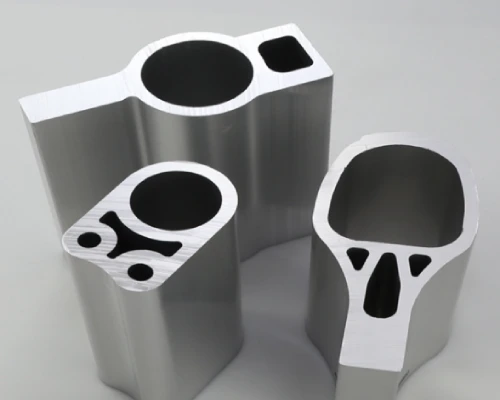
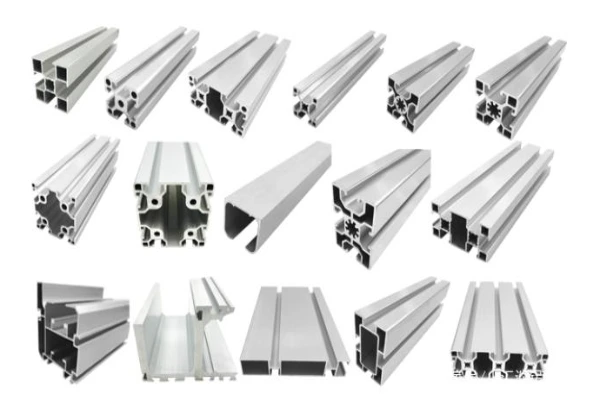
In aluminum extrusion production, warping, surface cracking, and uncontrolled temperature gradients are the three most persistent problems. They rarely occur in isolation—often, a deviation in a single process variable triggers a chain reaction of quality issues. For buyers who rely on the aluminum extrusion process to manufacture structural components, heat sinks, or rail transit profiles, this translates to batch scrapping and delivery delays. From a metallurgical perspective, a billet preheating temperature difference exceeding 15°C creates uneven residual stresses within the extrusion; meanwhile, uncontrolled cooling rates during die exit directly lead to grain boundary embrittlement and hot cracks. As a professional aluminum extrusion manufacturer, Supro simultaneously controls alloy flow, die balance, and quenching gradients, using process data to ensure straightness and surface integrity—rather than relying solely on final straightening. Understanding the root causes of problems is essential for effectively resolving defects. Therefore, this article will provide a detailed analysis of the three most common issues in the aluminum extrusion process, helping

3 Common Issues in Aluminum Extrusion Processing Read More »

Professional Aluminum Extrusion services Manufacturer

How to Avoid the 3 Most Common Problems in the Aluminum Extrusion Process

In aluminum extrusion, avoiding warping, surface cracks, and thermal stress is not a matter of luck but requires systematic control. Supro’s experience shows that these three defects can all be traced back to a few preventable root causes: die wear, billet contamination, uncontrolled oxidation, and poor thermal management. The aluminum extrusion process demands proactive management at every stage—from preheating in an inert atmosphere to post-extrusion anodizing. For buyers, the difference between scrap and precision products lies in whether there are comprehensive die maintenance records, real-time statistical process control (SPC) for thermal gradients, and traceable batch management. At Supro Mfg, we have built our custom aluminum extrusion workflow around these control measures. In our previous article, “3 Common Issues in Extrusion Processing,” we analyzed the three core causes of warping, surface cracking, and temperature control failures in aluminum extrusion. Building on that foundation, this article will guide you through proven steps—die maintenance, anti-oxidation measures, and a zero-defect production system—to help you

How to Avoid the 3 Most Common Problems in the Aluminum Extrusion Process Read More »

precision cnc machining mould tools

CNC Cutting: Definition, Processes, and Uses

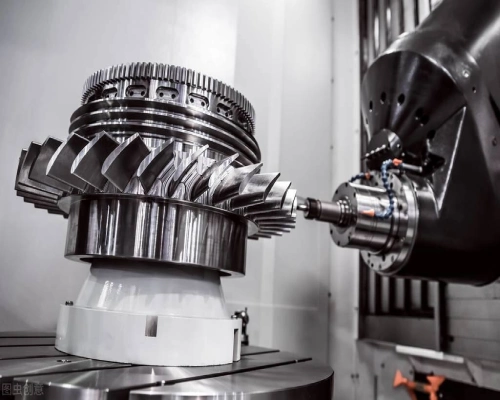
In modern manufacturing and creative design, CNC cutting technology precisely controls machine tool movements through computer programs to cut materials into predefined complex geometric shapes. It efficiently handles repetitive tasks in production processes, with manufacturing speeds far surpassing levels from years past, making it crucial for achieving high-precision, high-quality, and high-efficiency machining. This article will provide a detailed analysis of CNC cutting, beginning with its fundamental definition, followed by an examination of its production process and suitable materials, and concluding with common applications. This will help you understand and appropriately utilize CNC cutting technology. Definition of CNC Cutting CNC cutting is an automated process where cutting equipment executes programs via digital instructions, comprising a numerical control system and mechanical framework. It offers exceptional production efficiency and cutting precision, supporting multi-axis coordination and complex pattern machining. Based on material differences, it can be categorized into CNC laser cutting (high-precision thin materials), CNC plasma cutting (medium-thick materials), and flame cutting (thick carbon

CNC Cutting: Definition, Processes, and Uses Read More »

china supro cnc machining factory

what is cnc turning

In the field of modern precision manufacturing, CNC turning has become one of the key machining processes due to its high precision and quality. It is widely used in numerous industries such as the automotive industry, aerospace, and medical devices. So, what exactly is CNC turning? How does it work? What are its advantages and disadvantages? What types of parts is it suitable for machining? Next, this article will delve into the relevant knowledge of CNC turning, answer the above questions, and provide a comprehensive analysis of CNC turning technology. Definition of CNC Turning CNC turning is a precision subtractive manufacturing process controlled by a computer numerical control system. It is primarily used to produce rotary parts with a common axis of symmetry, such as cylindrical, conical, threaded, grooved, and various curved surfaces. CNC: This is the core of the process. Operators first use computer-aided manufacturing software to create a set of digital instructions (known as G-code). This instruction set

what is cnc turning Read More »

aluminum 6061-t6 cnc machining parts

what is anodizing aluminum

Anodizing aluminum is an electrochemical process that forms an oxide film on the surface of aluminum materials. It not only preserves the lightweight properties of aluminum itself but also effectively enhances the corrosion resistance, surface hardness, and durability of aluminum products. This technique is widely used in the electronics industry, construction engineering, aerospace, medical devices, and other fields. However, anodizing aluminum also has certain limitations, and a thorough understanding of its characteristics and constraints is crucial for project decision-making. This article provides a detailed overview of anodized aluminum, covering its definition, process steps, technical advantages, usage restrictions, and materials. It aims to help you quickly and comprehensively understand anodized aluminum. Definition of Anodizing Aluminum Anodizing aluminum is an electrochemical surface treatment technology for aluminum and aluminum alloys. Its core principle involves using aluminum or aluminum alloy workpieces as anodes in specific electrolyte solutions (such as sulfuric acid, oxalic acid, chromic acid, etc.). By applying a directed direct current, an oxidation

what is anodizing aluminum Read More »

Scroll to Top