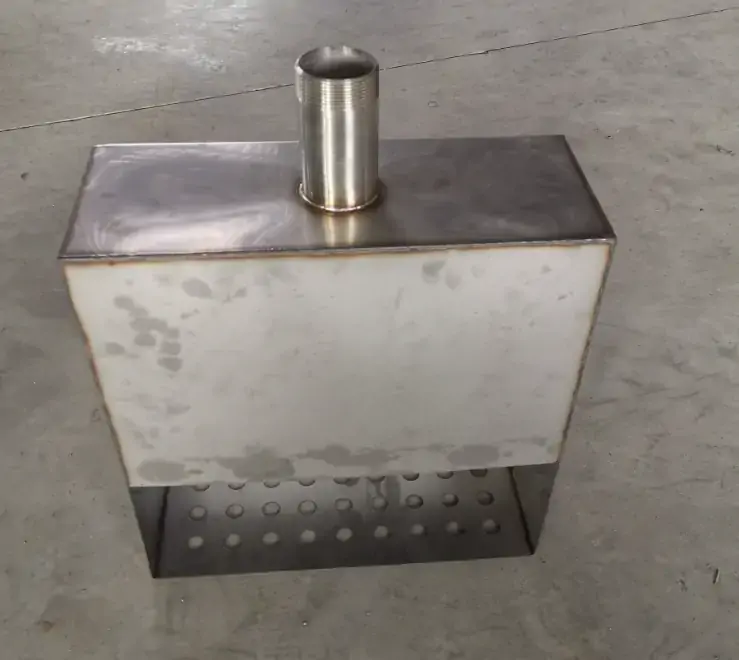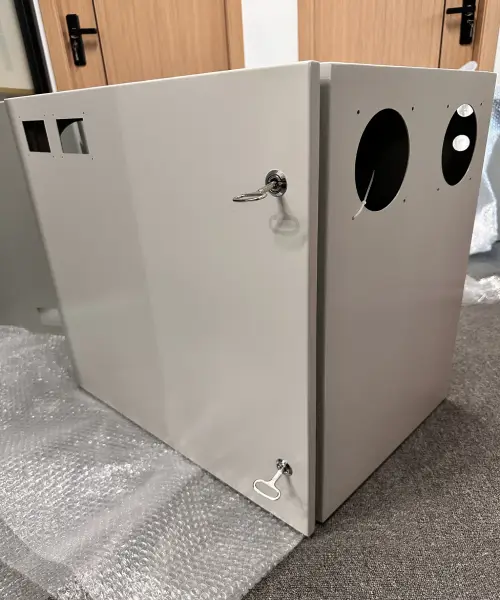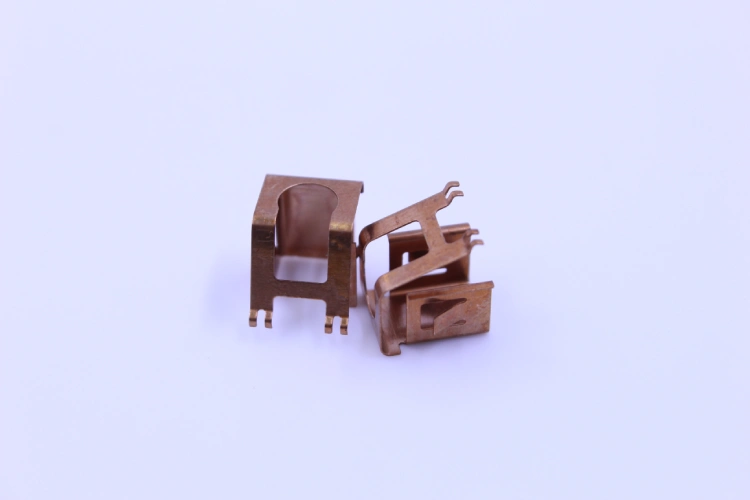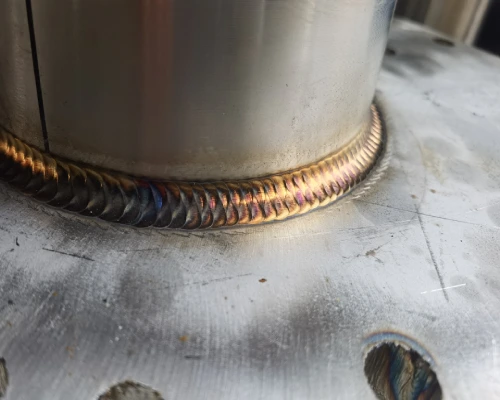


Car sheet metal fabrication is the cornerstone of the automotive industry. It is not merely about cutting and bending metal; it integrates materials science, mechanics, and advanced manufacturing technologies, directly determining a vehicle’s structural integrity, safety, and performance reliability. The automotive manufacturing sector is currently at a pivotal turning point: the demand for lightweighting is driving a rapid shift from traditional steel to advanced high-strength steel (AHSS) and aluminum alloys. This transition poses significant challenges for the forming and joining processes in custom car sheet metal fabrication.
Simultaneously, pressures to reduce costs and improve efficiency require car sheet metal fabrication manufacturers to deeply engage during the design phase. This involves conducting design for manufacturability (DFM) analyses to optimize the transition path from engineering blueprints to mass production. As a specialized car sheet metal fabrication manufacturer, Supro systematically masters the entire knowledge chain—from material properties and manufacturing process windows to full-scale inspection—ensuring every car sheet metal fabrication part delivers traceable, consistent quality that meets stringent tolerance and performance specifications.
This article analyzes how scientific material selection, optimized process parameters, and digital quality closed-loop systems transform complex designs into safe, precise, and economically viable car sheet metal fabrication parts. It provides a robust technical foundation for your procurement decisions and supplier evaluations.
Engineering Design for Car Sheet Metal Fabrication
In the automotive industry, the ultimate goal of custom car sheet metal fabrication is to strike a balance between cost, performance, and manufacturability, thereby delivering safe, reliable car sheet metal fabrication parts that meet stringent specifications. Supro not only possesses systematic engineering capabilities to transform designs into physical products but also excels at precisely defining the functional scope of automotive components and conducting manufacturability design analysis. This ensures first-time project success, controls overall costs, and achieves consistent quality.
Definition of Car Sheet Metal Fabrication
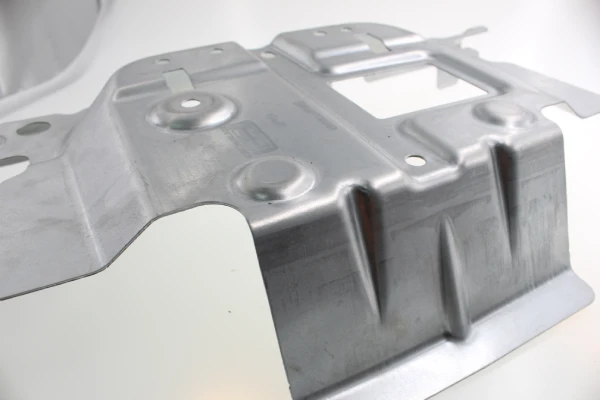
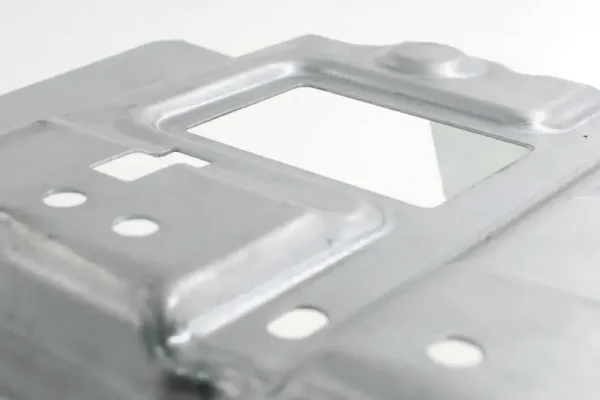
Car sheet metal fabrication is a systematic engineering process that transforms metal sheets into body structural components and exterior panels through a series of precision cold-forming techniques. Its core scope is functionally divided into two categories: First, structural components—such as chassis longitudinal beams and bumper impact beams—directly impact vehicle collision safety and overall rigidity. These typically utilize high-strength steel and undergo complex forming and welding processes.
The second category comprises exterior panels like doors and hoods, which demand exceptional surface quality, dimensional accuracy, and complex curved surfaces. As a specialized car sheet metal fabrication manufacturer, Supro reverse-engineers the appropriate material grades, forming processes, and tolerance standards based on each component’s final application—whether structural load-bearing or cosmetic—ensuring delivery of compliant car sheet metal fabrication parts.
Process Planning for Car Sheet Metal Fabrication
Transforming CAD digital models into mass-producible physical parts represents the most challenging phase in car sheet metal fabrication processes. This journey begins with design for manufacturability (DFM) analysis. Engineers must evaluate stamping process characteristics within the design, including draft angles, minimum fillet radii, and draw depths, to prevent cracking or wrinkling during production. Subsequently, CAE software is employed for stamping simulation to accurately predict material flow and strain distribution, optimizing blank shape and holding force.
Following this, dimensional engineering and cumulative tolerance analysis are critical to ensuring seamless post-welding fitment of all car sheet metal fabrication parts. This requires manufacturers to strictly adhere to GD&T principles while fully accounting for cumulative errors from welding and assembly. Thus, the engineering planning capability in custom automotive sheet metal fabrication manifests in deeply integrating design intent, material properties, and production line capabilities. By resolving most potential issues through simulation analysis, it achieves efficient, cost-effective, and consistently high-quality custom automotive sheet metal fabrication.
Only 4 steps
online custom metal fabrication parts
Contact our experts team and experience the efficiency and economic benefits of digital metal fabrication services.
Upload Design Files
STL , STEP (.stp), IGES (.igs), (.ZIP), or PDF.
Also be a sample or an idea
Quote & Design Analysis
Instant factory quotes and DfM reports, the most reasonable solution.
Manufacturing Begins
Digital processes can initiate order tasks within 24 hours.
On-Time Delivery
Keeping delivery promises, approved by 3000+ Global Company buyers.
Alloy Selection in Custom Car Sheet Metal Fabrication
Material selection is the cornerstone of successful custom car sheet metal fabrication projects, directly determining the final performance, cost, and manufacturability of parts. Understanding the underlying structural properties of materials is more critical than merely knowing their grades. Modern material choices for custom car sheet metal fabrication projects have evolved from traditional low-carbon steel to a sophisticated materials science system encompassing advanced high-strength steels, aluminum alloys, and even magnesium alloys.
Advanced Steel Sheets
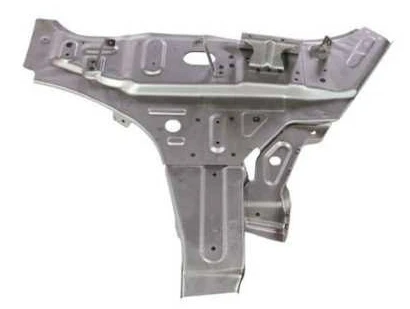
In custom car sheet metal fabrication, steel sheet selection is a technical decision based on precise performance requirements. Traditional low-carbon mild steel remains widely used for interior panels with low strength demands due to its excellent formability and low cost. However, the core material choice for modern custom car sheet metal fabrication has shifted toward advanced high-strength steels. Constructing their performance matrix hinges on understanding the balance between strength and ductility.
For instance, dual-phase steel combines high strength with good formability through a microstructural blend of ferrite and martensite. Phase transformation-induced plasticity (PTIP) steel enables sustained work hardening under high strain, delivering superior energy absorption capacity. Consequently, car sheet metal fabrication manufacturers must not only possess material certificates but also be thoroughly familiar with the forming limit diagrams and springback characteristics of different steel grades, enabling them to adjust fabrication process parameters accordingly.
Lightweight Alternative Materials
Lightweight materials have become a mainstream trend in custom car sheet metal fabrication projects. Aluminum alloys, particularly the 5000 and 6000 series, are widely used in hoods, doors, and other body panels due to their superior strength-to-weight ratio and corrosion resistance. However, this presents new challenges for car sheet metal fabrication manufacturers. Aluminum alloys typically exhibit lower formability than steel, making them more prone to cracking and springback. This demands precise optimization of die clearance, drawbead design, and lubrication.
More critically, joining aluminum to traditional steel requires specialized mechanical fastening techniques like self-piercing riveting or flow-drill screws—a departure from conventional resistance spot welding lines. Consequently, manufacturers handling aluminum structural components must not only possess servo presses but also establish dedicated process databases for aluminum alloys, develop tailored joining solutions, and implement matching cleaning and protective procedures.
Are you looking for reliable & cost-effective
China Sheet Metal Fabricators
More than 150,000 OEM metal fabrication products delivered to 5,000+ global buyers.
And benefit from it!
Car Sheet Metal Fabrication Process Chain
The core objective of car sheet metal fabrication processes is to transform qualified metal sheets into precisely dimensioned, structurally sound, and ready-to-assemble car sheet metal fabrication parts through a series of meticulously controlled operations.
This process chain commences with stamping, whose core function is to accurately, efficiently, and consistently translate engineering design intent into physical form. Subsequent joining and assembly techniques constitute the critical stage for imparting structural integrity and functionality to the product. Finally, surface treatment serves the primary purpose of rust and corrosion prevention, enhancing aesthetic quality, and ensuring the durability of the fabricated parts.
Stamping Process
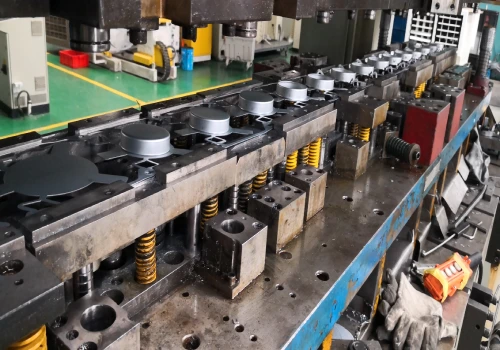
Stamping serves as the cornerstone of car sheet metal fabrication processes, transforming flat sheet materials into complex three-dimensional shapes. Its core principle involves applying pressure through dies to induce plastic deformation in the sheet metal, enabling the efficient, high-volume production of intricate car sheet metal fabrication parts. Precision throughout the process begins with die engineering, where high-accuracy progressive or compound dies ensure integrated operations from blanking and punching to forming.
Setting the process parameters for custom car sheet metal fabrication is critical. Pressing force, drawbead resistance, and lubrication must be precisely controlled based on the material’s forming limit diagram to prevent cracking, wrinkling, or insufficient deformation. As a professional car sheet metal fabrication manufacturer, Supro utilizes CAE simulation software (such as AutoForm) to optimize these parameters before tooling production, ensuring consistent quality of car sheet metal fabrication parts.
Modern sheet metal production lines typically integrate servo presses with automated feeding systems. This not only significantly boosts production efficiency and stabilizes production rhythms but also guarantees extremely high repeatability and stability in car sheet metal fabrication processes by minimizing manual intervention. Simultaneously, it ensures the surface quality of car sheet metal fabrication parts.
Joining Technologies for Automotive Sheet Metal Fabrication
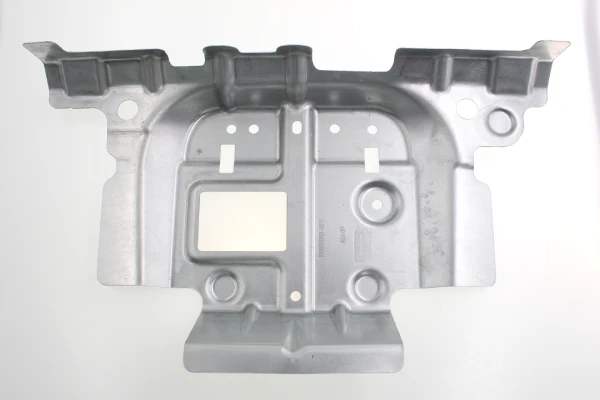
Joining technologies are critical for integrating stamped automotive sheet metal fabrication parts into complete body structures. Resistance spot welding remains the primary joining method for steel components, relying on precise control of current, time, and electrode pressure to form uniform fusion nuclei. For joining high-strength steel, aluminum alloys, and other structures, automotive sheet metal fabrication processes require more advanced techniques like medium-frequency DC welding.
Amidst lightweighting trends, multi-material bodies (steel, aluminum, composites) are increasingly prevalent, making mechanical joining techniques like self-piercing riveting (SPR) and flow-drill screws (FDS) indispensable. SPR forms high-strength mechanical interlocks by penetrating the upper layer and locking into the lower sheet without pre-drilling, making it ideal for joining dissimilar materials. FDS generates heat and extrudes material during rotation and downward pressure to form threaded connections, particularly suitable for aluminum and ultra-high-strength steel car sheet metal fabrication parts.
In car sheet metal fabrication processes, structural adhesive bonding has evolved beyond an auxiliary technique to become a key joining technology enhancing body stiffness, fatigue strength, sealing, and NVH performance. It transmits loads through a continuous adhesive bead, effectively reducing stress concentration at connection points, making it especially suitable for areas unsuitable for welding or mechanical fastening.
Surface Treatment in Car Sheet Metal Fabrication
Surface treatment is the final step in car sheet metal fabrication processes, fundamentally aimed at providing long-term corrosion protection for metal parts while meeting specific aesthetic and functional requirements. For structural body components, cathodic electrodeposition coating is the industry standard. Under an electric field, this process ensures uniform paint film adhesion to all internal cavities and surfaces, delivering superior rust resistance.
For exterior trim parts, multiple coating layers are applied over the electrophoretic base to achieve the required gloss, color, and weather resistance. Additionally, for certain functional car sheet metal fabrication parts, processes like galvanizing, phosphating, or Dacromet coating may be applied to further enhance corrosion resistance. A comprehensive surface treatment system demands strict control by the car sheet metal fabrication manufacturer over pretreatment cleaning, coating process parameters, and curing procedures. This constitutes the ultimate assurance that the delivered car sheet metal fabrication parts deliver long-term durability and reliable quality.
Looking for a reliable custom sheet metal fabrication companies?
Talk To Supro MFG Expert Team
Contact us for competitive ex-factory prices,
and a full range of technical support services.
Quality Control in Automotive Sheet Metal Fabrication
Quality control has evolved from traditional “post-production inspection” to a “full-process prevention” system spanning design, production, and assembly. Full-scale, end-to-end digital inspection technology forms the cornerstone of modern quality control. In core automotive sheet metal fabrication processes like stamping and forming, advanced 3D optical scanning and coordinate measuring technologies have become standard equipment. These technologies can digitize complex curved sheet metal fabrication parts within seconds. By precisely comparing against original CAD design data, they visually pinpoint dimensional deviations at the millimeter or even micrometer level.
This surpasses the limited inspection capabilities of traditional gauges, enabling comprehensive evaluation of sheet metal fabrication parts‘ shape, contour, and hole positioning. It prevents assembly interference or uneven appearance gaps caused by dimensional deviations at the source. More importantly, this data feeds back in real time to the car sheet metal fabrication processes, enabling rapid mold corrections and iterative optimization of forming parameters—establishing a “measure-analyze-improve” quality closed-loop system.
Finally, the quality control system for custom car sheet metal fabrication must employ virtual assembly analysis to predict and guarantee the fit quality of all car sheet metal fabrication parts within the final product. It must also scientifically validate the strength and durability of connection points, alongside coating adhesion and corrosion resistance.
Conclusion
In summary, the core to successful car sheet metal fabrication processes lies in synergy: material properties must precisely match process windows such as stamping and joining; individual part precision must be ensured through systematic dimensional engineering to achieve flawless assembly in the final product. Supro is a specialized car sheet metal fabrication manufacturer. Leveraging advanced equipment, extensive manufacturing experience, and a professional engineering team, we provide flawless car sheet metal fabrication services to over 3,000 companies worldwide, offering genuine manufacturer quotes.
As an industry-leading car sheet metal fabrication manufacturer, we efficiently deliver diverse products on schedule. From product design and rapid sheet metal prototype fabrication to mass production, we provide expert technical support and exceptional quality. We offer one-stop manufacturing solutions and highly cost-competitive product supply!