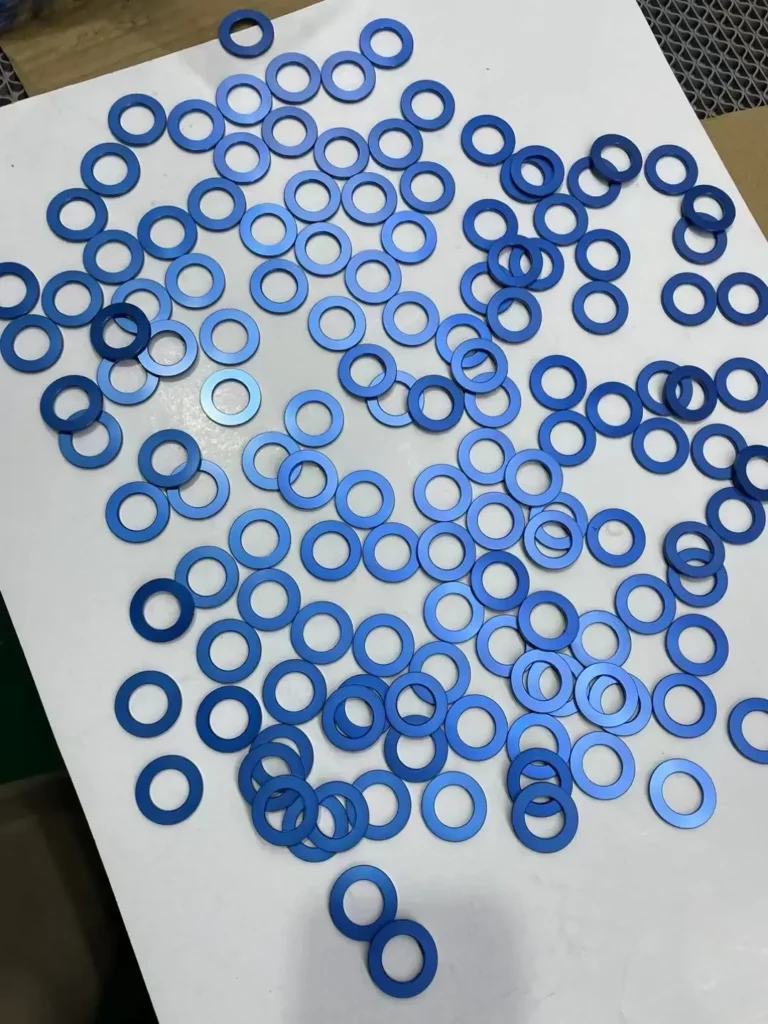

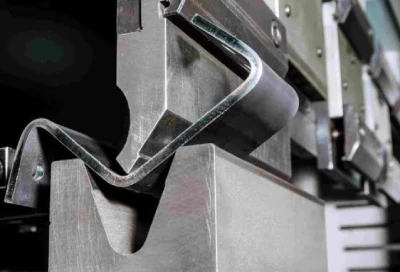


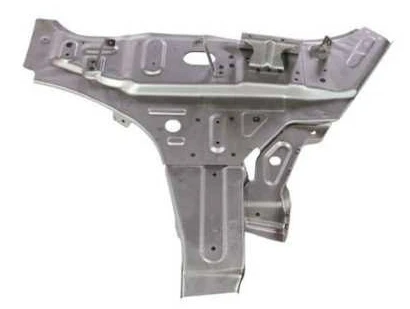


Anodizing aluminum is an electrochemical process that forms an oxide film on the surface of aluminum materials. It not only preserves the lightweight properties of aluminum itself but also effectively enhances the corrosion resistance, surface hardness, and durability of aluminum products. This technique is widely used in the electronics industry, construction engineering, aerospace, medical devices, and other fields. However, anodizing aluminum also has certain limitations, and a thorough understanding of its characteristics and constraints is crucial for project decision-making.
This article provides a detailed overview of anodized aluminum, covering its definition, process steps, technical advantages, usage restrictions, and materials. It aims to help you quickly and comprehensively understand anodized aluminum.
Definition of Anodizing Aluminum
Anodizing aluminum is an electrochemical surface treatment technology for aluminum and aluminum alloys. Its core principle involves using aluminum or aluminum alloy workpieces as anodes in specific electrolyte solutions (such as sulfuric acid, oxalic acid, chromic acid, etc.). By applying a directed direct current, an oxidation reaction is triggered, forming a hard, stable, and highly adhesive aluminum oxide protective layer on the workpiece surface.
During this process, aluminum atoms at the anode lose electrons to become aluminum ions, which combine with oxygen ions in the electrolyte to form aluminum oxide. The oxide layer gradually thickens as the electrical current is applied. The resulting anodic oxide film possesses a porous structure, significantly enhancing the aluminum part's corrosion resistance, wear resistance, and high-temperature tolerance. Additionally, subsequent treatments like dyeing and sealing can impart rich colors to the surface.
Basic Principles and Process of Anodizing Aluminum
Pre-treatment: Aluminum parts must first undergo cleaning and degreasing to remove surface oils and naturally formed thin oxide layers, ensuring uniformity in subsequent processing.
Electrolytic Cell: The pretreated aluminum part is immersed as the anode in an acidic electrolyte solution.
Electrolytic Oxidation: When direct current is applied, the aluminum anode loses electrons, undergoing oxidation. Aluminum ions (Al³⁺) are released from the metal surface.
Film Formation: These aluminum ions immediately combine with oxygen ions (O²⁻) in the electrolyte to form aluminum oxide (Al₂O₃). This oxide layer possesses a unique honeycomb-like porous structure. During its initial growth phase, it allows current to pass through, enabling the oxidation reaction to continuously penetrate deeper into the aluminum substrate and form a thicker coating.
Sealing: Upon completion of the oxidation process, the coating surface is covered with micro-pores. At this stage, sealing treatment is required. Typically, the workpiece is immersed in hot water. The aluminum oxide micro-pores then hydrate, expand, and seal themselves, forming a dense, non-porous protective barrier.
Benefits of Anodizing Aluminum
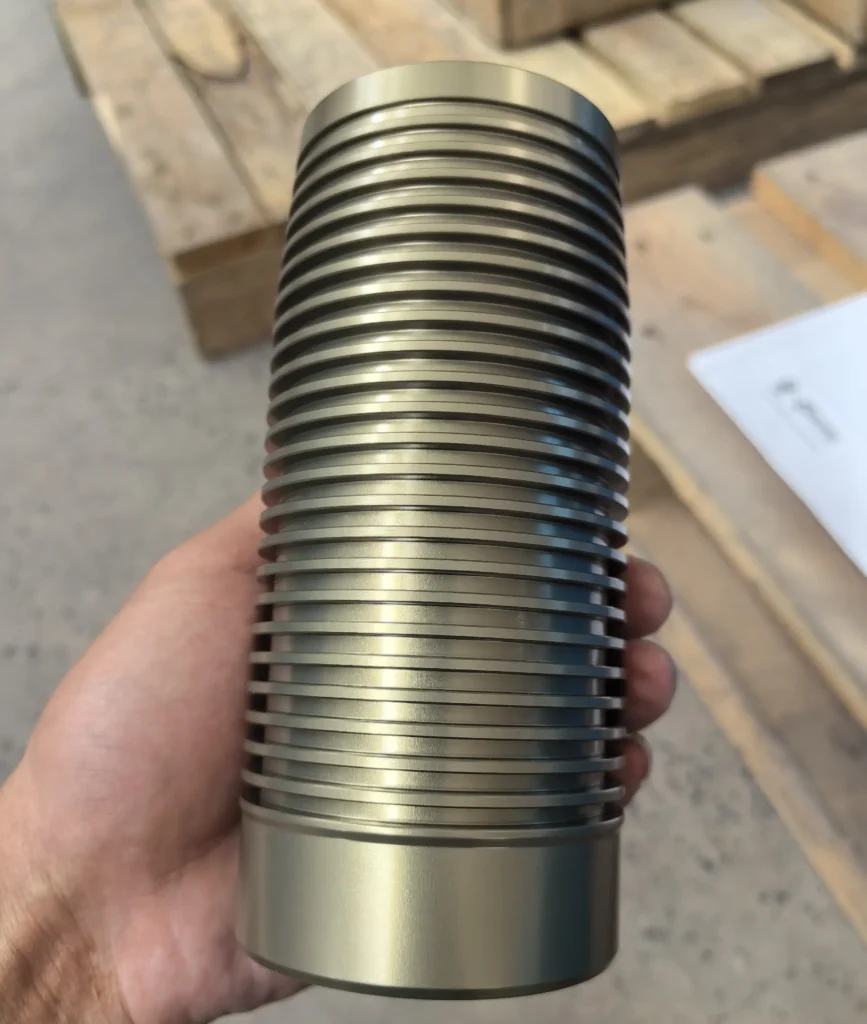
Corrosion Resistance: The aluminum oxide film exhibits exceptional chemical stability, effectively resisting corrosion from atmospheric exposure, moisture, and various chemicals. It acts as a robust barrier, isolating the underlying aluminum substrate from the external environment and significantly extending the service life of the workpiece.
Abrasion Resistance: Anodized aluminum surfaces exhibit exceptional scratch and wear resistance, making them ideal for components subjected to frequent contact, friction, or high-wear environments—such as phone casings, control panels, and industrial equipment.
Aesthetics: The porous structure formed during anodization possesses strong adsorption capabilities, allowing immersion in various organic or inorganic dyes to achieve rich, long-lasting colors.
Surface Insulation: Aluminum oxide is an excellent electrical insulator. Anodized aluminum components exhibit significantly enhanced surface insulation properties. This characteristic is crucial in electronics and electrical industries for components requiring heat dissipation while preventing circuit short-circuits, such as CPU heatsink bases.
Anodized aluminum colors: The anodic oxide film not only accepts coloring itself but also provides excellent coating adhesion for subsequent processes like spray painting due to its porous microstructure.
Environmental friendliness and biocompatibility: The anodizing process avoids heavy metals and harmful organic solvents. The oxide film is non-toxic, odorless, and chemically stable, making the process relatively environmentally friendly.
Why Choose Supro MFG’s Custom Metal Fabrication Services
Real ex-factory price:
Provide the most cost-effective cost solution for manufacturing and assembling products, expanding product competitiveness.
Professional technical team:
a technical team specializing in custom shell manufacturing for more than 30 years.
Advanced Manufacturing Equipment: Industry-leading custom metal enclosure manufacturer with in-house sheet metal, die casting, precision machining workshops, and surface coating workshops.
ISO 9001-2015 Manufacturer:
ISO 9001-2015, PPAP III level, RoHS, NEMA, CE and other certified production standards.
24H*7 online English technical support: The professional English team responds quickly to users’ technical questions online at any time.
One-stop manufacturing solution:
help users from product design, prototype, batch manufacturing, surface treatment, assembly and packaging, transportation and a series of value-added services.
Authoritative testing capabilities:
With in-house mechanics and chemistry laboratories, it can quickly monitor manufacturing process quality control to ensure the delivery of high-quality products.
Intellectual Property Protection(NDA):
Accept to sign NDA documents to ensure that customers‘ product information is protected.
Commitment to On-Time Delivery:
Door-to-door delivery in customizable secure packaging after complying with the delivery details agreed with the customer.
When should anodizing aluminum be avoided?
Avoid anodizing aluminum when maintaining electrical conductivity is required.
The aluminum oxide layer formed by anodizing is an excellent electrical insulator. This film significantly reduces or completely blocks surface conductivity.
Solution: When both protection and conductivity are needed, consider electroless nickel plating or other coating processes.
Avoid anodizing aluminum when strict dimensional tolerances are required
Anodizing increases part dimensions, with coating thickness typically ranging from 5μm to over 25μm. Hard-anodized aluminum (Type III anodized) can exceed 50μm.
Solution: If anodizing is unavoidable, incorporate coating thickness allowance into the design phase.
Avoid anodizing aluminum when components contain non-aluminum materials
If components incorporate multiple materials (e.g., copper bushings, steel threaded inserts) or use non-aluminum screws, these materials undergo different electrochemical reactions during anodizing. This typically causes corrosion, dissolution, or poor coating quality.
Solution: Disassemble components into separate aluminum parts for anodizing before reassembly, or select alternative surface treatments.
Avoid anodizing aluminum on complex components with deep recesses, blind holes, or enclosed cavities.
The anodizing process requires free electrolyte flow and uniform current distribution. In deep recesses or blind holes, electrolyte circulation may be inadequate, resulting in thin or absent oxide layers in these areas.
Solution: Consider alternative processes such as spraying.
Avoid anodizing aluminum when welding assemblies
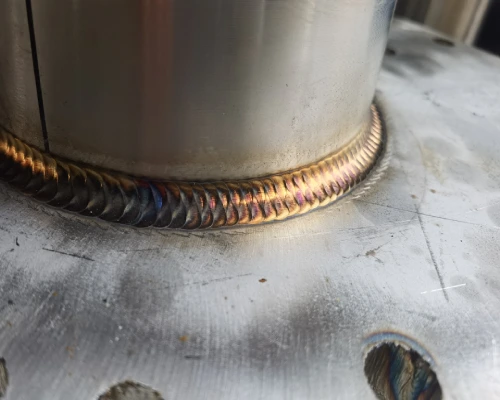
The chemical composition of welded areas differs from the base metal, resulting in distinct anodizing characteristics. This often causes color inconsistencies between the oxide layer on welded areas and surrounding regions, compromising aesthetics. Additionally, impurities and porosity introduced during welding become more visible after oxidation.
Avoid anodizing aluminum when subjected to sustained high temperatures or thermal cycling.
Under extreme temperature fluctuations, the aluminum oxide coating may crack or peel, diminishing its protective properties.
online custom metal fabrication parts
Only 4 steps
Contact our experts team and experience the efficiency and economic benefits of digital metal fabrication services.
Upload Design Files
STL , STEP (.stp), IGES (.igs), (.ZIP), or PDF.
Also be a sample or an idea
Quote & Design Analysis
Instant factory quotes and DfM reports, the most reasonable solution.
Manufacturing Begins
Digital processes can initiate order tasks within 24 hours.
On-Time Delivery
Keeping delivery promises, approved by 3000+ Global Company buyers.
Differences Between Type II Anodizing and Type III Anodizing
Type II anodizing and Type III anodizing are very similar, with the main differences lying in the thickness of the oxide film, corrosion resistance, and color.
Anodizing Aluminum Type | type ii anodize | Type III anodized |
Thickness | Between 5μm and 25μm | 50μm or greater |
Features | Decorative, basic protection | Functional, Ultra-Protective |
Typical Applications | Consumer Electronics, Building Decoration | Aerospace, Industrial Equipment |
Film Thickness
Type II: The film thickness is relatively thin, typically ranging from 5μm to 25μm. It emphasizes decorative appearance and basic protection.
Type III (Hard Anodizing): Features a significantly thicker coating, typically exceeding 50μm and potentially reaching 100μm or greater.
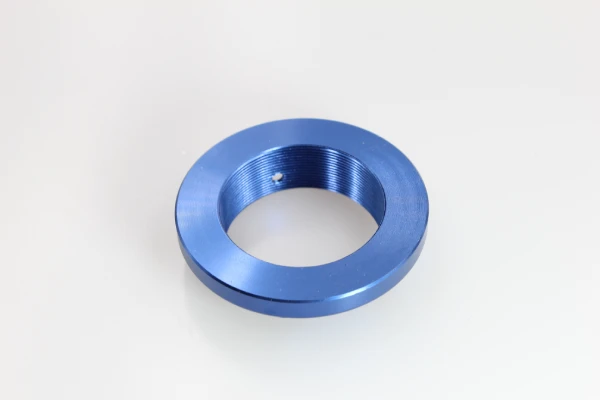
Core Performance and Purpose
Type II: Provides decoration, aesthetics, good corrosion resistance, and wear resistance. It also enables rich, vibrant anodized aluminum colors through dyeing.
Type III: Exceptional wear and scratch resistance, with corrosion resistance far exceeding Type II. High surface hardness. Due to the thick, dense coating, typically yields deep tones like black, dark brown, or olive drab.
Processing Conditions
Type II: Performed at ambient temperature (approx. 18-22°C) in sulfuric acid electrolyte, using relatively low current density and voltage.
Type III: Typically employs sulfuric acid or mixed acids (e.g., sulfuric-oxalic acid) at low temperatures (0-5°C) to control oxidation heat and prevent layer porosity from thermal damage. Higher current density and voltage are used to accelerate oxidation and form thicker layers.
Impact on Part Dimensions
Type II: The thinner coating has minimal impact on part dimensions, which can generally be ignored during design or allow for a small margin.
Type III: The thick coating significantly increases part dimensions.
Primary Application Areas
Type II: Widely used in consumer electronics (mobile phones, laptop casings), architectural aluminum (doors, windows, curtain walls), household goods, gifts, and decorative parts requiring multiple colors.
Type III: Primarily used in applications subject to severe wear and requiring high-strength protection, such as: helicopter rotors and drone components in aerospace; hydraulic system parts, pistons, cylinders, gears, and robotic end effectors in industrial equipment; transmission components and brake system parts in the automotive industry.
Are you looking for reliable & cost-effective
China Sheet Metal Fabricators
More than 150,000 OEM metal fabrication products delivered to 5,000+ global buyers.
And benefit from it!
Anodized aluminum material
The anodizing process is suitable for aluminum and aluminum alloys. However, not all aluminum alloys exhibit identical anodizing results.
1xxx Series (Pure Aluminum Series)
Highly suitable for anodizing aluminum, with aluminum purity exceeding 99% and containing no or minimal alloying elements. Produces the clearest, most transparent, and uniform oxide film with excellent dyeability. The oxide film is soft and tough but relatively low in hardness.
5xxx Series (Aluminum-Magnesium Alloys)
Common grades include 5052, 5005, and 5083. Magnesium is the primary alloying element, providing good corrosion resistance and moderate strength. The oxide film tends to be yellowish or grayish with reduced transparency. After dyeing, the color appears slightly darker but the overall effect remains satisfactory. The oxide film is hard and wear-resistant.
6xxx Series (Aluminum-Magnesium-Silicon Alloys)
Common grades include 6061, 6063, and 6005, offering excellent formability and mechanical properties. The anodizing process produces a clear, uniform gray oxide film with exceptional dyeability, making it the preferred choice for architectural extrusions and consumer electronics. It maintains dimensional stability and consistent appearance after anodizing.
7xxx Series (Aluminum-Zinc-Magnesium-Copper Alloy)
Common grades include 7075, known for ultra-high strength. The oxide film formed during anodizing is exceptionally thick, hard, and wear-resistant, making it ideal for hard-anodized aluminum (Type III). However, its oxide film exhibits a deep color, typically ranging from dark gray to blackish-gray.
4xxx Series (Silicon-Aluminum Alloys)
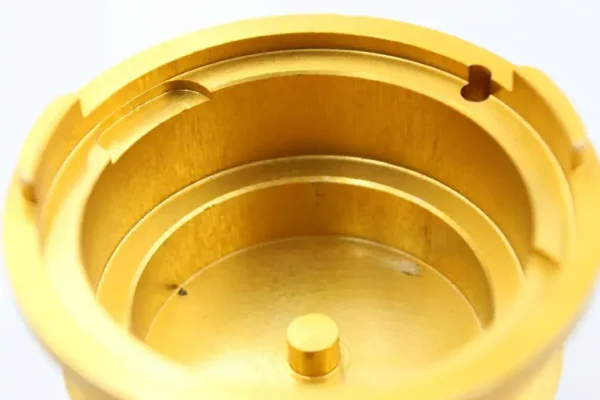
Silicon does not react during anodizing and remains as black particles within the oxide layer. This results in a dark gray, rough, and porous surface appearance that cannot be dyed normally. Special mechanical polishing or electroplating is often required for these materials.
2xxx Series (Copper-Aluminum Alloys)
Copper severely interferes with oxide film formation, resulting in a soft, porous film with poor corrosion resistance. The color is typically dark yellow or brown and uneven. These alloys are usually surface-treated with chemical conversion coatings or spray coatings.
Looking for a reliable custom sheet metal fabrication companies?
Talk To Supro MFG Expert Team
Contact us for competitive ex-factory prices,
and a full range of technical support services.
Summary
Anodizing aluminum is a highly practical surface treatment process that significantly enhances the functionality, corrosion resistance, and aesthetic appeal of aluminum products. If you require anodizing aluminum services, please contact us immediately.
Supro possesses extensive experience and specialized expertise in aluminum anodizing. We offer comprehensive custom fabricated aluminum services, including anodizing, powder coating, electroplating, screen printing, sandblasting, and paint spraying—providing multiple surface treatment options to efficiently deliver your required parts. Certified to ISO9001 and TS16949 standards, we provide expert technical guidance and comprehensive manufacturing solutions—whether you require precision engineered aluminum alloy components, aluminum enclosures, standard aluminum extrusions, or custom aluminum prototypes.