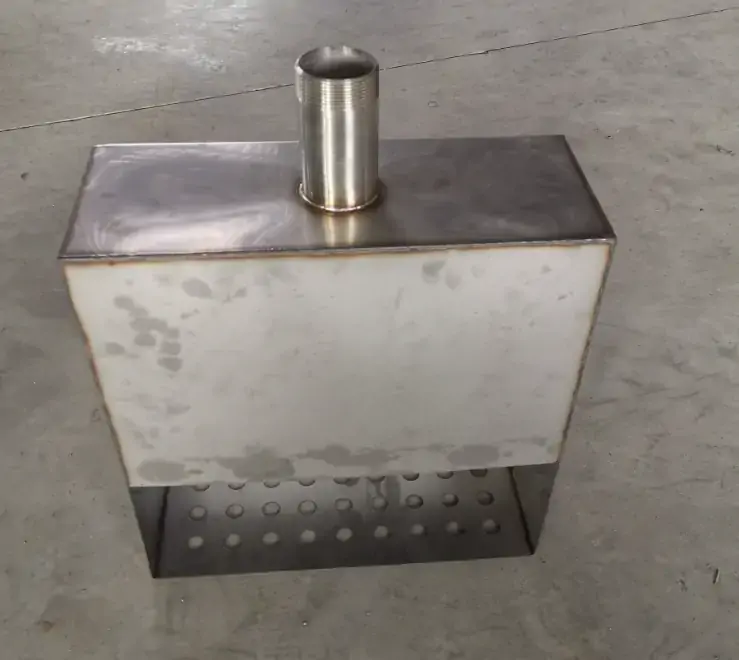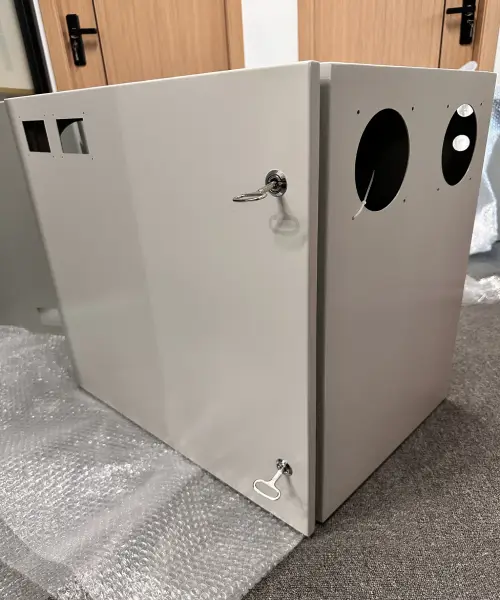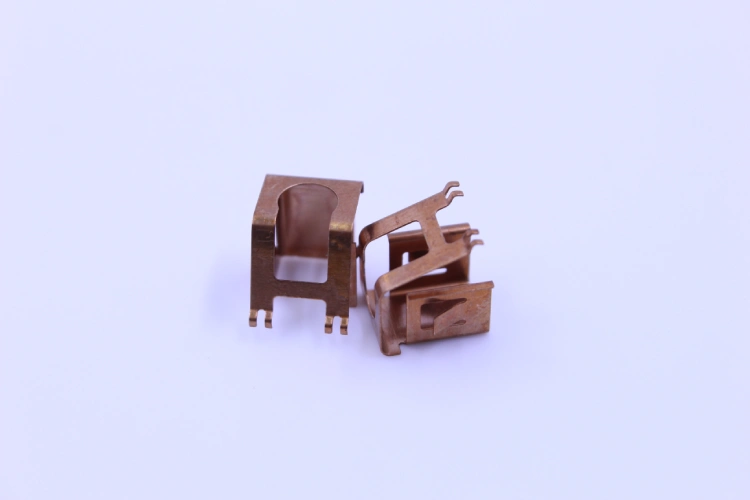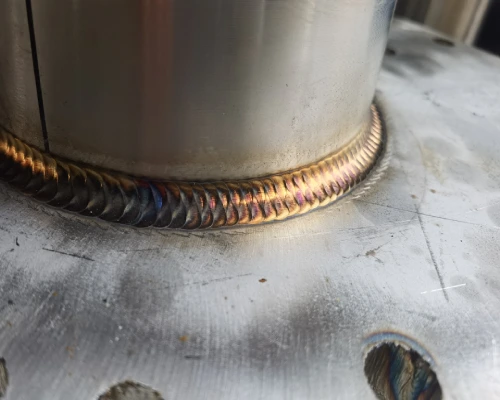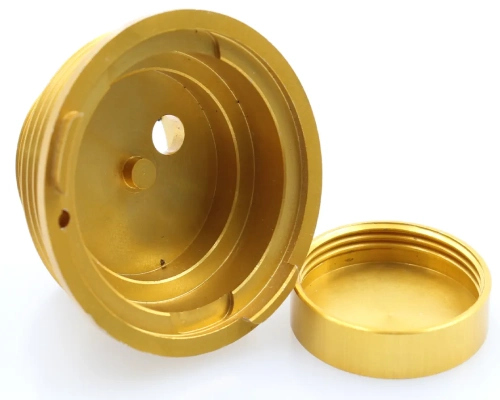
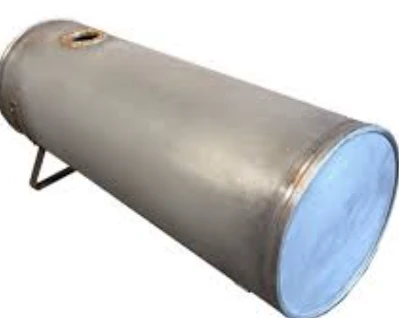
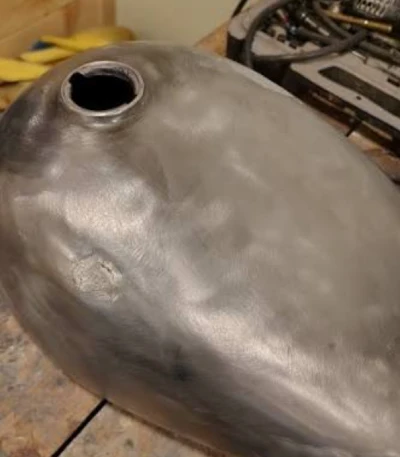

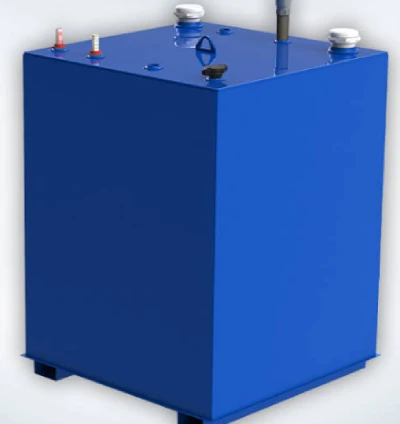


The threaded connections on valve plugs and fittings in metal gas tanks serve as critical interfaces between the tank structure and its fuel delivery or ventilation systems. When these threads fail—whether through thread stripping, seizing, or misalignment—the consequences can range from costly rework and production delays to safety hazards in end-use applications. Therefore, understanding the root causes of thread failure and implementing effective preventive strategies are critical to delivering reliable and durable custom metal gas tanks.
This article explores the primary failure mechanisms affecting valve plug threads during the manufacturing of metal gas tanks and proposes corresponding engineering control measures for each stage of the manufacturing process—from CNC machining, quality inspection, and surface treatment to assembly.
Causes of Thread Failure in Metal Gas Tank Valve Plugs
Thread failure in custom metal gas tank valve plugs typically stems from three interrelated factors: CNC machining deviations that affect pitch geometry, coating penetration during electroplating or electrophoretic coating processes, and assembly errors (such as thread misalignment or excessive torque)—each of these factors can independently compromise the integrity of the joint.
Machining Tolerances and Thread Geometry
Thread failure in metal gas tank valve plugs often originates during the machining stage. When thread-cutting tools are worn, improperly calibrated, or operated at incorrect speeds, the resulting threads deviate from specifications—either resulting in undersized threads that lack sufficient engagement strength, or oversized threads that create excessive clearance, thereby accelerating wear under vibration.
Pitch diameter tolerances must be strictly controlled; For critical custom metal gas tank applications, it is recommended to perform 100% inspection using go/no-go gauges in accordance with ISO 1502 to verify that the threads meet the specified fit grade. Single-point thread turning allows for real-time adjustment of cutting parameters, while thread milling offers advantages when machining large-diameter plugs or high-hardness materials.
Surface Treatment of Metal Gas Tanks
Surface treatment processes—such as electroplating, powder coating, or electrophoretic coating—can pose a direct threat to thread integrity if not properly managed. Electrodeposited coatings tend to accumulate more heavily at sharp angles and edges, increasing the pitch circle diameter by up to four times the coating thickness. A coating thickness of 5–25 µm per surface can significantly alter tight-fit clearances and thread features.
Powder coating and electrophoretic coating introduce viscous materials that can flow into the threads and cure into hard, abrasive deposits. As a professional metal gas tank manufacturer, Supro uses silicone plugs rated for temperatures up to 315°C (600°F) for physical masking—these plugs protect the flanks and roots of the threads from coating intrusion, thereby preserving the machined geometry.
Without this protection, coating contamination would increase friction during the assembly of custom metal gas tanks, creating ideal conditions for thread galling.
Metal Gas Tank Assembly Errors and Excessive Torque
Even when thread manufacturing processes are up to specification, improper installation remains one of the primary causes of thread failure in custom metal gas tank applications. Misalignment—that is, beginning to tighten the joint at the wrong angle—can cause irreparable damage to the thread crests within the first few turns.
Excessive torque subjects the threads to stresses exceeding their proven load capacity, leading to plastic deformation and thread stripping.
Stainless steel joints are particularly prone to galling—a cold-welding phenomenon in which mating surfaces seize under pressure. When two stainless steel threads are screwed together, friction causes the materials to adhere to one another.
For aluminum heads (common in lightweight metal gas tank designs), torque values should typically be limited to between 40% and 60% of those for steel equivalents. Lubricating the threads with anti-seize compounds containing molybdenum disulfide or nickel-based formulations is critical for reducing friction and preventing seizing.
Only 4 steps
online custom metal fabrication parts
Contact our experts team and experience the efficiency and economic benefits of digital metal fabrication services.
Upload Design Files
STL , STEP (.stp), IGES (.igs), (.ZIP), or PDF.
Also be a sample or an idea
Quote & Design Analysis
Instant factory quotes and DfM reports, the most reasonable solution.
Manufacturing Begins
Digital processes can initiate order tasks within 24 hours.
On-Time Delivery
Keeping delivery promises, approved by 3000+ Global Company buyers.
Precision Machining of Metal Gas Tanks: The Cornerstone of Thread Integrity
Precision machining lays the critical foundation for the thread integrity of metal gas tank plugs. In particular, CNC turning with controlled pitch tolerances and the thread rolling process—which creates a cold-work-hardened surface—directly influence the plugs’ resistance to galling. Every step of Supro’s manufacturing process is verified through pass/fail gauge inspections in accordance with the ISO 1502 standard.
High-Precision CNC Thread Turning
CNC thread turning establishes the foundational geometry for each threaded connection on custom metal gas tank plugs. Standard CNC machining services typically achieve tolerances of ±0.05 mm (±0.002 inches), while advanced machining setups and precision finishing processes can control tolerances to ±0.01 mm (±0.0004 inches) or even tighter.
For critical threaded applications, pitch diameter tolerances must be strictly controlled within tight specifications, and single-point thread turning enables real-time adjustment of cutting parameters.
Thread-cutting tools must be meticulously maintained—worn inserts or improperly calibrated equipment can produce threads that deviate from specifications, resulting in threads that are too small and lack sufficient engagement strength, or threads that are too large, causing excessive clearance and accelerating wear under vibration.
For metal gas tank plugs, thread milling offers advantages in machining large diameters or high-hardness materials, while thread turning remains the standard process for production efficiency and geometric control.
Thread Rolling Process to Enhance the Strength of Metal Gas Tank Plugs
In the mass production of metal gas tanks, the thread rolling process is a highly attractive alternative to cutting operations. This cold-forming process shapes the material through displacement rather than removal; the resulting thread surface undergoes work hardening, significantly improving mechanical properties.
Compared to cut threads, the cold-forming process increases tensile strength by at least 30% and fatigue strength by 50% to 75%. These performance improvements stem from the compressive stresses generated by cold working, continuous grain flow, and a smooth surface finish.
Roll-formed threads retain all metal fibers, resulting in higher density, smoother surfaces, and fewer burrs. This fatigue resistance is critical for custom metal gas tank applications that must withstand vibration and pressure cycles.
The strain generated by cold working also improves the ratio of surface hardness to tensile strength and yield strength—factors that directly translate to a longer service life for metal gas tank system fittings.
Go/No-Go Thread Gauge Inspection
Strict inspection using go/no-go thread gauges compliant with ISO 1502 must be conducted to verify the machining accuracy of custom metal gas tanks. The go gauge must screw into the workpiece smoothly to confirm that minimum clearance requirements are met. The no-go gauge must not screw in more than two to three turns to ensure that the pitch diameter does not exceed the maximum allowable limit.
These gauges simultaneously inspect all thread elements—including form, lead, and pitch diameter—to determine the cumulative effect of errors. For the manufacturing of metal gas tanks, 100% thread gauge inspection of all valve plug threads is recommended—a practice consistent with ISO 1502 requirements for general-purpose metric threads.
This inspection procedure distinguishes between threads that comply with dimensional limits and those that do not, providing objective verification before parts enter the surface treatment process. Implementing this thread gauge inspection standard eliminates the risk of threads outside the tolerance range entering the assembly process, as such threads would inevitably fail under torque or vibration.
Are you looking for reliable & cost-effective
China metal fabrication manufacturer
More than 150,000 OEM metal fabrication products delivered to 5,000+ global buyers.
And benefit from it!
Physical Protection During Surface Treatment of Metal Gas Tanks
The surface treatment process for custom metal gas tank caps—whether electroplating or powder coating—introduces contaminants that can alter the thread geometry. Applying physical masking with silicone plugs before surface treatment preserves the threads’ original machined condition, thereby preventing seizing.
The Necessity of Masking
Surface treatment processes for custom metal gas tanks—such as electroplating, powder coating, or electrophoretic coating—directly threaten the integrity of the threads if protective measures are not taken. The pitch circle diameter of the threads can increase fourfold due to the added thickness of the coating. A typical coating thickness of 5–25 µm on each side significantly alters the tight-fit clearance, thereby affecting the thread’s fit and function.
For external threads, the minimum pitch circle diameter must be reduced to four times the minimum coating thickness to compensate. Powder coating and electrophoretic coating introduce viscous materials that flow into the threads and cure into hard, abrasive deposits, causing the connection to seize.
For metal gas tank manufacturers, physical masking using silicone plugs is the industry standard. These plugs protect the flanks and roots of the threads from coating intrusion, thereby preserving the machined geometry and preventing the seizing that inevitably results from contamination.
Process Integration
Effective masking must be integrated into the manufacturing process for metal gas tanks—not as an afterthought, but as a defined process step.
Silicone plugs should be installed immediately after the final thread gauge inspection and remain in place throughout all post-processing stages, including pretreatment, electroplating or coating application, and curing ovens.
High-temperature silicone formulations can withstand continuous exposure up to 315°C (600°F), meeting the thermal requirements of powder coating and electrophoretic coating curing cycles. The tapered plug design accommodates a variety of bore diameters, fits securely without adhesives, and detaches cleanly after curing.
Once the surface treatment of the custom metal gas tank is complete, removing the plug exposes clean, uncoated threads ready for assembly—eliminating the need for secondary thread finishing and avoiding the associated risks of additional tolerance fluctuations and damage.
This standardized approach ensures that the surface protection of the metal gas tank does not compromise the precision established during the machining phase.
Looking for a reliable custom sheet metal fabrication companies?
Talk To Supro MFG Expert Team
Contact us for competitive ex-factory prices,
and a full range of technical support services.
Best Practices for Metal Gas Tank Assembly: Protecting Threads at the Point of Use
On-site assembly operations are the last line of defense against thread failure in metal gas tanks—proper lubrication, controlled torque, and material compatibility are all critical factors.
Lubricants and Anti-Seize Compounds
Thread lubrication is one of the most effective measures for reducing the risk of seizing in metal gas tank fitting assemblies. Seizing—often described as a cold-welding process—occurs when the protective oxide layer on stainless steel or aluminum threads breaks down under pressure, causing the metal surfaces to fuse together.
Anti-seizing compounds containing molybdenum disulfide (MoS₂) or nickel-based formulations reduce friction between mating threaded surfaces. Molybdenum disulfide bonds with the steel working surface, thereby providing protection against frictional wear. Paste-like products containing copper and graphite, for example, can operate at temperatures up to 980°C (1800°F) and improve the uniformity of bolt load distribution by reducing the torque coefficient (k-factor).
For critical metal gas tank components, the use of lubricants must be documented, as this treatment alters the relationship between torque and tension—applying dry torque values to lubricated threads may result in clamping loads far higher than expected.
Torque Control
Proper torque management is critical for maintaining the thread integrity of metal gas tank closures. A calibrated torque wrench should be used for the installation of all components, and torque values should be set to the manufacturer’s specified levels. Regular calibration aids in quality control and ensures joint integrity.
For aluminum heads, which are common in lightweight custom metal gas tank designs, torque values should be limited to approximately 40% to 60% of those for steel heads, and the thread engagement length should be at least 1.5 times the bolt diameter to ensure adequate load distribution.
Before using a torque tool, operators should first hand-tighten the joint by a few turns to prevent thread misalignment and detect alignment deviations early. Reducing the wrench speed during installation helps minimize heat generated by friction, which is one of the primary causes of seizing.
Specifying a torque tolerance of ±5% in assembly drawings is an industry best practice; for critical assemblies, torque and clamping values should be recorded.
Material Compatibility Considerations
Material compatibility directly affects the long-term performance of threads at custom metal gas tank connections. When different metals come into contact in the presence of an electrolyte, electrochemical corrosion occurs—this is of particular concern when using stainless steel fittings with aluminum heads.
The best strategy is to use metals with similar electrochemical potentials. If the use of dissimilar metals cannot be avoided, apply a thread sealant or anti-seize compound that provides both lubrication and electrical isolation.
Mating parts made of the same alloy are more prone to seizing than those made of different alloys, but not all combinations behave identically—for example, a 400-series stainless steel nut may perform well on a 316-series bolt, but this reduces overall corrosion resistance.
In metal gas tank applications, threaded inserts can create a steel-to-steel interface within an aluminum housing, eliminating the risks associated with dissimilar metals while maintaining thread strength.
Conclusion
Strict implementation of engineering control measures throughout the entire manufacturing lifecycle can effectively prevent thread failure in the valve plugs and fittings of metal gas tanks. The use of precision CNC machining, combined with rigorous go/no-go gauge inspections, ensures the accuracy of thread geometry. During surface treatment, physical masking with silicone plugs protects the thread geometry. Proper assembly procedures—including correct lubrication and torque control—ensure that the threads remain intact during final installation.
Supro is a professional custom metal gas tank manufacturer. With advanced equipment, extensive manufacturing experience, and a professional engineering team, we provide flawless custom metal gas tank services to over 3,000 companies worldwide and offer genuine manufacturer quotes. Choose Supro, and we’ll help you prevent thread failure in metal gas tank valve plugs from the very beginning.
If you need technical specifications, customized project solutions, or OEM partnership consultations, please contact Supro immediately. Our professional engineering team is always ready to tailor application solutions specifically for you.