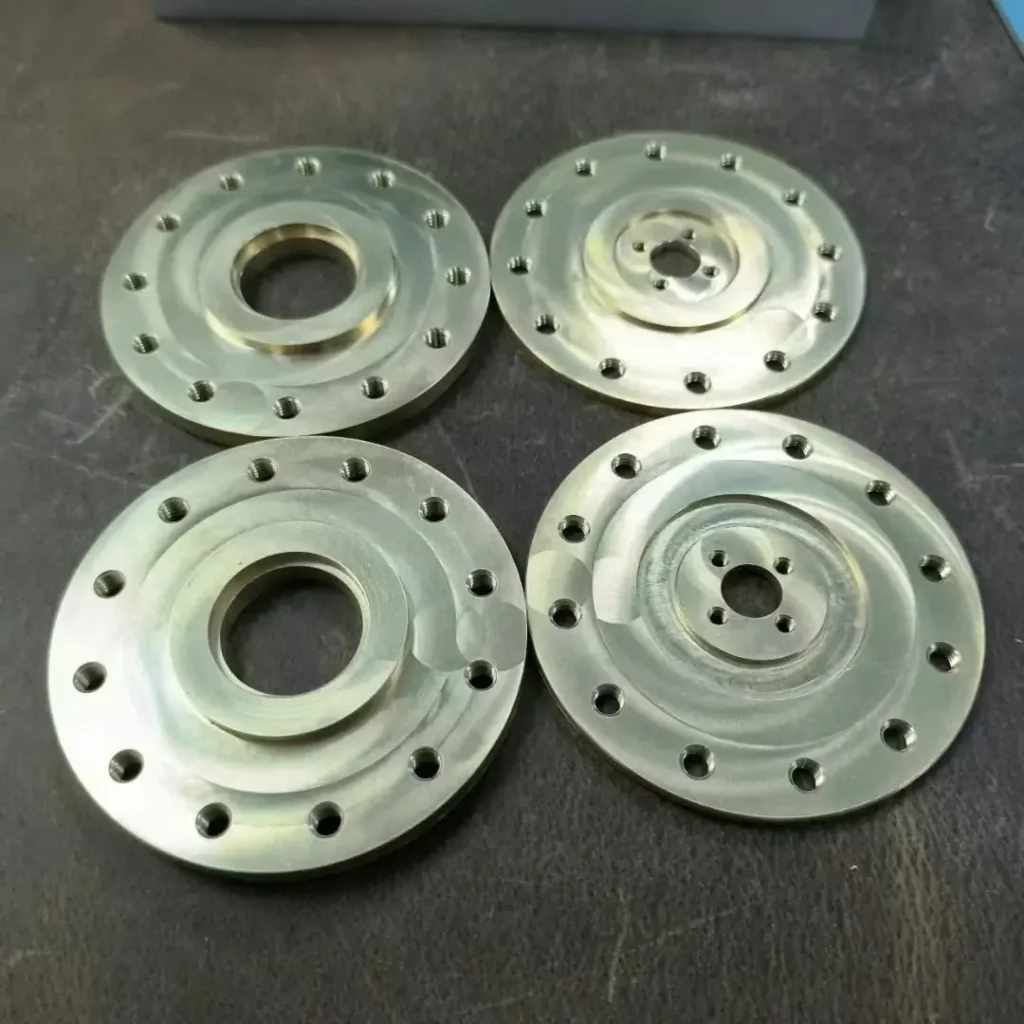
In the field of precision sheet metal fabrication, brass is one of the most versatile materials, highly regarded for its excellent machinability, acoustic properties, and distinctive golden luster. However, a question frequently arises in engineering discussions: “Does brass rust?” The answer to this question influences alloy selection, the development of surface treatment strategies, and the long-term reliability of countless custom components, ranging from marine hardware to electrical connectors.
Since this material contains no iron, it does not form true rust (iron oxide). However, when procurement professionals ask, “Does brass rust?”, they are typically concerned with discoloration, oxidation, or dezincification—phenomena that can resemble corrosion-related failure modes.
As a professional brass sheet metal fabrication manufacturer, Supro MFG emphasizes that while the term “rust on brass” is not technically accurate, environmental factors—such as chlorides, ammonia, or standing water—can indeed degrade its performance. You may observe a “rust-like” appearance on the material’s surface due to naturally formed patina, but the actual material loss and required repair methods differ from those of iron-based alloys. Effective brass rust removal treatment preserves component integrity while preventing severe wear.
Choosing an experienced brass sheet metal fabrication manufacturer ensures the correct selection of brass alloys and the application of post-processing coatings that prevent premature failure. This article explores the corrosion behavior of brass based on metallurgical standards and practical processing data, clarifying the distinction between “rusting” and “oxidation discoloration.”
Understanding “Rusting”: Why Brass and Steel Behave Differently
“Does brass rust?” is essentially a metallurgical question. Since this material contains no iron, true rusting does not occur. In precision sheet metal fabrication, this distinction directly determines the choice of alloy, surface treatment, and long-term reliability.
The Metallurgical Definition of “Rusting”
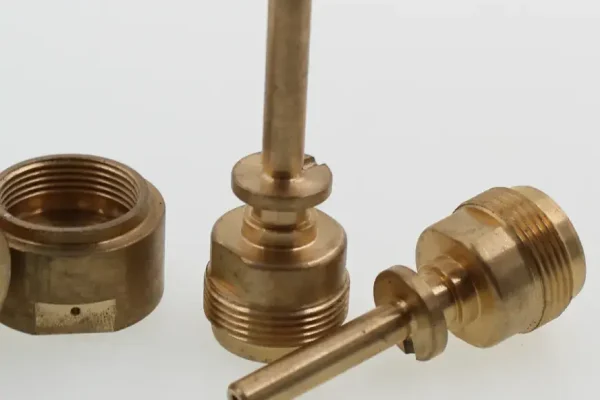
Rust is a specific type of corrosion: it occurs when iron (Fe) reacts with oxygen and moisture to form iron oxide. For a material to rust, it must contain iron. Steel rusts because it is an iron-based material. Brass contains no iron—its primary components are copper and zinc, typically 60% to 70% copper and 30% to 40% zinc, with lead, tin, or aluminum sometimes added to enhance specific properties.
Therefore, in a strict metallurgical sense, brass does not rust. This is not merely a semantic distinction but a fundamental property of the material, which has a direct impact on component durability, maintenance procedures, and life-cycle cost analysis.
Oxidation, Discoloration, and Rust: Technical Distinctions
When exposed to the atmosphere, brass undergoes surface reactions that differ from iron rust corrosion:
1) Oxidation. The copper in the material reacts with oxygen in the atmosphere to form a thin layer of copper oxide. This patina, typically green or brown after prolonged exposure, actually serves a protective function by passivating the underlying metal, thereby slowing further reactions.
2) Discoloration. More commonly, when copper reacts with sulfur compounds in the air (particularly hydrogen sulfide), the surface of brass sheet metal parts undergoes discoloration, forming a dark layer ranging from dark brown to nearly black. This discoloration occurs only on the surface, can be removed by polishing, and does not affect the structural integrity of the component.
3) Dezincification. The most severe corrosion mechanism for this material is dezincification: zinc is selectively leached from the alloy, leaving a porous and weakened copper-based structure. This process significantly reduces the mechanical properties of brass sheet metal parts and may lead to premature component failure, particularly in water system applications.
Only 4 steps
online custom metal fabrication parts
Contact our experts team and experience the efficiency and economic benefits of digital metal fabrication services.
Upload Design Files
STL , STEP (.stp), IGES (.igs), (.ZIP), or PDF.
Also be a sample or an idea
Quote & Design Analysis
Instant factory quotes and DfM reports, the most reasonable solution.
Manufacturing Begins
Digital processes can initiate order tasks within 24 hours.
On-Time Delivery
Keeping delivery promises, approved by 3000+ Global Company buyers.
Factors Affecting Brass Corrosion Resistance
For purchasers evaluating brass sheet metal fabrication services, the real concern is not merely whether the material will rust, but rather what factors accelerate its degradation. Zinc content, exposure to chlorides, and ammonia directly determine the corrosion risk. Supro mitigates these risks through precise alloy selection and controlled surface treatment processes.
Zinc Content and Alloy Composition
The copper-to-zinc ratio is the primary factor determining the corrosion resistance of brass alloys. Generally, a higher copper content enhances corrosion resistance, while a higher zinc content increases the risk of dezincification—that is, the leaching of zinc, leaving behind porous copper. Although this failure mode resembles corrosion, it requires different preventive strategies.
In marine or valve applications, naval brass (C46400) incorporates tin to suppress dezincification. The addition of aluminum both enhances the alloy’s strength and promotes passivation. Lead is primarily added to improve machinability and has a negligible direct impact on corrosion behavior.
As an experienced brass sheet metal fabrication manufacturer, we select low-zinc grades (such as C26000) for components exposed to humid environments to ensure their long-term integrity.
Environmental Conditions That Accelerate Brass Degradation
Certain operating environments accelerate the corrosion of brass sheet metal parts to a degree far exceeding typical atmospheric oxidation:
Chloride-rich environments. Saltwater and coastal atmospheres accelerate pitting and stress corrosion cracking, particularly in high-zinc alloys. Marine-grade brass is specially alloyed to withstand these conditions.
Ammonia found in industrial cleaners or fertilizers is equally destructive, as it rapidly erodes grain boundaries.
Stagnant or low-flow water promotes dezincification inside valve bodies and fittings.
Supro recommends avoiding prolonged exposure to these substances. Even precision brass sheet metal parts cannot overcome the effects of environmental chemistry; proper alloy selection and the application of protective coatings remain critical. Conventional brass rust removal treatments are ineffective against degradation occurring beneath the surface.
The Significance of Protective Patina Formation
Not all surface changes are harmful. In many service environments, the material forms a stable patina that inhibits further corrosion. Over time, layers of copper oxide and copper carbonate naturally form, creating a barrier that reduces the reaction rate. This is why brass sheet metal parts used in construction can maintain a service life of decades despite visible surface changes.
However, we must distinguish between beneficial patina and brass corrosion caused by dezincification or pitting. The former has a uniform color, adheres firmly, and does not flake off; the latter presents a porous or powdery appearance. For components that need to retain their original appearance, mild chemical polishes can be used to remove rust stains. This method only removes the surface oxide layer without stripping away the intact patina beneath.
Are you looking for reliable & cost-effective
China Sheet Metal Fabricators
More than 150,000 OEM metal fabrication products delivered to 5,000+ global buyers.
And benefit from it!
Applications of Brass in Sheet Metal Fabrication: Processing Considerations
Even with the correct answer to “Does brass rust?”, the fabrication process may still pose corrosion risks. Precision brass sheet metal fabrication requires the use of controlled dies, stress relief, and edge finishing. Regardless of the alloy’s quality, improper sheet metal fabrication techniques can generate residual stresses, thereby accelerating component failure
Machinability and Alloy Selection for Custom Brass Sheet Metal Parts
In custom brass sheet metal fabrication, the choice of alloy directly affects machinability and long-term corrosion resistance. C360 brass offers excellent chip-forming properties, but its high zinc content may raise concerns about rusting in humid environments. C260 offers excellent ductility, making it suitable for deep-drawn components, while C464 incorporates tin to enhance resistance to seawater corrosion.
Supro selects the appropriate alloy based on the application: low-zinc grades are used for components in contact with fluids, while high-zinc grades are chosen for components inside dry rooms. Even precision brass sheet metal fabrication cannot compensate for defects resulting from incorrect material selection. Understanding the mechanisms of rust on brass—particularly dezincification—helps in making wiser grade selections from the outset.
Processing Challenges and Quality Control for Brass
The manufacturing process itself can create areas prone to future brass corrosion. Stamping or shearing can create burrs and microcracks—which serve as prime entry points for corrosion. If edges are not properly deburred, moisture can accumulate, accelerating localized dezincification.
For precision brass sheet metal fabrication, controlled annealing can eliminate internal stresses that would otherwise lead to stress corrosion cracking, particularly in ammonia-rich environments.
For components requiring strict dimensional tolerances (common in valve bodies, electrical connectors, and mechanical assemblies), the material’s thermal expansion characteristics must be taken into account. Temperature increases during heavy machining can cause dimensional drift exceeding 0.03 mm; therefore, controlled cooling strategies and pre-machining material stabilization treatments are essential.
Quality control must include monitoring grain flow and ensuring material thickness consistency. As an experienced brass sheet metal fabrication manufacturer, Supro also inspects for surface contamination caused by cutting fluids, as these fluids may leave behind chlorides. Additionally, we implement stress-relief procedures and edge finishing—critical steps that determine whether brass sheet metal parts will be durable or fail prematurely.
Why choose Supro MFG's Custom Sheet Metal Fabrication Services
Provide the most cost-effective cost solution for manufacturing and assembling products, expanding product competitiveness.
a technical team specializing in custom shell manufacturing for more than 30 years.
Advanced Manufacturing Equipment: Industry-leading custom metal enclosure manufacturer with in-house sheet metal, die casting, precision machining workshops, and surface coating workshops.
ISO 9001-2015, PPAP III level, RoHS, NEMA, CE and other certified production standards.
24H*7 online English technical support: The professional English team responds quickly to users’ technical questions online at any time.
help users from product design, prototype, batch manufacturing, surface treatment, assembly and packaging, transportation and a series of value-added services.
With in-house mechanics and chemistry laboratories, it can quickly monitor manufacturing process quality control to ensure the delivery of high-quality products.
Accept to sign NDA documents to ensure that customers’ product information is protected.
Door-to-door delivery in customizable secure packaging after complying with the delivery details agreed with the customer.
Industrial Applications Leveraging Brass’s Corrosion Resistance
The question “Does brass rust?” only becomes meaningful when applied to actual components. From marine hardware to electrical terminals, brass sheet metal parts offer corrosion resistance in applications where steel falls short.
1) Marine and Offshore Components. Naval brass alloys are specified for propeller shafts, pump components, and seawater piping systems—applications that require resistance to saltwater corrosion. These alloys maintain their strength across a wide temperature range while resisting selective zinc stripping, a phenomenon that affects lower-grade materials in marine environments.
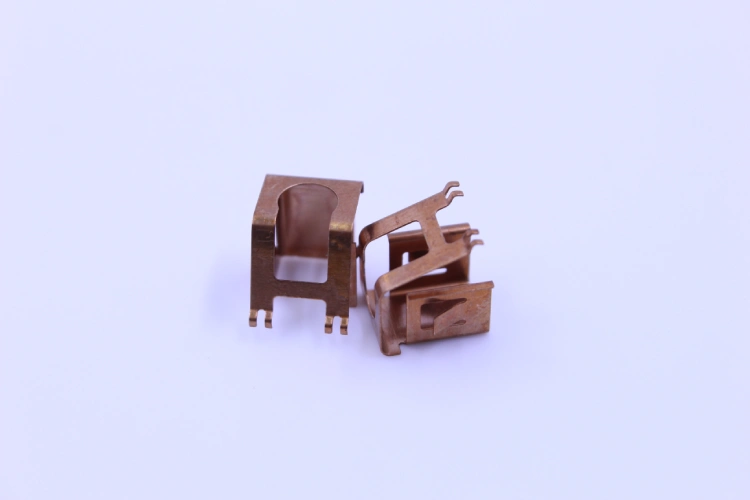
2) Electrical and Electronic Applications. Brass combines electrical conductivity with corrosion resistance, making it the material of choice for terminals, connectors, and switchgear components. Under indoor conditions, contact surfaces may experience only slight oxidation but can still function reliably for decades.
3) Water Supply, Drainage, and Fluid Conveyance. Global water supply and drainage codes mandate that valves, fittings, and water meter components be made of DZR brass. The addition of arsenic effectively suppresses dezincification, ensuring long-term reliability in drinking water systems.
4) Decorative and Architectural Hardware. Door handles, lighting fixtures, and decorative trim are often chosen for their aesthetic appeal. While oxidation and discoloration are inevitable in exposed applications, the surface luster can be restored through polishing, and protective varnish can extend the longevity of the original finish.
Protection of Brass Sheet Metal Parts: Prevention and Maintenance
Even the highest-quality brass sheet metal fabrication services cannot completely prevent environmental corrosion. Effective protective measures should combine appropriate coating treatments, regular cleaning, and stress management. Establishing brass rust removal protocols and implementing preventive maintenance can extend service life—thereby transforming “rust” from a cause for concern into a controllable factor.
Protective Coatings
Applying a clear varnish or polymer coating is the most direct method to prevent surface discoloration of brass sheet metal parts. Acrylic-based coatings containing built-in corrosion inhibitors provide long-lasting protection against moisture, chlorides, and operational oils.
However, buyers must recognize that coatings provide sacrificial protection—scratches or pinholes can expose the base metal, leading to localized rust-like appearances on brass (though not true rust). When selecting brass sheet metal fabrication services, the coating thickness (typically 12–25 microns) should be clearly specified, and adhesion testing should be conducted in accordance with ASTM D3359.
For components requiring electrical conductivity, insulating coatings should be avoided; instead, a discoloration-resistant film with a thickness of less than 1 micron should be specified. If the topcoat is applied correctly, its performance will be significantly enhanced.
Correct Cleaning Methods for Removing Rust from Brass
When discoloration appears on the surface, rust must be removed without damaging the base material. Abrasive pads or steel wool can cause scratches, leading to moisture retention and accelerating dezincification—thereby turning cosmetic issues into structural deterioration.
For brass sheet metal parts, it is recommended to clean them using a soft cotton cloth with a mild polishing agent containing citric acid or an ammonia-free formula. Be sure to avoid using chloride-containing cleaners.
For severely discolored parts (which are actually copper oxide), a two-step method can be used: first, soak in a 5% acetic acid solution (white vinegar) for 5–10 minutes, then rinse with deionized water and dry immediately.
For precision brass sheet metal parts with tight tolerances, never immerse assembled parts in solutions; instead, use a gel-based cleaner. Proper cleaning procedures preserve both appearance and material integrity.
Environmental Control
An unfavorable installation environment can negate the material’s advantages. For custom brass sheet metal parts designed for long service life, the following three variables must be controlled: relative humidity below 60%, avoidance of ammonia-based cleaners in adjacent areas, and elimination of electrochemical coupling with dissimilar metals (e.g., direct contact with carbon steel).
In coastal facilities, naval brass should be specified or a protective coating applied. For indoor applications, simply keeping sheet metal parts dry and dust-free can significantly reduce the rate of discoloration.
Storage conditions are also critical: never wrap in PVC film (as it releases plasticizers that attract moisture). Use moisture-proof paper or sealed containers with desiccants. Environmental control is the most cost-effective method for brass rust prevention.
When Corrosion Indicates Component Failure
Not all discolored brass surfaces are safe. For decorative components, replacement decisions are primarily based on aesthetic considerations. However, for critical mechanical components—such as valves, fasteners, and pressure vessels—regular inspections are required to check for signs of dezincification or stress corrosion cracking. Signs requiring immediate evaluation include:
A color change from golden yellow to reddish-pink
Pores or visible cracks on the surface
Leaks from previously sealed joints
Mineral stains indicating fluid penetration
If any of the above signs are observed, the component should be removed for inspection, with particular attention paid to safety implications if the component is subject to load or pressure.
Even minute cracks can propagate rapidly under cyclic loading or temperature fluctuations. The purchaser should establish inspection intervals: annually for marine or chemical environments, and biennially for general industrial applications. If any signs are observed, the component should be taken out of service immediately. Structural damage cannot be reversed.
Looking for a reliable custom sheet metal fabrication companies?
Talk To Supro MFG Expert Team
Contact us for competitive ex-factory prices,
and a full range of technical support services.
Conclusion
Brass does not rust. It may discolor, oxidize, and undergo dezincification under certain conditions—but so-called “rusting” (i.e., the formation of iron oxide) is metallurgically impossible in a copper-zinc alloy system. Understanding this distinction is critical for specifying the correct alloy grade, applying appropriate surface treatments, and establishing practical maintenance procedures.
From marine components to precision electrical connectors, when properly selected and processed, this material delivers reliable performance in a wide range of demanding applications. The key to custom brass sheet metal fabrication is not to completely avoid corrosion, but to understand which corrosion mechanisms affect a specific alloy under given conditions and to design accordingly.
Supro is a professional brass sheet metal fabrication manufacturer. Leveraging advanced equipment, extensive manufacturing experience, and a dedicated engineering team, we provide perfect custom metal fabrication solutions to over 3,000 companies worldwide, along with genuine manufacturer quotes.
We deliver a wide range of products efficiently and on time. From product design and rapid sheet metal prototype fabrication to mass production, we provide professional technical support and exceptional quality. We also offer one-stop manufacturing solutions and highly cost-competitive product supply!
For recommendations on customized fabrication solutions tailored to your specific project environment, please contact Supro’s technical engineering team.