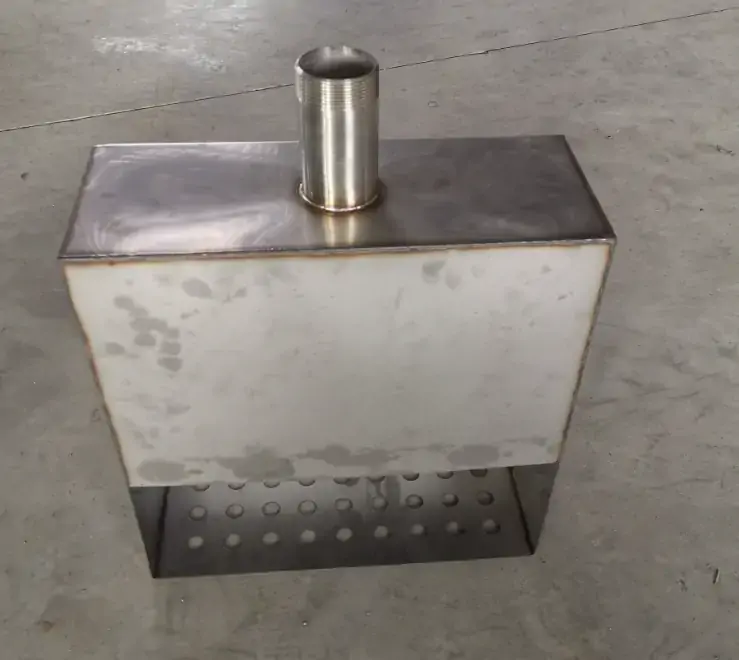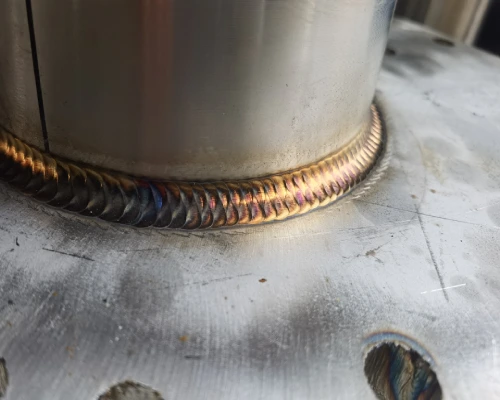

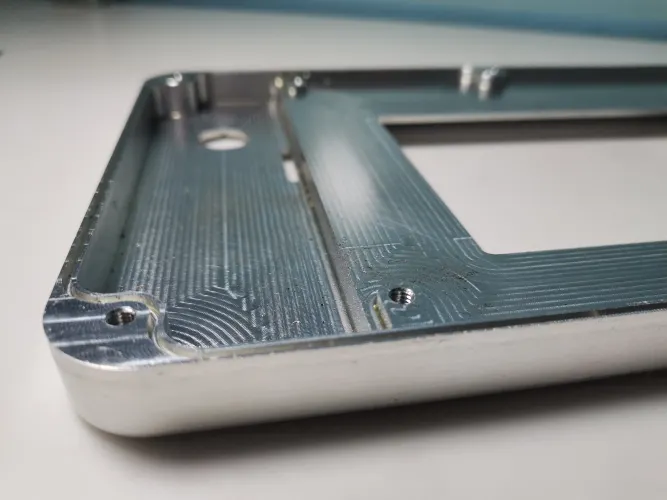
Welding C10100 pure copper presents fundamental challenges: its exceptional thermal conductivity (approximately 400 W/m·K) rapidly dissipates heat from the weld zone, making fusion difficult without precise energy control. Unlike steel or aluminum, the copper welding process requires strict thermal input control to achieve full penetration while preventing overheating of the base material.
Copper welding processes primarily fall into two categories: resistance welding for high-volume terminal connections and laser welding for precision micro-components. Both require specialized techniques, including electrode pressure calibration and surface oxide layer removal.
This article provides a detailed analysis of copper welding processes, examining how core parameters like current, pressure, and time impact weld quality. It also explores the critical role of pre-weld surface treatments—such as electropolishing and tin plating—in enhancing weldability.
Solving Copper Welding Cracking Issues; Rapidly Enhancing Joint Strength
Weld cracking compromises conductivity and shortens product lifespan, particularly in copper components used in power modules and electric vehicle systems. When copper materials, part precision, and the copper welding process converge, minor errors can quickly escalate into major failures. The following methods ensure strength and stability without increasing process complexity.
Optimization of Resistance Welding Parameters
In the copper welding process, parameter control determines joint integrity—particularly for highly thermally conductive C10100 material. Current must be precisely calibrated: insufficient current leads to inadequate weld core strength, while excessive current causes electrode wear and an overly large heat-affected zone. Electrode pressure is equally critical—insufficient pressure causes fluctuating contact resistance, while excessive pressure leads to material thinning.
We optimize copper welding process parameters through systematic testing on representative production billets, measuring weld nugget diameter and conducting cross-section analysis to verify penetration. Validated parameters are locked as copper welding process standards, ensuring repeatable results through this standardized welding methodology.
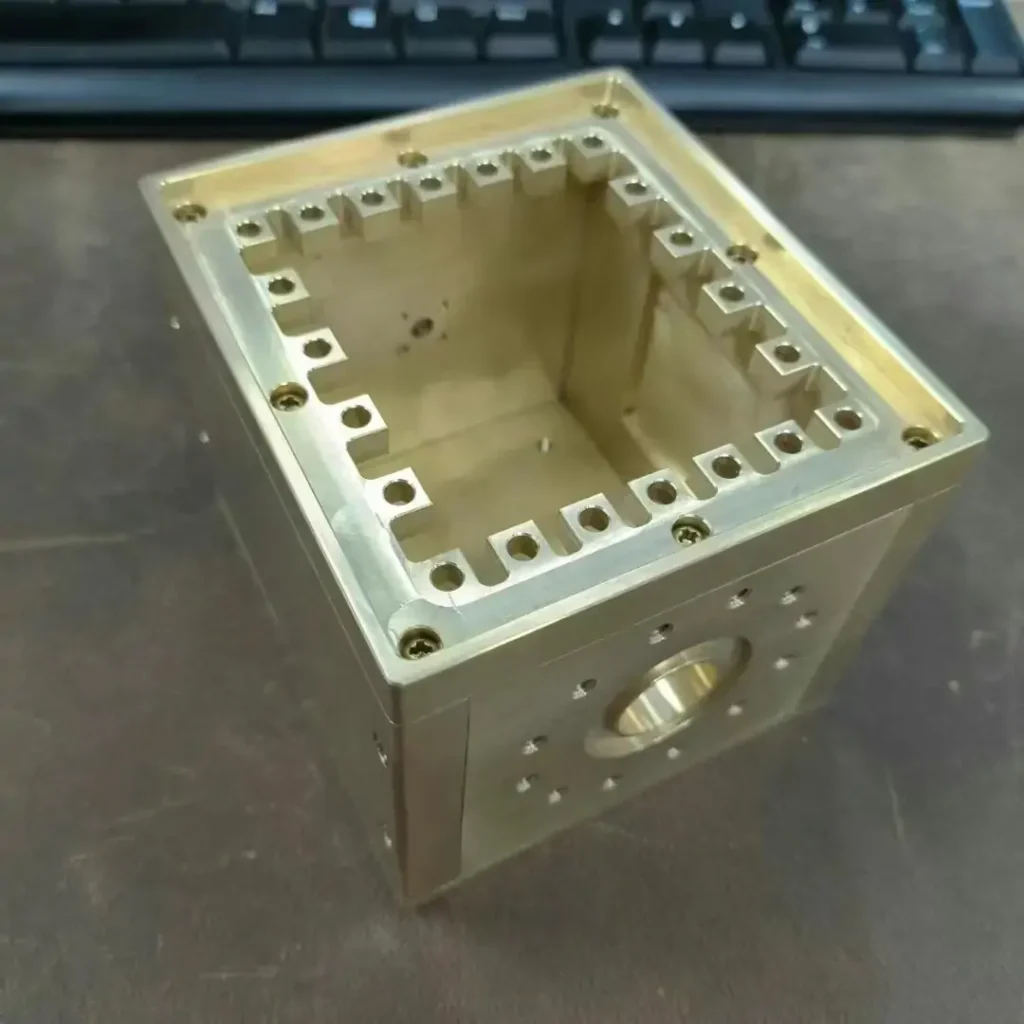
Pre-welding Surface Treatment: Electrolytic Polishing and Tin Plating
C10100 material develops a surface oxide layer within minutes of air exposure, directly impacting welding reliability. Electrolytic polishing removes this oxide layer electrochemically, exposing fresh copper substrate for stable fusion—critical for achieving gas-tight seals or low-resistance joints. For high-current busbars, we employ a combination of electrolytic polishing and controlled tin plating: the tin layer prevents re-oxidation during handling while reducing interfacial contact resistance. This dual pretreatment enables cleaner arc ignition, uniform weld bead formation, and significantly reduces rework.
In our copper welding process, surface treatment is not optional—it is a technical specification. When evaluating copper welding services, verify that potential partners prioritize pre-weld cleaning with the same rigor as the weld itself. As an experienced copper welding manufacturer, Supro has demonstrated that standardized surface treatment reduces welding variability by over 40% in production environments.
Ensuring Compliance with IATF 16949 Standards and PPAP Documentation Requirements
While robust welds are essential, demonstrating the consistency of the copper welding process is what distinguishes qualified suppliers in automotive manufacturing and mission-critical applications. In accordance with IATF 16949, we maintain up-to-date process flow diagrams and Process Failure Mode and Effects Analyses (PFMEAs) specifically for copper welding, ensuring all potential failure modes—from oxide inclusions to electrode degradation—are identified and controlled.
For high-volume production, we provide Level 3 PPAP documentation: automotive-standard control plans, weld core size capability studies (Cpk), and sample verification records.
“Automotive suppliers that integrate welding validation into PPAP reduce field failure risk significantly,” noted a 2025 Deloitte Global Automotive Supplier report.
For buyers, this compliance delivers traceability and peace of mind. Choosing manufacturers who treat documentation management with the same rigor as the copper welding process ensures smoother audits and fewer surprises.
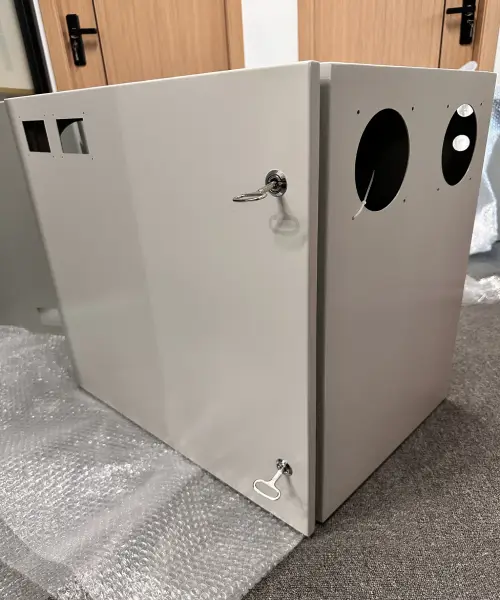
Why choose Supro MFG's Custom metal enclosure Services
Real ex-factory price:
Provide the most cost-effective cost solution for manufacturing and assembling products, expanding product competitiveness.
Professional technical team:
a technical team specializing in custom shell manufacturing for more than 30 years.
Advanced Manufacturing Equipment: Industry-leading custom metal enclosure manufacturer with in-house sheet metal, die casting, precision machining workshops, and surface coating workshops.
ISO 9001-2015 Manufacturer:
ISO 9001-2015, PPAP III level, RoHS, NEMA, CE and other certified production standards.
24H*7 online English technical support: The professional English team responds quickly to users’ technical questions online at any time.
One-stop manufacturing solution:
help users from product design, prototype, batch manufacturing, surface treatment, assembly and packaging, transportation and a series of value-added services.
Authoritative testing capabilities:
With in-house mechanics and chemistry laboratories, it can quickly monitor manufacturing process quality control to ensure the delivery of high-quality products.
Intellectual Property Protection(NDA):
Accept to sign NDA documents to ensure that customers’ product information is protected.
Commitment to On-Time Delivery:
Door-to-door delivery in customizable secure packaging after complying with the delivery details agreed with the customer.
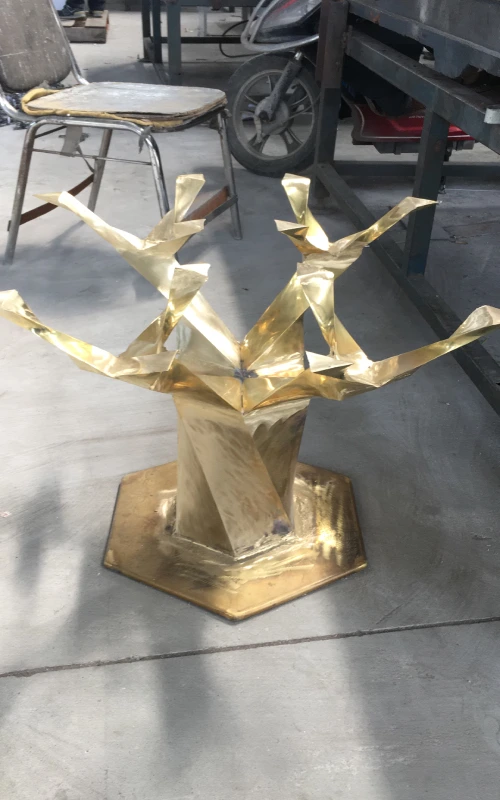
Laser Welding Copper vs. Resistance Welding Copper
Selecting the appropriate copper welding technique depends on joint geometry, production volume, and electrical requirements. Laser welding delivers focused energy with minimal heat input, making it ideal for precision-critical micro-components and hermetic seals. In contrast, resistance welding forms solid-state bonds through controlled current and pressure, serving as the primary process for high-volume terminal connections. Both techniques require stringent parameter control to manage the high thermal conductivity of C10100 material.
Laser Welding Copper

For high-density copper welding applications like EV busbars and microconnectors, laser welding achieves precision unattainable by resistance welding. The focused beam concentrates energy precisely at the joint, overcoming C10100’s high reflectivity while limiting heat diffusion to surrounding material. This controlled thermal input creates a narrow heat-affected zone (typically <0.5 mm), preserving the base material’s electrical conductivity and mechanical properties.
For thin-gauge copper components, laser welding’s adjustable penetration depth (0.2-1.0 mm) safeguards delicate structures while ensuring complete fusion. Its production flexibility stems from CNC-controlled processing paths and welding speeds up to 80 mm/s, supporting automated production lines with guaranteed repeatability. Laser welding copper also significantly reduces post-weld processing steps.
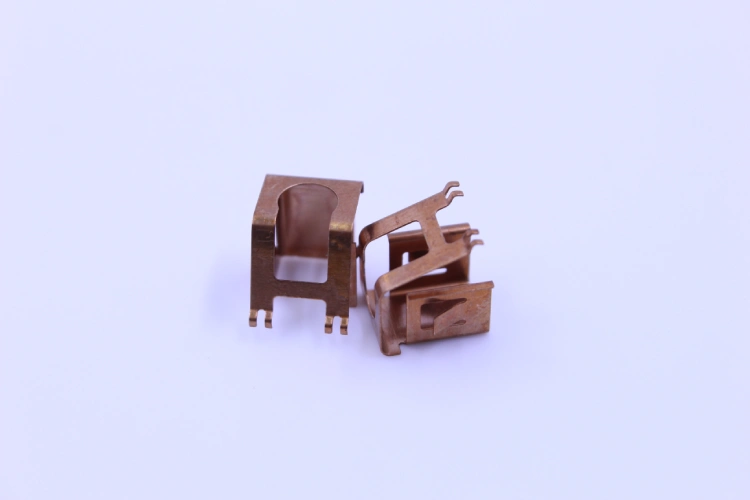
For high-density copper stampings used in battery modules, Supro employs laser welding copper technology, particularly suited for scenarios demanding tight tolerances and low warpage. Its core advantages lie in achieving a smooth surface finish and low rework rates.
Parameter | Typical Value | Effect on Copper Stamping |
Laser Power | 500–1500 W | Stable fusion on thin copper |
Penetration Depth | 0.2–1.0 mm | Protects fine stamped copper parts |
Welding Speed | 20–80 mm/s | Supports automated copper stamping lines |
Heat Affected Zone | <0.5 mm | Low distortion |
Resistance Welding Copper
For terminal accessories and heavy-duty connectors, resistance welding remains the most cost-effective copper welding technique for high-volume production. The copper welding process relies on three controllable variables: current intensity, electrode pressure, and weld duration. Current flowing through the interface precisely generates heat at the contact resistance points. Synchronized pressure applied by the electrodes forges a dense weld nucleus as the molten material solidifies. This solid-state bond delivers mechanical strength comparable to the base material—critical for power distribution components.
Unlike laser welding copper, resistance welding equipment requires lower capital investment and offers straightforward automation, making it ideal for production lines manufacturing thousands of parts daily. For stamped copper leads and power tabs, the mechanically interlocked weld core ensures long-term reliability in vibrating environments.
Resistance welding maintains cost stability, while laser technology handles precision manufacturing. Supro Mfg supports both copper welding processes, helping you meet production targets while ensuring joint integrity.
online custom metal fabrication parts
Only 4 steps
Contact our experts team and experience the efficiency and economic benefits of digital metal fabrication services.
Upload Design Files
STL , STEP (.stp), IGES (.igs), (.ZIP), or PDF.
Also be a sample or an idea
Quote & Design Analysis
Instant factory quotes and DfM reports, the most reasonable solution.
Manufacturing Begins
Digital processes can initiate order tasks within 24 hours.
On-Time Delivery
Keeping delivery promises, approved by 3000+ Global Company buyers.
FAQs About Copper Welding
How do I choose between laser welding and resistance welding for copper components?
This depends on joint geometry and production scale. Resistance welding suits high-volume terminal connections with lower equipment costs; laser welding excels at handling micro-components or requiring minimal heat input for sealed welds. As a copper welding manufacturer, Supro evaluates both technologies based on your conductivity requirements and production volume.
What causes porosity in copper welds?
Porosity typically stems from surface contamination or insufficient shielding gas. C10100 copper’s affinity for oxygen means even trace oxides release gas during melting. This issue is eliminated through standardized pre-weld cleaning like electropolishing or tin plating. In our copper welding process, surface treatment quality is verified before the initial arc strike.
How can weld quality be verified without destroying the sample?
Production can combine real-time monitoring (current, pressure, displacement) with periodic cross-section inspection. Many copper welding services now employ mid-infrared imaging to detect weld core inconsistencies. We also maintain Production Part Approval Process (PPAP) documentation and conduct capability studies for critical parameters.
Can C10100 be welded to other materials like brass or steel?
Yes, but caution is required to prevent intermetallic compound formation. For dissimilar material joints, we adjust the copper welding process—typically using nickel interlayers or specialized electrode geometries—to inhibit brittle phase precipitation. Sample testing must validate this prior to mass production.
Which surface treatments and certifications enhance the reliability of the copper welding process?
Surface Treatments:
Tin plating supports welding stability.
Silver plating improves electrical contact conductivity.
Nickel plating enhances corrosion resistance.
Gold plating ensures long-term signal integrity.
Passivation and electropolishing protect precision structures.
Quality Standards:
ISO 9001 certification ensures process control.
IATF 16949 certification meets automotive supply chain requirements.
RoHS and REACH compliance guarantee material safety.
PPAP documentation and IPC standards enable traceable approval.
Surface treatments and certification systems collectively build the quality of each batch of copper parts.
Looking for a reliable custom sheet metal fabrication companies?
Talk To Supro MFG Expert Team
Contact us for competitive ex-factory prices,
and a full range of technical support services.
Summary
Achieving reliable copper welding on C10100 material requires not only equipment support but also stringent process specifications. Whether producing high-volume terminals via resistance welding or fabricating precision components through laser welding, success hinges on three critical factors: managing thermal conductivity through controlled heat input, eliminating oxides via standardized surface treatment, and locking verified parameters through PPAP documentation.
Supro is a specialized copper welding manufacturer. Leveraging advanced equipment, extensive manufacturing experience, and a professional engineering team, we provide perfect copper welding services to over 3,000 companies worldwide, offering genuine manufacturer quotes.
As an industry-leading metal fabrication manufacturer, we deliver diverse products efficiently and on schedule. From product design and rapid sheet metal prototype fabrication to mass production, we provide expert technical support and exceptional quality. We offer one-stop manufacturing solutions and highly cost-competitive product supply!