
Selecting the right metal stamping materials goes far beyond consulting data sheets—it directly defines a part’s structural integrity, production efficiency, and tooling lifespan. As a specialized metal stamping manufacturer, Supro understands that a material’s mechanical behavior, from yield strength to work hardening rate, determines whether it forms smoothly during continuous stamping or causes tool wear. Whether selecting high-tensile steel for automotive chassis or biocompatible stainless steel blanks for medical devices, every decision demands precise understanding of metallurgical properties.
As your trusted metal stamping manufacturer, we go beyond providing metal stamping services. We integrate materials science with practical production expertise to optimize tonnage costs and scrap rates while ensuring compliance with UL or ASTM standards. From home appliances to electronic enclosures, proper material selection is the first step in ensuring your products endure in the marketplace.
This article analyzes the mechanical responses and process compatibility of various metal stamping materials from a shop floor perspective, helping you balance performance and cost in procurement decisions.
Types of Metal Stamping Materials
Choosing the right metal stamping materials isn’t just a technical call—it shapes cost, durability, and how smooth production runs. From steel to copper, different metal stamping materials behave in unique ways under pressure. Below, we break down common stamping materials, mixing practical shop-floor insight with real-world performance data.
Cold Rolled Steel Sheet Stock for Appliance Parts
When talking about dependable metal stamping materials, Cold Rolled Steel and Sheet Stock sit near the top for appliance builds.
Steel Properties
High yield strength (typically 210–350 MPa)
Tight thickness tolerance (±0.01–0.03 mm)
Uniform grain structure
Surface Finish
Smooth, scale-free exterior
Ideal for painting or powder coating
Application in Appliance Parts
Structural brackets
Motor housings
Control panel frames
Performance Snapshot
Property | Typical Range | Appliance Requirement | Result in Stamping |
Yield Strength (MPa) | 210–350 | ≥200 | Pass |
Thickness Tolerance (mm) | ±0.01–0.03 | ≤±0.05 | Stable Fit |
Surface Roughness (Ra μm) | 0.8–1.6 | ≤2.0 | Paint Ready |
Elongation (%) | 28–38 | ≥25 | Good Drawability |
For brands pushing tight specs, including supro mfg, cold rolled steel remains one of the safest stamping materials for mass appliance production. In the world of metal stamping materials, consistency is king—and this one delivers.
Hot Rolled Steel Plate vs. Galvanized Steel Coil
This comparison pops up often in discussions around metal stamping materials for structural builds.
Base Material Differences
Hot-Rolled Steel Plate
High-temperature production process
Trace surface scale
Lower cost per ton
Galvanized Steel Plate
Galvanized steel coil
Enhanced corrosion resistance
Controllable surface treatment
Mechanical Properties Comparison
Steel Plate (Hot-Rolled)
More suitable for thick automotive brackets
High load-bearing capacity
Galvanized Coil
Medium strength
Longer outdoor service life
Application Scenarios for Both Metal Stamping Materials
Indoor structural frameworks → Hot-rolled steel plate
Outdoor architectural hardware → Galvanized steel plate
Galvanized steel sheets outperform hot-rolled sheets when rust prevention is paramount. Hot-rolled sheets remain viable when cost and structural thickness are prioritized. Both materials remain widely used in metal stamping, each meeting distinct mechanical performance and coating requirements.
Stainless Steel Metal Stamping Blanks in Medical Devices
Precision matters more than hype in medical work. Among high-grade metal stamping materials, Stainless Steel stands out for clinical environments.
Stainless steel stamping materials mitigate risks. For surgical instruments, stents, and implant support structures, these metal stamping materials provide reassurance to regulators and engineers alike. Manufacturers like Supro Mfg prioritize traceability when supplying metal stamping parts.
Material Integrity
Material purity ensures compliance with ASTM and ISO standards.
Controlled chemical composition minimizes contamination risks.
Functional Requirements
Biocompatibility: Safe tissue contact, non-toxic ion release.
Corrosion Resistance: Withstands saline solutions and sterilization cycles.
Sterilization Stability: Autoclave compatible, maintains mechanical integrity.
Billet Production Process
Coil selection (traceable batch ID)
Precision blanking
Edge deburring
Surface polishing to medical-grade finish
Aluminum Alloys Strip Stock for Electronics Enclosures
Lightweight builds dominate consumer electronics, and Aluminum Alloys lead the pack in modern metal stamping materials.
1)Material Advantages
Lightweight density (~2.7 g/cm³)
Strong Thermal Conductivity (≈205 W/m·K for 6061)
Good Electrical Conductivity
Flexible Alloy Composition options
2)In Electronics Enclosures
Heat dissipation panels
Shielding covers
Battery frames
- Easy to stamp
- Easy to machine
- Easy to anodize
That trio alone explains the popularity.
From raw Strip Stock to finished enclosure, the process typically follows:
Coil feeding
Progressive die stamping
Piercing and forming
Surface finishing
Because aluminum stamping materials reduce overall device weight, manufacturers save on shipping and improve user comfort. Within the broader family of metal stamping materials, aluminum remains the go-to for portable tech.
Copper Alloys Coil for Decorative Hardware
When aesthetics and strength are equally important, copper alloys become the ideal choice.
1) Core Characteristics
High electrical conductivity
Natural aesthetic appeal
Exceptional durability in indoor environments
2) Material Structure
Copper coil supply format: Stable feeding in continuous dies, uniform hardness control.
Alloy property optimization: Brass for color tone, bronze for enhanced wear resistance.
3) Functional Balance
Machinability enables intricate detailing
Temperature-controlled processing supports crack-free bending
In decorative hardware applications like door handles, trim panels, and switch covers, copper-based stamping materials deliver a warm texture and refined elegance unmatched by steel.
Across five major categories, selecting the right metal stamping materials determines performance, cost, and long-term reliability. From heavy-duty steel plates to smooth aluminum and conductive copper, intelligent material choices make metal stamping both efficient and economical. In actual production, Supro Mfg perfectly matches these metals with precision dies, ensuring final parts not only meet design specifications but also feel just right in the hand.
No design files? Let Supro MFG do it for you.
We often come across clients who have no professional design drawings and documentation, only a creative idea, which leads to the project being at a standstill.
If you are in this situation, then contact our team of experts.
Supro MFG, as an industry-leading custom metal fabricator, has an ever-experienced team of engineers who utilize their extensive fabrication experience and technical expertise to build your idea into a real product and create design files such as STEP/STP/SLDPRT/DXF/PDF/PRT/DWG/AI.
That’s what makes SUPRO MFG so great, and 2,000 corporate, entrepreneurial, artist, and other purchasers from around the world enjoy working with us and benefiting from our one-stop manufacturing services.
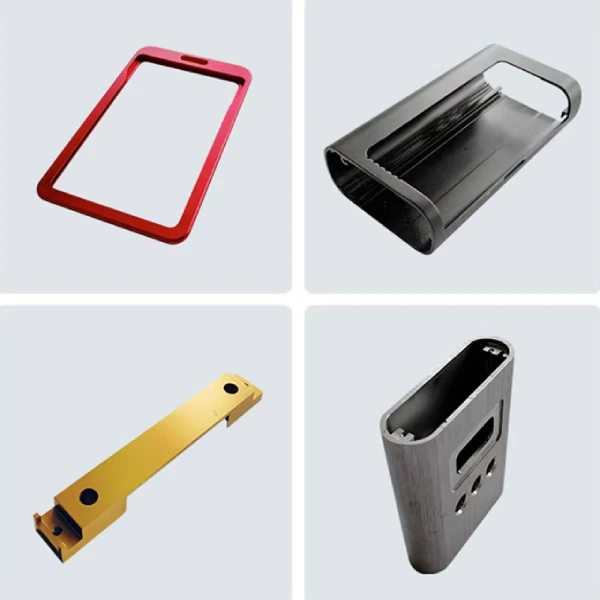
Three Key Factors Affecting the Hardness of Metal Stamping Materials
Material hardness shapes how metal stamping materials behave under pressure, heat, and repeat cycles. From alloy tweaks to surface tweaks, small changes in metal stamping materials can make or break part quality. Let’s break down what really drives performance in metal stamping materials.
Alloy Composition’s Effect on Yield Strength
When choosing metal stamping materials, alloy composition sits at the core of material science and real-world production results.
Chemical Elements and Mechanical Response
A)Carbon in steel alloys
Raises yield strength and tensile strength.
Increases hardness but may reduce elongation.
B)Chromium additions
Improve corrosion resistance.
Enhance wear performance in demanding metal stamping material applications.
C)Magnesium in aluminum alloys
Boosts strength-to-weight ratio.
Maintains good formability for lightweight stamped parts.
Impact on Metal Properties in Production
Higher alloy content → greater forming force required.
Adjusted chemistry → modified springback behavior.
Balanced composition → stable metal properties across batches.
Material Type | Key Alloy Element | Yield Strength (MPa) | Tensile Strength (MPa) |
Low Carbon Steel | C (0.1%) | 250 | 400 |
High Carbon Steel | C (0.6%) | 500 | 750 |
5052 Aluminum | Mg (2.5%) | 193 | 228 |
304 Stainless | Cr (18%) | 215 | 505 |
In daily production of metal stamping materials, dialing in chemistry is not guesswork. Teams at supro mfg fine-tune metal stamping materials and stamping metals to match load demands, tool life goals, and corrosion targets without over-engineering the part.
Work Hardening and Its Impact on Ductility
Work hardening changes the story fast. As metal stamping materials undergo plastic deformation, the internal structure tightens up. Hardness climbs. Ductility drops.
Here’s how it plays out:
More press strokes → more strain hardening.
Increased hardness → reduced bend allowance.
Excess deformation → early metal fatigue risk.
During forming, dislocations multiply.
Strength rises, but stretchability shrinks.
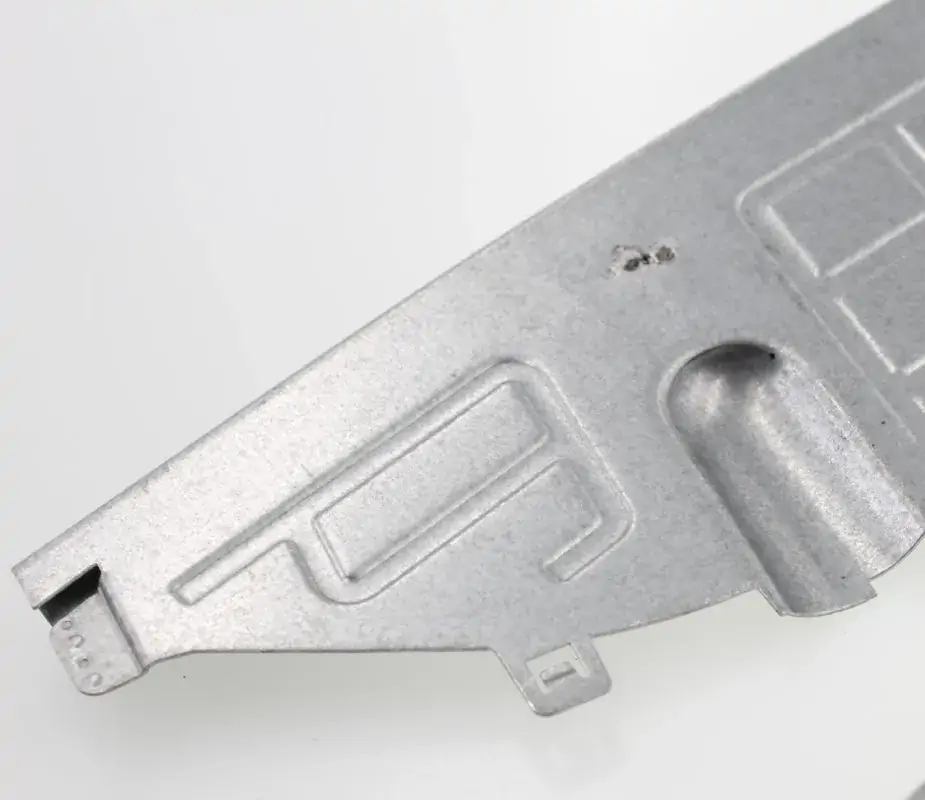
If cracking appears, an annealing process may reset material behavior.
According to the World Steel Association’s 2025 outlook, advanced high-strength steels continue expanding in automotive use because controlled strain hardening improves crash performance while reducing weight.
For metal stamping materials, this balance is everything. Push too hard and scrap rates spike. Control strain rates and the same metal stamping material becomes predictable, stable, and cost-friendly. For this very reason, experienced metal stamping manufacturers closely monitor forming loads.
Surface Finish Influence on Tooling Wear
The surface finish of metal stamping materials is often overlooked, yet it directly determines tooling costs in high-volume production. Rough coils (Ra > 2.0μm) increase the coefficient of friction during contact, accelerating heat accumulation at mold radii. This thermal load disrupts the lubricating film, causing micro-welding and wear on tool steel edges.
Conversely, consistent surface roughness (Ra 0.8–1.6μm) ensures uniform lubricant adhesion, stabilizes sliding contact conditions, and extends tool regrinding intervals. At Supro MFG, we validate surface profile and friction data for every batch of metal stamping materials—as a reliable metal stamping manufacturer, we understand predictable tool wear translates to controllable production costs. Our metal stamping services consistently prioritize such details, guaranteeing sustained performance stability through millions of stamping cycles.
online custom metal fabrication parts
Only 4 steps
Contact our experts team and experience the efficiency and economic benefits of digital metal fabrication services.
Upload Design Files
STL , STEP (.stp), IGES (.igs), (.ZIP), or PDF.
Also be a sample or an idea
Quote & Design Analysis
Instant factory quotes and DfM reports, the most reasonable solution.
Manufacturing Begins
Digital processes can initiate order tasks within 24 hours.
On-Time Delivery
Keeping delivery promises, approved by 3000+ Global Company buyers.
Steel vs. Aluminum in Metal Stamping Applications
Metal material selection dictates every aspect of the stamping process, influencing everything from die wear to part weight. Discussions on metals, stamping, and materials typically center on the choice between steel and aluminum. Below we analyze the performance differences between these two metal stamping materials in actual stamping operations.
Steel
When selecting metal stamping materials, steel remains the preferred choice for strength-oriented projects.
1) Material Classification
Carbon Steel: Balanced cost and strength, a reliable choice for brackets and frames.
Stainless Steel: Strong corrosion resistance, clean surface.
Alloy Steel: Enhanced hardness, tailored performance under load.
2) Performance in Metal Stamping Processes
Die Interaction: High hardness may accelerate die wear; lubrication becomes critical in material planning.
Structural Output: Exceptional tensile strength, long-term durability in automotive builds.
3) Practical Considerations
Cost-Effectiveness: Competitive pricing among metal stamping materials.
Surface Protection: Coatings enhance corrosion resistance.
Aluminum alloy
Aluminum shifts the vibe of metal stamping materials toward lighter builds and smoother forming.
1) Material Types
Pure Aluminum: High electrical conductivity, exceptional ductility
Aluminum Alloy: Enhanced formability, balanced strength-to-weight ratio
2) Forming Characteristics
Lightweight Advantage: Inherently lightweight properties reduce overall mass
Surface Quality: Emphasis on surface treatment to prevent scratches during metal stamping
3)Market Insights and Applications
Industry Direction:“Lightweighting strategies continue to accelerate across transport and electronics manufacturing in 2025,” notes the International Aluminum Institute in its 2025 industry outlook, highlighting sustained demand for aluminum alloys.
Product Applications: Aerospace Brackets, Electronic Device Enclosures
For brands prioritizing lightweight solutions, aluminum simplifies production processes. Supr Mfg supports both aluminum and steel stamping, enabling buyers to precisely match materials, metal stamping processes, and practical performance requirements without unnecessary complexity.
Durability of Metal Stamping Materials
In metal stamping, durability begins with alloy design. Chromium content determines stainless steel blanks’ corrosion resistance thresholds, magnesium-to-silicon ratios influence aluminum alloys’ fatigue limits, while carbon content directly governs the balance between steel’s yield strength and ductility. As a specialized metal fabrication manufacturer, Supro MFG ensures stamped parts achieve expected lifespans under cyclic loads or humid environments by verifying the chemical composition and tensile properties of every batch of metal stamping materials.

Corrosion Resistance in Stainless and Galvanized Alloys
In metal stamping materials, corrosion is the silent killer. The fix starts with alloy design.
1)Material Base
Stainless steel:Contains ≥10.5% chromium、Forms passive film improving corrosion resistance、Controlled by alloy composition
Galvanized steel:Carbon steel core、Zinc coating via surface treatment、Barrier against harsh environmental factors
2)Performance Drivers
Chromium level
Zinc thickness
Exposure class (industrial, marine, urban)
3)Real-World Impact in metal stamping material selection
Longer tool life
Reduced red rust risk
Lower maintenance cost
“Global demand for corrosion-resistant steels continues steady growth through 2025, driven by infrastructure durability standards,” noted the World Steel Association in its 2025 outlook.
In actual production, Supro Mfg provides matching solutions for stainless steel and plating materials based on the exposure level of the application environment.
Fatigue Strength of Aluminum and Copper Alloys
Fatigue strength matters when parts flex all day.
1)Aluminum alloys
Light weight
Heat-treated microstructure
2)Copper alloys
High conductivity
Sensitive to stress concentration
Under cyclic loading, small cracks grow fast. Smart alloy stamping material selection helps:
Control grain size
Reduce edge burrs
Optimize bend radius
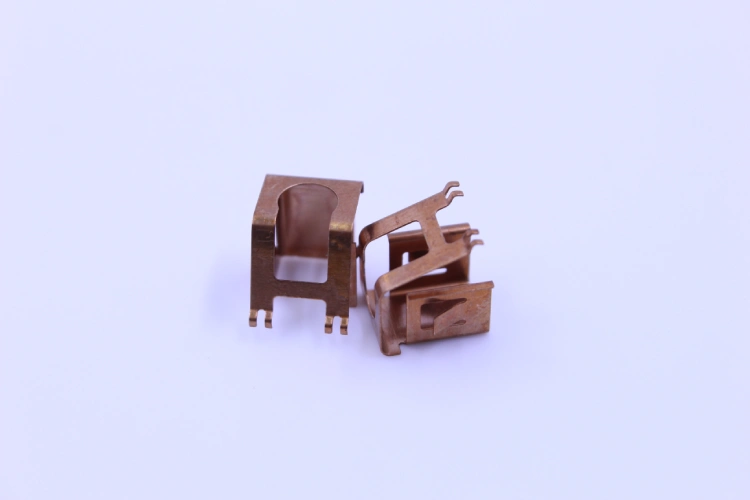
supro mfg tests metal stamping material batches to confirm repeatable fatigue performance.
Quick comparison for metal stamping materials:
Alloy Type | Tensile Strength (MPa) | Fatigue Limit (MPa) | Elongation (%) | Density (g/cm³) |
304 Stainless | 515 | 240 | 40 | 8.0 |
Galvanized Steel | 380 | 200 | 28 | 7.8 |
6061-T6 Aluminum | 310 | 96 | 12 | 2.7 |
C110 Copper | 220 | 90 | 45 | 8.9 |
7075-T6 Aluminum | 572 | 160 | 11 | 2.8 |
Tensile Properties of High-Performance Alloy Blanks
When load climbs, tensile properties take center stage.
1)Strength Metrics in high-performance alloys
Yield strength:Onset of plastic deformation
Ultimate tensile strength:Peak load capacity
Elongation and ductility:Formability during stamping
2)In alloy blanks for precision parts
Aerospace brackets
Safety housings
Structural reinforcements
3)Why alloy blanks matter in metal stamping materials
Stable thickness
Certified traceability
Predictable forming behavior
In short, good metal stamping materials are not just strong. They stretch, resist rust, and survive repeated stress. That balance keeps stamped parts working longer—and keeps customers coming back.
Why choose Supro MFG's Custom metal enclosure Services
Real ex-factory price:
Provide the most cost-effective cost solution for manufacturing and assembling products, expanding product competitiveness.
Professional technical team:
a technical team specializing in custom shell manufacturing for more than 30 years.
Advanced Manufacturing Equipment: Industry-leading custom metal enclosure manufacturer with in-house sheet metal, die casting, precision machining workshops, and surface coating workshops.
ISO 9001-2015 Manufacturer:
ISO 9001-2015, PPAP III level, RoHS, NEMA, CE and other certified production standards.
24H*7 online English technical support: The professional English team responds quickly to users’ technical questions online at any time.
One-stop manufacturing solution:
help users from product design, prototype, batch manufacturing, surface treatment, assembly and packaging, transportation and a series of value-added services.
Authoritative testing capabilities:
With in-house mechanics and chemistry laboratories, it can quickly monitor manufacturing process quality control to ensure the delivery of high-quality products.
Intellectual Property Protection(NDA):
Accept to sign NDA documents to ensure that customers’ product information is protected.
Commitment to On-Time Delivery:
Door-to-door delivery in customizable secure packaging after complying with the delivery details agreed with the customer.

Experiencing deformation issues in the metal stamping process?
Deformation challenges typically stem from improper matching between mold stresses and metal stamping materials. From stainless steel sheets to aluminum strips, each metal exhibits distinct behavior under force. Precise control of lubrication, geometric parameters, and tool steel selection ensures stable metal stamping process operation, enabling parts to meet specifications and avoiding financial waste from scrap.
Optimize Lubrication Requirements for Consistent Die Life
When running metal stamping materials, smart Lubrication control protects Die Life and keeps the Stamping Process smooth.
1)Friction Management
Oil Viscosity:Low viscosity, faster flow, lighter films;High viscosity, stronger film, better Wear Prevention.
Surface contact pressure
2)Thermal Control
Integrated Cooling channels
Heat monitoring at die corners
3)Quality Outcomes
Improved Surface Finish
Stable dimensional repeatability
For difficult-to-process materials like galvanized coils, balanced lubricants prevent galling while maintaining stamping speeds. At Supro, we often fine-tune oil grades based on press tonnage to extend die life without over-lubrication.
Adjust Part Geometry to Minimize Springback
Part Geometry drives Springback, especially in high-strength metal stamping materials.
Tight Bend Radius increases stress; widening it improves Dimensional Stability.
Review Material Properties like yield strength before locking tooling.
Check Forming Limits with sample runs, not guesses.
Small tweaks matter. A softer transition corner. A staged forming hit. Even minor Design Optimization can calm springback in aluminum alloys or other stamping metals. Less rebound means fewer re-hits and better fit-up downstream.
Selecting High-Hardness Tool Steel Grades
When stamping high-tensile-strength metal materials, tool steel selection directly determines mold life and downtime frequency. Taking DC53 as an example, its core hardness of 60–62 HRC combined with a wear resistance index of 9.2 enables stable operation for 610×10³ strokes when stamping stainless steel blanks in progressive dies—a 35% increase in mold life compared to D2 grade.
The key lies in balancing three dimensions: hardness ensures resistance to indentation, toughness prevents chipping, and heat treatment eliminates residual stresses. As a professional metal stamping manufacturer, Supro MFG matches tool steel grades to material grades during initial project review. Scientific metal stamping services must incorporate this selection matrix—because premature edge wear often stems from misjudging mold-material compatibility.
Tool Steel Grade | Hardness (HRC) | Wear Resistance Index | Typical Run Life (strokes x10³) |
D2 | 58–62 | 8.5 | 450 |
M2 | 60–64 | 9.0 | 520 |
DC53 | 60–62 | 9.2 | 610 |
Monitor Scrap Rate to Extend Tooling Wear
Follow a clear rhythm:
- Step 1: Track Scrap Rate daily through Process Monitoring logs.
- Step 2: Flag spikes tied to burrs or cracks using Defect Detection checks.
- Step 3: Inspect punch alignment and record Tooling Wear patterns.
- Step 4: Adjust lubrication, alignment, or press settings under Quality Control rules.
- Step 5: Update the Maintenance Schedule to protect Production Efficiency.
Keeping an eye on numbers turns metal stamping materials from a gamble into a steady, predictable run.
Supro is a professional metal stamping manufacturer.
Supro is a professional metal stamping manufacturer. Leveraging advanced equipment, extensive manufacturing experience, and a specialized engineering team, we provide perfect metal stamping services to over 3,000 companies worldwide, offering genuine manufacturer quotes.
As an industry-leading metal fabrication manufacturer, we efficiently deliver diverse products on schedule. From product design and rapid sheet metal prototype fabrication to mass production, we provide expert technical support and exceptional quality. We offer one-stop manufacturing solutions and highly cost-competitive product supply!