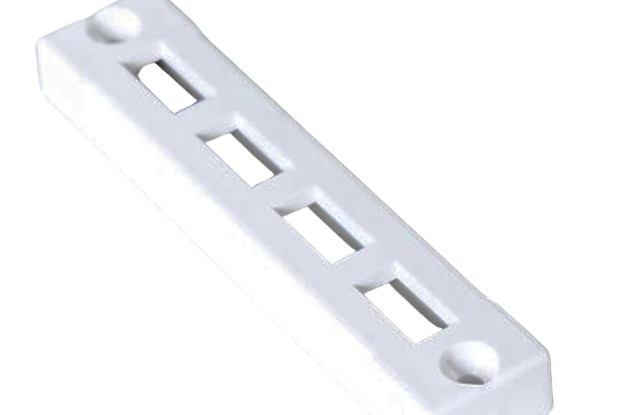
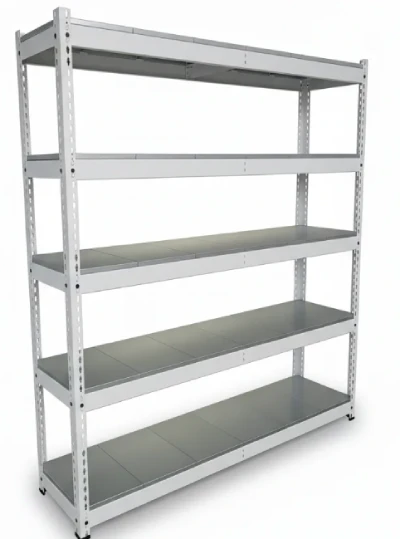
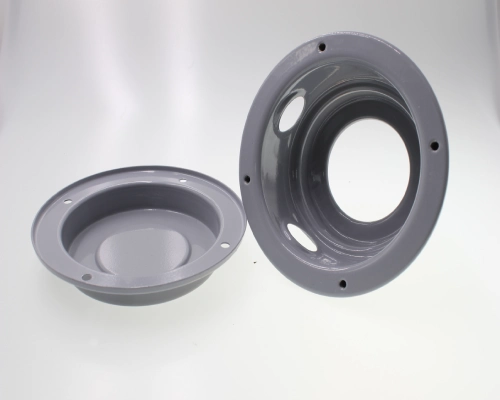
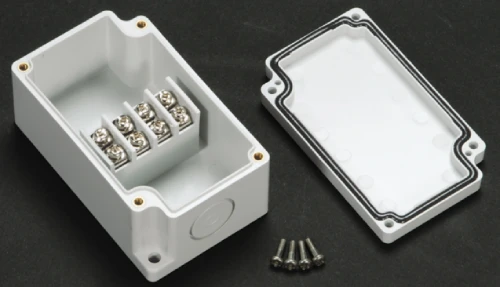
With tight manufacturing schedules, procurement personnel and engineering teams face immense pressure to accelerate time-to-market without compromising component integrity. For medium-volume production—which typically bridges the critical gap between annual output of 10,000 and 100,000 units—striking the optimal balance between die amortization and production speed remains a major challenge for the supply chain. Traditional CNC forming processes often result in excessively long cycle times, while complex progressive die setups require excessive upfront capital investment and lengthy die development cycles.
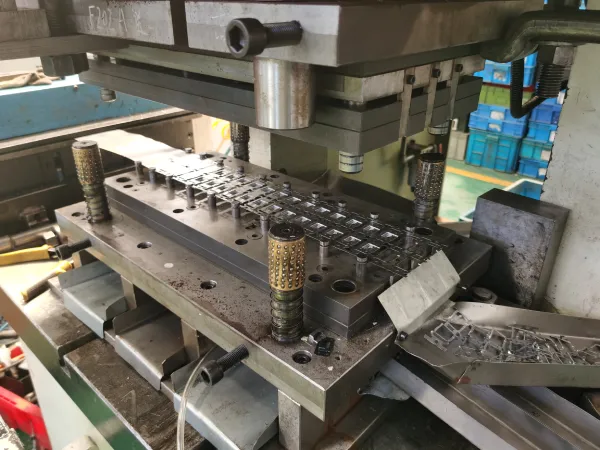
For this reason, highly optimized sheet metal stamping strategies are no longer merely a procurement option but have become an operational necessity. By implementing advanced custom metal stamping solutions—particularly precision compound die configurations—industrial buyers can significantly shorten project lead times. A rigorously managed compound die stamping process can simultaneously perform blanking and punching operations within a single stamping stroke, reliably producing high-precision parts every few seconds.
In this article, we will explore how strategic front-end engineering interventions in the metal stamping supply chain, rigorous DFM optimization, and robust quality control can enable your project to transition seamlessly from the validation phase to full-scale production, ultimately reducing delays caused by defects and ensuring successful delivery.
The Strategic Role of Sheet Metal Stamping in Medium-Volume Manufacturing
In medium-volume production, sheet metal stamping has transcended the realm of basic manufacturing to become a strategic lever in the supply chain. It strikes a delicate balance between upfront tooling investment and rapid production cycles, serving as a flexible bridge between costly small-batch machining and inflexible high-volume continuous stamping processes.
Definition of Medium-Volume Parameters in Modern Manufacturing
In contemporary industrial supply chains, medium-volume manufacturing typically refers to production batches with an annual output ranging from 10,000 to 100,000 units.
At this production scale, engineers face a clear cost-effectiveness tipping point. Small-batch processes such as CNC turret punching or laser cutting not only have excessively high unit costs but also involve long cycle times; conversely, manufacturing multi-station progressive dies requires an unreasonable level of capital expenditure. Implementing an optimized custom metal stamping strategy—typically using a compound die—can optimize this specific production volume range.
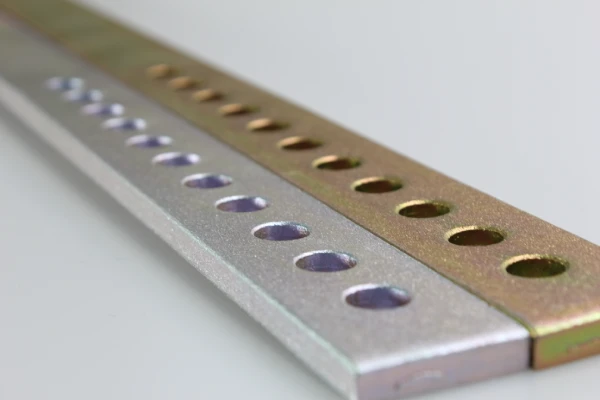
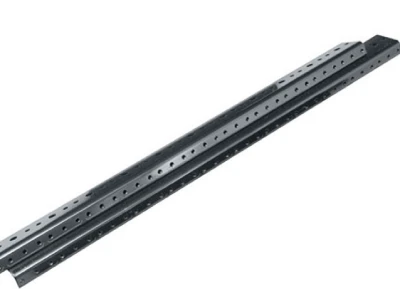
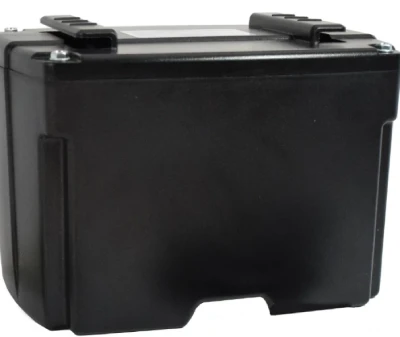
For example, when manufacturing precision mounting rails or custom chassis brackets, this targeted manufacturing process ensures the necessary dimensional repeatability while avoiding the excessive tooling amortization costs associated with high-volume production setups. By clearly defining these parameters, procurement teams can select a metal stamping solution that aligns tooling investment with precise demand forecasts, thereby preventing both capital overcommitment and supply bottlenecks.
Bridging the Gap Between Prototyping and High-Volume Production
Transitioning a validated prototype into scalable production is a critical phase in the project lifecycle, and project timelines often deviate at this stage. Medium-volume sheet metal stamping serves as a vital transitional bridge, enabling original equipment manufacturers (OEMs) to actively explore the market before fully committing to permanent, high-volume automated production. Instead of waiting 12 to 16 weeks for the machining and debugging of complex progressive dies, engineering teams can adopt more streamlined die solutions to bring products to market faster.
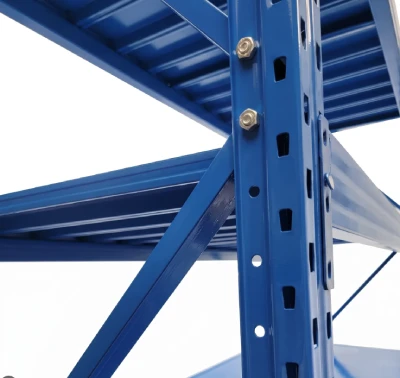
This agile manufacturing approach allows for real-world market validation while enabling minor DFM (Design for Manufacturability) revisions without the need to scrap expensive hard dies. For example, validating the physical tolerances of server rack rails through an initial production run of 15,000 units can provide critical operational data.
Ultimately, the strategic deployment of this metal stamping process not only accelerates a product’s initial time-to-market but also lays a reliable, high-output supply chain foundation for future mass production.
Process Selection: Why Compound Die Metal Stamping Offers Greater Advantages
Selecting the appropriate custom metal stamping solution directly determines a project’s lead time. In medium-volume production, compound dies outperform progressive dies because they can simultaneously perform blanking and punching in a single stamping stroke, ensuring excellent concentricity while significantly reducing die manufacturing time and stamping cycle time.
Operational Efficiency and Reduced Cycle Time
In medium-volume production, minimizing cycle time per unit without sacrificing precision is critical. The compound die stamping process excels in this regard, as it completes both punching and blanking operations simultaneously within a single stamping stroke. This integrated cutting action fundamentally eliminates the transfer errors between stations commonly found in progressive dies, serving as a built-in defect prevention mechanism.
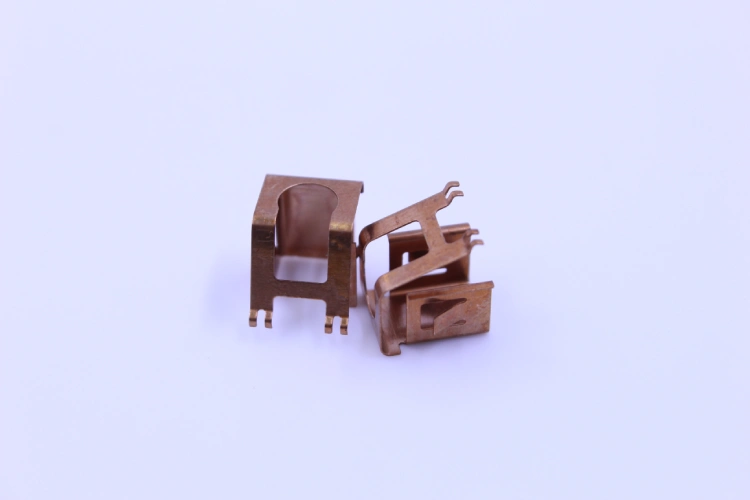
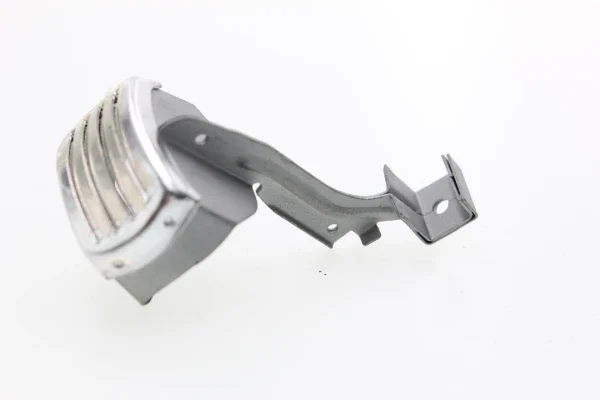
For example, when manufacturing precision mounting brackets, strict control of dimensional tolerances is critical. Compound die metal stamping ensures exceptional concentricity and flatness because the sheet metal remains securely clamped throughout the entire cutting cycle.
This robust quality control mechanism not only reduces scrap rates but also reliably produces a high-precision finished part every few seconds. Consequently, this highly efficient metal stamping process significantly shortens the overall production cycle, enabling supply chain teams to confidently meet tight delivery deadlines.
Metal Stamping Die Amortization and Die Changeover Speed
Beyond sheer production speed, significantly reducing die costs is also a primary objective for medium-volume production. Progressive dies require complex multi-station designs, which naturally drive up capital expenditures and extend development cycles. In contrast, compound die stamping technology employs a highly integrated single-station architecture. This simplified die design can shorten the manufacturing cycle by 30% to 50%, enabling your project to enter production weeks ahead of schedule.
Furthermore, the streamlined setup process means operators spend significantly less time adjusting the machine, thereby maximizing effective production time. When these reduced upfront costs are amortized across orders of 20,000 to 50,000 units, the financial burden per unit is significantly lowered. By strategically leveraging this specific metal stamping configuration, procurement managers can achieve the perfect balance: rapid entry into the physical market while optimizing the die budget to the fullest extent.
Are you looking for reliable & cost-effective
China metal fabrication manufacturer
More than 150,000 OEM metal fabrication products delivered to 5,000+ global buyers.
And benefit from it!
Shortening the Lead Time for Metal Stamping Projects Through Engineering Interventions
Proactive front-end engineering design determines production speed. By conducting rigorous DFM reviews prior to die development and standardizing raw material procurement, engineers can effectively avoid costly downstream die modifications. This proactive coordination ensures that your custom metal stamping production can start on schedule and maintain a consistent, stable production momentum.
DFM (Design for Manufacturability) Optimization for Custom Metal Stamping
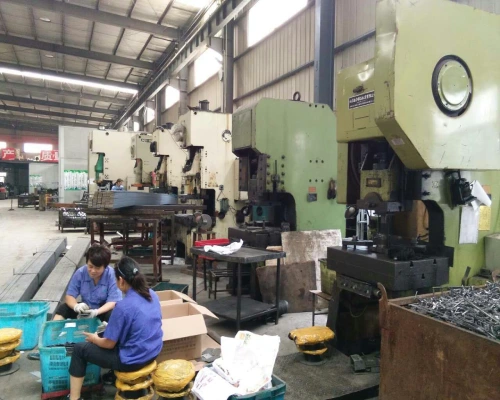
Conducting a rigorous DFM review of the metal stamping process before the die steel is cut is the most effective strategy for preventing schedule delays. As a professional metal stamping manufacturer, we frequently encounter OEM drawings with overly tight non-critical tolerances or insufficient bend radii—defects that inevitably lead to cracking. By reviewing these designs in advance, our engineering team can standardize bend allowances, optimize clearances between holes and edges, and eliminate geometries that cannot be formed.
This front-end intervention prevents costly and time-consuming die modifications in later stages. A properly implemented defect prevention mechanism ensures that fully functional parts are produced during the first precision metal stamping prototype run. Resolving these geometric conflicts early on can significantly shorten the engineering design phase and ensure a rapid, seamless transition to mass production.
Material Standardization and Procurement Strategies
Procuring specialty or non-standard alloys often leads to severe supply chain bottlenecks, potentially delaying projects by weeks even before manufacturing begins. To shorten lead times, procurement teams must strategically specify standardized and readily available sheet metals whenever application requirements permit.
Using commonly available materials such as cold-rolled steel (CRS), 5052 aluminum alloy, or 304 stainless steel allows manufacturers to fully utilize existing inventory and leverage established relationships with steel mills. Furthermore, material standardization ensures the predictability of material properties—such as tensile strength and springback—thereby optimizing the predictability of custom metal stamping production during die debugging.
By aligning material specifications with established supply channels, your metal stamping partner can mitigate the impact of fluctuations in raw material lead times and transition immediately to full-scale production, effectively safeguarding your critical delivery milestones.
Integrated Quality Control to Ensure Uninterrupted Metal Stamping Production
Strict quality assurance does not create a bottleneck in production; rather, it ensures on-time delivery. Embedding proactive in-line inspection processes directly into the sheet metal stamping workflow eliminates the need for downstream rework. This prevents critical defects from occurring, ensures the continuity and uninterrupted flow of medium-volume production, and safeguards your delivery schedule.
In-Process Inspection Procedures for Metal Stamping
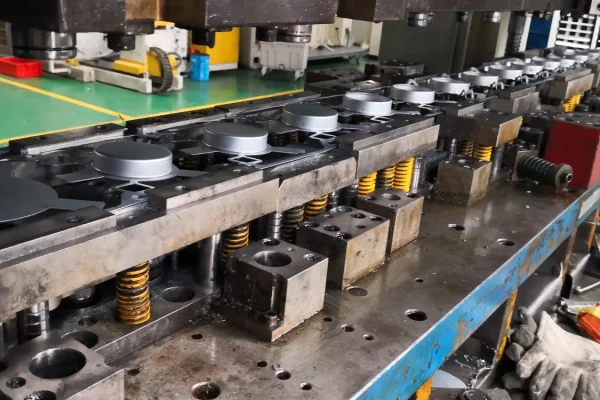
Implementing robust in-process inspection procedures is critical to maintaining production momentum. Rather than relying solely on post-production sorting—which carries the risk of an entire batch being rejected—certified precision metal stamping facilities embed verification steps directly into the stamping cycle. Operators must perform a rigorous First Article Inspection (FAI) before approving any medium-volume production run.
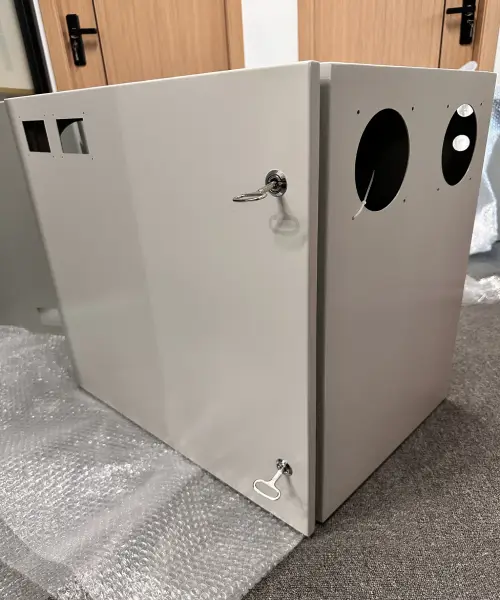
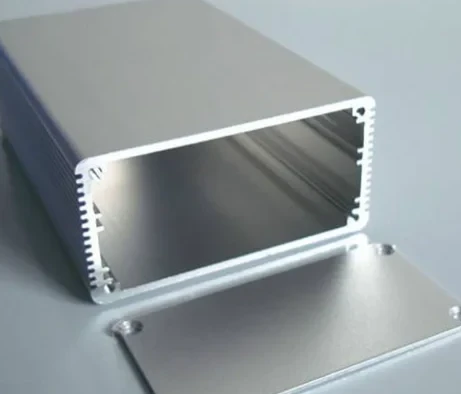
For complex components such as custom industrial enclosures or server rack rails, we use high-precision go/no-go gauges and automated vision systems to monitor dimensional tolerances in real time. This continuous statistical process control (SPC) ensures that dies have not worn out and that sheet metal maintains the intended geometry.
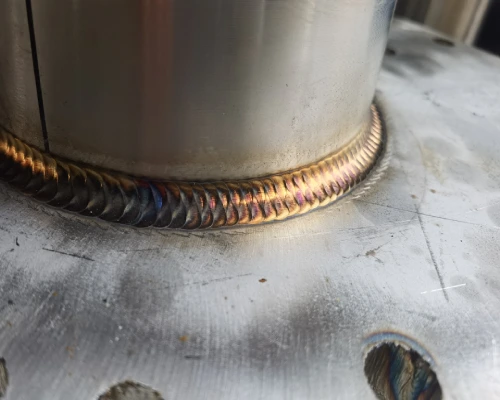
By identifying minor deviations early on, this proactive custom metal stamping quality framework prevents defective products from entering subsequent processes—such as welding or powder coating—thereby effectively eliminating rework and ensuring your delivery schedule proceeds strictly according to plan.
Mitigating Delays Caused by Defects
Delays caused by defects are a major reason for missing supply chain milestones. In medium-volume production, mitigating these risks requires proactive preventive maintenance measures and precise die calibration.
When managing precision compound die stamping operations, proactive quality control requires close monitoring of the clearance tolerance between the punch and the die. Failure to inspect die wear in a timely manner will inevitably lead to excessive burrs on edges, unpredictable springback, or galling, forcing production to halt immediately for unplanned die overhauls.
A highly capable custom metal stamping partner mitigates this issue by enforcing strict die maintenance cycles based on stroke counts and taking action before physical failures occur. This metal stamping defect prevention strategy ensures high-yield production. By addressing mechanical inconsistencies directly at the press, manufacturers can ensure a smooth flow of parts into final assembly, thereby eliminating the threat of extended lead times caused by scrap.
Establish Partnerships with Well-Established Metal Stamping Manufacturers
To shorten lead times for medium-volume production, high-speed stamping presses alone are not enough; this also requires building robust supply chain partnerships. When procurement managers evaluate overseas metal stamping manufacturers, the key differentiator lies in their in-house engineering capabilities. Relying on a facility that outsources die manufacturing or maintenance to other vendors will inevitably lead to unforeseen delays.
A truly capable metal stamping partner, such as Supro MFG, operates a vertically integrated tooling shop. This infrastructure enables on-site, immediate die adjustments, rapid prototyping, and real-time defect resolution—all without halting production due to third-party intervention.
Agile suppliers also maintain strategic inventories of standard alloys—such as cold-rolled steel, 304 stainless steel, and 5052 aluminum alloy—to address sudden spikes in demand and completely eliminate raw material lead times. By partnering with manufacturers capable of integrating the entire custom metal stamping lifecycle—from DFM optimization and precision compound die manufacturing to final assembly and surface treatment—OEMs can eliminate disconnects in the logistics chain.
This unified approach not only ensures the achievement of project milestones but also transforms your sheet metal stamping procurement from a volatile supply chain risk into a predictable, highly streamlined operational asset.
Conclusion
In modern medium-volume manufacturing, accelerating time-to-market is about much more than simply increasing stamping speed. It requires a highly strategic approach to metal stamping based on forward-looking front-end engineering design. By enforcing rigorous DFM (Design for Manufacturability) protocols before cutting tool steel, leveraging the unified blanking capabilities of precision compound dies, and implementing continuous in-line inspection, the supply chain can systematically shorten lead times while completely eliminating downstream rework.
For procurement managers, establishing a partnership with a technically proficient metal stamping manufacturer is the ultimate safeguard against unpredictable project delays. With its vertically integrated tooling shop and deep manufacturing expertise, Supro MFG can seamlessly transition your prototypes into scalable, high-volume production.
Don’t let inefficient procurement processes derail your time-to-market milestones. Submit your engineering drawings or CAD files today for a comprehensive metal stamping DFM review, and let us design a faster, more reliable path to bringing your parts to market.