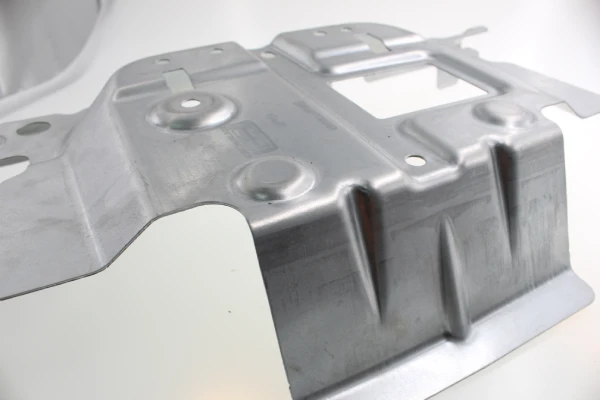
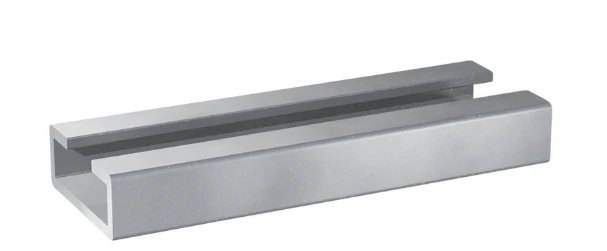
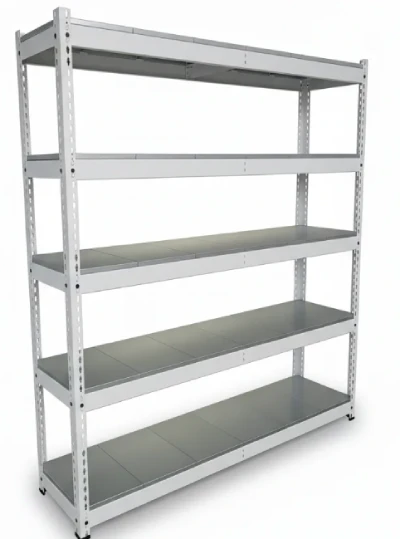
In modern automotive manufacturing, the automotive metal stamping process forms the cornerstone of vehicle structural integrity, safety, and performance. Statistics indicate that a typical automobile incorporates over 3,000 stamped components, whose quality directly determines the vehicle’s durability and safety rating. As electrification and lightweighting trends advance, the precision, material integrity, and cost-effective scalability of custom automotive metal stamping have become increasingly critical.
As an automotive metal stamping manufacturer with over 20 years of deep expertise in this field, Supro profoundly understands the core challenges within this complex process chain: from material physical properties to die dynamics, every variable directly impacts the reliability and cost-effectiveness of automotive metal stampings. Our experience indicates that many mass production issues stem from deficiencies in preliminary design and process matching. For instance, dimensional deviations caused by material springback, cracking risks during high-strength steel forming, or quality fluctuations triggered by mold wear all require systematic engineering solutions.
This document serves as a comprehensive guide for professional procurement and engineering teams, delving into common issues across the entire process chain—from material selection and mold design to surface treatment—and providing proven, practical solutions.
Material Selection for Automotive Metal Stamping
In the complex automotive metal stamping process, material selection marks the starting point of the entire engineering value chain. For precision manufacturing pursuing zero defects, the correct material is fundamental to ensuring final automotive metal stampings meet standards for strength, durability, and dimensional stability.
From deep-drawing aluminum sheets to high-strength structural steel, each material exhibits distinct flow, hardening, and springback behavior during custom automotive metal stamping. processes exhibit distinct flow, hardening, and springback characteristics. Therefore, a systematic material selection strategy—combining manufacturability analysis, prototype testing, and process simulation—is crucial to prevent subsequent issues like forming cracks, excessive springback, or surface defects.

Forming Problems Caused by Improper Material Selection
Incorrect material selection is the primary cause of high scrap rates in custom automotive metal stamping production lines. Common issues include forming cracks, excessive springback, and wrinkling. For instance, when selecting materials for deep-drawn components like door inner panels, prioritizing high strength while neglecting ductility (typically measured by n-value and r-value) often leads to tearing during stretching. Such cracks frequently occur at mold radii, resulting from stress concentrations exceeding material limits.
Another common issue is springback. Residual stresses within high-strength steel after forming cause geometric deviations when parts are removed from the die, severely impacting assembly precision. As an experienced automotive metal stamping manufacturer, Supro intervenes during the design phase. Through manufacturability analysis, we recommend materials with suitable yield strength and work-hardening characteristics. Rapid prototyping within 1-3 days validates forming performance, mitigating these risks before mass production of automotive metal stampings.
Material Properties vs. Automotive Metal Stamping Process Compatibility
The automotive metal stamping process demands deep alignment between material properties and specific process routes. Different stamping techniques—such as precision blanking, deep drawing, or flanging—impose entirely distinct material requirements. For instance, precision blanking to manufacture transmission ring gears necessitates materials with low yield strength and excellent shear plasticity to achieve smooth cut surfaces.
Conversely, deep drawing for fuel cell housings demands extremely uniform elongation and exceptional anisotropy to ensure even flow within deep cavities without thinning or fracture. As a specialized automotive metal stamping manufacturer, Supro comprehensively evaluates these factors. We consider not only the material’s initial state but also analyze its work-hardening behavior during continuous stamping and any required intermediate annealing processes. By combining our extensive material library with detailed automotive metal stamping process simulations, we ensure the selected material delivers consistent forming performance from the first part to the millionth.
Mold Design for Automotive Metal Stamping
The mold is the core of the automotive metal stamping process, with its design quality directly determining production efficiency, part precision, and manufacturing costs. In custom automotive metal stamping, dies must not only transform flat sheet metal into complex three-dimensional shapes but also maintain stable performance output over millions of stamping cycles. In practice, we find that the core challenge in die engineering lies in balancing durability and precision: resisting wear from high-strength materials while precisely controlling micro-flow during forming.
Die Wear and Lifespan Management
During high-speed, continuous automotive sheet metal stamping operations, die wear is an unavoidable yet critically controlled issue. Wear primarily occurs in high-stress zones like cutting edges, drawbeads, and forming radii, directly leading to increased trimming burrs, surface scratches on automotive metal stamping parts, and gradual dimensional deviations.
For automotive sheet metal stamping production lines, unplanned downtime due to die wear causes significant production losses. Supro employs systematic strategies in actual production: First, at the material level, powder metallurgy steels (e.g., ASP series) or cemented carbide inserts are selected for dies processing high-strength steel sheets or aluminum alloys, offering 3-5 times greater wear resistance than traditional tool steels.
Second, advanced surface treatment technologies like physical vapor deposition (PVD) coatings are applied. These form an ultra-thin yet exceptionally hard layer of titanium nitride or diamond-like carbon (DLC) on the die surface, significantly reducing friction coefficients. Finally, implementing preventive maintenance plans based on stamping cycles—including regular critical dimension measurements and mold polishing repairs—can extend total mold life by over 30%. This ensures long-term stability and cost-effectiveness for automotive sheet metal stamping production lines.
Forming Challenges for Complex Geometries
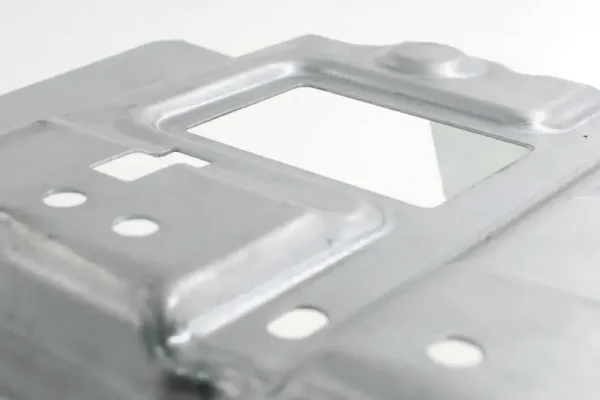
Modern automotive design increasingly emphasizes aerodynamic and structural efficiency, leading to increasingly complex geometries in automotive metal stampings. Examples include one-piece door rings and battery trays featuring deep cavities and sharp features. Such automotive metal stamping parts pose challenges for mold design: materials in deep draw areas are prone to thinning and fracture, while flat areas are susceptible to wrinkling due to material buildup.
Professional automotive metal stamping manufacturers employ advanced simulation software for full-process forming simulations. This enables precise prediction of material flow, thinning rates, and stress distribution, allowing optimization of drawbead layout, blank shape, and blank holder force (BHF) curves during the mold design phase.
For aluminum alloy battery housings specific to electric vehicles, which have extremely narrow forming windows, we even integrate in-mold sensors and adaptive pressure control systems into the dies. These systems dynamically adjust clamping forces across different zones in real time, ensuring uniform material flow. This data- and simulation-driven approach to die engineering is crucial for successfully navigating complex automotive metal stamping processes and achieving stable mass production of high-difficulty components.
Precision Control in Automotive Metal Stamping Processes
In modern automotive sheet metal stamping manufacturing, precision control is paramount. It extends beyond mere dimensional conformity to encompass maintaining predictable, statistically stable performance throughout the entire automotive metal stamping process.
In custom automotive metal stamping projects, Supro places particular emphasis on applying the process capability index (Cpk) as a quantitative metric for evaluating a production line's ability to consistently yield qualified automotive metal stampings. Whether producing simple brackets or complex automotive sheet metal stamping structural components, systematic precision control is the fundamental guarantee for achieving zero-defect assembly and reducing total supply chain costs.
Dimensional Stability and Consistency of Automotive Metal Stamping Structural Components
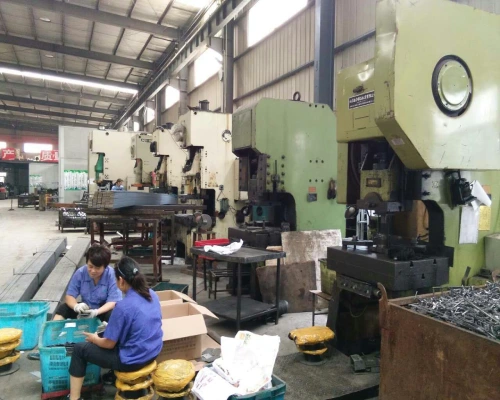
Ensuring dimensional stability in the mass production of automotive metal stampings is a systematic engineering endeavor that counters multiple variable disturbances. The root cause typically stems not from a single factor, but from the combined effects of material property fluctuations, mold wear, press machine conditions, and environmental temperature variations. For instance, the positional accuracy of mounting holes for a control arm bracket used in suspension systems must be controlled within ±0.1mm; otherwise, it will affect wheel alignment.
To achieve this consistency, professional automotive metal stamping manufacturers implement a multi-tiered control strategy. First, during process design, forming simulations determine the optimal process plan that minimizes material flow instability and residual stress. During production, statistical process control (SPC) relies on high-frequency sampling of critical dimensions and X-bar R control charts to detect any deviations from statistical control in real time.
Additionally, for materials like high-strength steel or aluminum alloys, we establish independent temperature compensation coefficients, as thermal expansion significantly impacts dimensional variations in automotive metal stamping parts. This approach, integrating engineering principles with data-driven insights, forms the cornerstone for ensuring the successful delivery of custom automotive metal stamping projects.
Springback Prediction and Compensation Techniques for Automotive Metal Stamping Structural Components
Springback represents the most challenging precision issue in automotive metal stamping processes, becoming increasingly pronounced with the widespread adoption of high-strength steel. Upon release of forming forces, residual elastic stresses within the material cause it to revert toward its original shape, resulting in deviations in the angles, curvatures, and mold surfaces of automotive metal stamping parts.
For safety structural components like door impact beams, uncontrolled springback directly compromises crash performance. Professional automotive sheet metal stamping engineering begins with high-precision finite element analysis. Supro utilizes CAE software to simulate springback quantities for automotive metal stamping parts based on accurate material hardening models and friction coefficients. Subsequently, during the die design phase, “over-bending” compensation is applied—deliberately designing the die surface with a deviation shape opposite to the target product, ensuring the stamped parts achieve the exact design geometry after springback.
For complex 3D surfaces, this compensation may exhibit nonlinear behavior. As an experienced automotive metal stamping manufacturer, we maintain a springback compensation database tailored to various material grades and thickness combinations. Combined with iterative learning, this approach reduces tooling debugging cycles and trial material costs for new projects by up to 50%, ensuring delivered automotive metal stampings exhibit exceptional dimensional accuracy.
Only 4 steps
online custom metal fabrication parts
Contact our experts team and experience the efficiency and economic benefits of digital metal fabrication services.
Upload Design Files
STL , STEP (.stp), IGES (.igs), (.ZIP), or PDF.
Also be a sample or an idea
Quote & Design Analysis
Instant factory quotes and DfM reports, the most reasonable solution.
Manufacturing Begins
Digital processes can initiate order tasks within 24 hours.
On-Time Delivery
Keeping delivery promises, approved by 3000+ Global Company buyers.
Surface Treatment of Automotive Metal Stamping Structural Components
Within the custom automotive metal stamping value chain, surface treatment serves as the final and most critical process for achieving part functionality and durability. It is not merely an isolated post-processing step but a deeply integrated system engineering effort throughout the entire automotive metal stamping process.
The objective of this stage is to establish a flawless substrate during the stamping phase for subsequent coating, electroplating, or anodizing applications. A core principle is this: any microscopic surface defect introduced during stamping will be amplified in subsequent treatments, leading to reduced coating adhesion, premature corrosion, or cosmetic failure.
Surface Defect Control in Automotive Metal Stamping
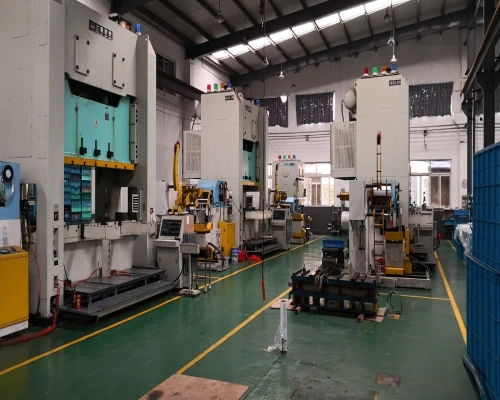
During the automotive metal stamping process, part surfaces are highly susceptible to damage. Primary defects include die scratches, material adhesion (“pick-up”), orange peel effects, and lubricant contamination. These defects not only compromise aesthetics but also act as stress concentration points or corrosion initiation sites, undermining the structural integrity and service life of automotive metal stamping parts. For instance, when stamping high-strength aluminum sheets, aluminum chips readily adhere to the die’s drawbead, subsequently etching deep scratches onto subsequent parts.
Controlling surface defects in automotive metal stamping processes requires a multi-pronged strategy. First, mold surface treatment is critical. High-precision mirror polishing, supplemented with advanced physical vapor deposition coatings (e.g., CrN), significantly reduces friction coefficients and minimizes material adhesion. Second, lubricant selection and precise metered spray systems are key. In automotive sheet metal stamping, we avoid generic stamping oils. Instead, we select specialty lubricants containing extreme pressure additives based on material properties and forming complexity. Precise micro-spray application ensures uniform oil film distribution while facilitating subsequent cleaning.
As a seasoned automotive metal stamping manufacturer, we employ online vision inspection systems for 100% surface monitoring, ensuring every automotive metal stamping part leaving our facility possesses a clean, intact surface condition meeting subsequent processing requirements.
Compatibility Issues with Subsequent Processing and Coating
Before entering electrophoresis, spray coating, or phosphating lines, the surface condition of automotive metal stamping parts must be perfectly compatible with these chemical treatment processes. The most common compatibility issues include coating pinholes caused by incomplete stamping oil removal, anodizing color variations due to uneven material grain deformation, and premature coating cracking resulting from residual internal stresses.
For instance, certain silicone- or chlorine-containing lubricants chemically adsorb onto metal surfaces, forming invisible films that severely compromise electrophoretic paint adhesion. In custom automotive metal stamping projects, Supro establishes “clean production” protocols from the outset.
This includes mandating biodegradable, water-based lubricants that facilitate thorough cleaning; designing automotive metal stamping processes to eliminate enclosed cavities that trap cleaning residues; and specifying particular mold steels for stainless steel parts to prevent iron ion contamination. For automotive metal stampings destined for welding, we also rigorously control zinc coating flaking during the stamping process.
Balancing Production Efficiency and Cost Optimization in Automotive Metal Stamping
In today's fiercely competitive automotive supply chain, achieving the optimal balance between production efficiency and cost in custom automotive metal stamping directly reflects a manufacturer's core competitiveness.
True optimization permeates the entire automotive metal stamping process, encompassing everything from intelligent die design and agile production changeovers to maximizing the marginal benefit of every inch of material. Supro employs in-depth preliminary engineering analysis (such as DFM) and lean production tools to eliminate waste, stabilize quality, and enhance flexibility. This approach ensures the reliability of automotive sheet metal stampings while delivering the most competitive comprehensive cost advantages for customers.
Accelerating Die Change and Enhancing Production Flexibility
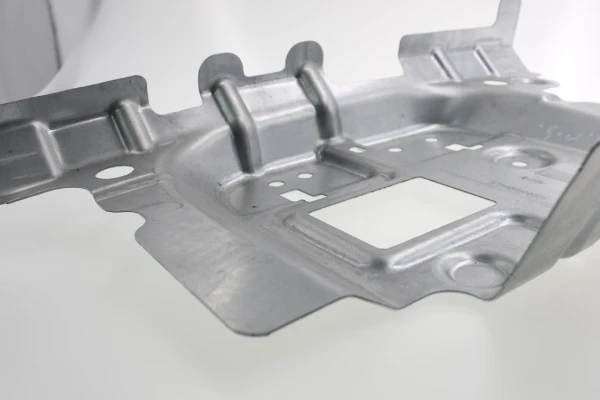
In custom automotive metal stamping production characterized by small batches and high variety, die changeover time (SMED – Single Minute Exchange of Die) is a critical bottleneck constraining production efficiency and responsiveness. Traditional changeover processes take hours, directly leading to low equipment utilization and wasted capacity. The core of enhancing flexibility lies in converting the “internal time” (requiring machine downtime) of die changeover into “external time” (preparation completed while equipment is running).
A professional automotive metal stamping manufacturer implements systematic rapid die change solutions: This includes replacing traditional bolts with standardized die clamping systems, pre-setting all press stroke and pressure parameters, and performing die pre-cleaning and preheating through parallel operations.
For instance, by adopting hydraulic clamping and locating pin systems, we can reduce the die change time for a medium-sized automotive sheet metal stamping die from 90 minutes to under 10 minutes. This agility not only enables more economical production of small-batch orders but also allows rapid response to engineering design changes or urgent orders, delivering robust supply chain resilience.
Material Utilization and Cost Control
In the cost structure of custom automotive metal stamping, raw materials typically account for 40%-60%. Therefore, improving material utilization yields significant cost savings. Optimization begins with meticulous blanking process design. Supro employs advanced CAD/CAM nesting software to simulate blank shapes and layout patterns. By maximizing material utilization while ensuring process boundaries and strip strength, utilization rates are typically elevated from 70% to over 85%.
For complex automotive metal stampings, progressive dies or continuous dies represent fundamental methods to enhance material utilization. These dies complete multiple operations in a single press stroke, feeding material continuously from coils and eliminating scrap generated by separate blanking processes.
Furthermore, collaborative product design optimization with customers—such as refining local flange dimensions or adjusting radii—can sometimes reduce material consumption without compromising part functionality. This enables deep cost control starting at the design source.
Conclusion
Through an in-depth exploration of the critical technical aspects within the automotive metal stamping process—spanning from materials science to mold engineering, and from precision control to surface treatment—we have gained a clear understanding: the success of modern automotive metal stamping can no longer be achieved by addressing isolated issues. It relies on a systematic engineering approach characterized by deep collaboration across all stages.
Supro is an OEM automotive sheet metal stamping manufacturer. Leveraging advanced equipment, extensive manufacturing experience, and a professional engineering team, we provide flawless automotive metal stamping services to over 3,000 companies worldwide, offering genuine manufacturer pricing.
As an industry-leading automotive metal stamping manufacturer, we efficiently deliver diverse products on schedule. From product design and rapid sheet metal prototype fabrication to mass production, we provide expert technical support and exceptional quality. We offer one-stop manufacturing solutions and highly cost-competitive product supply!