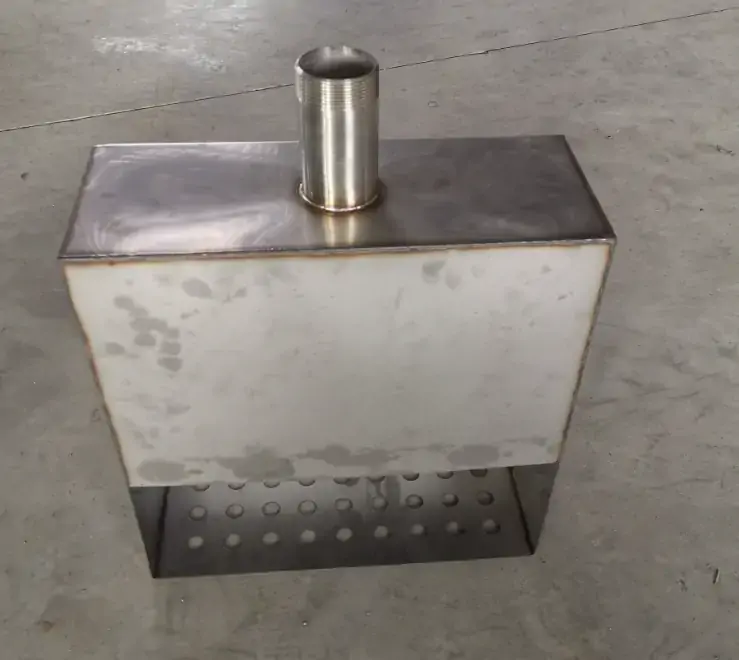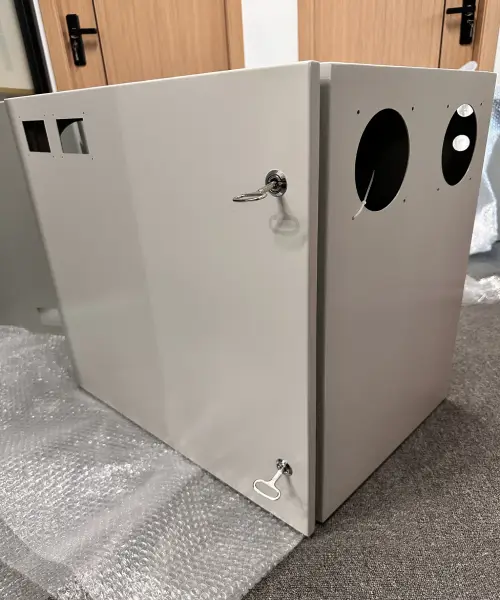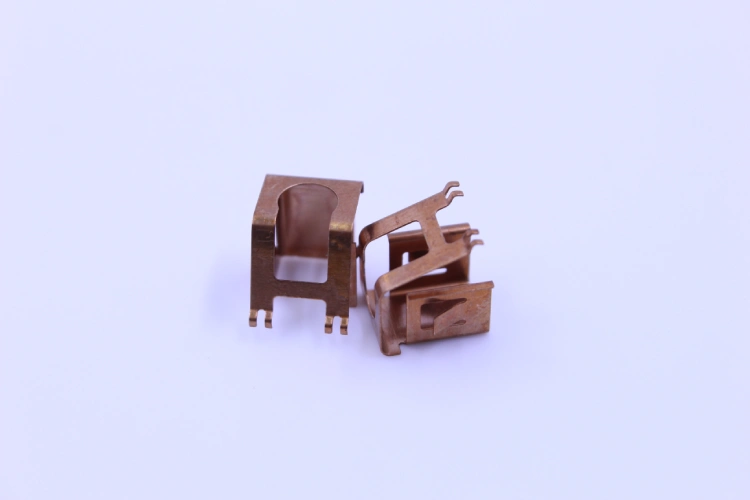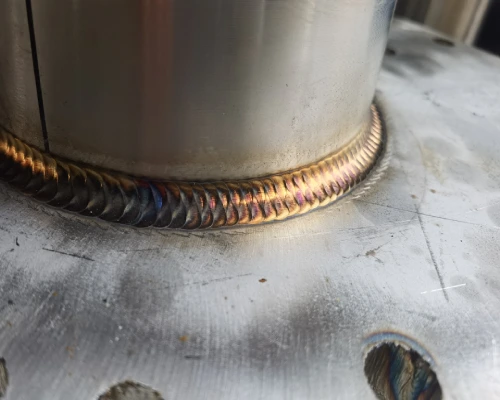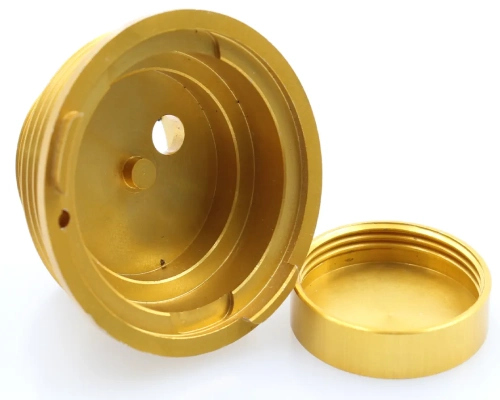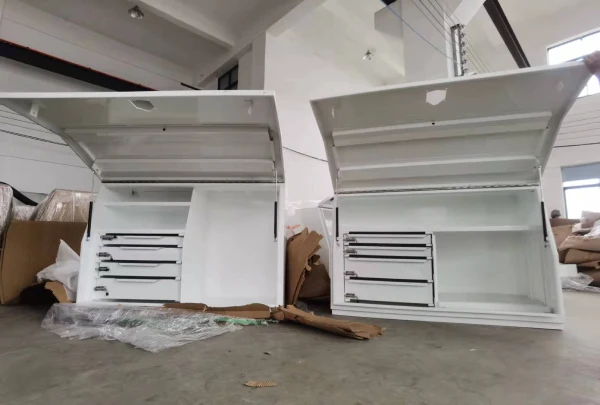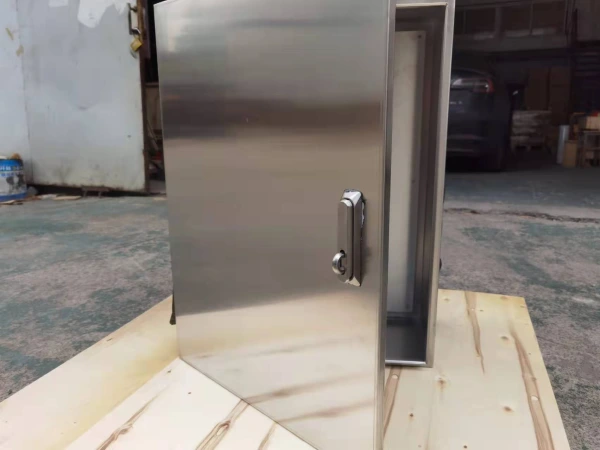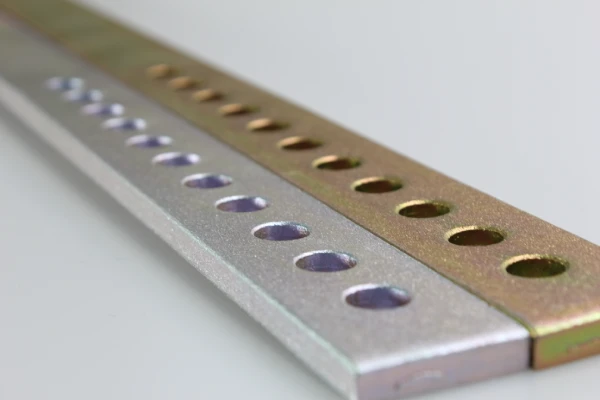


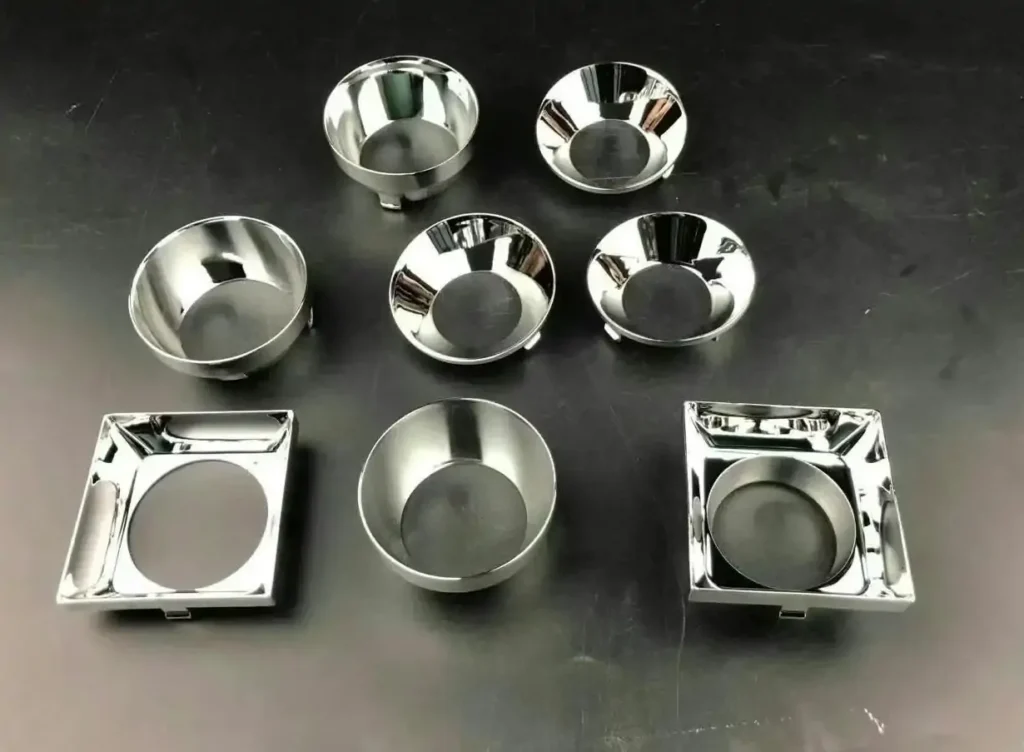
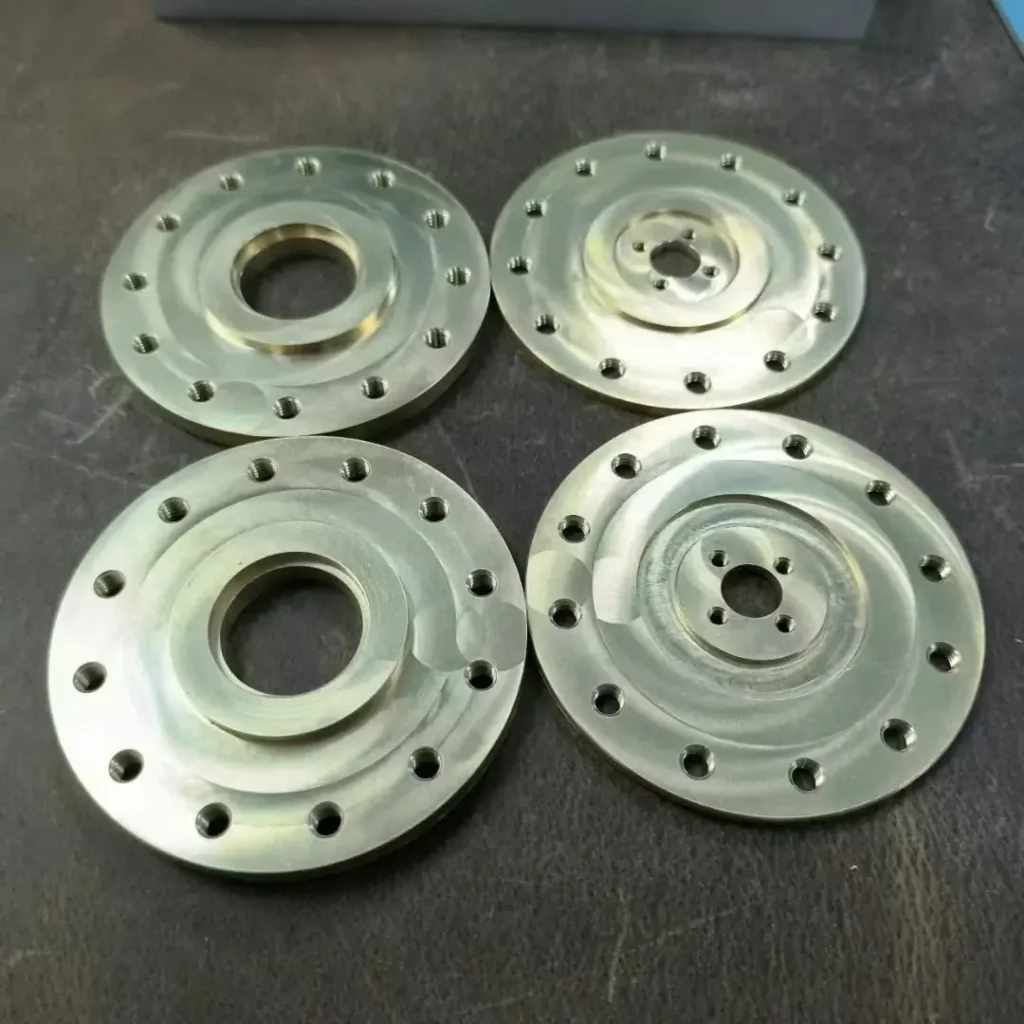
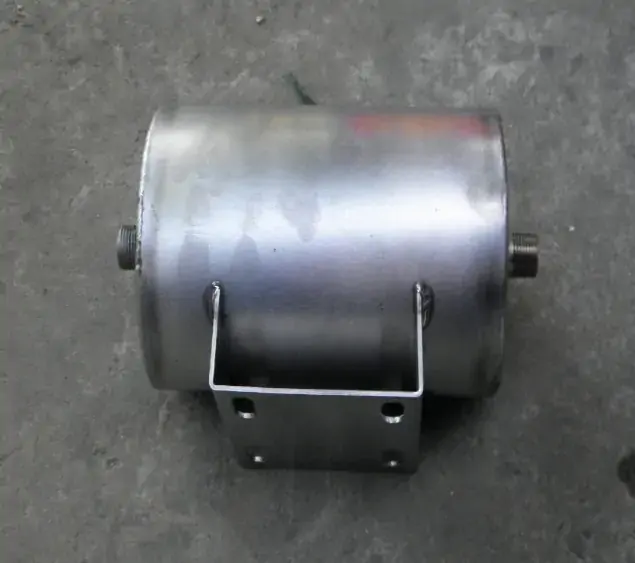
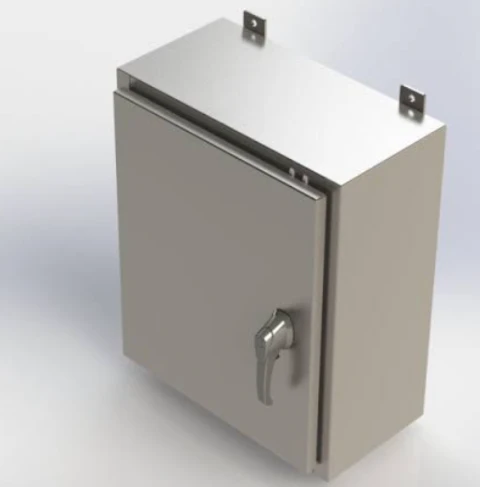
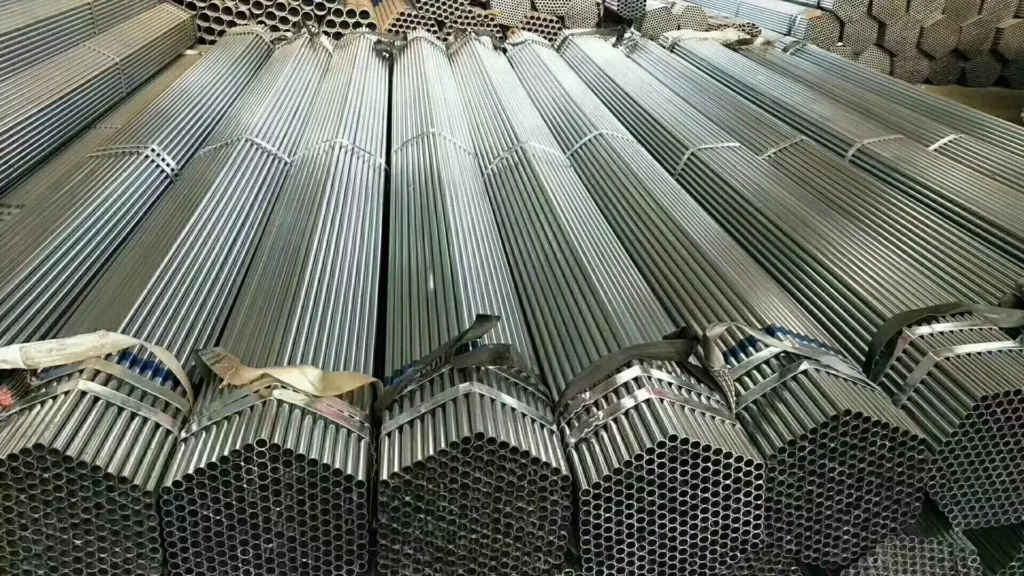
Stainless steel stamping is a precision manufacturing process that transforms materials such as 304 and 316L into high-strength, corrosion-resistant components through controlled deformation. Unlike conventional machining, this process requires strict attention to work hardening rates, die clearances, and dimensional stability during mass production. Key parameters such as grain structure consistency and thickness tolerances (typically controlled within ±0.05 mm) directly impact the performance of custom stainless steel stampings in applications such as automotive safety systems and medical device housings.
When evaluating stainless steel stamping services, the key lies in process validation—particularly the ability to maintain statistical process control (SPC) during progressive die stamping. When producing custom stainless steel stampings, material certification compliant with the ASTM A240 standard and real-time optical measurement verification are essential prerequisites for ensuring the repeatability of critical components.
This article provides a detailed analysis of stainless steel metal stamping and its common application areas to help you select the appropriate manufacturing processes and materials for your next sheet metal project.
What Is Stainless Steel Stamping?
Stainless steel stamping breaks down into three simple words—stainless, steel, stamping. Put together, stainless steel stamping means shaping corrosion resistant alloy sheets into real‑world parts. From HVAC brackets to medical covers, this stainless process keeps products tough, clean, and ready for work.
Stainless Steel Stamping Processes and Materials
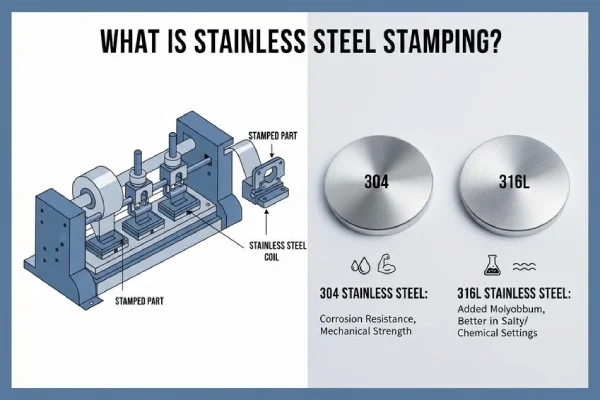
Essentially, stainless steel metal stamping is a metal forming and manufacturing process that leverages the unique properties of stainless steel. The process begins with material selection: austenitic stainless steel dominates the field—304 stainless steel offers excellent formability for general-purpose applications, while 316 stainless steel incorporates molybdenum to enhance corrosion resistance in medical or marine environments.
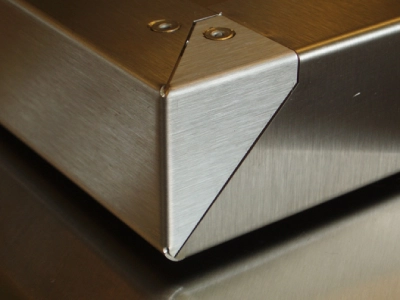
Sheet thickness typically ranges from 0.3 mm to 6.0 mm, and surface finish options include 2B for general-purpose applications, BA for reflective decorative surfaces, and brushed finishes for visible panels. Stainless steel metal stamping requires precise control: progressive dies sequentially perform forming, trimming, and punching. This is typically followed by secondary processing such as welding or laser cutting. At Supro Mfg, we utilize proven dies and strict statistical process control to ensure the delivery of repeatable stainless steel stamping parts throughout the production process.
Primary Material Specifications for Stainless Steel Stamping: 304 vs. 316L
Chemical composition is critical when selecting material grades. 304 stainless steel offers excellent corrosion resistance and superior mechanical strength, making it suitable for indoor components and offering good value for money; 316L stainless steel, with added molybdenum, enhances durability and performs better in salt spray or chemical environments. Its lower carbon content effectively improves weld zone performance. In coastal or medical applications involving stainless steel stamping, 316L is typically the preferred choice.
Property | 304 stainless steel | 316L stainless steel | Typical Use |
Chromium (%) | 18–20 | 16–18 | Corrosion resistance |
Nickel (%) | 8–10.5 | 10–14 | Structural stability |
Molybdenum (%) | — | 2–3 | Chloride resistance |
Tensile Strength (MPa) | ≥515 | ≥485 | Load capacity |
Manufacturing Processes: Progressive Stamping and Deep Drawing of Stainless Steel
The manufacturing efficiency of a project depends on the choice of process. Progressive stamping of stainless steel enables high-volume production at unmatched speeds: coiled material is fed continuously through a multi-station die, with forming, trimming, and punching performed sequentially. This method minimizes manual intervention while maintaining precision over millions of cycles.
For custom stainless steel stampings requiring deeper cavities, the deep drawing process induces radial material flow by applying controlled punch pressure—a process ideally suited to austenitic stainless steels like 304 due to their excellent ductility.
Die quality determines success: Precision-ground dies with proper clearance settings prevent galling and control work hardening. The stability of validated dies and stamping presses directly impacts the consistency of stainless steel stamping parts and reduces scrap rates—critical metrics for buyers.
Quality Control in Stainless Steel Stamping
Quality control for stainless steel stamping parts is based on detailed production data, not mere guesswork. This process begins with material verification: reviewing mill certificates to confirm that alloy composition and mechanical properties comply with ASTM standards.
Dimensional inspection relies on Coordinate Measuring Machine (CMM) measurements and Geometric Dimensioning and Tolerancing (GD&T) verification to ensure that hole locations and critical features fall within specified tolerances. Surface integrity assessment includes surface finish evaluation and non-destructive testing to check for micro-cracks or galling.
As an experienced stainless steel stamping manufacturer, Supro maintains full traceability records from incoming coil stock to finished components, ensuring that the stamping process delivers repeatable, verifiable quality.
online custom metal fabrication parts
Only 4 steps
Contact our experts team and experience the efficiency and economic benefits of digital metal fabrication services.
Upload Design Files
STL , STEP (.stp), IGES (.igs), (.ZIP), or PDF.
Also be a sample or an idea
Quote & Design Analysis
Instant factory quotes and DfM reports, the most reasonable solution.
Manufacturing Begins
Digital processes can initiate order tasks within 24 hours.
On-Time Delivery
Keeping delivery promises, approved by 3000+ Global Company buyers.
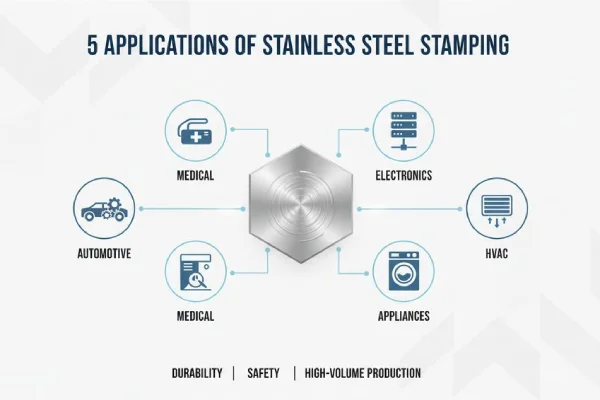
5 Applications of Stainless Steel Stamping
Stainless steel stamping shows up in more places than most people notice. From cars to clinics, stainless, steel, and precision stamping keep products tough, clean, and ready for daily wear without drama.
Automotive Components: High-Strength Steel for Durability
In the automotive industry, stainless steel stamping shapes critical vehicle parts built for abuse.
Structural components such as chassis parts must undergo finite element analysis prior to tooling to verify load paths and optimize formability. Components surrounding the engine require heat-resistant materials—304 stainless steel stamped parts—that maintain dimensional stability at high temperatures, and hardness testing verifies their durability targets.
Production validation is non-negotiable: PPAP documentation ensures that every custom stainless steel stamping meets OEM specifications, while material traceability supports long-term warranty coverage.
Medical Device Enclosures: Precision Stamping for Safety
Thanks to its molybdenum content, 316 stainless steel is the material of choice for medical device housings. Molybdenum provides exceptional corrosion resistance and biocompatibility during repeated sterilization cycles. Surface finishes are strictly controlled—surface roughness values are verified to prevent bacterial adhesion and ensure ease of cleaning. Every batch of custom stainless steel stampings undergoes dimensional verification using a coordinate measuring machine (CMM), with a focus on burr-free edges to eliminate the risk of contamination. Post-stamping passivation restores the chromium oxide layer, ensuring long-term corrosion resistance.
Stainless steel stamping here isn’t just about shape; it’s about patient safety. supro mfg handles precision stamping with controlled environments, keeping enclosures compliant and consistent.
Electronic Chassis: Surface Finish and Tolerancing Standards
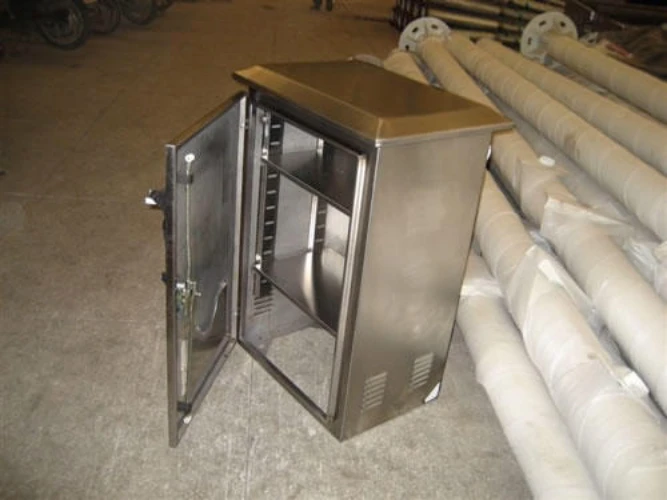
In electronic enclosures and server racks, custom stainless steel stampings strike a balance between strength and electrical conductivity. In humid data center environments, corrosion-resistant alloys such as 304 stainless steel stamped parts are typically specified, while pre-coated coil stock can enhance electromagnetic interference (EMI) shielding performance.
Dimensional control relies on the geometric dimensions and tolerances (GD&T) of assembly features, and CNC bending is performed using validated tolerance schemes to ensure assembly consistency. Surface finish specifications prioritize smooth edges to ensure wiring safety and clearly define conductive paths to meet equipment grounding requirements.
Applications of Stainless Steel Stamping in Home Appliance Components
Stainless steel metal stamping for home appliance components requires material selection that balances corrosion resistance and formability. Washing machine components must exhibit fatigue resistance in vibration-prone environments, while refrigerator components rely on 304 stainless steel stamped parts to maintain performance without degradation in humid conditions.
The production process begins with DFM analysis to optimize geometries for cost-effective mold manufacturing, followed by custom mold development. Secondary processing steps, such as tapping or welding, are typically integrated with assembly services to minimize handling steps.
Stamped stainless steel parts cut waste and speed up builds. With stainless steel stamping done right, cost-effectiveness stays on track. supro mfg keeps tooling flexible so appliance brands can tweak designs without chaos.
Applications of Stainless Steel Stamping in HVAC System Components
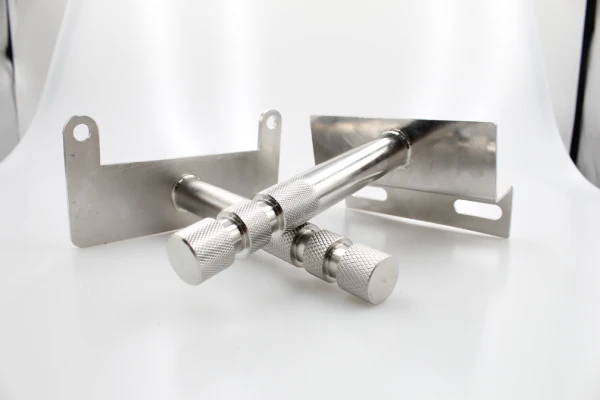
The core of HVAC component manufacturing lies in the stability of high-volume production. The product portfolio includes mounting brackets for condenser units, protective covers for heating systems, and damper assemblies that require corrosion resistance in air-handling environments. 304 stainless steel stamped parts offer the corrosion resistance required for outdoor HVAC environments, making them the material of choice in this sector.
The production of HVAC components relies on dedicated high-volume production units equipped with Just-In-Time (JIT) scheduling and batch packaging to maximize efficiency. Supply chain management is critical: inventory management based on rolling forecasts and regional warehousing support ensure rapid installation schedules.
Stainless steel metal stamping ensures that airflow systems are robust, durable, and rust-resistant. In large-scale projects, stable stainless steel and stamping production capacity is essential.
Get instant ex-factory price quotation.
If you only have an idea or an old sample,Let us know.
with photo or video and get our quotation and manufacturing solutions.
- Product design drawings or 3D model files.
- Material standards and appearance requirements.
- Product quantity demand.
- Industry standards in the application field.
- Functional requirements
FAQs about Stainless Steel Stamping
Which industries rely most on stainless steel stamping at scale?
Stainless steel stamping sits at the center of pressure-filled production floors.
Automotive components shaped from high-strength steel for safety and repeatability
Medical device enclosures in 316L stainless steel, where cleanliness calms regulators
Electronic chassis and appliance parts formed from 304 stainless steel with tight tolerancing standards
Behind the scenes, high-volume production and CAD/CAM integration keep schedules human-friendly, not frantic.
How does stainless steel stamping compare with casting on cost and performance?
Stamping processes place greater emphasis on speed and rhythm. Casting, on the other hand, is bulkier and slower.
Stamped electronic enclosures or HVAC system components, produced through progressive die stamping and CNC bending processes, effectively reduce unit costs.
Casting is suitable for industrial machinery components with thicker walls, but it increases machining, surface treatment, and lead times.
What are the commonly used stainless steel grades in stamping processes?
The choice of material determines the texture and functionality of custom stainless steel stampings:
Grade | Typical Use | Human Reason |
304 stainless steel | Appliance parts, electronic chassis | Clean look, steady supply |
316L stainless steel | Medical device enclosures | Trust in corrosion resistance |
Corrosion-resistant alloy | HVAC system parts | Long service life, fewer callbacks |
How is quality ensured during mass stainless steel stamping?
Quality control is a daily, behind-the-scenes discipline:
Dimensional inspection based on geometric dimensions and tolerances
Surface finish analysis according to surface roughness specifications
PPAP documentation to confirm design intent, rather than relying on guesswork
These steps transform tolerances into confidence, not red tape.
Contact Us
Supro is a professional stainless steel stamping manufacturer. Leveraging advanced equipment, extensive manufacturing experience, and a dedicated engineering team, we provide flawless stainless steel stamping services to over 3,000 companies worldwide, along with genuine manufacturer quotes.
As an industry-leading metal fabrication manufacturer, we deliver a wide range of products efficiently and on time. From product design and rapid sheet metal prototype fabrication to mass production, we provide professional technical support and exceptional quality. We offer one-stop manufacturing solutions and highly cost-competitive product supply!