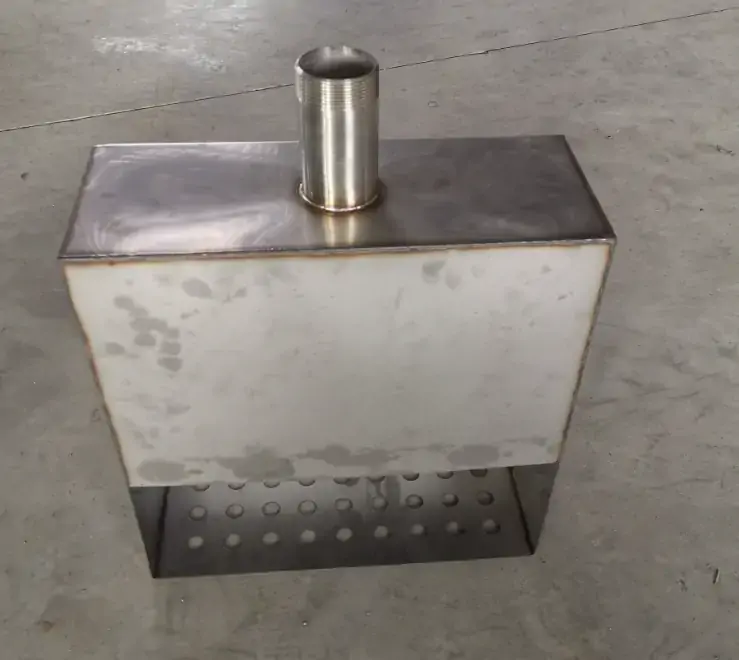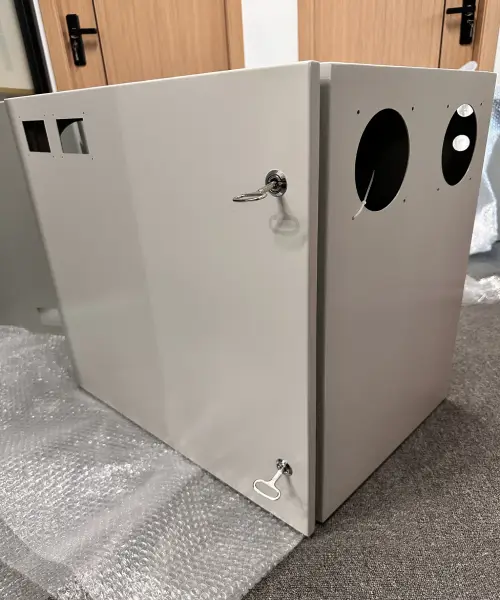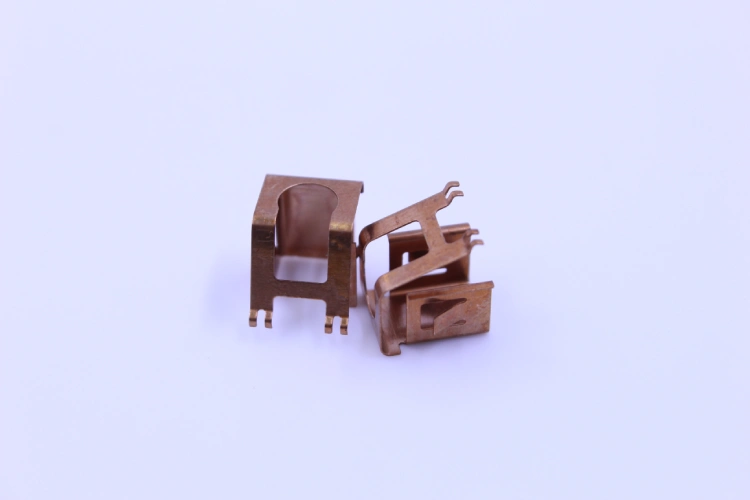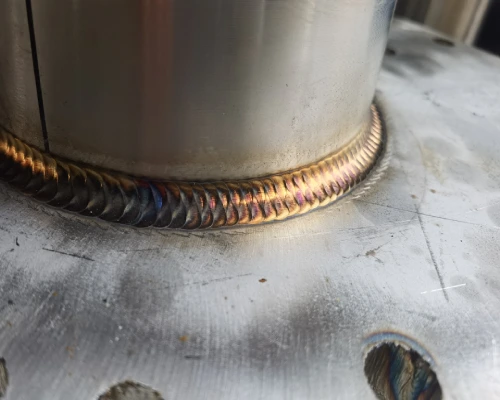
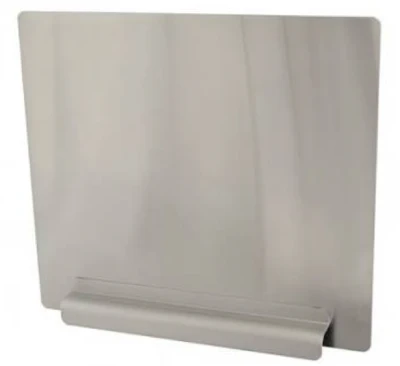
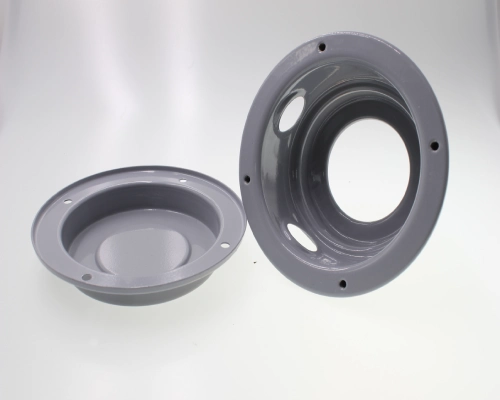

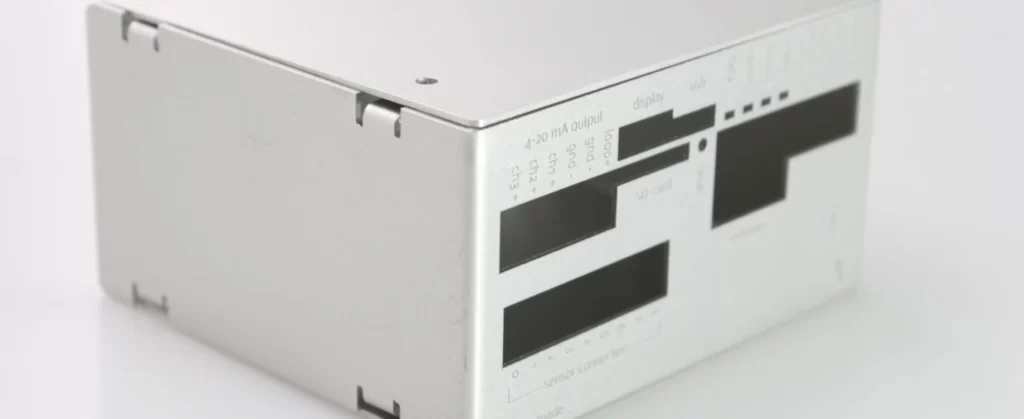
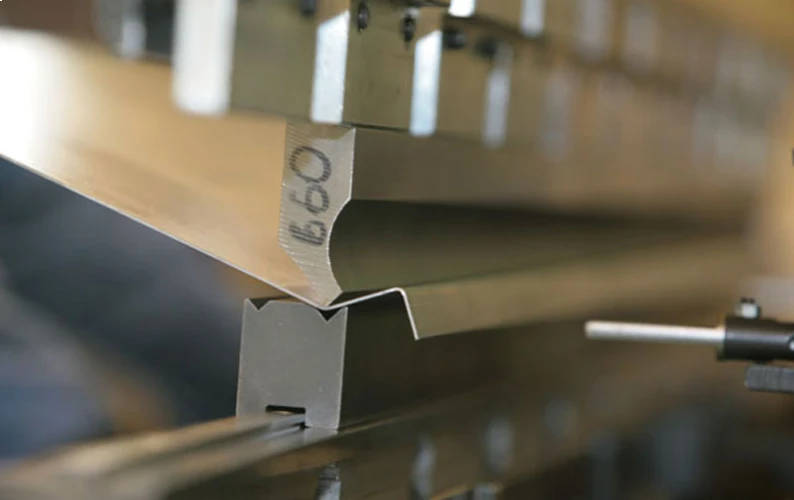
Splash guards installed in industrial equipment operate under constant mechanical vibration and fluid impact—an environment that subjects the protective coating to cyclic stresses far exceeding what decorative coatings can withstand. When the powder coating on custom splash guards peels off, the consequences go beyond mere cosmetic issues; the exposed substrate can lead to localized corrosion, which may shorten the component’s service life and increase subsequent maintenance costs.
From a manufacturing engineering perspective, adhesion failure of the powder coating on splash guards is almost never a problem with the coating material itself. The root cause can be traced back to the production floor: residual drawing lubricants or cutting fluids form a low-surface-energy barrier between the substrate and the coating; meanwhile, scale on laser-cut edges cannot be fully penetrated by conventional phosphating pretreatment.
These defects manifest as “false adhesion”: the coating adheres to a layer of oxide or contaminants rather than to the base metal itself; once subjected to vibration or fluid shear, failure is inevitable.
This article explores the physical mechanisms behind coating adhesion failure in custom splash guards and, based on Supro MFG’s production quality practices, proposes a systematic preventive framework—ranging from pretreatment protocols and mandatory edge oxide layer removal to ASTM D3359 cross-cut validation.
Understanding the Operating Environment of Splash Guards
During equipment operation, splash guards are subjected to service loads far exceeding those of typical decorative coated components. Continuous mechanical vibration imposes cyclic fatigue stresses on the coating-substrate interface, while fluid scouring—including coolant, process water, or cleaning agents—generates shear forces and erosion on the coating surface.
During the curing process of powder coatings, the internal stresses generated by resin cross-linking and shrinkage are normally borne by the coating itself; however, when external vibration loads are superimposed on these residual internal stresses, the accumulation of stress at the interface accelerates the initiation and propagation of microcracks.
In terms of chemical media, custom splash guards are exposed to various corrosive fluids—cutting fluid residues, alkaline cleaners, and acidic process water—which, if they penetrate the coating/substrate interface, will trigger electrochemical reactions and weaken intermolecular bonding forces.
The cost of coating delamination on splash guards is never merely an aesthetic issue. Once the substrate is exposed, a localized corrosion cell is formed—anodic dissolution leads to pitting corrosion, which subsequently develops into stress corrosion cracking.
Cosmetic defects in the coating can be detected and rectified before the product leaves the factory, whereas delamination caused by insufficient adhesion only becomes apparent after the equipment is put into operation and subjected to vibration and fluid stress loads. At this point, coating failure has already resulted in equipment downtime, increased maintenance costs, and even product warranty claims.
The ASTM D3359 cross-cut test was established precisely for this purpose—it not only evaluates the bond strength between the coating and the substrate but also serves as a core quality indicator for predicting the service life of custom splash guards under real-world operating conditions. Understanding the stress characteristics of this operating environment is a fundamental engineering prerequisite for systematically preventing coating delamination.
Primary Mechanisms of Coating Adhesion Failure During Splash Guard Manufacturing
The root causes of coating adhesion failure in splash guards can be traced back to three types of defects in the manufacturing process: residual contaminants on the substrate surface, oxidation layers on laser-cut edges, and stress concentrations at sharp edges. All three prevent the formation of an effective bond between the coating and the substrate, ultimately resulting in peeling under in-service stresses.
Inadequate Surface Pretreatment of Splash Guards
During the stamping or bending process, the surface of splash guard base materials inevitably retains stamping lubricants, cutting fluids, and fingerprint contaminants from handling. These organic residues form a “weak boundary layer” with low surface energy on the base material’s surface, preventing chemical bonding and mechanical anchoring between the powder coating and the metal substrate.
Powder coating differs from liquid paint—the solvents in liquid paint can dissolve small amounts of oil contamination and incorporate them into the paint film, whereas powder coatings lack this capability during the melting and leveling process. If residues are not thoroughly removed, the coating may appear intact after curing but is actually adhering to the contaminant layer rather than the metal substrate.
Conversion coating processes, such as phosphating or silane treatment, must be performed on a clean surface. Residual oils hinder the uniform deposition of phosphate crystals, leading to discontinuities in the conversion coating or even its complete failure to form, which fundamentally weakens the adhesion of the coating on custom splash guards.
Oxide Scale on Laser-Cut Edges
When laser-cutting carbon steel splash guards, the auxiliary oxygen reacts with the high-temperature molten metal, forming a blue-black oxide scale (laser oxide) on the cut edges. This oxide layer has a loose structure and lacks a metallurgical bond with the base material; it adheres to the surface solely by mechanical means.
Conventional phosphating pretreatment cannot effectively penetrate this oxide layer, preventing phosphate crystals from forming a reliable conversion coating on its surface. When powder coating is applied to laser-cut edges where the oxide scale has not been removed, the coating actually adheres to the surface of the oxide layer rather than the base metal—this is known as “false adhesion.”
When the splash guard is subjected to equipment vibration, impact, or fluid erosion, the brittle oxide layer cracks and peels off first, causing the coating attached to it to flake off in large pieces.
Inadequate Edge Treatment of Splash Guards
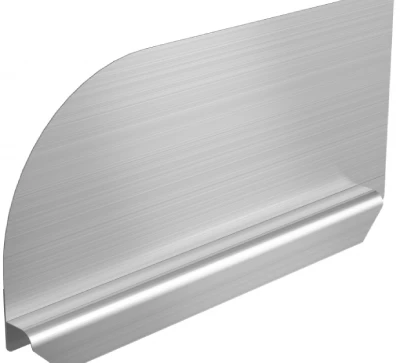
The edges of laser-cut splash guards often feature sharp edges and burrs, which constitute the third mechanism of coating adhesion failure.
Sharp edges cause two problems during the powder coating process of custom splash guards: First, during electrostatic spraying, the high charge density at sharp edges causes excessive powder accumulation. After curing, the film thickness at the edges is significantly greater than in flat areas.
This excessively thick coating generates greater internal stress during curing shrinkage, exacerbating stress concentration at the interface. Second, during the melting and leveling process, the coating retracts from sharp edges due to surface tension, resulting in extremely thin actual film thickness at the edges.
In either case, uniform coating thickness at sharp edges cannot be guaranteed. During the handling, installation, and operation of splash guards, the weak edge coatings are most susceptible to mechanical impact and become the primary starting points for peeling. Furthermore, burrs that protrude sharply after spraying not only affect appearance but also act as stress concentration points during service, accelerating localized failure of the edge coatings.
Are you looking for reliable & cost-effective
China metal fabrication manufacturer
More than 150,000 OEM metal fabrication products delivered to 5,000+ global buyers.
And benefit from it!
Engineering Solutions for Splash Guard Powder Coating Peeling
To address the three fundamental causes of Splash Guard coating failure, a systematic solution must encompass three core process steps: pretreatment and purification, forced removal of the laser-induced oxide layer, and edge geometry optimization. Each of these steps has a decisive impact on the final adhesion.
Pretreatment Procedures—Phosphating and Mechanical Polishing
Splash Guard’s chemical pretreatment centers on phosphating—zinc phosphate is widely recognized as the solution with the best overall performance for pretreating steel substrates prior to organic coating. Through a chemical reaction, the phosphating layer forms a porous microcrystalline structure on the substrate surface, providing a stable chemical bonding interface and mechanical anchor points for the powder coating.
However, phosphating alone does not remove rust or scale. For surfaces with rust or scale, a sandblasting process must be performed prior to phosphating to achieve the SA 2½ cleanliness standard specified in ISO 8501-1. Sandblasting not only removes surface contaminants but also creates a controlled “anchor pattern” on the substrate—a rough surface profile consisting of microscopic peaks and valleys. After the coating cures, it mechanically interlocks with the valley bottoms, while the peaks embed into the coating like interlocking teeth.
If the anchor pattern depth is insufficient, coating adhesion cannot be guaranteed; if it is too deep, it leads to uneven film thickness and increased costs. For mass production of splash guards, the combined process of sandblasting and phosphating is the engineering standard for ensuring adhesion and corrosion resistance.
Removal of Oxide Scale from Laser-Cut Edges
When oxygen is used as the assist gas during laser cutting of splash guards, a hard and brittle oxide scale forms on the cut edges. If this oxide layer is not removed before powder coating, the powder coating will adhere to the oxide layer rather than the base metal—resulting in “false adhesion”—and the cured coating will inevitably flake off in sheets when subjected to vibration or fluid erosion.
Methods for removing oxide scale include sandblasting, grinding, wire brushing, or tumbling, which can be performed automatically prior to phosphating. Another strategy is to use nitrogen as the assist gas during laser cutting; nitrogen cutting does not produce an oxide layer, thereby fundamentally eliminating the need for oxide scale removal. However, nitrogen cutting places higher demands on laser power, and equipment capabilities must be evaluated based on material thickness.
Regardless of the approach taken—whether mechanical removal or process substitution—the treatment of the oxide layer on laser-cut edges is a non-negotiable process step for ensuring coating adhesion on custom splash guards.
Edge Chamfering and Rounding Design
If sharp edges are left on the laser-cut edges of splash guards, they will cause a series of coating adhesion issues. During electrostatic powder coating, excessive charge density at sharp edges causes powder to accumulate excessively. After curing, the film thickness at the edges is significantly higher than in flat areas, and this excessively thick coating generates greater internal stress during curing shrinkage. At the same time, the Faraday cage effect prevents charged powder particles from entering recesses and deep cavities, resulting in insufficient coverage in these areas.
The engineering solution is to incorporate DFM principles during the design phase—applying mechanical chamfering or edge radii to all cut edges of custom splash guards. When the edge radius exceeds 0.010 inches (approximately 0.25 mm), the coating achieves complete edge coverage. Chamfering not only eliminates stress concentration and uneven film thickness at sharp edges but also reduces the risk of mechanical impact to the edges during handling and installation.
For mass production of splash guards, edge deburring machines or vibratory finishing can achieve efficient and consistent edge rounding, keeping edge geometric variations within predictable limits.
Only 4 steps
online custom metal fabrication parts
Contact our experts team and experience the efficiency and economic benefits of digital metal fabrication services.
Upload Design Files
STL , STEP (.stp), IGES (.igs), (.ZIP), or PDF.
Also be a sample or an idea
Quote & Design Analysis
Instant factory quotes and DfM reports, the most reasonable solution.
Manufacturing Begins
Digital processes can initiate order tasks within 24 hours.
On-Time Delivery
Keeping delivery promises, approved by 3000+ Global Company buyers.
Quality Verification of Splash Guards
ASTM D3359 is the most widely used standard test method for evaluating the adhesion of coatings on metal substrates. This test involves cutting a grid pattern (Method B, Cross-Cut) or intersecting straight lines (Method A, X-Cut) into the cured coating down to the substrate surface, applying standard pressure-sensitive tape, and then peeling it off. The coating is then graded on a scale from 0B to 5B based on the area of coating that peels off.
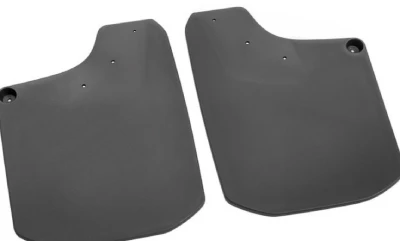
For custom splash guards subjected to vibration and fluid erosion, this test serves not only as a means of pre-shipment quality verification but also as a core engineering basis for predicting the service life of the coating under real-world operating conditions. The following analysis explores three dimensions: the selection of test methods, the establishment of threshold standards, and the role of these tests within the splash guard quality control system.
Test Methods and Their Significance
ASTM D3359 defines two test procedures: Method A (X-cut Tape Test) and Method B (Cross-cut Tape Test). Both are evaluated through a “grid cutting + tape peeling” process.
Method A involves making two intersecting cuts to form an “X” shape and is suitable for coating systems with a total film thickness exceeding 125 μm (5 mils); Method B uses a multi-blade cutter to create a grid pattern and is primarily suitable for coatings with a total film thickness less than 125 μm. Since the typical film thickness range for Splash Guard’s powder coatings is 60 to 100 μm, Method B (Cross-cut) is the more appropriate choice.
During testing, a specialized grid cutter must be used to penetrate the coating down to the substrate, cutting with uniform pressure and spacing. Loose debris is then gently brushed away, followed by the application of standard pressure-sensitive tape and rapid peeling at a constant angle.
Ratings are based on the percentage of area peeled off: 5B indicates completely smooth cut edges with no peeling; 4B indicates small flakes of peeling at the intersection of the cuts, with damage not exceeding 5%; 3B indicates 5% to 15% peeling; 2B indicates 15% to 35% peeling; and 0B indicates more than 65% peeling.
The value of this test lies in its ability to use standardized methods to convert the abstract performance indicator of adhesion into quantifiable, comparable grade data, providing an objective basis for assessing the quality of Splash Guards.
Establishing Acceptable Thresholds for Custom Splash Guards
For components such as Splash Guards that operate in environments subject to vibration and fluid erosion, the acceptance thresholds specified in ASTM D3359 must be significantly higher than those for general decorative parts.
As a professional splash guard manufacturer, Supro MFG sets 4B (less than 5% damage) as the minimum acceptance standard for custom splash guards prior to shipment. For applications subject to higher vibration loads or exposure to corrosive media, a 5B rating (zero flaking) is required for release. It is important to emphasize that ASTM D3359 testing must be conducted on test coupons made of the same material and subjected to the same pretreatment process as the splash guard, or performed directly on non-functional surface areas of the part.
We include the test results in the Inspection Report for each batch, delivering them to customers as traceable quality evidence. When test results indicate a grade lower than 4B, we immediately trace the process—common causes include deviations in pretreatment bath parameters, uneven phosphating films, or abnormal curing temperature curves—and resume production only after corrective actions have been taken.
Incorporating ASTM D3359 into Splash Guard’s standard quality control processes (IQC/OQC) is an engineering practice that provides closed-loop verification of the effectiveness of the pretreatment and coating processes from the inspection end.
Looking for a reliable custom sheet metal fabrication companies?
Talk To Supro MFG Expert Team
Contact us for competitive ex-factory prices,
and a full range of technical support services.
Conclusion
The peeling of the powder coating on the Splash Guard is not due to a defect in the coating material itself, but rather the inevitable result of three manufacturing issues: incomplete pretreatment and cleaning, failure to remove the oxide layer from the laser-cut edges, and geometric stress concentration at sharp edges.
A systematic solution must address three core steps: establishing a clean substrate surface with an anchoring structure through a combined sandblasting and phosphating process; forcibly removing the oxide layer from the laser-cut edges via mechanical methods or a nitrogen cutting process; incorporating edge rounding into the design phase to eliminate coating thickness variations and stress concentrations at sharp edges.
The ASTM D3359 cross-cut test serves as a pre-shipment quality control measure, translating the abstract property of adhesion into quantifiable 4B or 5B grade standards.
Supro MFG integrates these engineering principles into the standard production process for custom splash guards, ensuring that every batch delivers predictable coating lifespan under real-world operating conditions.
As an industry-leading custom splash guard manufacturer, we deliver a wide range of products efficiently and on time. From product design and rapid sheet metal prototyping to mass production, we provide professional technical support and exceptional quality. We also offer one-stop manufacturing solutions and highly cost-competitive product supply!
For inquiries regarding technical specifications, customized project solutions, or business collaboration, please contact Supro immediately. Our professional engineering team is always ready to provide you with a tailored application solution.