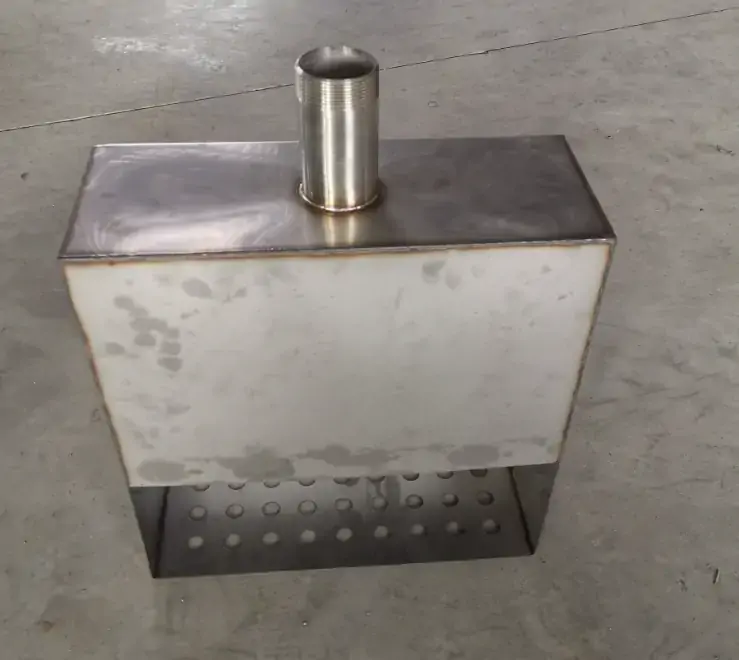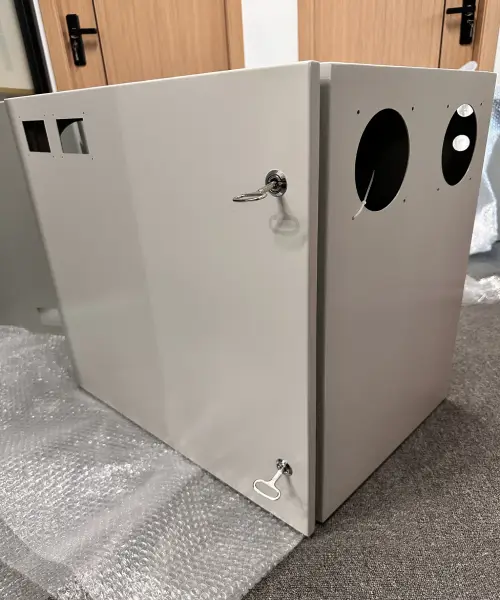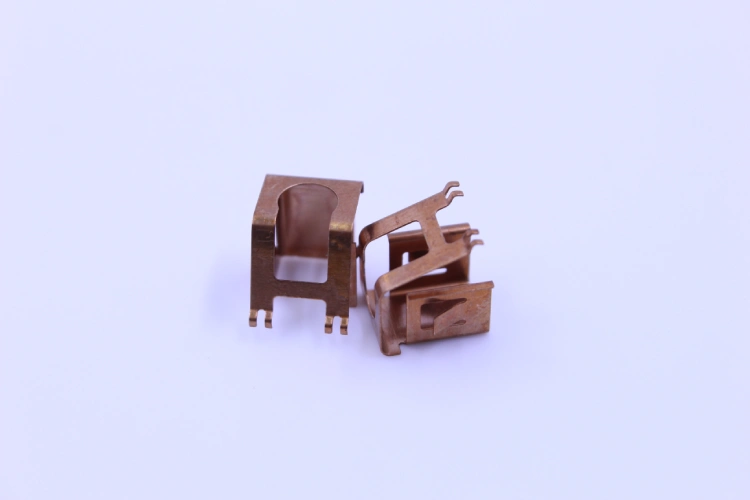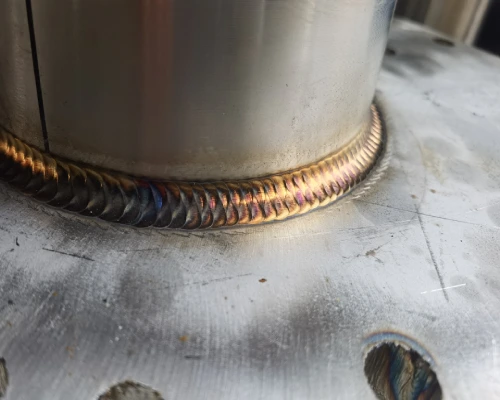





Within contemporary precision manufacturing, the demand for stainless steel sheet metal fabrication has evolved from processing simple geometric shapes to the precise realisation of complex, free-form contours. Successful custom stainless steel sheet metal fabrication cutting processes are not the output of a single machine, but rather a technical system deeply integrating materials science, digitalised processes and precision control.
Within custom stainless steel sheet metal fabrication, the realisation of any shape is fundamentally constrained by the material’s inherent behaviour. For instance, the distinct work-hardening tendencies of austenitic stainless steels (such as 316L) compared to ferritic stainless steels (like 430) directly dictate the parameter strategies and heat-affected zone control logic for stainless steel sheet metal fabrication cutting processes.
Concurrently, the rolling orientation and initial stress state of the sheet serve as the core basis for predicting and compensating for deformation following complex contour machining. Consequently, a reliable bespoke precision cutting solution fundamentally relies on precise control across the entire stainless steel sheet metal fabrication chain—from manufacturability analysis of digital models, to cutting dynamics optimised for specific alloys and thicknesses, through to metrological validation throughout the process.
This paper systematically analyses this processing workflow and provides an engineering-practice-based technical framework to ensure scientifically informed decision-making in complex custom stainless steel sheet metal fabrication projects.
Material Properties and Workability in Stainless Steel Sheet Metal Fabrication
When evaluating any bespoke sheet metal project, the material serves as the cornerstone determining the direction of all subsequent processes. For stainless steel sheet metal fabrication, understanding the microstructure of different alloys and their dynamic response to processing is paramount.
Mainstream Stainless Steel Alloy Grades and Their Processing Characteristics
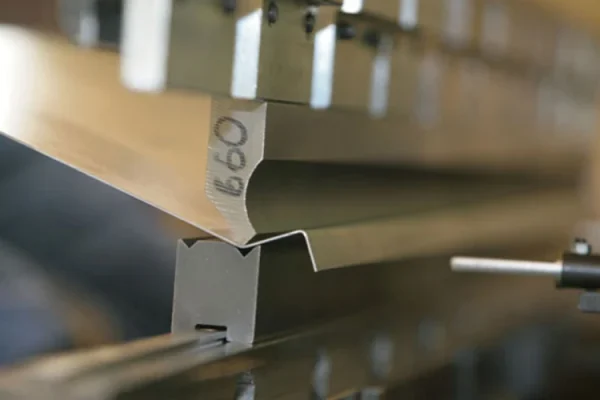
Mainstream alloys such as 304/L and 316/L belong to the austenitic stainless steel category. Their outstanding corrosion resistance and formability make them the preferred choice for stainless steel sheet metal fabrication. However, they exhibit significant work-hardening tendencies and high thermal expansion coefficients, which directly impact the effectiveness and quality of cutting processes. For instance, laser cutting 304/L and 316/L requires precise control over heat input. Excessive heat or inadequate cooling can expand the hardened zone, increasing the risk of subsequent bending cracks and compromising cut quality.
Conversely, ferritic stainless steels like 430, while more cost-effective and magnetic, present lower ductility and distinct thermal conductivity. This necessitates adjusting cutting process speed and power settings, potentially limiting complex forming capabilities.
For applications involving harsh environments or welding, 316L offers superior pitting resistance, yet its higher material strength directly impacts tool wear rates and forming pressures during stainless steel sheet metal fabrication.
Consequently, selecting stainless steel sheet metal fabrication alloy materials is not solely based on corrosion resistance but involves a comprehensive balancing act considering manufacturability, subsequent processes, and overall cost.
Sheet Condition and Residual Stress
The initial state of the material represents a latent variable determining the final precision and predictability of stainless steel sheet metal fabrication. Surface conditions such as standard 2B finish, bright annealed (BA), or directional grinding (e.g., No.4) correlate not only with aesthetics but also influence cutting outcomes. During stainless steel sheet metal fabrication cutting processes, surface reflectivity and texture directly affect laser energy absorption efficiency, potentially necessitating fine-tuning of cutting parameters to ensure consistency across the entire sheet contour.
Internal residual stresses develop within the sheet during rolling. When cutting complex contours, the material’s internal stress equilibrium is disrupted, typically leading to unpredictable warping or deformation. Supro addresses this in stainless steel sheet metal fabrication cutting processes by reviewing material certificates to ascertain rolling direction and incorporating stress-relief strategies during programming, such as employing specific cutting path sequences.
Neglecting this, even with precision laser cutting equipment, may yield components failing flatness requirements, compromising assembly and functionality of the entire assembly. Consequently, controlling initial stresses forms the foundation for ensuring high-quality stainless steel sheet metal fabrication.
Technical Framework for Custom Stainless Steel Sheet Metal Fabrication Cutting Processes
The efficacy of custom stainless steel sheet metal fabrication hinges upon selecting the appropriate cutting process for specific applications. This decision transcends mere shape cutting, requiring comprehensive consideration of material thickness, geometric complexity, required edge quality, and production batch size.
The Digital Front End of Stainless Steel Sheet Metal Fabrication: Design Conversion and Process Optimisation
Prior to initiating stainless steel sheet metal fabrication cutting processes, successful sheet metal fabrication commences within the digital domain. This phase centres on converting CAD models into manufacturable instructions and subjecting them to design for manufacturability (DFM) optimisation. Specialist engineers rigorously review designs to assess compatibility with selected cutting processes.
Critical considerations include: establishing minimum achievable hole diameters for varying material thicknesses (typically 1:1 relative to plate thickness), converting internal sharp corners to rounded edges with minimal radii to prevent stress concentration and cutting defects, and optimising contour paths to minimise micro-tabs while enhancing material utilisation.
Furthermore, where components involve subsequent bending, the cutting contour’s position relative to the sheet’s rolling direction must be considered to control springback. This stage’s in-depth analysis pre-emptively eliminates fabrication obstacles, significantly shortening delivery cycles and controlling costs.
Types of Stainless Steel Sheet Metal Fabrication Cutting Processes
In stainless steel sheet metal fabrication, achieving customised precision contours hinges on selecting the appropriate technique from a range of established cutting processes. No single universal technology exists; each stainless steel sheet metal fabrication cutting process operates on distinct physical principles, defining its unique capabilities, precision limits, and suitable applications.
Fibre Laser Cutting
As the mainstream choice for high-precision stainless steel sheet metal fabrication cutting processes, fibre laser technology currently dominates the processing of high-precision stainless steel sheets ranging from thin to medium-thickness plates. Its principle involves transmitting a high-energy laser beam through flexible optical fibre to the cutting head, where it is focused onto an extremely small spot.
This instantly melts the material, with molten slag being blown away by high-pressure auxiliary gas. For stainless steel sheet metal fabrication, its advantages lie in exceptional precision, extremely narrow kerf width, minimal heat-affected zone, and outstanding contour fidelity, making it particularly suited for complex geometries and intricate features.
A critical aspect of this stainless steel sheet metal fabrication cutting process lies in the selection of the auxiliary gas: high-pressure cutting with high-purity nitrogen (N₂) yields oxidation-free, bright-cut edges suitable for direct welding. Conversely, oxygen (O₂) enhances cutting speeds for thicker plates (e.g., exceeding 12mm) through exothermic reactions, though it produces an oxide layer requiring subsequent treatment. Precise control of pulse frequency and duty cycle is vital for managing heat input, minimising chromium carbide precipitation, and preserving material corrosion resistance.
Plasma Cutting
Plasma cutting offers a cost-effective solution for processing thicker stainless steel sheets (typically ranging from 3mm to 30mm or even greater thicknesses). This stainless steel sheet metal fabrication cutting process employs a high-temperature, high-energy plasma arc formed by ionising high-velocity gas, rapidly melting the metal and blowing it away.
In stainless steel sheet metal fabrication cutting processes, air plasma or oxygen/nitrogen mixed plasma are common choices. Their primary advantage lies in high cutting speeds for thick plates and relatively low hourly operating costs. However, compared to laser cutting, the plasma arc is wider, resulting in a larger kerf, more pronounced taper, and a broader heat-affected zone, with edges typically exhibiting some degree of oxidation. Consequently, this stainless steel sheet metal fabrication cutting process is primarily suited for rough machining, blanking, or preparing semi-finished products requiring subsequent edge processing where tolerances are relatively generous (e.g., ±1mm).
Waterjet Cutting
Waterjet cutting is an entirely cold-working process. It involves pressurising water to ultra-high pressures (approximately 60,000 psi or higher) and mixing it with abrasives (such as garnet grit) to form an extremely fine jet that erodes the material. Within stainless steel sheet metal fabrication, this process is irreplaceable as it completely eliminates the heat-affected zone, thermal stresses, and microstructural changes in the material.
Waterjets can cut arbitrarily complex shapes with theoretically no thickness limitations, maintaining excellent contour accuracy in thick-plate stainless steel sheet metal fabrication. Its drawbacks include relatively slow cutting speeds, higher operational costs (abrasive consumption, equipment maintenance), and a matt, sandblasted finish on cut surfaces. For thick-plate workpieces demanding absolutely no thermal damage and complex geometries, it is often the preferred choice for precision stainless steel sheet metal fabrication cutting processes.
Composite and Auxiliary Processes
In complex production realities, single cutting processes seldom achieve an optimal balance between efficiency, cost, and quality. Consequently, high-level fabrication relies on the strategic deployment of composite and auxiliary techniques. For instance, on a single workpiece, plasma cutting may rapidly complete external contour blanking and larger internal openings, followed by switching to fibre laser cutting to precisely machine intricate detail contours and fine holes on the resulting semi-finished part. This combination fully leverages plasma cutting’s efficiency for thick plates and laser cutting’s capability for high-precision detailing.
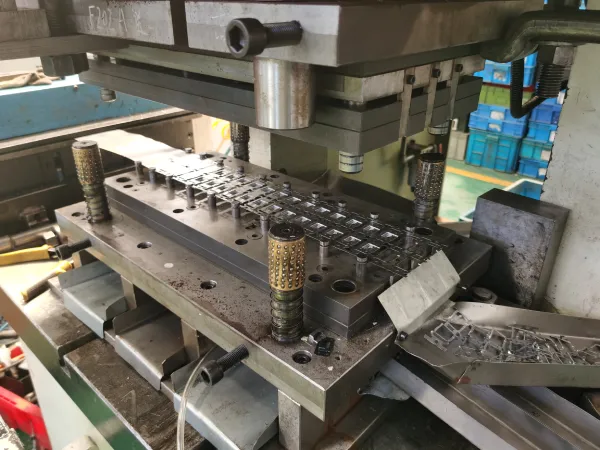
Furthermore, CNC punching can be integrated with laser cutting for rapid processing of standard hole arrays, while lasers handle irregular contours. Wire EDM (Electrical Discharge Machining) serves as the ultimate precision auxiliary method for fabricating micro stainless steel components requiring extreme hardness, mirror-finish edges, or zero taper. Effective process integration is pivotal for enhancing the overall flexibility, responsiveness, and cost-effectiveness of stainless steel sheet metal fabrication.
Only 4 steps
online custom metal fabrication parts
Contact our experts team and experience the efficiency and economic benefits of digital metal fabrication services.
Upload Design Files
STL , STEP (.stp), IGES (.igs), (.ZIP), or PDF.
Also be a sample or an idea
Quote & Design Analysis
Instant factory quotes and DfM reports, the most reasonable solution.
Manufacturing Begins
Digital processes can initiate order tasks within 24 hours.
On-Time Delivery
Keeping delivery promises, approved by 3000+ Global Company buyers.
Quality Control and Surface Treatment in Stainless Steel Sheet Metal Fabrication
Within custom stainless steel sheet metal fabrication, rigorous quality control and meticulous surface treatment constitute the core elements ensuring the final product's performance, durability, and aesthetic value. This represents not merely the culmination of the fabrication process, but the fundamental assurance that components meet design functionality, assembly precision, and long-term durability requirements.
Dimensional and Geometric Accuracy Inspection
Compliance with dimensional and geometric tolerances forms the bedrock of all manufacturing activities. Following completion of stainless steel sheet metal fabrication cutting processes, Supro employs coordinate measuring machines (CMMs) for comprehensive inspection of first articles and critical features. This verifies that two-dimensional contours and hole positioning meet ±0.1mm tolerances or even stricter requirements.
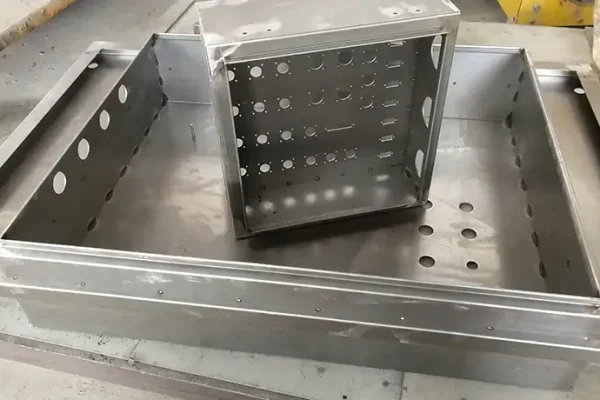
For complex three-dimensional formed parts, such as sheet metal enclosures or multi-bend structures, laser scanners rapidly capture complete point cloud data. This is compared against the original CAD model, visually displaying deviation colour maps. We pay particular attention to critical geometric tolerances in custom stainless steel sheet metal fabrication structural components, such as the flatness of large mounting surfaces (typically requiring <0.5mm/m), cumulative errors in multi-bend parts, and the positioning accuracy of assembly holes.
A systematic inspection process not only involves sampling the final product but also prevents batch-level deviations, ensuring assembly fit accuracy and structural integrity.
Cut Edge and Surface Quality
Cut edge quality defines a component’s structural integrity and corrosion resistance baseline. In stainless steel sheet metal fabrication, we evaluate cut surfaces against standards such as ASTM A480.
For laser cutting, we inspect the width of the heat-affected zone (HAZ), residual oxides (dross), and potential minute slag inclusions along the lower edge. Waterjet-cut edges, while free from thermal effects, require control over the uniformity of their naturally formed satin finish and potential taper. All cut edges typically undergo mechanical grinding to remove oxide layers and smooth micro-defects, followed by chemical passivation to re-establish a uniform chromium oxide passivation film.
Surface treatments in stainless steel sheet metal fabrication—whether mechanical polishing, electropolishing, or sandblasting—must employ process parameters matched to the stainless steel grade. This ensures no iron contamination or embedded abrasives are introduced, thereby safeguarding the performance and aesthetics of the final product.
Application of Custom Stainless Steel Sheet Metal Fabrication Cutting Processes
Precise alignment of advanced stainless steel sheet metal fabrication cutting processes with specific end-use requirements is paramount. Selecting the correct technique is not merely a cost consideration; it directly impacts product performance, regulatory compliance, and service life. From a bespoke perspective, there exists no single optimal process—only the most suitable solution for each particular scenario.
High-End Industrial Equipment
Within advanced industrial sectors such as semiconductor manufacturing, chemical processing, and food production, equipment components face stringent challenges regarding corrosion resistance, cleanliness, and long-term stability. Stainless steel sheet metal fabrication cutting processes must prioritise maintaining the material’s metallurgical integrity. Fibre laser cutting is typically the preferred method for 316L or higher-grade stainless steels, yielding burr-free, low-roughness clean edges that significantly reduce particulate adhesion risks and facilitate subsequent electropolishing.
Architecture and Interior/Exterior Decoration
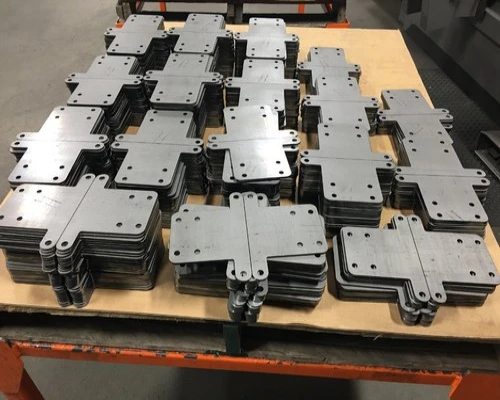
Whether for curtain wall cladding, bespoke metal screens, or distinctive interior features, stainless steel sheet metal fabrication cutting processes must balance efficient processing of large panels with precise reproduction of intricate artistic patterns. For thinner decorative panels (typically 2–6mm), high-power fibre laser cutting efficiently achieves complex perforations and irregular contours with flat edges requiring no secondary processing. For thicker structural components, precision plasma cutting offers a cost-effective solution.
Specialised Transportation
The rail, aerospace, and specialised vehicle sectors demand stainless steel components with high strength-to-weight ratios, structural integrity, and fatigue resistance. Fabrication in these fields frequently involves high-strength stainless steels (such as 2205 duplex steel) and intricate three-dimensional structural parts.
Laser cutting is frequently employed for high-precision part contours, whilst waterjet cutting proves indispensable for processing thick plates, composite laminates, or heat-sensitive high-strength alloys. This method entirely eliminates heat-affected zones, preserving the material’s original mechanical properties. All stainless steel sheet metal fabrication cutting processes must adhere to certified aerospace or transport industry specifications to ensure the safety of critical structures.
Looking for a reliable custom sheet metal fabrication companies?
Talk To Supro MFG Expert Team
Contact us for competitive ex-factory prices,
and a full range of technical support services.
Conclusion
High-quality stainless steel sheet metal fabrication cutting processes are not isolated choices, but rather strategic alignments based on application scenarios. Fibre lasers deliver high precision and speed for thin to medium-thickness plates, waterjets offer irreplaceable heat-affected zone elimination, and plasma cutting provides cost-effectiveness for thick plate processing – collectively addressing diverse challenges.
Supro is a specialist stainless steel sheet metal fabrication manufacturer. Leveraging advanced equipment, extensive manufacturing expertise, and a professional engineering team, we deliver flawless stainless steel sheet metal fabrication services to over 3,000 companies worldwide, alongside genuine manufacturer quotations.
As an industry-leading stainless steel sheet metal fabrication manufacturer, we deliver diverse products efficiently and on schedule. From product design and rapid sheet metal prototype fabrication to mass production, we provide expert technical support and exceptional quality. And we provide one-stop manufacturing solutions and highly cost-competitive product supply!