Filter posts by category

custom aluminum 7075-T651 housing parts

CNC Cutting: Definition, Processes, and Uses

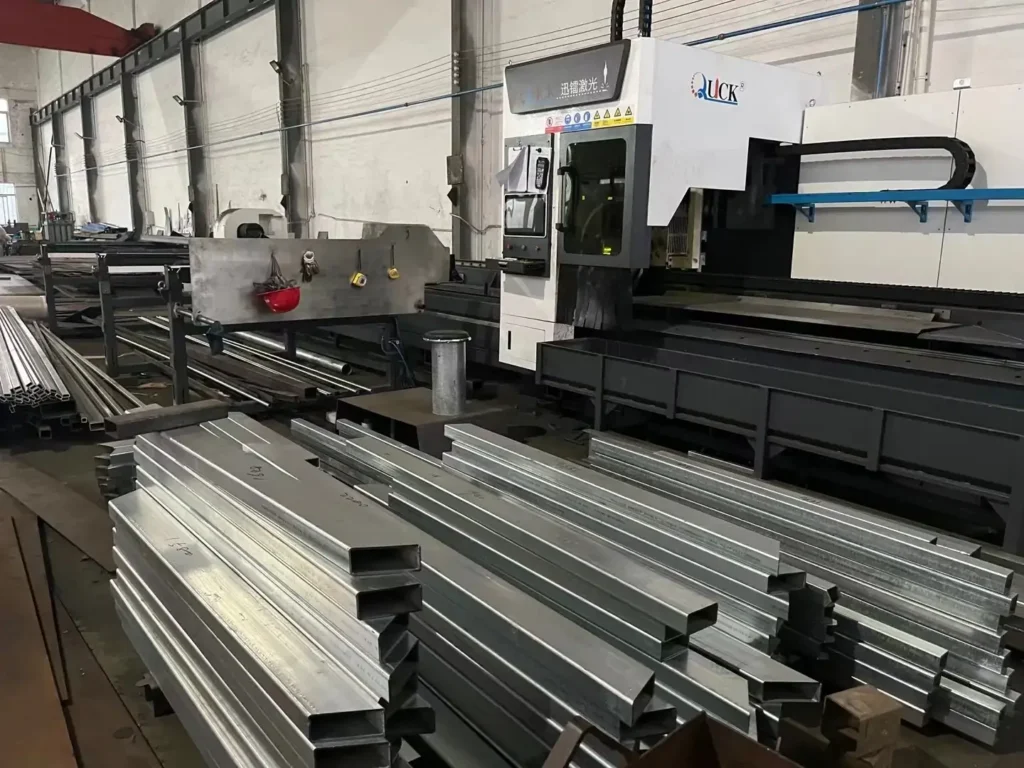
CNC cutting technology precisely controls machine tool movements through computer programs to cut materials into predefined complex geometric shapes. In modern manufacturing and creative design, It efficiently handles repetitive tasks in production processes, with manufacturing speeds far surpassing levels from years past, making it crucial for achieving high-precision, high-quality, and high-efficiency machining. This article will provide a detailed analysis of CNC cutting, beginning with its fundamental definition, followed by an examination of its production process and suitable materials, and concluding with common applications. This will help you understand and appropriately utilize CNC cutting technology. Definition of CNC Cutting CNC cutting is an automated process where cutting equipment executes programs via digital instructions, comprising a numerical control system and mechanical framework. It offers exceptional production efficiency and cutting precision, supporting multi-axis coordination and complex pattern machining. Based on material differences, it can be categorized into CNC laser cutting (high-precision thin materials), CNC plasma cutting (medium-thick materials), and flame cutting (thick carbon […]

CNC Cutting: Definition, Processes, and Uses Read More »

aluminum sheet metal bending metal corner bracket parts

Custom Metal Corner Brackets: Definition, Advantages, and Applications

Custom metal corner brackets play a crucial role in ensuring structural stability and safety across various applications, including home furnishings, industrial equipment, medical devices, and construction projects. But do you truly understand this common hardware structural element? What exactly is it, and what are its advantages and disadvantages? This article will analyze metal corner brackets, covering their fundamental definition, pros and cons, application scenarios, and common issues to help you recognize and appropriately utilize them. What is a custom Metal Corner Bracket? A metal corner bracket is a structural connector made of metal, typically shaped like a right-angled L. Its core function is to reinforce, support, or connect two components that are perpendicular or at an angle to each other, ensuring structural stability, strength, and load-bearing capacity. Characteristics of Metal Corner Brackets Shape: Most commonly 90 degrees, though other angles (e.g., 45 degrees, 135 degrees) or adjustable designs exist. Metal corner brackets typically feature one or more triangular reinforcing ribs,

Custom Metal Corner Brackets: Definition, Advantages, and Applications Read More »

stainless steel pipe fabrication process

Revealing the Entire Process of Stainless Steel Pipe Fabrication

The stainless steel pipe fabrication process begins with argon-oxygen decarburization refining, a critical step for achieving the precise chemical composition required for corrosion resistance. A critical juncture in the process is the forming stage: seamless stainless steel pipe fabrication employs rotary piercing or extrusion techniques, while welded structures utilize advanced joining technologies such as Gas Tungsten Arc Welding (GTAW) and high-frequency induction welding to ensure weld consistency. Post-forming treatment is key to optimizing the performance of stainless steel pipe fabrication. Solution annealing at 1040-1150°C followed by rapid quenching redissolves carbides and restores corrosion resistance. Subsequent nitric acid/hydrofluoric acid pickling removes scale, while passivation enhances chromium oxide layer integrity. Comprehensive quality validation is conducted per ASTM A312 and ASME B36.19 standards. Understanding the stainless steel pipe fabrication process is crucial for procurement personnel. The selection between seamless and welded structures, along with proper stainless steel grade selection, directly impacts the performance of stainless steel piping in corrosive environments such as chemical

Revealing the Entire Process of Stainless Steel Pipe Fabrication Read More »

precision cnc laser cutting services

Laser Cutting vs Waterjet Cutting: How We Choose?

In modern manufacturing, selecting the appropriate cutting technology for specific materials and designs is crucial. Among these, Laser Cutting and Waterjet Cutting stand as two dominant technologies. Leveraging high precision and efficiency, they are widely applied in metal processing, aerospace, medical devices, industrial equipment, and other fields. However, their underlying principles differ significantly, as do their suitable materials and application scenarios. This article provides a systematic analysis of these two cutting technologies. It begins by breaking down the definitions, advantages, disadvantages, and applicable scenarios of Laser Cutting and Waterjet Cutting. Subsequently, a multidimensional comparison clarifies their differences, helping you correctly understand and appropriately apply these cutting technologies. Laser Cutting services Laser cutting is a precision cutting technology that thermally processes materials using a high-energy-density laser beam. Its core principle involves focusing the laser into an extremely small spot via an optical system, causing the irradiated material to instantly reach melting or vaporization temperatures. Simultaneously, high-pressure auxiliary gases (such as oxygen

Laser Cutting vs Waterjet Cutting: How We Choose? Read More »

custom aluminum stamping parts

The Ultimate Guide to Sheet Metal Stamping

As one of the core processes in metal fabrication, sheet metal stamping has become a vital technological pillar for industries such as electronic casings, automotive manufacturing, aerospace, and medical devices due to its high efficiency, superior quality, and precision. This article will explore the fundamental knowledge of sheet metal stamping, beginning with its basic definition, followed by an in-depth analysis of its technical advantages. It will systematically outline common sheet metal stamping methods and conclude with examples of its application scenarios. What is Sheet Metal Stamping? Sheet metal stamping is a cold forming manufacturing process that uses specialized dies and stamping equipment to apply pressure to metal sheets. This induces plastic deformation or separation, producing parts with specific shapes and dimensions. This process typically involves three core elements: Raw Materials: Metal coils or sheets, such as steel, aluminum, copper, stainless steel, etc. Sheet metal stamping dies: Typically consisting of a punch and a die, their cavities directly determine the final

The Ultimate Guide to Sheet Metal Stamping Read More »

custom aluminum t-slot fabrication

Ultimate Guide to custom aluminum t-slot fabrication

In mechanical manufacturing, automotive, aerospace, and other industries, aluminum T-slots have become core components for various tooling fixtures, frame structures, and automated equipment due to their lightweight, high-strength, and easy-to-assemble characteristics. Compared to standard aluminum T-slots, custom aluminum T-slot fabrication offers advantages such as enhanced load-bearing capacity, higher positioning accuracy, and flexible slot-rail layout, significantly improving production line efficiency and product quality. This article provides a detailed analysis of custom aluminum T-slot fabrication. It begins with the fundamental definition of aluminum T-slots, explores the benefits of custom fabrication, outlines the entire custom manufacturing process, and concludes with common applications. What is an Aluminum T-Slot profile? Aluminum T-slots, commonly referred to as industrial aluminum profiles or modular aluminum extrusions, are aluminum alloy extruded materials featuring a specific cross-sectional structure. Their defining characteristic is the presence of continuous T-shaped grooves on one or more sides of the profile. Characteristics of Aluminum T-Slots Material: Typically made from high-strength aluminum alloys like 6061 or

Ultimate Guide to custom aluminum t-slot fabrication Read More »

7075 aluminum CNC machining parts

CNC Fabrication vs 3D Printing: Understanding the Differences

In industries such as automotive, electronics, aerospace, and medical devices, CNC fabrication and 3D printing stand as two core manufacturing technologies, each supporting diverse production needs with unique strengths. CNC fabrication produces parts by precisely cutting away material from solid blocks, while 3D printing transforms digital designs into physical components by layering materials. These two processing technologies exhibit significant differences in material selection, surface finish, and the ability to handle complex geometries. Understanding their respective strengths and limitations is crucial for product development and production. This article provides a detailed analysis of CNC fabrication and 3D printing, covering their fundamental definitions, advantages and disadvantages, and key distinctions. It aims to help you correctly understand and appropriately apply these two processing technologies. CNC Fabrication services CNC fabrication services is a subtractive manufacturing process. It uses computer software and code to control large industrial machine tools and equipment, progressively removing excess material from a solid block (known as a blank) until it

CNC Fabrication vs 3D Printing: Understanding the Differences Read More »

custom aluminum extrusion parts manufacturer in China

Understanding Aluminum Extrusion Dies

The aluminum extrusion process transforms aluminum and its alloys into various complex and continuous profiles, finding extensive applications in aerospace, medical devices, construction engineering, industrial equipment, and other fields. However, the core to achieving this process lies in the aluminum extrusion die, whose design and application directly determine the precision, performance, and production efficiency of aluminum extrusion parts. With the continuous advancement of aluminum processing technology, the design and manufacturing of aluminum extrusion dies also face increasingly stringent requirements. This article analyzes aluminum extrusion dies, first defining the core principles of the extrusion process, then introducing primary die types, and finally highlighting the functional value of supplementary tooling. Aluminum Extrusion Process The aluminum extrusion process shapes aluminum alloy materials into profiles with fixed cross-sectional shapes through dies. Its fundamental principle resembles squeezing toothpaste—by applying pressure, soft aluminum rods are forced through an aluminum extrusion die, forming long, strip-like profiles matching the die’s shape. Primary Steps of the Aluminum Extrusion Process

Understanding Aluminum Extrusion Dies Read More »

aluminum cnc machining metal prototype connection parts

Comparison of Type II Anodized Aluminum and Hard Anodized Aluminum

Anodizing is a surface treatment technology that generates a dense, stable aluminum oxide film on aluminum surfaces through an electrolytic process, significantly enhancing the material’s corrosion resistance, wear resistance, and decorative properties. Among these, Type II Anodized Aluminum and Hard Anodized Aluminum are the two most commonly applied anodizing methods. While sharing the same underlying principle, they exhibit significant differences in performance and application scenarios. This article analyzes anodizing aluminum, covering its core principles, key differences between Type II Anodized Aluminum and Hard Anodized Aluminum, and how to select the appropriate process type. It aims to provide a comprehensive understanding to help you choose the correct anodizing aluminum process. Principle of Anodizing Aluminum Anodizing aluminum is a surface treatment technology that uses electrochemical methods to form a dense, porous aluminum oxide film on the surface of aluminum or aluminum alloys. This oxide layer is transformed from the aluminum substrate itself through chemical reactions, exhibiting extremely strong adhesion to the substrate

Comparison of Type II Anodized Aluminum and Hard Anodized Aluminum Read More »

Customized aluminum Electrical PCB Enclosures

3 – 2 Axis CNC Machining VS. 5 axis CNC machining

CNC machining offers advantages such as high precision, high speed, and high quality, and can efficiently process various plastic and metal materials. By increasing the number of machining axes on a milling machine, it can significantly reduce part manufacturing time and enable the production of complex components.  However, when faced with two advanced technologies—3+2 Axis CNC Machining and 5 Axis CNC Machining—many people wonder: What exactly are the differences between them? And how can one make the best choice for their project? This article will analyze both technologies, starting with their fundamental definitions. We will then examine their capabilities, advantages, disadvantages, and application scenarios. Finally, we will conduct a multi-dimensional comparison between 3+2 Axis CNC Machining and 5 Axis CNC Machining, providing you with a clear technical selection guide. 1. What is 3+2 Axis CNC Machining 3+2 Axis CNC Machining, also commonly referred to as five-axis orientation machining or positioning five-axis machining, is a method that leverages the capabilities of

3 – 2 Axis CNC Machining VS. 5 axis CNC machining Read More »

aluminum sheet metal bending metal corner bracket parts

About Aluminum Fabrication: 4 Things Need to Know!

Since its discovery in 1827, aluminum has become an important raw material in many fields such as aerospace, automotive manufacturing, medical devices, and industrial equipment. It has many advantages, such as light weight, durability, recyclability, good electrical conductivity, etc. But do you know some trivia about aluminum? Understanding the performance characteristics of aluminum can help you make full use of aluminium fab to meet your various needs, next, the article will introduce you 4 aluminum related knowledge in detail to help you fully recognize and understand aluminum alloy and aluminium fab. 4 Things about aluminum 5052 aluminum: the optimal choice for metal prototyping and batch sheet metal processing Not all aluminum has the same performance characteristics. 5052 aluminum belongs to the aluminum-magnesium non-heat treatment alloy, which retains the lightweight characteristics of aluminum and increases its tensile strength to 230MPa, and at the same time, has excellent ductility, bending, forming, and weldability. In the processes of stamping, cutting and bending in

About Aluminum Fabrication: 4 Things Need to Know! Read More »

custom metal bracket fabrication services

A Metal Bracket Design Guide

Metal Bracket is a core component in industrial manufacturing, equipment installation and support structures, and its performance and adaptability are directly related to the stability, safety and service life of the end product. Reasonable design and selection of Metal Bracket can ensure the long-term stability of the end product and reduce the maintenance cost at the same time. So, how do we design or select a Metal Bracket that perfectly fits the needs? The article will explain the core definition, manufacturing process, types, considerations, finishing, etc. to help you design a perfect and robust Metal Bracket for your application. What is metal bracket? A metal bracket is a basic and extremely versatile hardware component, usually made from sheet metal through a series of machining processes. Its core function is to provide structural support, fixation and connection, and it is a key component to ensure the integrity and stability of the whole system. Commonly used materials: steel metal brackets: low cost,

A Metal Bracket Design Guide Read More »

custom sheet metal fabrication for aluminum Electrical enclosure manufacturing

DIN Rail Box:Basics and Different Types

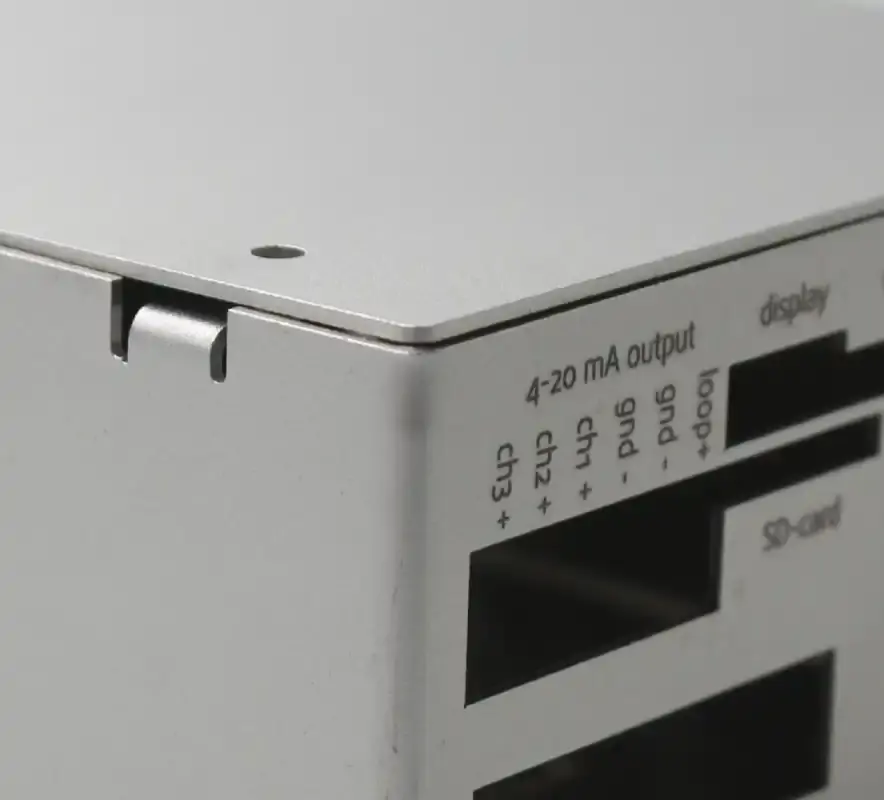
In industrial automation and electrical control systems, we often use DIN rails, which are metal rails inside a din rail box, for mounting circuit breakers, relays, PLCs, power modules or other types of electrical components. Although DIN rails are relatively simple in design, they are very important for the operation, installation and maintenance of electrical equipment. Therefore, din rail box is a key component to ensure the safe and stable operation of electrical components, which not only fixes some important electrical components together, but also provides multiple functions such as containment and protection. In this article, we will discuss the basics of din rail box, introduce its main types, and analyze the small details to be paid attention to when selecting and installing it, which will help you to know and understand din rail box comprehensively! What is a din rail box A din rail box, also known as a DIN rail mounting box or electrical mounting box, is a

DIN Rail Box:Basics and Different Types Read More »

sheet metal laser cutting services

sheet metal laser cutting: Process, Types, and Benefits

The processing quality and efficiency of sheet metal cutting directly affects the performance and market competitiveness of end products. In aerospace, medical devices, automotive manufacturing, consumer electronics and other industries, Traditional sheet metal cutting relies on mechanical shearing, stamping and other methods, which not only has the problem of low machining accuracy, but also is difficult to adapt to the complex shape of structural parts. Sheet Metal Laser Cutting has become one of the most popular core technologies in the sheet metal processing and manufacturing field due to its precise and efficient features. In this article, we will analyze the sheet metal laser cutting process in detail, starting with its basic definition, then introducing the types of lasers used for sheet metal cutting, and finally analyzing its advantages and characteristics and listing common application scenarios to help you understand more about this technology. What is sheet metal laser cutting? Sheet metal laser cutting process is a kind of modern processing

sheet metal laser cutting: Process, Types, and Benefits Read More »

supro mfg's material warehouse 5052 aluminum alloy

A Comprehensive Guide to Aluminum 5052 Alloy

Aluminum is an indispensable material for various industries because of its light weight, high strength and corrosion resistance. With its excellent corrosion resistance, outstanding fatigue strength and excellent machinability, aluminum 5052 is widely used in the fields of shipbuilding, automobile manufacturing, electronic equipment and construction engineering. The article will systematically analyze the core definition, performance advantages, processing and manufacturing technology of aluminum 5052 and list its common applications, and at the same time will compare aluminum 5052 with aluminum 6061, which will help you make scientific decisions in material selection and aluminum fabrication technology. What is Aluminum 5052? Aluminum 5052 is an Al-Mg alloy, with magnesium as the main alloying element (content of 2.2%-2.8%), silicon, copper and other elements are less than 0.4% of the density of the material is 2.72g/cm³, medium strength, corrosion resistance, weldability and cold working properties. Its thermoforming temperature range of 420-475 ° C, cold stamping performance changes with the state, the annealed state is the

A Comprehensive Guide to Aluminum 5052 Alloy Read More »

aluminum sheet metal bending metal corner bracket parts

How to custom aluminum sheet fabrication

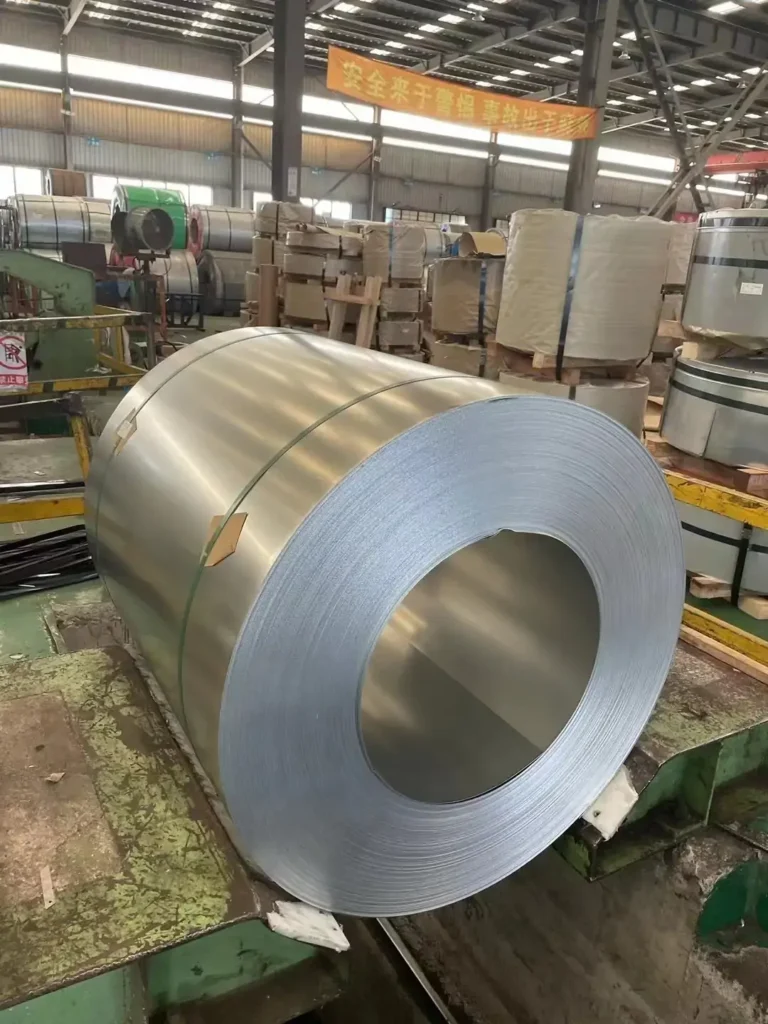
Aluminum sheet fabrication services has become the ideal choice for many sheet metal fabrication projects due to its lightweight, corrosion-resistant, and easy-to-process characteristics. However, standard aluminum sheet is often difficult to meet the needs of unique projects, and custom aluminum sheet fabrication has become a key solution at this time. Custom aluminum sheet fabrication is a key solution. It allows the material to accurately match the size and functional requirements of the project, which not only optimizes the structural stability of the product and enhances the product’s use, but also reduces subsequent processing losses and lowers costs. In modern engineering construction, industrial manufacturing and various product development projects, material suitability directly affects the quality, efficiency and final results of the project. In this article, we will analyze how to custom aluminum sheet fabrication in detail, from the design process, aluminum material selection, machining process to surface treatment, our engineers will share with you their rich experience in aluminum sheet metal

How to custom aluminum sheet fabrication Read More »

Custom metal welded staircases

You Need to Know About Aluminum Tube fabrication

In the modern industrial system, aluminum has become a key rawmaterial in aerospace, industrial construction, automobile manufacturing, electronic equipment and other fields by virtue of its light weight, corrosion resistance and excellent thermal conductivity, however, this raw material must be uniquely and professionally processed in order to become the functional products you need. Next, the article will focus on the analysis of aluminum tube fabrication, firstly to clarify its basic definition, then analyze the commonly used processes and types of aluminum alloys in the production process, and finally list the main application scenarios of aluminum tubes, to help you quickly understand the relevant knowledge of aluminum tube fabrication. What is aluminum tube fabrication? Aluminum tube fabrication is an operational process whereby the shape and formation of the original aluminum tube is altered to create specific functional components or end products for different applications. This process enables industries such as automotive manufacturing, aerospace, and industrial construction to obtain lightweight yet structurally

You Need to Know About Aluminum Tube fabrication Read More »

custom aluminum alloy enclosures parts

Non-metal vs. metal enclosure: which enclosure is best suited for your application?

In the design and installation of electrical systems and equipment, the enclosure plays a vital role, it is not only the protective barrier of the internal components of the equipment, can resist the physical impact, dust, water vapor and other external environmental factors, and is directly related to the safety of the equipment performance and operational stability. Metal enclosure and non-metal enclosure is the mainstream of the market two types of electrical enclosure, both in the protection ability, electromagnetic shielding, weight, cost and applicable environment, there is no absolute advantages and disadvantages, the focus is on whether to match your equipment application scenarios. The article will analyze the advantages and disadvantages of the metal enclosure and non-metallic enclosure, and through the comparison to help you clarify the decision-making ideas, so that your project selected the most suitable “guardian shell” to ensure that the electrical equipment in the complex working conditions can be stable, reliable and efficient operation. What is electrical equipment enclosure Electrical equipment

Non-metal vs. metal enclosure: which enclosure is best suited for your application? Read More »

stainless steel enclosure parts

NEMA Enclosure Types: Complete Guide

In industrial automation, power systems, and infrastructure, NEMA enclosure are critical structures that ensure the safe and stable operation of electrical equipment. If you’ve worked with NEMA electrical enclosures, then you’ve probably come across the term NEMA rating. But what exactly does it mean? The truth is that whether you need to install an industrial control panel or protect outdoor electrical equipment, choosing the right NEMA enclosure types can ensure the safe operation and extended life of your equipment. In this article, we’ll go over what NEMA enclosures are, why their ratings matter, the difference between a NEMA rating and an IP rating, and how to choose the right NEMA enclosure types! What is NEMA enclosure NEMA enclosures are protective structures used to protect electrical and electronic equipment from environmental hazards such as dust, moisture, corrosion, and impact. They meet the standards for industrial equipment enclosure protection set by the National Electrical Manufacturers Association (NEMA) to ensure the safety and

NEMA Enclosure Types: Complete Guide Read More »

custom metal enclosure manufacturer

What about weatherproof  NEMA 4X enclosure?

In the field of industrial equipment protection and outdoor electrical facilities safety, NEMA 4X enclosure with excellent protection performance, become an important choice to deal with harsh environments, NEMA 4X enclosure as a product in line with the specific protection standards, not only has the basic function of weatherproof, but also in the corrosion resistance and other aspects have outstanding performance. In practice, we choose the right NEMA 4X enclosure need to synthesize a variety of factors, improper selection may affect the protective effect of the equipment. The next article will be from the definition of NEMA 4X enclosure, the main features, practical applications and other aspects of the analysis, for your comprehensive understanding of NEMA 4X enclosure to provide reference. NEMA 4X enclosure definition NEMA 4X enclosure is a standardized equipment enclosure developed by NEMA, is a standardized solution for “protection of equipment in harsh environments”, its core value is to take into account the waterproof, dustproof and corrosion-resistant,

What about weatherproof  NEMA 4X enclosure? Read More »

custom aluminum NEMA enclosure housing manufacturing services

How to custom NEMA enclosures for your equipment?

In the industrial, electronic and other fields, equipment is often faced with dust, water vapor, impact and other complex environmental threats, NEMA enclosure as a key component of equipment protection, its adaptability is directly related to the stability and service life of the equipment. Standard NEMA enclosure can meet the basic protection of equipment, but it is difficult to fit the unique parameters of different equipment and scene requirements, so custom NEMA enclosure is very important. Article around the equipment custom NEMA enclosure to start, the first analysis of the core benefits of custom NEMA enclosure, and then step by step to dismantle the custom NEMA enclosure process, from a clear definition of the equipment needs and NEMA level of protection, to the custom NEMA enclosure structural design, material selection, and then to determine the production process and subsequent testing and certification. At the same time, the article will also share practical strategies to reduce the cost of custom NEMA

How to custom NEMA enclosures for your equipment? Read More »

Choose the Best aluminium enclosure for Your Application

In the field of electronic equipment, industrial control, instrumentation, etc., aluminium enclosure is a key component to protect the precision components inside the equipment and ensure the stable operation of the equipment, and it is very important to choose the appropriate aluminum electrical enclosure to enhance the safety of the equipment and prolong its service life. This article will take you to a comprehensive understanding of aluminum enclosure, from its basic definition, and gradually analyze its advantages and disadvantages, applicable scenarios and selection of the details that need to be noted, and its multi-dimensional comparison with stainless steel enclosure, to make clear the main differences between the two, to help in your selection of custom aluminum enclosure when you and make a scientific and wise solution when you select the custom aluminum enclosure. What is an aluminum enclosure? aluminium enclosure is a kind of protective enclosure made of aluminum or aluminum alloy, which is widely used to protect all kinds

Choose the Best aluminium enclosure for Your Application Read More »

A Guide to EMI/RFI Shielding in custom metal fabrication

A Guide to EMI/RFI Shielding in custom metal fabrication

With the development of electronic equipment to high-precision, highly integrated, EMI and RFI shielding for many electronic equipment and electronic components to provide an important electromagnetic and radio frequency interference protection. Especially important in communication, medical, aerospace and other fields, without proper shielding, electronic devices may malfunction, degrade performance, or even fail completely. The article will detail how to achieve excellent EMI/RFI shielding in custom metal fabrication. First, it will clarify the definition of EMI shielding and RFI shielding, and then it will discuss the right choice of metal materials and the key factors to consider, which will help you choose the right metal shielding materials. Finally, a detailed look at the custom metal fabrication process and why you can trust Supro for your custom metal fabrication needs. What is EMI/RFI Shielding? EMI/RFI shielding is a technical means of preventing or weakening EMI (Electromagnetic Interference) and RFI (Radio Frequency Interference) by means of a physical barrier or material technology. Its

A Guide to EMI/RFI Shielding in custom metal fabrication Read More »

aluminum cnc machining metal prototype connection parts

metal prototype fabrication: How to Choose a Material and Technology

In the field of product development and innovation in the automotive, aerospace, medical device and other industries, metal prototype fabrication is the key to connecting the design concept with actual production, and the quality of the metal prototype will directly affect the performance and structure of the product. The quality of metal prototypes will directly affect the performance and structure of the product. Metal raw materials are processed into prototypes with specific structures and functions through specific machining processes, which provide an important basis for subsequent product optimization and mass production. The article will start from the basic definition of metal prototype fabrication, and analyze in detail how to choose the right metal material and its three mainstream processes. This article is designed to help you understand metal prototype fabrication and make scientific decisions. Supro offers high-quality custom metal prototyping for a wide range of applications. Choosing Supro for your metal prototype fabrication needs ensures fast production of high-quality, high-precision

metal prototype fabrication: How to Choose a Material and Technology Read More »

Custom galvanized steel fabrication Outdoor Metal Enclosures Guide

Customized Outdoor Metal Enclosures Guide

In the field of industrial equipment, communication facilities, security monitoring, etc., outdoor metal enclosure is a key protective barrier to protect the internal components of the equipment from dust, rain, corrosion, physical impact and other outdoor complex environment, and its selection directly affects the stability and service life of the equipment. The article will focus on outdoor metal enclosure step by step, first of all, clear its basic definition, clarify the core application scenarios; and then in-depth analysis of its advantages; followed by the importance of customizing the outdoor metal enclosure and the importance of the details that need to be paid attention to when purchasing, to help you comprehensively understand the metal outdoor electrical enclosures, and help you make scientific and clear purchasing decisions.  If you are looking for high quality outdoor metal enclosures, Supro can also help you. What is an outdoor metal enclosure? outdoor metal enclosure is a metal enclosure designed for harsh outdoor environments, its main

Customized Outdoor Metal Enclosures Guide Read More »

High quality sheet metal bending parts

Modular enclosures vs custom metal enclosures : How to Choose?

In the field of electronic equipment, industrial instruments, communication terminals, etc., metal enclosure is not only the core barrier of physical protection of the equipment, but also directly related to the adaptability of the equipment, production efficiency and cost control, and whether its selection is reasonable or not is crucial to the optimization of the project program. In the current market, custom metal enclosure and modular metal enclosure is very popular, but the two in the design logic, applicable scenarios and cost-effective differences are obvious, many project decision makers in the “on-demand customization” and “standardized module combinations” face difficulties in selecting the type between the In this article. The article will deeply analyze the core definition of custom metal enclosure and modular metal enclosure, and analyze the main differences between them through multi-dimensional comparison, aiming to provide you with a systematic decision-making guide to provide clear guidance for the selection of metal enclosure under different demand scenarios, and to help

Modular enclosures vs custom metal enclosures : How to Choose? Read More »

custom aluminum 7075-T651 housing parts

Main differences : stainless steel enclosure and aluminum enclosure

Main differences In the field of electronic equipment, industrial equipment and outdoor facilities, the choice of enclosure material directly affects the performance, service life and cost of the equipment. aluminum enclosure and Stainless steel enclosure are two common types of enclosures, which often become the focus of decision-making due to the differences in characteristics. The article will discuss in-depth aluminum enclosure and Stainless steel enclosure in the strength and weight, impact resistance, corrosion resistance and thermal performance of the core differences, and objective comparative analysis, aims to provide you with a comprehensive enclosure selection guide, to help you according to specific application scenarios, to make the most economic and scientific choice. The purpose is to provide you with a comprehensive enclosure selection guide to help you make the most economical and scientific choice according to specific application scenarios. Strength versus weight In terms of the trade-off between strength and weight, aluminum enclosures and Stainless steel enclosures show a sharp difference,

Main differences : stainless steel enclosure and aluminum enclosure Read More »

outdoor explosion proof motor enclosure

Dust proof IP Rating: Explanation Guide for Dust proof Enclosures

In industrial production, outdoor work and electronic equipment application scenarios, dust attack is a threat to the stable operation of the equipment is an important hidden danger, excessive accumulation of dust can easily lead to equipment circuit short-circuiting, mechanical parts stagnation, significantly shorten the service life of the equipment, and even cause safety accidents. As an international standard of protection for equipment, the IP level of dust protection is the core basis for measuring the dust protection capability of electrical enclosure, and its standardized grading system has become the key to ensure the stable operation of electrical equipment in complex dusty environments. The article will focus on Dust proof enclosure to start a systematic analysis, from the core definition of dust proof IP grade into the dismantling of the IP grade numerical meaning; at the same time, in-depth analysis of the characteristics of Dust proof enclosure, and to provide a scientific IP grade enclosure selection method as well as practical

Dust proof IP Rating: Explanation Guide for Dust proof Enclosures Read More »

custom metal fabrication process

How to Prevent  corrosion of  fabricated metal products

Fabricated metal products are the cornerstone of modern industry and people’s daily life, from structural steel fabrication in public buildings to sophisticated daily tools, they are everywhere. However, custom fabricated metal products are susceptible to corrosion due to environmental factors, which often leads to performance deterioration, shortened service life, and even safety hazards and economic losses, so corrosion prevention has become a key aspect of protecting custom metal works. The article will systematically discuss the causes of corrosion of fabricated metal products, identify common types of corrosion, and introduce seven practical and efficient anti-corrosion methods in detail, aiming to provide you with a comprehensive guide to the protection of sheet metal products to help you maximize the service life of the products and protect their value and safety. What causes fabricated metal products to corrode? The nature of corrosion of fabricated metal products is the process of electrochemical corrosion reaction between the metal and the environment, which is a redox

How to Prevent  corrosion of  fabricated metal products Read More »

custom metal enclosures services

Custom stainless steel enclosures guide : Advantages and disadvantages.

electrical stainless steel  enclosures In the field of industrial equipment, household appliances, medical instruments, etc., stainless steel electrical enclosures have become an important part to ensure the stable operation of the internal components of electrical equipment because of both protection and practicality. stainless steel enclosures have outstanding advantages such as corrosion resistance, high strength, easy to clean, etc., and can adapt to complex and harsh environments.  The stainless steel enclosure has outstanding advantages such as corrosion resistance, high strength, easy to clean, and can adapt to complex and harsh environments, but there are limitations such as high cost and high weight, so we need to combine the actual needs of the correct selection.  The article starts from the basic definition of stainless steel enclosure, systematically introduces its main types, advantages and limitations, and deeply discusses the applicable scenarios and selection suggestions to help you make a wise choice on custom stainless steel enclosures. Rapid Prototype Turnaround Committed to exceeding expectations

Custom stainless steel enclosures guide : Advantages and disadvantages. Read More »

Scroll to Top