
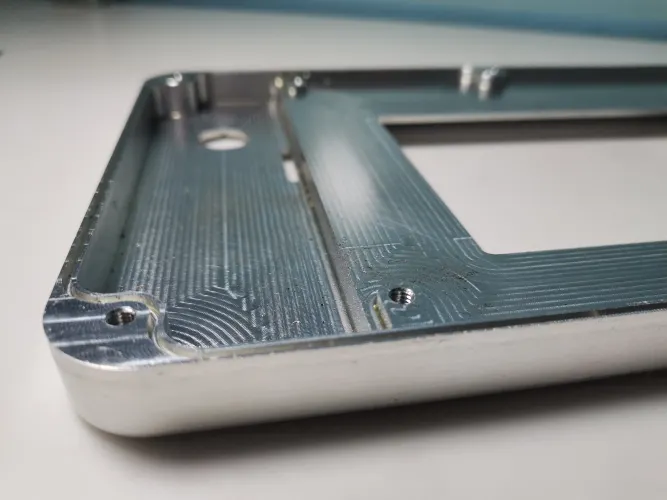
Fabricated metal products are the cornerstone of modern industry and people’s daily life, from structural steel fabrication in public buildings to sophisticated daily tools, they are everywhere. However, custom fabricated metal products are susceptible to corrosion due to environmental factors, which often leads to performance deterioration, shortened service life, and even safety hazards and economic losses, so corrosion prevention has become a key aspect of protecting custom metal works.
The article will systematically discuss the causes of corrosion of fabricated metal products, identify common types of corrosion, and introduce seven practical and efficient anti-corrosion methods in detail, aiming to provide you with a comprehensive guide to the protection of sheet metal products to help you maximize the service life of the products and protect their value and safety.
What causes fabricated metal products to corrode?
The nature of corrosion of fabricated metal products is the process of electrochemical corrosion reaction between the metal and the environment, which is a redox reaction between the metal and the substances in the environment. The main reasons that cause this process to occur are as follows:
Moisture and Oxygen:
This is the most common reason for rusting of iron containing fabricated metal products. When a metal surface is exposed to moist air, water molecules adsorb and form a film of water. This water film dissolves the oxygen in the air and provides the electrolyte solution necessary for galvanic corrosion.
Electrolyte:
the conductivity of water itself is not strong, but when other substances are dissolved in it (such as salt, acidic substances, alkaline substances, etc.), it will destroy the oxide film on the surface of custom metal works, and at the same time, enhance the conductivity of the water film, so as to accelerate the rate of electrochemical corrosion.
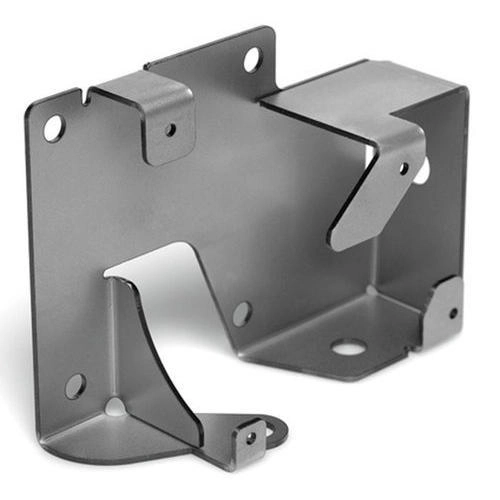
The chemical properties and composition of the metal itself:
not all fabricated metal products are susceptible to corrosion. For example, aluminium fabrication products and custom stainless steel fabrication products will form a dense layer of oxidized film on the surface, preventing further corrosion inside. In contrast, the corrosion products of iron and ordinary carbon steel are very loose and porous, and instead of protecting the interior, they attract more moisture and oxygen, causing the corrosion to continue to progress inward.
Physical damage and surface defects :
Scratches, cuts or crevices on the surface of custom metal works can damage its protective layer, exposing the metal inside to the environment and becoming the starting point for corrosion. These areas also tend to accumulate moisture and contaminants, creating crevice corrosion.
Galvanic Corrosion:
When two dissimilar metals come into direct contact in the presence of an electrolyte, a primary cell is formed.
Chemically more active metal (such as zinc, aluminum) will become the anode and be accelerated corrosion, while the chemical nature of the more inactive metal (such as copper, stainless steel) will become the cathode is protected.
For example, if fabricated metal products made of iron are connected to fabricated metal products made of copper in a humid environment, the iron will rust faster.

Common Types of Corrosion in Metal Products
The corrosion of fabricated metal products is mainly divided into two categories: localized corrosion and total corrosion, which often occurs with tensile stress and corrosive media.
Localized corrosion is manifested as a specific area of failure, including stress corrosion cracking (cracks perpendicular to the stress), pitting corrosion (surface damage to a small area), intergranular corrosion (diffusion along the grain boundaries), as well as crevice corrosion; comprehensive corrosion for the material as a whole, uniform loss, occurring in a strong acidic and alkaline environment.
The difference between the two is reflected in the scope of damage and the difficulty of prediction, localized corrosion is more hidden.
Localized corrosion
Stress corrosion cracking (SCC): metal in the tensile stress (such as equipment operation load, processing residual stress, welding stress) and specific corrosive media together, sudden cracking. Cracks are mostly through the crystal or along the crystal form, usually no obvious warning, the harm is very great (such as pressure vessels, bridges, steel cables of the sudden fracture).
Point corrosion: fabricated metal products surface appears tiny diameter, depth of small holes, corrosion products inside the hole accumulation, the external only see small points. Its very hidden and destructive, difficult to find in time, easy to lead to metal fab products perforation, triggering sudden accidents. custom stainless steel fabrication tanks for long-term storage of chlorine-containing tap water, the seaside environment in the aluminum custom fabrication doors and windows, are prone to pitting corrosion.
Point corrosion: fabricated metal products surface appears tiny diameter, depth of small holes, corrosion products inside the hole accumulation, the external only see small points. Its very hidden and destructive, difficult to find in time, easy to lead to metal fab products perforation, triggering sudden accidents. custom stainless steel fabrication tanks for long-term storage of chlorine-containing tap water, the seaside environment in the aluminum custom fabrication doors and windows, are prone to pitting corrosion.
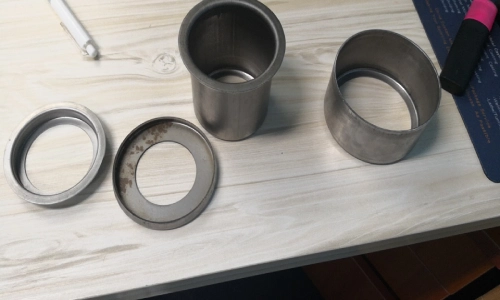
Intergranular corrosion: corrosion along the grain boundaries of the metal or its nearby areas, while the grain body corrosion is very slight. It is difficult to find from the surface, but will seriously damage the bond between the grains, so fabricated metal products mechanical strength decline, or even cause sudden fracture.
Crevice corrosion: occurs in the metal and metal, metal and non-metallic crevice (such as flange connection surface, bolt and parts of the gap, sealing ring and metal contact), crevice corrosion faster than the external, often accompanied by black or white corrosion product accumulation. Its main cause is the gap inside and outside the oxygen concentration difference or solution composition difference formed a “concentration difference battery”, resulting in metal fab products gap inside the anode and suffered serious corrosion. Crevice corrosion mainly occurs in the sheet metal products, bolted joints, riveted joints, gaskets underneath and so on.
Uniform Corrosion
Uniform Corrosion is fabricated metal products corrosion in the most intuitive, one of the most common types, the core features of the metal surface as a whole uniform corrosion reaction occurs, manifested as fabricated metal products as a whole thickness of uniform thinning, the gradual loss of surface luster, and ultimately the formation of a continuous layer of corrosion products (such as rust, oxide film, etc.).
A continuous layer of corrosion products (e.g., rust, oxide film, etc.) is formed. custom stainless steel fabrication products may experience total corrosion in strong acids and bases. The hazards of total corrosion are usually controllable and can be predicted by a simple immersion test, and total corrosion does not damage fabricated metal products in a hidden way, but rather through changes in the surface appearance (e.g., rust, loss of luster) intuitively suggests that corrosion is occurring, making it easy to intervene in a timely manner and to maintain them.
Typical scenarios include: the overall rusting of ordinary carbon steel outdoor railings, the uniform thinning of pure copper pipes in weakly acidic water, and the formation of an overall oxidized skin on steel works fabrication in a high-temperature furnace reacting with oxygen.
online custom metal fabrication parts
Only 4 steps
Contact our experts team and experience the efficiency and economic benefits of digital metal fabrication services.
Upload Design Files
STL , STEP (.stp), IGES (.igs), (.ZIP), or PDF.
Also be a sample or an idea
Quote & Design Analysis
Instant factory quotes and DfM reports, the most reasonable solution.
Manufacturing Begins
Digital processes can initiate order tasks within 24 hours.
On-Time Delivery
Keeping delivery promises, approved by 3000+ Global Company buyers.
7 ways to prevent corrosion of fabricated metal products
What is anti-corrosion of fabricated metal products?
Anti-corrosion is to protect fabricated metal products which are easy to rust and corrode by various means to achieve the purpose of prolonging their service life, and usually adopts the methods of chemical corrosion prevention, physical corrosion prevention and electrochemical corrosion prevention.
Selection of suitable raw materials for custom metal works
This is one of the most common and effective methods to prevent and control the corrosion of fabricated metal products. When choosing raw materials we need to do:
- Understand the environmental factors and corrosion factors, including the type, concentration, temperature, pressure, flow state of corrosive media, impurity types and quantities, oxygen content, as well as the presence or absence of solid suspended solids and microorganisms.
- Simulation tests are conducted according to actual conditions to understand the corrosion resistance of different metal materials and their process characteristics.
- Comprehensively consider the corrosion resistance and economy of custom metal works materials.
- Consider suitable corrosion prevention measures.
Metal plating
By plating the surface of fabricated metal products with a layer of more corrosion-resistant metal, it provides both barrier protection and cathodic protection. Its common processes are:
Hot dip galvanizing: metal fab products are immersed in molten zinc solution to form a zinc layer with a thickness of 50-100 μm. Zinc reacts preferentially with corrosive media (sacrificial anode), which is suitable for STEEL WORKS FABRICATION, bolts, guardrails, etc., with an outdoor service life of up to 10-20 years;
Metal plating is mainly applied to fabricated metal products that need long-term weathering or exposure to corrosive environments.
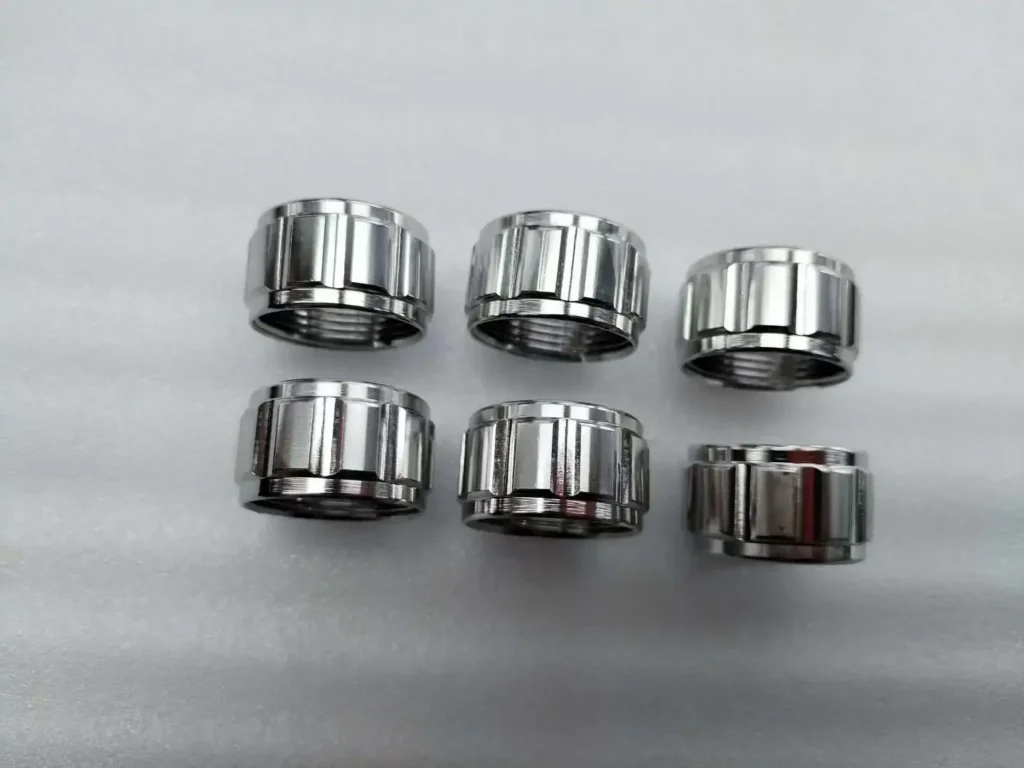
- Electroplating chrome/nickel: chromium or nickel is deposited on the surface of custom metal works through electrolysis to form a hardness, wear-resistant passivation film (non-conductive, blocking electrochemical corrosion), suitable for hardware fittings (faucets, door knobs), mechanical precision sheet metal fabrication.
- Galvanized aluminum-magnesium alloy: compared with traditional galvanization, its corrosion resistance is 3-5 times higher, suitable for coastal high salt spray environment sheet metal products (containers, terminal equipment).
Non-metallic protective coating
This is the most common and cost-effective method of corrosion prevention. An inert barrier is applied to the surface of custom metal works to isolate the metal from the corrosive environment. Common processes are:
paints: provide rich colors and good protection. Includes primer (often containing corrosion inhibitors such as zinc phosphate), intermediate paint and topcoat (good weathering resistance).
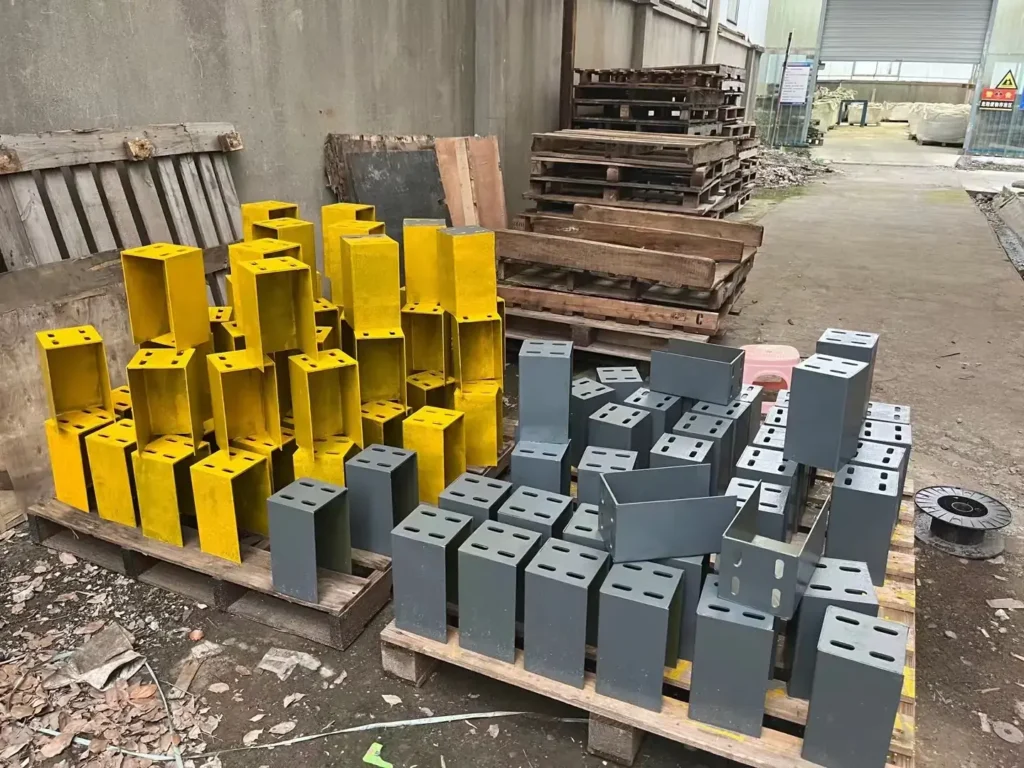
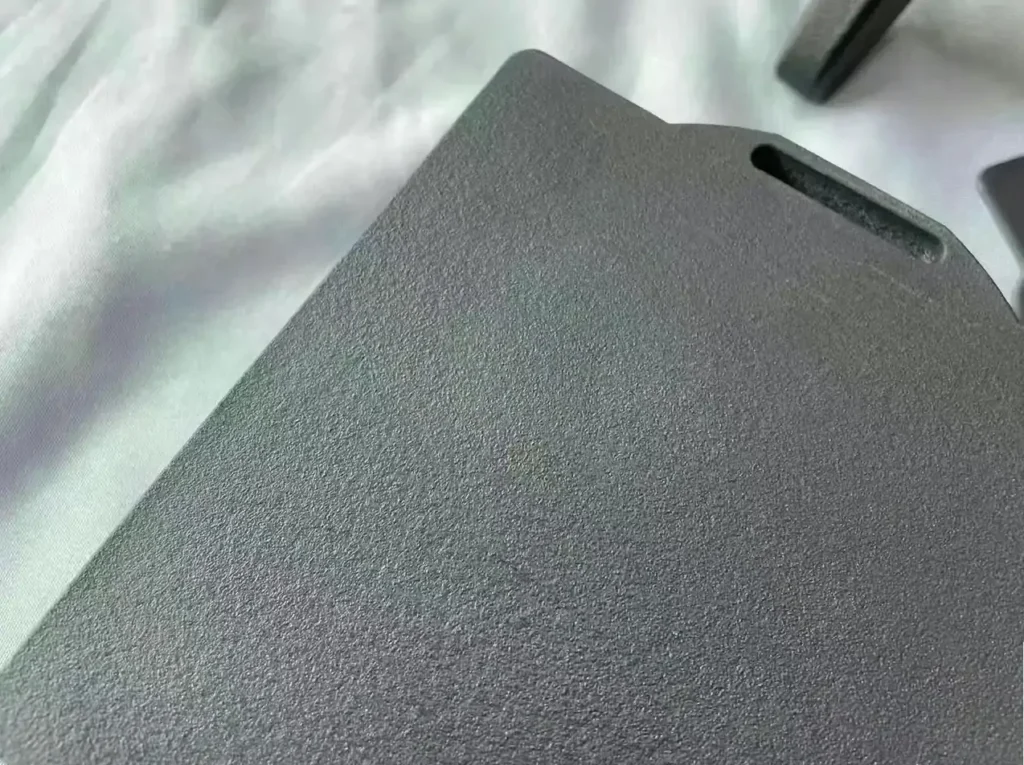
Powder Coating: Dry plastic powder is electrostatically sprayed onto the surface of fabricated metal products, then cured at high temperature to form a hard film that is strong, durable, and aesthetically pleasing. Widely used in home appliances, furniture and outdoor facilities.
It is suitable for most fabricated metal products, especially outdoor exposed components (such as guardrails, street lamp posts, etc.), ordinary carbon steel products.
Electrochemical protection
According to the electrochemical principle to control the corrosion of fabricated metal products in the electrolyte solution, including cathodic protection and anodic protection.
Electrochemical protection is mainly used for submerged or buried structures (such as ship hulls, underground pipelines, storage tanks), through electrochemical methods to force the protection of custom metal works.
- Cathodic protection has two methods: sacrificial anode and applied current. Sacrificial anode method is to connect a piece of metal (such as zinc, magnesium, aluminum alloy block) with higher activity than the protected metal to be corroded preferentially as an anode, so as to protect the fabricated metal products as a cathode. applied current method is to use an external direct current power supply to apply a negative current to the protected fabricated metal products, so as to make the whole become a cathode and be protected. The whole product becomes cathode and is protected.
- anodic protection is to connect the protected custom metal works to the positive pole of the DC power supply, anodic polarization through the current, the electrode potential to move in the positive direction, increased to a certain value, the metal will be passivated, thus greatly reducing the corrosion rate.


Medium treatment
By changing the nature of the corrosive medium, in order to prevent or reduce the corrosion of the medium on the custom metal works. This method can only be used in the corrosive medium under the condition of limited volume. It can be divided into two categories:
Remove or reduce the harmful components of the medium. Common methods include, dehumidification, dust control, elimination of water vapor, sulfur dioxide, dust and other harmful components contained in the air; deoxygenation, which is the main technology of boiler water treatment, can effectively control water corrosion of the boiler system.
Add corrosion inhibitors. Add a small amount of corrosion medium can significantly reduce the corrosion rate of the substance. Corrosion inhibitors inhibit anodic or cathodic reactions by forming an adsorption or precipitation film on the surface of fabricated metal products. Corrosion inhibitors are divided into two categories: inorganic and organic. Inorganic corrosion inhibitors are nitrates, nitrites, phosphates, silicates, carbonates and so on. Organic corrosion inhibitors are amines, aldehydes, heterocyclic compounds, imidazolines and organic sulfides.
It is mainly used in automobile coolant, industrial circulating water system, metal fab products storage links (such as hardware warehouse, spare parts warehouse), indoor confined space (such as electronic equipment chassis metal parts), there are specific media storage needs of containers and so on.
Corrosion prevention design
Starting from the design stage of fabricated metal products, reduce the structure that is easy to cause local corrosion (such as gaps, sharp corners, waterlogged areas), and change the geometry of the equipment components, the use of reasonable materials and assembly processes, etc., can reduce or prevent corrosion. Specific methods are:
Avoid gaps: avoid gaskets and metal surfaces to form gaps (anti-gap corrosion); use welding instead of riveting, or use sealant to fill the gaps.
Optimize drainage: outdoor metal structures (e.g., awnings, equipment platforms) are designed with a drainage slope of 1-3° to avoid water accumulation on the surface; drainage holes are opened at the bottom of metal containers to prevent liquid residue.
Prevent galvanic corrosion: Avoid direct contact between two metals with large potential difference (e.g. steel and copper). If connection is required, use insulating gaskets or bushings for isolation.
This method is mainly applicable to custom metal fabrication and design stage, especially for complex sheet metal parts and precision sheet metal components which are prone to localized corrosion.
Regular Maintenance
Establishing a regular maintenance program can effectively prevent corrosion and extend the service life of fabricated metal products.
Cleaning: Regularly remove salt, dust, dirt and mold from the surface of sheet metal products, which will absorb moisture and form corrosion cells.
Inspection and Repair: Regularly inspect the coating of fabricated metal products for scratches, blistering, flaking and other damages, and make local repairs in time to prevent corrosion from spreading from the point of breakage.
Re-coating: carry out re-coating work before the coating reaches the service life.
Frequently asked questions about corrosion protection for fabricated metal products
Which corrosion protection method is the best?
There is no universal method, the corrosion protection method depends on the application, environment and performance requirements. For example, outdoor custom steel fabs are usually "hot dip galvanized + sprayed"; precision sheet metal components may be nickel or chromium plated.
Which is more rust-resistant, galvanized steel or ordinary painted steel?
Galvanized steel (especially hot-dip galvanized) generally provides longer lasting and more comprehensive protection. It provides dual protection, firstly the zinc coating covers the steel and provides barrier protection, and secondly it provides cathodic protection, where even if the coating breaks down, the zinc protects the steel by acting as an anode that is preferentially corroded. In contrast, ordinary common painted steel only provides barrier protection, once broken, the steel will immediately begin to corrode.
Is the cost of rust prevention very high?
In the short term, rust prevention treatments increase the initial cost. However, in terms of full life-cycle costs, effective rust prevention treatments can significantly reduce long-term maintenance and replacement costs.
Why choose Supro as your fabricated metal products supplier?
Supro is a custom metal parts fabricator with more than 20 years of experience in custom fabricated metal products. By choosing Supro, we help you prevent corrosion on your fabricated metal products from the very beginning:
- has a selection of corrosion resistant materials such as aluminum, copper, brass, stainless steel, galvanized steel and more.
- offers parts with powder coated, plated, anodized and other protective finishes.
- takes into account the strength and corrosion resistance of fabricated metal products.
- provides real-time online technical team consultation and guidance,
whether we work together or not, you will quickly and accurately get professional solutions.
Contact us now to start a rust-free, customized fabricated metal products efficient cooperation!