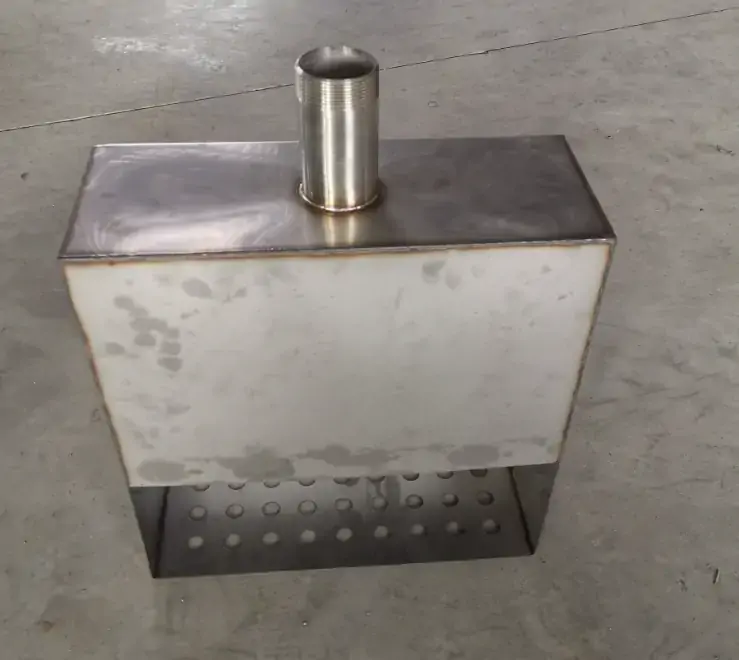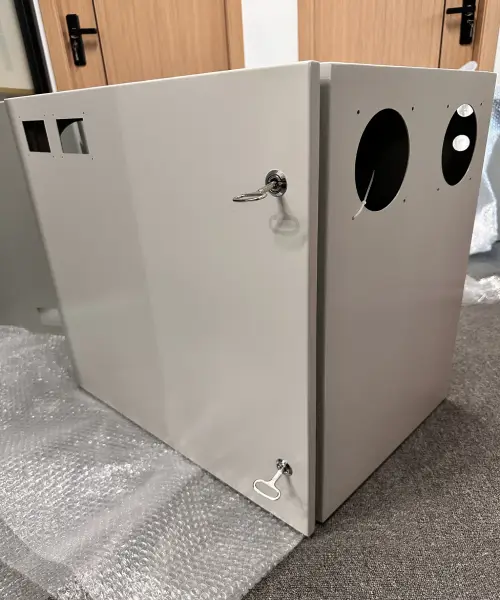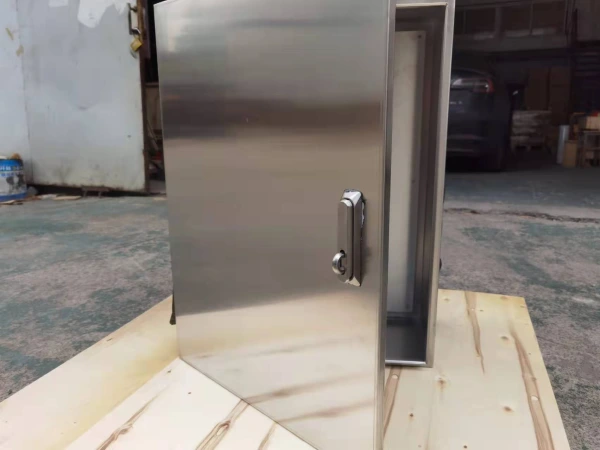
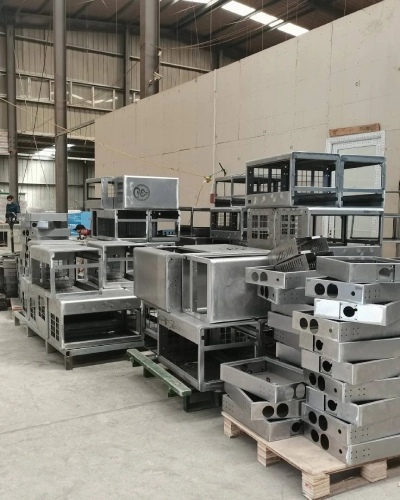
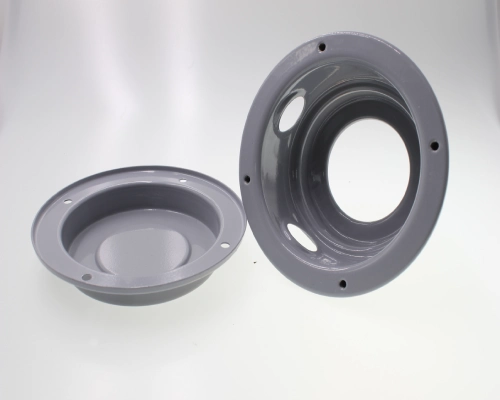
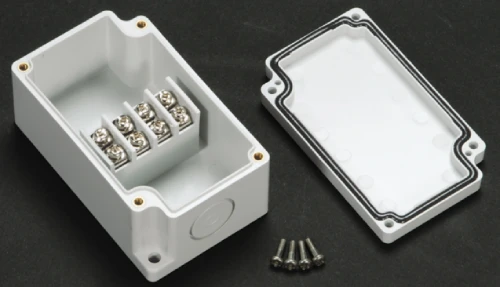
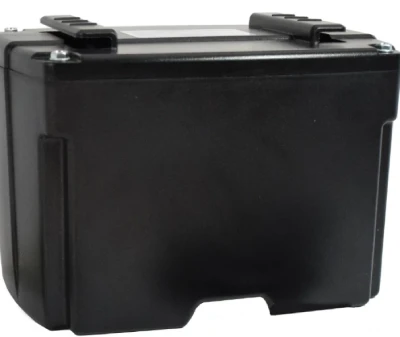
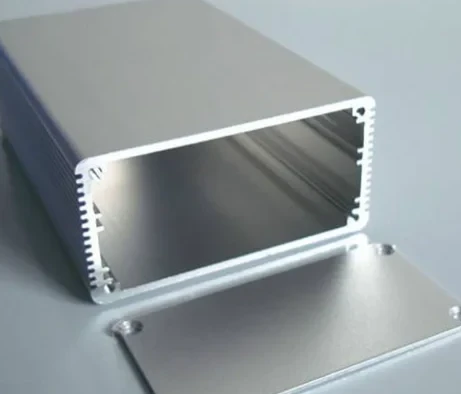
electrical stainless steel enclosures In the field of industrial equipment, household appliances, medical instruments, etc., stainless steel electrical enclosures have become an important part to ensure the stable operation of the internal components of electrical equipment because of both protection and practicality. stainless steel enclosures have outstanding advantages such as corrosion resistance, high strength, easy to clean, etc., and can adapt to complex and harsh environments.
The stainless steel enclosure has outstanding advantages such as corrosion resistance, high strength, easy to clean, and can adapt to complex and harsh environments, but there are limitations such as high cost and high weight, so we need to combine the actual needs of the correct selection.
The article starts from the basic definition of stainless steel enclosure, systematically introduces its main types, advantages and limitations, and deeply discusses the applicable scenarios and selection suggestions to help you make a wise choice on custom stainless steel enclosures.
Rapid Prototype Turnaround
Committed to exceeding expectations for quality and rapid turnaround, and meeting high-quality sheet metal parts.
On-Demand Sheet Metal
Whether it is rapid prototyping & large-volume manufacturing, we will implement it according to customer needs and standards.
Real Fabricators Price
Integrate product design, bending, stamping, cutting, surface treatment, etc. to provide a series of manufacturing solutions.
What is stainless steel enclosure?
stainless steel enclosure refers to stainless steel alloy as the core raw material, by stamping, cutting, welding, polishing and other industrial processes molding, for electrical equipment to provide corrosion resistance, physical impact, waterproof and dustproof enclosure structure. Its raw materials usually contain iron, chromium, some models also add nickel, molybdenum and other elements to optimize corrosion resistance; in the process of processing will be shaped according to the specific needs of the application of different forms, and through the surface treatment (such as brushed, mirror polishing) to enhance the durability and aesthetics.
Mainstream types of stainless steel enclosure
The types of stainless steel enclosure are very rich, generally can be classified from the chemical composition, microstructure and use of three aspects. According to the main alloying elements contained in the steel can be divided into Cr (chromium steel), CrMo (chromium-molybdenum steel), CrNi (chromium-nickel steel), CrNiMn (chromium-nickel-manganese steel or high-manganese steel), CrMnN (chromium-manganese-nitrogen steel), and so on; according to the microstructure can be divided into ferrite stainless steel, martensite stainless steel, austenitic stainless steel, austenite – ferrite duplex stainless steel and precipitation hardening stainless steel Five categories. Different stainless steel enclosure in the protection performance and application of the scene on the existence of large differences, 304 stainless steel enclosure and 316 stainless steel enclosure is our most common two types.
304 stainless steel enclosure
304 stainless steel is one of the most common and widely used austenitic stainless steel, the main component is 18-20% chromium and 8-10.5% nickel, high temperature resistance of 800 ℃, with good processing performance, high toughness, corrosion resistance. 304 stainless steel enclosure is a protective enclosure made of this specific material. enclosure, with its excellent corrosion resistance, good mechanical properties, excellent workmanship, hygienic and non-toxic, widely used in catering, medical, industrial equipment, electronic products, household goods and other fields.
316 stainless steel enclosure
316 stainless steel is also an austenitic stainless steel. Due to the addition of molybdenum in its composition, it has a corrosion resistance that far exceeds that of common stainless steels (e.g., 304), and is particularly resistant to chlorine ions. The core composition is 16%-18.5% chromium (Cr), 10%-14% nickel (Ni) and 2%-3% molybdenum (Mo), with a small amount of nitrogen (N) for strength. 316 stainless steel enclosures are protective enclosures made from this specific material and are widely used in industrial, medical and high end manufacturing applications. "High corrosion resistance is required.
Advantages of stainless steel enclosure
Stainless steel enclosure is a common protective structure in industrial, consumer electronics, household, medical and other fields. It is popular for its excellent corrosion resistance, mechanical strength, easy cleaning, temperature resistance and easy recycling:
stainless steel enclosures are highly corrosion resistant:
the chromium in stainless steel forms a dense passivation film that makes it resistant to corrosion from moisture, acid and alkali chemicals, and everyday stains.NEMA 4x stainless steel enclosures are commonly used in wet, outdoor applications where the elements are exposed to the elements, NEMA 4x stainless steel enclosures are commonly used in the medical and food industries where frequent cleaning and sanitizing is required, and they remain stable and resistant to rust and corrosion for a long period of time.
stainless steel enclosure with high mechanical strength:
stainless steel has high strength and hardness, which can provide solid protection for the internal precision components of the equipment and effectively resist external impact, abrasion and deformation, and is suitable for use in industrial equipment, outdoor products and scenarios that require high physical protection.
stainless steel enclosure is easy to clean and hygienic:
its surface is smooth and dense, no pores, not easy to breed bacteria and residual stains, and non-toxic, no odor, no release of harmful substances. It can be easily wiped clean with a damp cloth or detergent, and is widely used in medical equipment, kitchen appliances, and food processing equipment.
stainless steel enclosure has good temperature resistance:
it has good heat resistance and fire resistance, is not easy to be deformed under high temperature environment, does not release toxic gases, and also has good low temperature toughness.
stainless steel enclosure is recyclable and environmentally friendly:
stainless steel is 100% recyclable material, which is in line with modern green and sustainable design concepts.
stainless steel enclosure good texture:
stainless steel itself has a unique metallic luster and texture, through the brushed, polished, sandblasted and other surface treatment, you can present a simple, high-end, professional visual effect.
No design files? Let Supro MFG do it for you.
We often come across clients who have no professional design drawings and documentation, only a creative idea, which leads to the project being at a standstill.
If you are in this situation, then contact our team of experts.
Supro MFG, as an industry-leading custom metal fabricator, has an ever-experienced team of engineers who utilize their extensive fabrication experience and technical expertise to build your idea into a real product and create design files such as STEP/STP/SLDPRT/DXF/PDF/PRT/DWG/AI.
That’s what makes SUPRO MFG so great, and 2,000 corporate, entrepreneurial, artist, and other purchasers from around the world enjoy working with us and benefiting from our one-stop manufacturing services.
Limitations of stainless steel enclosures
Although stainless steel enclosures have many advantages, there are some limitations:
custom stainless steel enclosures material cost is higher:
compared with plastic, aluminum alloy and other common enclosure materials, stainless steel (especially 316) raw material price is more expensive. And stainless steel hardness, high wear and tear on cutting tools, molding and stamping requires more power and more complex processes, processing costs rise.
stainless steel enclosure weight is larger:
stainless steel material density, heavy weight, can not meet the demand for lightweight.
stainless steel enclosure poor thermal conductivity:
the thermal conductivity of stainless steel is much lower than aluminum alloy. For electronic products (such as computers) that generate a large amount of heat, it is not conducive to the rapid conduction of internal heat to the surface of the enclosure to radiate out.
stainless steel enclosures easy to leave marks on the surface:
stainless steel surface smooth, but easy to have fingerprints residue, especially mirror stainless steel, easy to leave fingerprints after touching, need to be frequently wiped; if you do not do the hardening treatment (such as PVD coating), daily friction (such as keys, hard objects collision) will leave scratches, and difficult to repair.
stainless steel electrical enclosures have limitations in electromagnetic shielding :
Austenitic stainless steels such as 304, 316, etc. are usually non-magnetic or weakly magnetic, but a small amount of magnetism can be generated after cold processing (e.g. stamping, bending). For sensitive electronic scenarios, such as precision sensors and high-frequency communication equipment, the slight magnetism of stainless steel electrical enclosures may interfere with internal magnetic fields or signals, resulting in a decrease in the precision of the equipment.
When to choose stainless steel enclosures
After a basic understanding of the definition, advantages and disadvantages of stainless steel electrical enclosures, under what circumstances should we choose them? In fact, this mainly depends on the use of specific scenarios and equipment protection needs:
- When the equipment is in harsh environments, such as highly corrosive environments and environments that require frequent cleaning and sanitizing, NEMA 4x stainless steel enclosures are the first choice.
- When there are high requirements for durability and reliability, such as control cabinet enclosures, sensor enclosures, robot enclosures, and safe enclosures in factories, the mechanical strength and aging resistance of stainless steel enclosures are significantly better than other metal enclosures.
- When the equipment is in direct contact with food, the human body or in a sterile environment, there are certain requirements for the health and safety of the equipment enclosure, custom stainless steel enclosures “zero release of hazardous substances” and “biocompatibility”. The “zero release of hazardous substances” and “biocompatibility” of custom stainless steel enclosures are the core selection criteria.
- When equipment is required to operate at temperatures beyond the range of conventional materials, the wide temperature adaptability of stainless steel enclosures is a perfect fit.
- When aesthetics and environmental friendliness are desired, the high-end texture and recyclability of custom stainless steel enclosures are a perfect fit.

online Stainless steel enclosure fabrication parts
Only 4 steps
Contact our experts team and experience the efficiency and economic benefits of digital metal fabrication services.
Upload Design Files
STL , STEP (.stp), IGES (.igs), (.ZIP), or PDF.
Also be a sample or an idea
Quote & Design Analysis
Instant factory quotes and DfM reports, the most reasonable solution.
Manufacturing Begins
Digital processes can initiate order tasks within 24 hours.
On-Time Delivery
Keeping delivery promises, approved by 3000+ Global Company buyers.
custom stainless steel enclosure grades and configurations
Choosing the right stainless steel enclosures level and configuration need to consider the use of the environment, performance requirements, the cost of the budget three core dimensions, and combined with stainless steel material characteristics, level of protection, surface treatment, etc. to make a scientific decision.
Grade of stainless steel enclosures
The selection of the grade of stainless steel enclosures depends directly on the corrosiveness of the environment in which they are used. 304 stainless steel enclosures can be used in regular low-corrosive environments (e.g., outdoor equipment in inland areas, common household appliances, daily household); 316 stainless steel enclosures can be used in high-corrosive environments (e.g., in coastal areas, chemical workshops, medical equipment). In high corrosive environment (e.g. coastal area, chemical workshop, medical equipment), 316 stainless steel enclosure can be used.
Configuration of stainless steel enclosures
First of all, according to the risk of dust intrusion and waterproof needs to choose the appropriate IP level, such as IP66 stainless steel enclosure; then according to the specific needs of the use of the choice of surface treatment processes, such as passivation, blackening, mirror polishing, PVD coating, etc.; and finally choose custom stainless steel enclosures mechanical properties configuration. Finally, choose the mechanical properties of customized stainless steel enclosures, such as thickness design, welding process selection, sealing structure selection, and so on.
Ask us
If you have questions and don't know how to custom stainless steel enclosures, you can contact us, Supro stainless steel enclosures manufacturer will provide you with professional enclosure customization solutions and one-stop service!
Frequently Asked Questions
What is the difference between 304 and 316 stainless steel enclosures? What should I choose?
The central difference is that 316 stainless steel enclosures contain 2-3% molybdenum (Mo). Molybdenum greatly enhances its resistance to corrosion in chloride environments (e.g. seawater, salt spray, chemical plants). Choose 304 stainless steel enclosures for indoor, dry, everyday environments at a cost-effective price. Coastal, chemical, medical, food processing, high humidity outdoor environments must choose 316 stainless steel enclosure.
How to clean and maintain NEMA 4x 316 ss enclosure?
Daily cleaning and maintenance can use water or neutral cleaner to wipe, and then dry with a dry soft cloth. For stubborn stains, use a special stainless steel cleaner. Do not use chlorine bleach or strong abrasives (e.g. steel wire balls) as they will damage the passivation film.
Can stainless steel enclosures rust?
Stainless steel enclosures are resistant to rust, but not rust-free. Common causes of rusting include surface contamination, chloride attack, process damage, etc.
Get An Instant Quote Now!
Stainless steel enclosure has many advantages, such as strong and durable, not easy to rust, good texture, long service life, etc. However, it also has shortcomings, such as higher cost, heavier weight, poorer thermal conductivity, etc. The key to choose stainless steel enclosure is to match your actual use environment and equipment needs. The key to choosing stainless steel enclosure is to match your actual usage environment and equipment needs.
If you are looking for Outdoor Metal Enclosure Suppliers, please contact us now,
Supro MFG can provide you with professional outdoor metal enclosure selection advice and enclosure one-stop service! Provide a solid fortress for your outdoor equipment, so that your project will be stable and efficient!