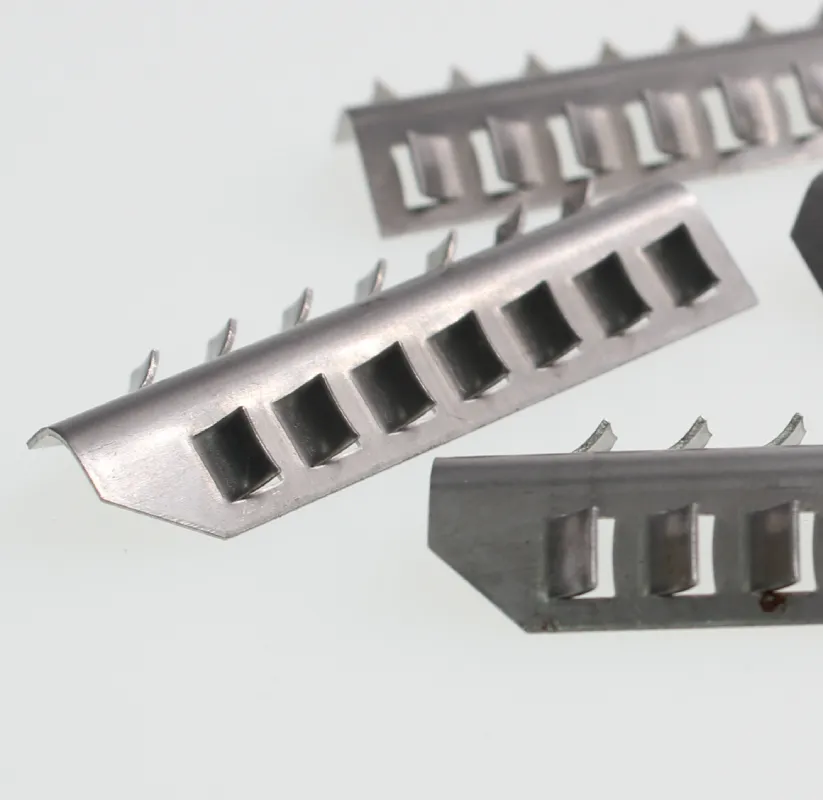
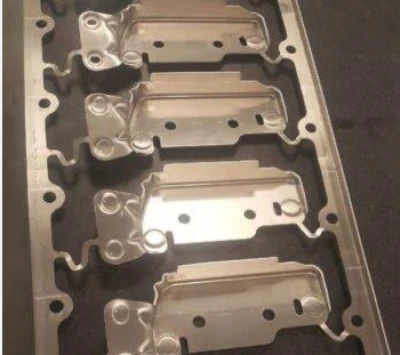

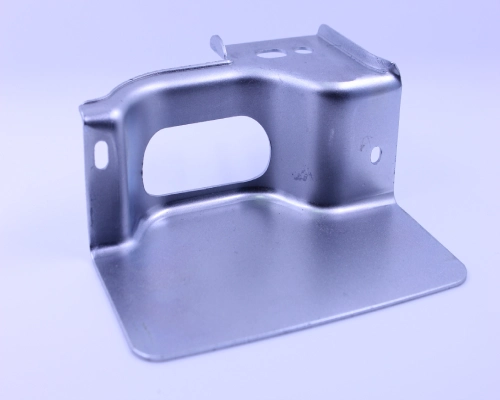
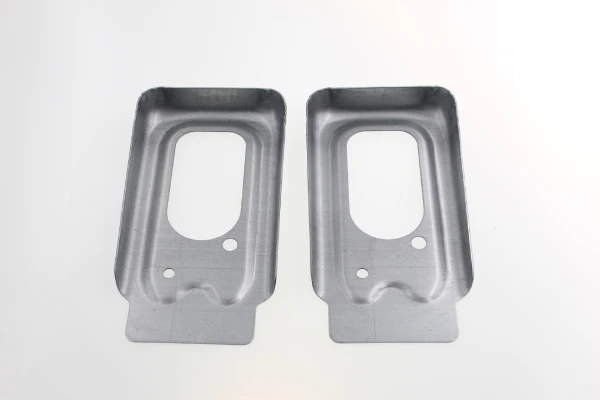
In the industrial hardware manufacturing sector, the transition from new product introduction (NPI) to high-volume production is a key challenge for the supply chain. For procurement managers, strategic decisions between agile sheet metal fabrication and automated progressive die stamping will ultimately determine a project’s profitability. At this manufacturing crossroads, procurement professionals must carefully balance upfront capital expenditures (CapEx) against long-term unit costs.
Flexible manufacturing processes, such as fiber laser cutting and CNC bending, offer unparalleled design flexibility for prototyping and early-market launches. However, once annual production exceeds a critical threshold, reliance on these discrete, sequential processing setups becomes a significant financial burden. This is precisely where the progressive die stamping process changes the economic equation. By integrating multiple piercing, coining, and forming operations into a single stamping cycle lasting less than one second, progressive metal stamping eliminates costly secondary manual operations.
In this article, we will delve into the precise financial metrics and production volume thresholds required to strategically balance costs and lead times, ensuring that your transition to progressive die stamping technology maximizes both supply chain efficiency and long-term return on investment.
Understanding the Principles of Progressive Die Stamping and Sheet Metal Fabrication
To implement strategic procurement decisions, procurement professionals must understand the underlying mechanisms. Sheet metal fabrication relies on digital toolpaths to enable agile, independent setups, while progressive die metal stamping utilizes physical hard dies to integrate complex forming operations synchronously into high-speed, automated production cycles.
Manufacturing Process | Core Mechanics | Tooling CapEx | Setup Lead Time | Engineering Agility |
Sheet Metal Fabrication | Digital toolpaths (Laser/CNC Bending) | $0 (Soft Tooling) | 1-3 Days | Extreme (Zero-cost ECOs) |
Progressive Die Stamping | Physical multi-station die sets | High (Hard Tooling) | 4-8 Weeks | Rigid (Expensive to modify) |
Soft Tooling in Sheet Metal Fabrication
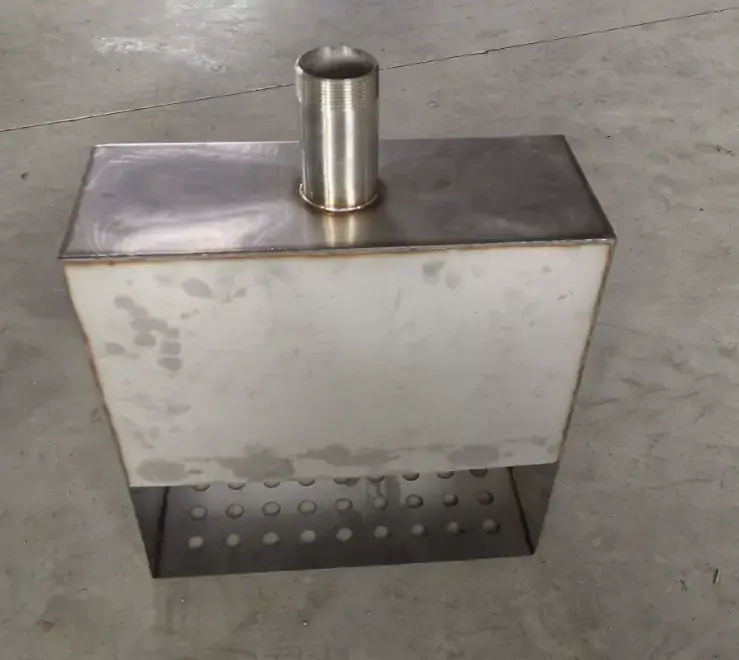
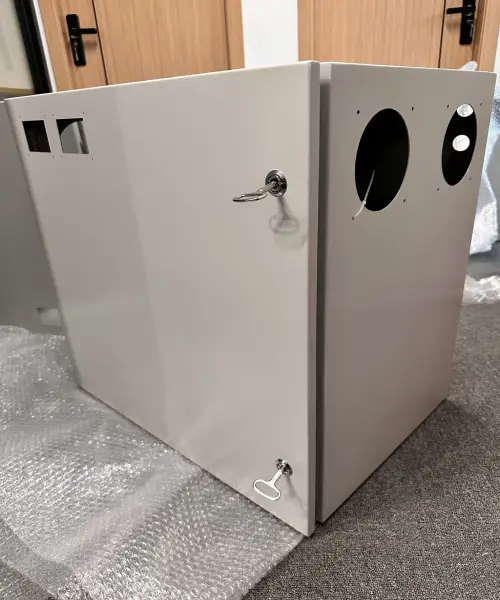
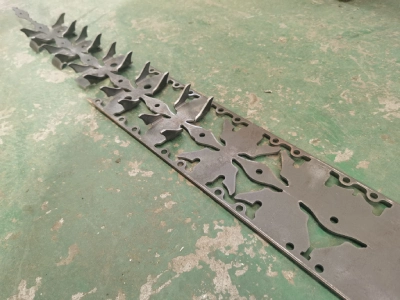
In the field of industrial metalworking, “soft tooling” refers to a “digital-first” approach to sheet metal fabrication. Unlike custom progressive die stamping, which is subject to rigid physical constraints, sheet metal fabrication relies entirely on programmable CNC machinery—specifically fiber laser cutters, turret punch presses, and multi-axis press brakes. Engineers simply upload the CAD file of the flat-pattern, and the machines execute the cutting and bending paths without the need for custom physical dies.
This digital flexibility makes sheet metal fabrication the ultimate solution for rapid prototyping and small-batch production, especially when upfront capital expenditures (CapEx) must be kept to zero. However, because each process—from laser cutting to manual bending—is executed as a separate, sequential setup, the cycle time per part is significantly longer. Consequently, when a part’s lifecycle enters the mass production phase, this method inevitably loses its economic viability compared to the automation speed of progressive die stamping technology.
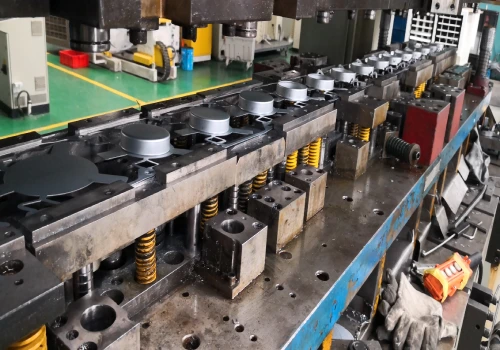
Hard Dies in Progressive Die Stamping
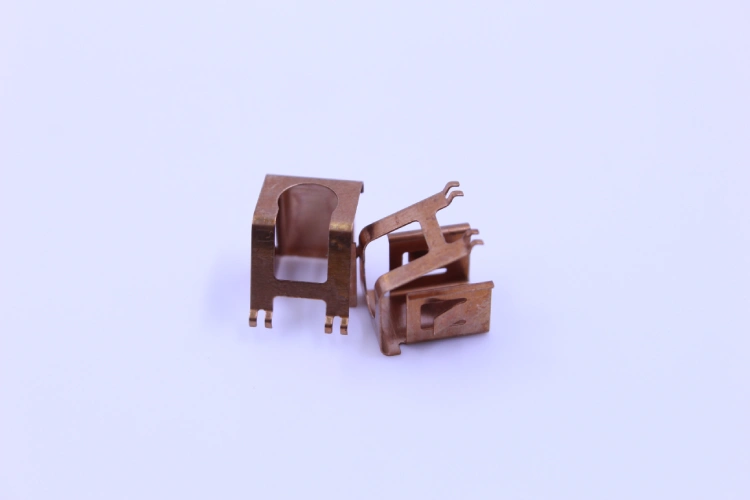
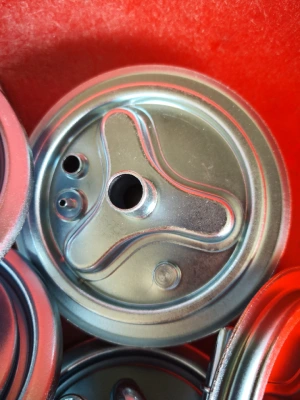
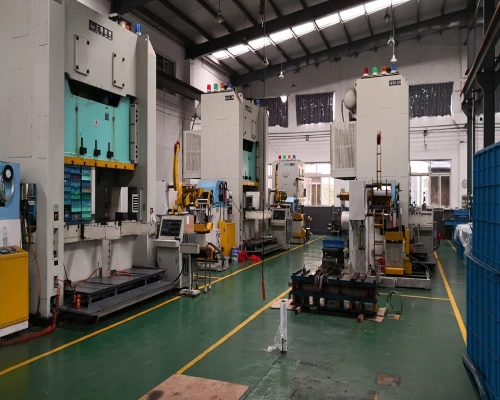
The mechanical foundation of progressive die metal stamping relies entirely on custom-designed “hard dies.” This automated process feeds continuous metal coil into a complex set of multi-station dies, which are typically precision-machined from quenched D2 or tungsten carbide tool steel. In modern custom progressive die stamping workflows, each station simultaneously performs a specific forming operation—such as piercing, coining, or flanging—within a single press stroke (less than one second). As the strip advances, the final station shears out a fully formed, defect-free part.
Although the intensive wire electrical discharge machining (Wire EDM) required to manufacture these robust die sets demands significant upfront capital expenditure (CapEx) and a lead time of 4 to 8 weeks, the economic returns are unparalleled. For procurement teams scaling projects to high-volume production, progressive die stamping technology significantly reduces the cost per unit by completely eliminating secondary manual operations and maximizing production throughput.
Cost Dynamics of Progressive Die Stamping: Capital Expenditures vs. Unit Amortization
Achieving production efficiency requires balancing upfront capital expenditures (CapEx) with long-term component amortization. While soft dies may avoid initial tooling costs, the progressive die stamping process significantly reduces unit costs during high-volume production, thereby establishing a mathematically clear break-even point for procurement strategies.
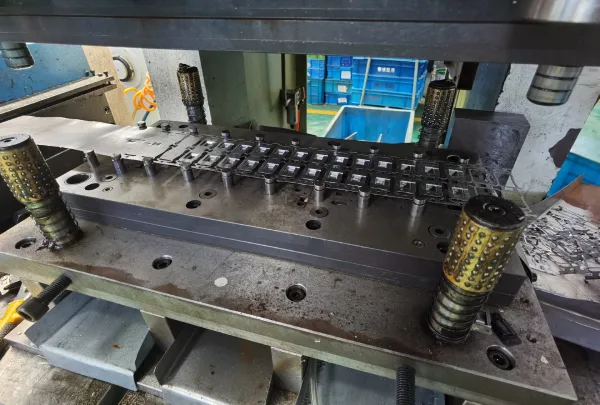
High Initial Capital Expenditures for Progressive Stamping Dies
The high initial capital expenditures (CapEx) required for progressive die stamping represent a carefully calculated investment in manufacturing reliability, rather than a discretionary expense. Manufacturing multi-station hard dies requires hundreds of hours of precision wire-cut EDM to achieve micron-level clearances between the punch and die. To ensure long-term dimensional accuracy when machining abrasive materials, die engineers must use high-quality D2 tool steel or carbide inserts. This robust metal construction prevents premature edge dullness, thereby avoiding costly press downtime.
While soft manufacturing can completely avoid these upfront costs, a well-designed progressive stamping die is itself a tangible financial asset. It ensures that millions of parts are stamped with zero-defect consistency, laying a solid foundation for the long-term profitability of your custom progressive die stamping project.
Calculating the Break-Even Point for Production Volume
The key to strategic procurement lies in determining a precise break-even point—the point at which a hard die becomes economically superior to soft manufacturing processes. For parts of moderate complexity, this economic threshold typically occurs at an annual production volume of 15,000 to 20,000 units. When production volumes fall below this level, the per-unit amortization cost of custom dies drives up the unit price, making laser cutting a more viable option. However, once production volumes exceed this critical threshold, switching to the progressive die stamping process becomes the economically sound choice.
The economic advantage of progressive die metal stamping lies in its cycle time of less than one second, which completely eliminates the high labor costs and discrete clamping operations required by traditional press brakes. By significantly reducing the unit cost to just a few cents, progressive metal stamping enables a rapid return on initial capital expenditure. Accurately predicting this production inflection point will unlock significant potential for supply chain cost savings and maximize the overall return on investment.
Lead Time and Time-to-Market Strategies
To accelerate time-to-market, manufacturing methods must be strategically aligned with the product lifecycle. While flexible manufacturing technologies enable new products to reach the market immediately, the progressive die stamping process trades an initial tooling lead time for a production cycle of less than one second, ultimately avoiding severe supply chain bottlenecks that arise during mass production.
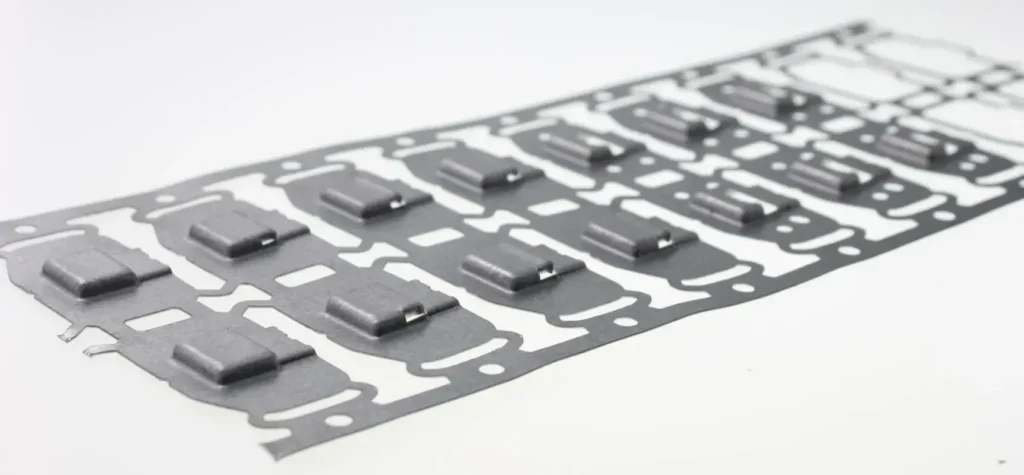
Rapid Prototyping and Initial Production
During the New Product Introduction (NPI) process, hardware teams face the pressure of frequent design changes and tight time-to-market deadlines. In this early stage, flexible sheet metal fabrication is the optimal agile solution. By utilizing fiber laser cutters and CNC press brakes, manufacturers can transform CAD files into physical prototypes within days, thereby bypassing the long lead times associated with custom hard tooling. This digital agility enables engineers to conduct functional testing and launch initial market releases without significant capital investment.
However, this is only a temporary transitional solution. As product demand stabilizes and production volumes surge, slow and discrete cycle times in the manufacturing process will force companies to make strategic adjustments. To avoid production bottlenecks, the procurement department must initiate the design of hard dies as early as possible to ensure that the eventual transition to automated high-speed progressive die stamping does not disrupt market supply.
Scaling Up Mass Production Capacity
Scaling a validated product to mass production requires a fundamental transformation of supply chain mechanisms. Although the manufacturing of custom hard dies typically requires a standard engineering lead time of 4 to 8 weeks, this upfront investment is a key and reliable method for ensuring large-scale, uninterrupted production capacity. Once the dies are validated and installed, progressive die stamping machines can operate at speeds of hundreds of stamping cycles per minute.
This exponential leap in production throughput means that a high-speed progressive die stamping production line can produce tens of thousands of identical, zero-defect parts daily. By partnering with a vertically integrated manufacturer like Supro MFG, buyers can align the final stages of soft manufacturing with our in-house die manufacturing processes. This strategic alignment ensures that your high-volume progressive die metal stamping projects go into production precisely when market demand peaks.
Only 4 steps
online custom metal fabrication parts
Contact our experts team and experience the efficiency and economic benefits of digital metal fabrication services.
Upload Design Files
STL , STEP (.stp), IGES (.igs), (.ZIP), or PDF.
Also be a sample or an idea
Quote & Design Analysis
Instant factory quotes and DfM reports, the most reasonable solution.
Manufacturing Begins
Digital processes can initiate order tasks within 24 hours.
On-Time Delivery
Keeping delivery promises, approved by 3000+ Global Company buyers.
Design Agility and Engineering Change Orders (ECOs)
The level of control over engineering change orders (ECOs) determines the true agility of a manufacturing project. While digital manufacturing enables rapid geometric modifications at no cost, modifying the hard dies required for progressive metal stamping incurs significant machining costs; therefore, design for manufacturing (DFM) must be rigorously defined before steel cutting begins.
Flexibility of Digital Manufacturing
During the iterative stages of hardware development, engineering change orders (ECOs) are inevitable. Due to its purely digital nature, soft sheet metal fabrication offers significant advantages in this rapidly changing environment. When engineers need to adjust hole positions or bend radii, the revision process requires no physical modifications. Manufacturers simply need to update the 3D CAD model, regenerate the flat pattern, and upload the revised toolpaths to the CNC laser nesting software.
Unlike the rigid multi-station architecture of the progressive die stamping process, this digital agility enables manufacturing teams to perform rapid design iterations at virtually no cost. However, this flexibility is limited to small-batch production. If mature product lines were to rely on this approach as well, procurement teams would be unable to achieve the goal of significantly reducing unit costs.
Revision Management in Progressive Stamping Dies
Implementing engineering change orders (ECOs) on hard dies involves vastly different financial realities. Progressive stamping dies are machined from hardened steel, and even minor geometric modifications—such as changing hole diameters or adjusting blanking contours—require extensive physical intervention. Die manufacturers must disassemble the die, fabricate new carbide inserts via wire-cut electrical discharge machining (EDM), or weld and rework the forming stations.
This not only incurs high engineering costs but also severely disrupts production lines. Therefore, managing modifications in the progressive die stamping process requires strict adherence to DFM (Design for Manufacturability) principles. At Supro MFG, we strictly enforce drawing lock-in and conduct comprehensive First Article Inspection (FAI) before the final die goes into production. By finalizing part geometries during the soft manufacturing phase, the purchaser can ensure that their investment in progressive die stamping remains a profitable asset rather than a maintenance burden.
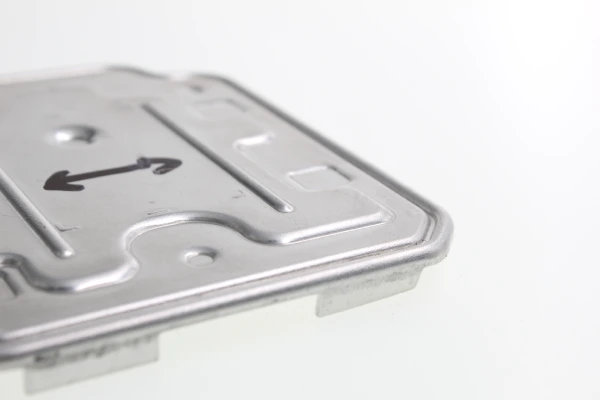
Practical Applications of Custom Progressive Die Stamping: Server Rack Rails and Chassis Brackets
Scaling data center infrastructure from the New Product Introduction (NPI) phase to mass production is a true test of supply chain resilience. For critical components such as server rack rails, transitioning from agile manufacturing to the progressive die stamping process enables strict compliance with EIA-310 installation tolerance standards while significantly reducing the unit cost of high-volume production.
Case Study: The Role of Progressive Die Stamping in Scaling Server Infrastructure Components
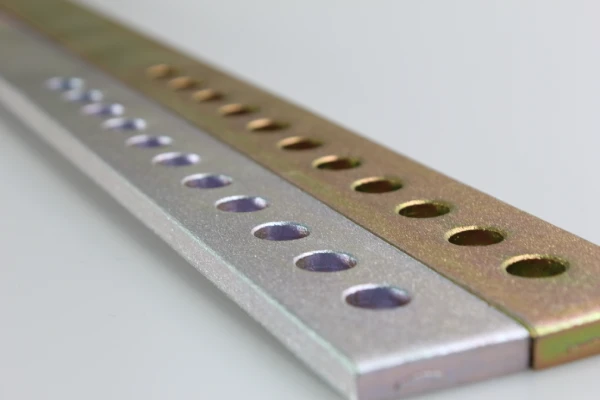
When mass-producing data center hardware—such as heavy-duty server rack rails or NEMA cabinet brackets—manufacturers must seamlessly transition from sheet metal fabrication to stamping production. During the Alpha phase, Supro MFG utilized agile CNC laser cutters to validate critical EIA-310 standard mounting holes and U-channel spacing alignment without incurring upfront tooling risks. However, as the projected annual procurement volume exceeded 25,000 units, the manufacturing strategy had to be decisively adjusted.
To eliminate the labor-intensive bending press setup required for complex, multi-bend profiles, we transitioned the project to progressive die stamping technology. By employing a precision-engineered 12-station carbide die, the progressive die metal stamping process forms thick structural steel into rigid, zero-tolerance guide rails in a cycle time of less than one second. The upgrade to custom progressive die stamping not only ensured absolute dimensional consistency across millions of server racks but also reduced the final unit cost by up to 60%.
Conclusion
Mastering the transition from agile manufacturing to large-scale mass production is the cornerstone of supply chain resilience. As your hardware projects mature, clinging to soft dies will inevitably erode profit margins. At Supro MFG, we tailor strategic manufacturing roadmaps to the specific lifecycle of your product. We leverage digital manufacturing technologies to effectively address early-stage design variables and ensure a smooth product launch. However, when your annual forecasts indicate the need to scale up, our in-house tooling engineers will design highly optimized progressive die stamping solutions, using mathematical models to ensure you achieve the lowest unit cost.
By migrating validated blueprints to an automated progressive die stamping process, we not only eliminate bottlenecks caused by secondary manual operations but also strictly enforce PPAP quality compliance standards.
Don’t let outdated manufacturing strategies hinder your growth any longer. Submit your CAD files to Supro MFG today for a comprehensive DFM review, and let our progressive die stamping technology ensure you achieve the best return on your manufacturing investment.