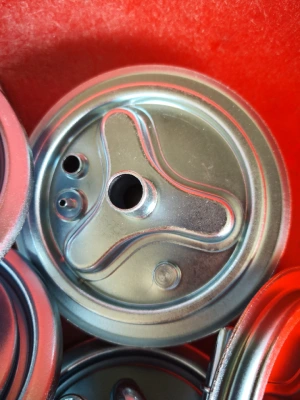
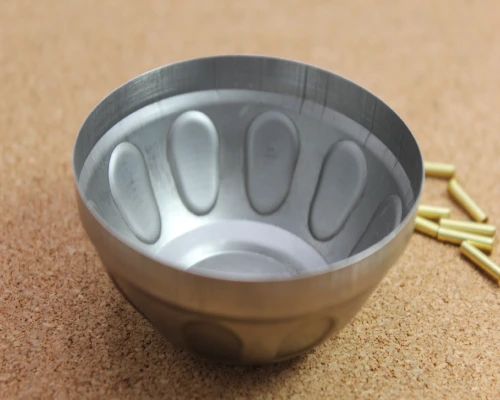
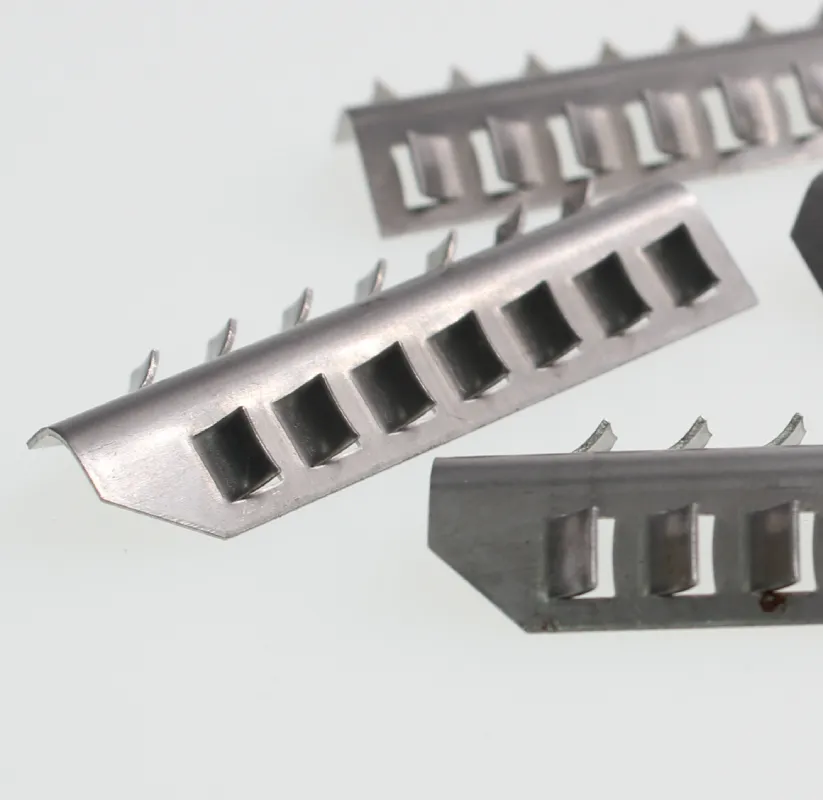
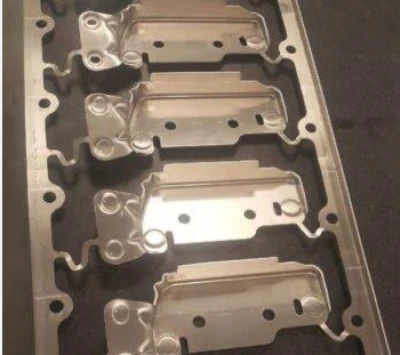

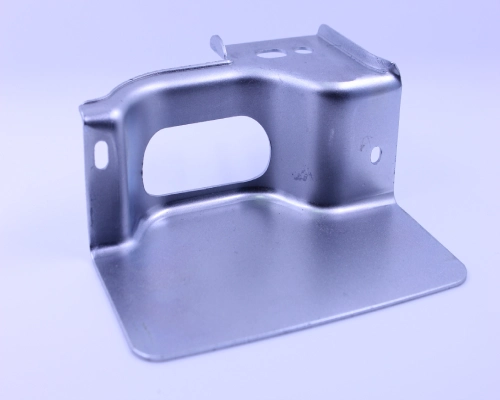
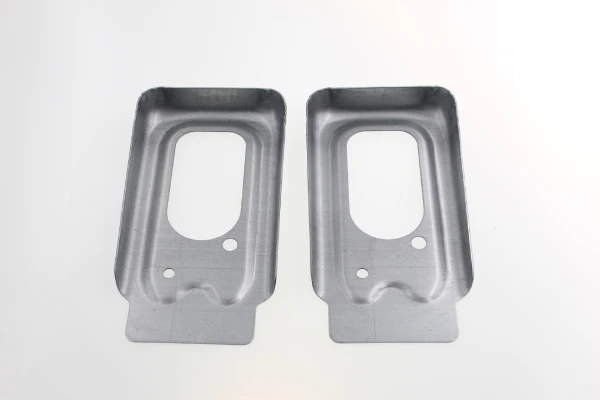
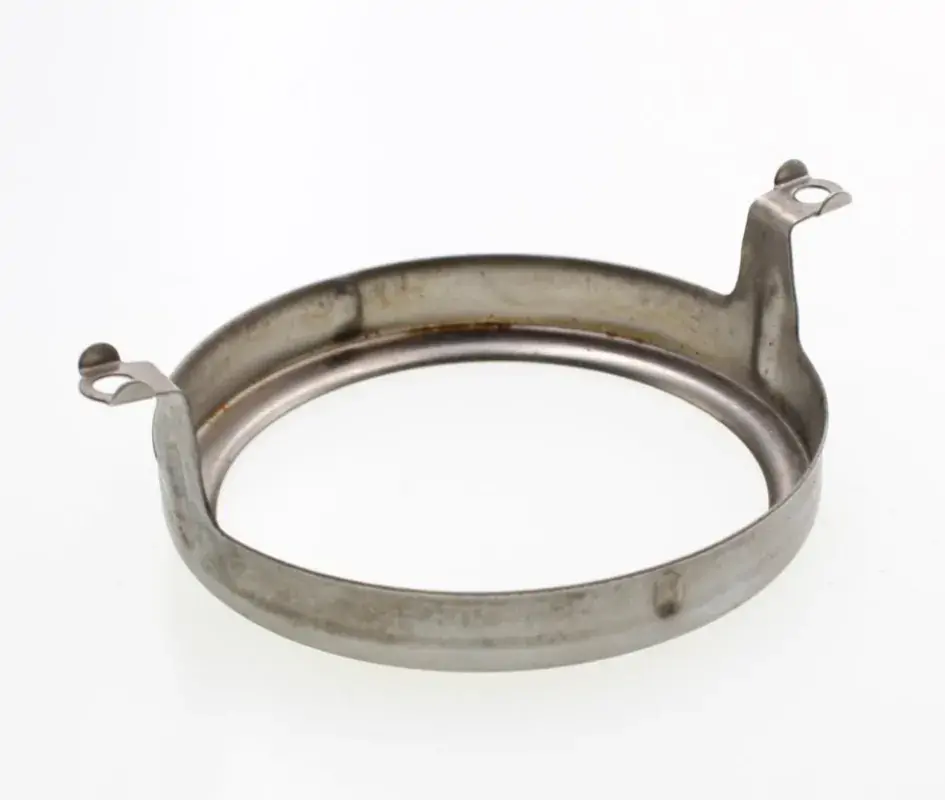
When annual production exceeds the 50,000-unit mark, the economics of manufacturing undergo a shift. The primary cost drivers shift from the cycle time of individual parts to the initial hard die design and long-term optimization of material yield. At this level of mass production, progressive die stamping is undoubtedly the driving force behind industrial manufacturing. By integrating sequential operations—such as punching, coining, and bending—into a single synchronized stamping stroke, this process transforms coiled alloy blanks into parts with tight tolerances at a rate of hundreds of stamping cycles per minute.
For procurement professionals and structural engineers, once the initial die investment is fully amortized, leveraging progressive die stamping technology means achieving unparalleled economies of scale. However, ensuring consistent dimensional accuracy while preventing premature die fatigue requires rigorous Design for Manufacturability (DFM) and efficient shop-floor production capabilities.
Drawing on Supro MFG’s extensive in-house die expertise, this article provides an in-depth analysis of the mechanical principles of the progressive die stamping process, key DFM clearance rules, and the rigorous supplier audit criteria needed to successfully source and scale your next metal parts project.
The Ultimate Guide to Progressive Die Stamping: Process, Design, and Procurement
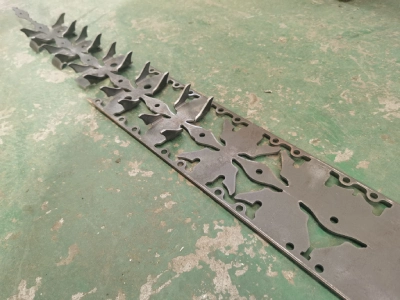
Progressive die metal stamping is a linear, synchronized metal forming system driven by the kinematics of a precision press. A programmable servo feeder feeds flat metal coil stock through a series of carefully designed stamping stations. With each stamping stroke, multiple independent operations—such as guide hole punching, coining, and complex bending—are performed simultaneously on the strip layout.
Crucially, the workpiece remains physically attached to the carrier strip and moves incrementally until it reaches the final cut-off station. It is precisely this precise mechanical coordination that makes the progressive die stamping process the ultimate solution for high-volume production, ensuring strict dimensional repeatability while eliminating secondary handling.
Key Components of Hard Dies
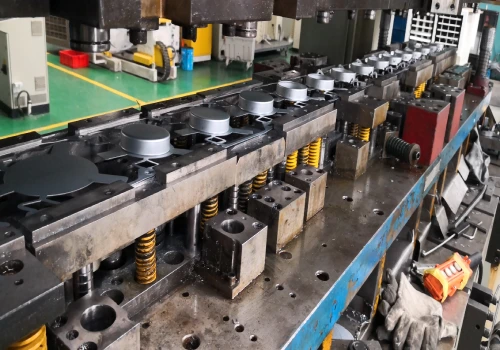
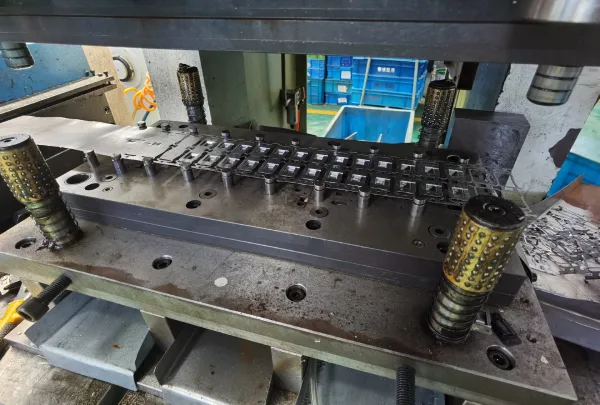
The long-term reliability of any progressive metal stamping project depends entirely on the structural integrity of custom-made hard dies. A robust die assembly consists of highly critical components machined to micron-level tolerances. The punch and die plate are responsible for performing the actual cutting and forming operations. To ensure a die life exceeding one million stamping cycles, Supro MFG strictly specifies the use of high-quality die steel—such as D2, SKD11, or tungsten carbide inserts for high-wear applications.
Additionally, the ejector plate serves a critical dual purpose: it clamps the blank to keep it flat and prevent material deformation while simultaneously forcefully extracting the punch. Precision guide pins and guide bushings ensure that the punch and die remain perfectly aligned throughout the entire progressive die stamping cycle. Ultimately, the quality of these internal components will determine whether your investment in custom progressive die stamping results in uninterrupted, defect-free production or leads to costly and unplanned downtime.
Comparison of Progressive Die Stamping with Other Manufacturing Methods
Selecting the appropriate manufacturing strategy depends entirely on the project’s break-even point for production volume. While alternative manufacturing methods offer the flexibility of tooling-free production for small-batch prototypes, progressive die metal stamping significantly reduces unit costs through synchronized, multi-station, high-speed forming kinematics, thereby delivering substantial economic benefits in high-volume production.
Comparison of Progressive Die Stamping and Transfer Die Stamping
When deciding which die strategy to adopt, structural engineers must carefully evaluate the part geometry and material utilization. Transfer die stamping immediately separates the blank from the metal strip and uses mechanical transfer fingers to move the workpiece between stamping stations. This makes it ideal for deep-drawn housings, as the attached carrier strip in this process restricts material flow.
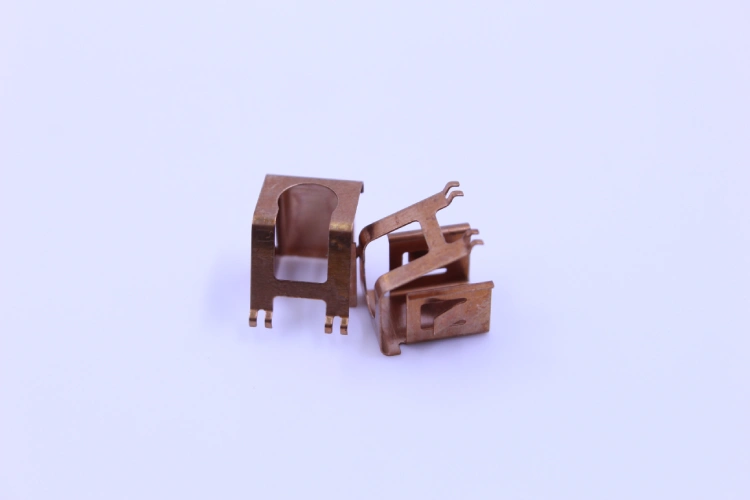
In contrast, the progressive die stamping process relies on uncut metal strip to guide and carry the part through each successive station. Although this requires dedicating some material to support ribs—thereby slightly reducing raw material utilization—progressive metal stamping achieves significantly higher strokes per minute (SPM). For the production of complex small- to medium-sized brackets, terminals, or covers in batches exceeding 50,000 pieces, the extremely high processing speed of progressive die metal stamping can significantly reduce unit costs, easily offsetting any minor scrap loss.
Comparison of Progressive Die Stamping and Sheet Metal Fabrication (Laser/Bending)
For prototype production or small-batch production, traditional sheet metal fabrication using laser cutting and CNC press brakes offers exceptional flexibility. It requires no upfront investment in hard dies and allows for seamless engineering design modifications. However, the labor-intensive nature of secondary bending operations severely limits scalability. Once a project’s annual production volume exceeds the threshold of 15,000 to 20,000 units, progressive die stamping technology becomes the inevitable economic choice. As the cost per unit decreases exponentially, the upfront die investment is quickly amortized.
Unlike CNC bending, which relies on manual operator handling and multiple sequential setups, custom progressive die stamping integrates shearing, flanging, and coining into a single automated stamping stroke. This structural rigidity ensures absolutely reliable dimensional repeatability over the production of millions of parts, making the progressive die stamping process the preferred procurement strategy for high-volume OEMs.
Are you looking for reliable & cost-effective
China metal fabrication manufacturer
More than 150,000 OEM metal fabrication products delivered to 5,000+ global buyers.
And benefit from it!
Design for Manufacturability (DFM) in Progressive Die Stamping
Before cutting the steel, strict adherence to Design for Manufacturability (DFM) is absolutely non-negotiable. In progressive metal stamping, optimizing part geometry directly determines strip stability and material utilization. Through forward-looking engineering design, critical blanking clearances can be verified, thereby effectively preventing premature die fatigue during high-volume production.
Strip Layout and Material Utilization Optimization
The foundation of cost-effective progressive die metal stamping begins with optimized strip layout. Before cutting any metal, engineers must carefully design the carrier strip to ensure the stability of the coil as it is fed sequentially into the stamping press. While prioritizing strip integrity is essential for preventing feeding failures, minimizing scrap is equally critical for ensuring economic viability.
By utilizing advanced nesting software and employing double-row or staggered layouts, we have significantly improved raw material utilization. In high-volume progressive die stamping production, a mere 3% increase in material utilization translates to tens of thousands of dollars in annual savings. Ultimately, carefully designed pitch and carrier structures will ensure that your custom progressive die stamping project achieves both uninterrupted high-speed production and minimized unit part costs.
Critical Tolerances and Feature Clearances
Establishing realistic geometric tolerances is an indispensable part of any progressive metal stamping project. Excessively tight tolerances can result in insufficient clearance between the punch and the die, which directly accelerates die wear and increases maintenance downtime. A fundamental DFM rule of thumb states that the minimum hole diameter must never be less than 1.2 times the material thickness (1.2T) to prevent punch breakage during high-cycle production.
Additionally, features must maintain sufficient clearance from bend radii to avoid severe deformation during flanging operations. By collaboratively optimizing these critical clearances during the engineering review phase, we can optimize the entire custom progressive die stamping workflow, thereby preventing costly downstream defects such as excessive burrs and galling.
Applying these rigorous engineering rules of thumb ensures that progressive stamping dies maintain strict dimensional repeatability while avoiding excessive costs resulting from over-engineering in the initial design.
Managing Springback and Warpage
Uncontrolled metal deformation remains a major failure mode in complex progressive die stamping processes. When forming high-tensile-strength alloys or stainless steel, elastic recovery (i.e., springback) inevitably occurs as internal stresses are released. Rather than relying on operator adjustments, a comprehensive DFM strategy should directly account for this physical phenomenon in the die structure design.
At Supro MFG, we use advanced forming simulation software to calculate precise over-bend angles and integrate strategic coining stations into the progressive die stamping strip layout. These locally applied compressive stresses effectively counteract internal tensile stresses, locking the bend radius into the final specified geometry.
By incorporating springback compensation directly into the die design, a properly executed progressive die metal stamping process eliminates the need for secondary flattening operations, ensuring that even the most complex contours immediately meet strict flatness requirements upon ejection.
Only 4 steps
online custom metal fabrication parts
Contact our experts team and experience the efficiency and economic benefits of digital metal fabrication services.
Upload Design Files
STL , STEP (.stp), IGES (.igs), (.ZIP), or PDF.
Also be a sample or an idea
Quote & Design Analysis
Instant factory quotes and DfM reports, the most reasonable solution.
Manufacturing Begins
Digital processes can initiate order tasks within 24 hours.
On-Time Delivery
Keeping delivery promises, approved by 3000+ Global Company buyers.
Material Selection Matrix for High-Volume Progressive Die Stamping
In custom progressive die stamping, material selection goes far beyond the functionality of the part; it directly determines the press tonnage and the degree of die wear. Striking a balance between yield strength and formability prevents severe die bite, thereby ensuring the economic viability of high-speed production while avoiding the risk of premature die failure.
Ferrous and Non-Ferrous Alloys
To select the optimal alloy for the progressive die stamping process, it is essential to ensure that its mechanical properties are strictly matched to the final operating environment of the components. Ferrous metals, particularly cold-rolled steel (SPCC) and stainless steel (304/316), dominate structural applications due to their exceptional tensile strength and cost-effectiveness. However, their inherent hardness requires stamping equipment to have high pressure capacity.
In contrast, non-ferrous metal alloys such as 5052 aluminum alloy, brass, and beryllium copper are highly favored in the electronics and telecommunications sectors. These materials offer excellent electrical conductivity, inherent corrosion resistance, and outstanding formability. Due to the high ductility of non-ferrous metals, a carefully designed progressive die metal stamping process can perform high-intensity coining and complex bending operations without causing material fracture.
By strategically matching alloy grades to operational requirements, procurement teams can ensure that their custom progressive die stamping projects achieve optimal functional performance while maximizing the cost-effectiveness of raw materials.
How Material Properties Determine Wear in Progressive Stamping Dies
Purchasing teams often underestimate the extent to which material specifications affect die service life. In the progressive die stamping process, forming abrasive materials such as high-tensile-strength alloys or stainless steel significantly accelerates punch wear and edge dulling. This physical reality inevitably increases the risk of welding—that is, the formation of micro-welds between the strip and the die, leading to severe dimensional deviations.
To address this friction during high-speed progressive die stamping, die engineers must upgrade to high-quality tool steels such as D2 or adopt advanced PVD surface treatment technologies, such as titanium nitride (TiN) or TD coatings. Although these hardening coatings require a higher upfront investment, they significantly reduce downtime caused by maintenance.
Ultimately, matching the properties of the die material to the yield strength of the workpiece ensures that progressive metal stamping can consistently achieve stable, zero-defect production.
Quality Assurance: Achieving Zero Defects in High-Speed Progressive Die Stamping Production
In high-speed manufacturing, relying solely on post-process inspection is a critical mistake. To achieve zero-defect progressive die metal stamping, a proactive, die-integrated quality assurance framework must be implemented. By combining automated sensor monitoring with rigorous statistical process control, we can eliminate dimensional drift before parts leave the press.
In-Die Sensors and Automated Protection
High-tonnage press brakes operating at hundreds of strokes per minute must be equipped with a fail-safe automated protection system. In modern progressive die stamping processes, even a momentary feeding deviation or failure to properly eject scrap can lead to catastrophic die collisions, instantly destroying months of investment in the die.
To mitigate this serious risk, we integrate advanced in-die sensors directly into the rigid die structure. By utilizing guide probes for gap verification, short-feed sensors, and bottom dead center (BDC) force monitors, the press control system continuously verifies strip positioning. Should even the slightest deviation be detected, the machine will stop immediately before the stamping stroke is completed.
This sensor-based, proactive architecture ensures that your custom progressive die stamping projects operate safely and autonomously, achieving zero-defect consistency while completely eliminating the risk of unplanned downtime common in traditional progressive stamping setups.

PPAP, FAI, and Dimensional Control
Verifiable quality documentation is just as important as the physical parts themselves. Before launching full-scale progressive metal stamping production, we conduct a rigorous First Article Inspection (FAI) to verify that the hard dies precisely match your CAD geometry. To demonstrate long-term production stability, we employ the Production Part Approval Process (PPAP). By developing a comprehensive control plan and performing a Failure Mode and Effects Analysis (FMEA), we establish strict dimensional benchmarks before mass production begins.
We continuously monitor the Process Capability Index (Cpk) to ensure that tight tolerances are consistently maintained at the center throughout the custom progressive die stamping production process. This meticulous statistical oversight ensures that the one-millionth part is identical to the first, making our progressive die stamping process a zero-risk sourcing option within critical industrial supply chains.
Troubleshooting Common Defects in Progressive Die Stamping (Burrs and Seizing)
Even in highly controlled environments, high-speed continuous forming can still produce micro-defects if the progressive stamping die is not properly maintained. The two primary failure modes in progressive die stamping are excessive burrs and welding. Burrs typically indicate excessive clearance between the punch and die or premature edge dullness, requiring immediate die regrinding or clearance recalibration based on material thickness. Welding is characterized by the formation of destructive micro-welds between the workpiece and the die, caused by extreme friction and insufficient lubrication.
Our rigorous Corrective and Preventive Action (CAPA) procedures address this issue by upgrading to TiN-coated punches or optimizing the formulation of stamping lubricants. By proactively identifying and eliminating these root causes, our custom progressive die stamping experts ensure clean trim lines and flawless surface finishes, thereby maximizing the yield and quality of your stamping production runs.
Looking for a reliable custom sheet metal fabrication companies?
Talk To Supro MFG Expert Team
Contact us for competitive ex-factory prices,
and a full range of technical support services.
How to Evaluate a Progressive Die Stamping Manufacturer
Selecting a reliable partner for custom progressive die stamping projects is, at its core, a matter of supply chain risk management. When evaluating potential original equipment manufacturers (OEMs), procurement managers must look beyond unit price considerations and rigorously assess the supplier’s engineering infrastructure. A non-negotiable criterion is the presence of an in-house tooling shop. Manufacturers lacking internal CNC machining and wire EDM capabilities cannot guarantee rapid die maintenance or immediate implementation of engineering changes, which poses a significant risk of production bottlenecks.
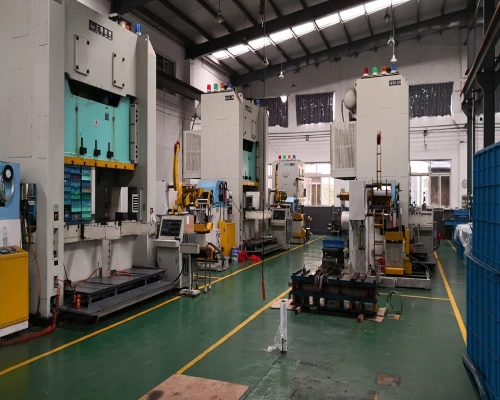
Additionally, the manufacturer’s press tonnage capacity must be verified—a well-established progressive die stamping manufacturer should be equipped with a versatile fleet of presses, typically ranging from 45 metric tons to 800 metric tons, to accommodate varying material thicknesses and strip widths while ensuring the equipment does not exceed safe operating limits.
Furthermore, proof of a rigorous Quality Management System (QMS) should be requested. A top-tier progressive die metal stamping partner must be capable of proficiently completing comprehensive PPAP submissions, strictly adhering to ISO or IATF 16949 standards, and implementing predictive die maintenance. By enforcing these stringent audit criteria, the buyer can confidently identify a reliable stamping partner, thereby ensuring uninterrupted, zero-defect production of the most critical components.
Conclusion
Transforming a complex part from a digital CAD file into mass production at the million-unit level requires more than just stamping capacity; it demands the establishment of a strategic manufacturing partnership. At Supro MFG, we do more than just metal stamping—we generate profit for you by actively optimizing strip layout, eliminating secondary processing, and manufacturing robust, durable dies that guarantee zero defects.
Whether you’re struggling with excessive springback in older parts or launching a new high-volume assembly product, our in-house experts conduct a rigorous Design for Manufacturability (DFM) review before cutting any steel. This forward-thinking engineering approach ensures your progressive die stamping investment achieves the lowest possible unit cost while strictly adhering to PPAP requirements.
Stop compromising on quality and stop bearing the hidden costs of inefficient progressive die metal stamping operations. Submit your engineering drawings to Supro MFG today for a comprehensive DFM analysis, and let us turn your most challenging progressive metal stamping challenges into efficient, high-profit realities.