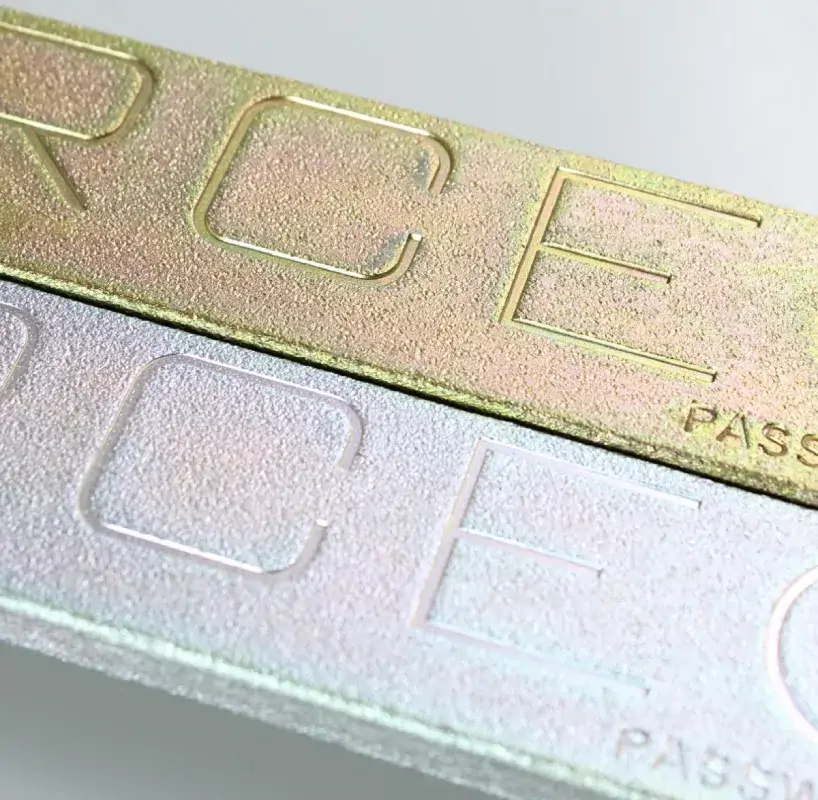

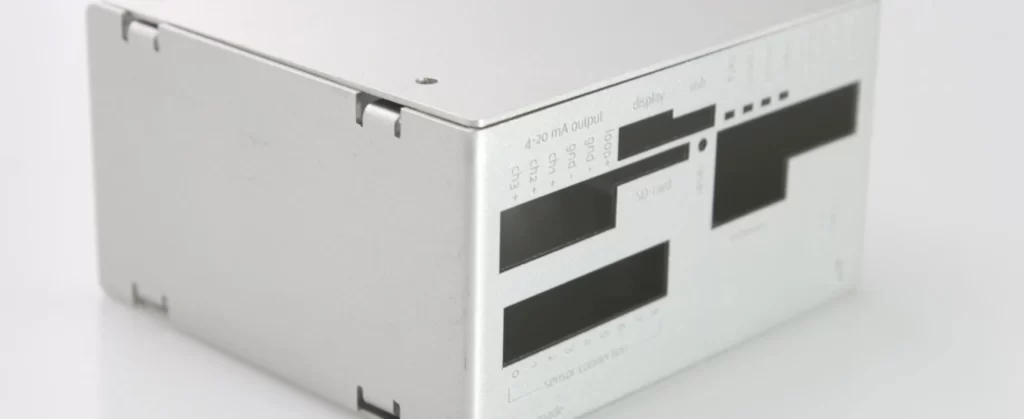
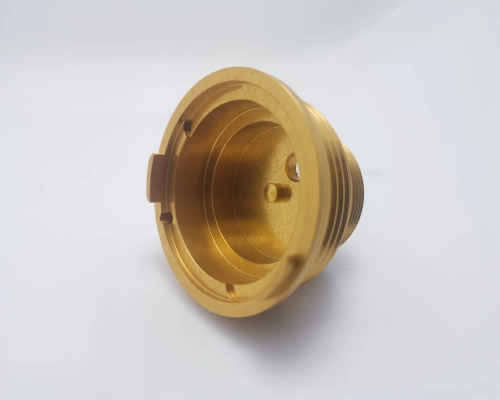
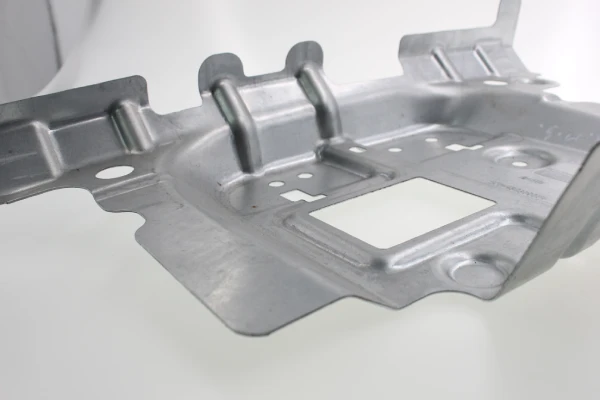
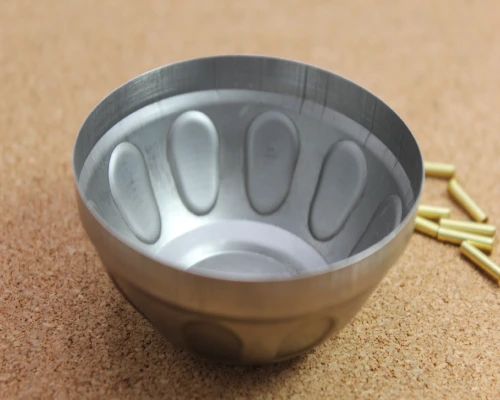
For custom sheet metal parts, surface treatment is by no means a mere cosmetic consideration—it directly determines thermal performance, corrosion resistance, and assembly tolerances. When evaluating powder coating and anodizing processes, engineering teams face a fundamental trade-off between polymer coating and electrochemical conversion.
At Supro MFG, our DFM (Design for Manufacturability) reviews frequently highlight that incorrect specification of surface treatment requirements can drive up the total cost of ownership. Powder coating forms a thermosetting polymer coating (60–120 µm) through electrostatic deposition, creating a highly durable protective barrier against mechanical impact and harsh outdoor environments. In contrast, anodizing uses an electrochemical reaction to convert the aluminum substrate into a monolithic, corrosion-resistant aluminum oxide (Al₂O₃) layer, maintaining strict ISO 2768 tolerances without altering critical dimensional geometries.
Although powder coating excels at masking weld seams and providing cost-effective corrosion protection for various alloys, anodizing is still considered the gold standard for highly wear-prone machined aluminum components that require dielectric strength and must completely avoid the risk of delamination. When choosing between these two processes, it is necessary to weigh the initial unit cost, ASTM B117 salt spray test performance, and long-term service conditions.
Understanding the Core Fundamentals of Metal Surface Finishing
Selecting the optimal metal surface finishing process requires an understanding of the metallurgical principles behind polymer coating and electrochemical conversion. The powder coating process forms a protective organic barrier on the surface, while anodizing converts the aluminum substrate into a durable oxide layer, ensuring long-term surface integrity.

What Is Powder Coating? Process Mechanics and Material Coating Properties
Powder coating is an electrostatic spraying process in which dry thermosetting polymer resins (typically polyester, epoxy, or polyurethane) are sprayed onto a grounded metal substrate and thermally cured in an oven at temperatures ranging from 180°C to 200°C. During the cross-linking process, the resin melts and flows, forming a continuous and highly durable polymer matrix with a typical film thickness of 60 to 120 µm.
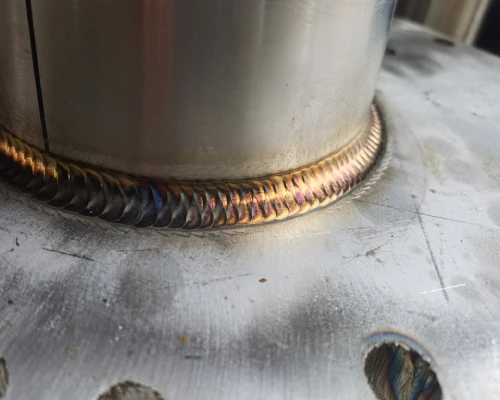
From a DFM (Design for Manufacturability) perspective, this organic barrier offers excellent impact resistance and can mask minor defects on the metal surface, such as sanding marks and discoloration in the heat-affected zone (HAZ) caused by welding. Although custom powder coating provides exceptional mechanical toughness and salt spray protection compliant with ASTM B117 on steel, stainless steel, and aluminum, engineers must consider coating buildup on critical features such as threaded holes and press-fit joints with tight tolerances.
Proper multi-stage pretreatment—including degreasing and zirconium or phosphate conversion treatments—remains critical for preventing adhesion failure when exposed to harsh environments.
What Is Anodizing? Electrochemical Oxidation and Passivation of Aluminum
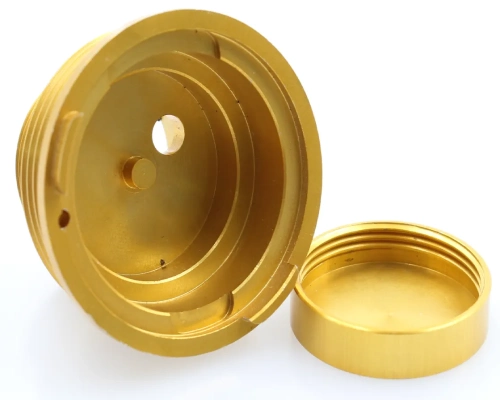
Unlike organic coatings, anodizing is an electrochemical conversion process that transforms the surface of an aluminum alloy into a dense, non-conductive layer of aluminum oxide (Al₂O₃). When an aluminum alloy is immersed in an acidic electrolyte (typically sulfuric acid) and a controlled direct current is applied, the alloy acts as an anode and releases oxygen ions, which react with the substrate to form the anodic oxide layer.
Type II sulfuric acid anodizing produces an oxide layer 15 to 25 µm thick, while Type III Hardcoat anodizing (compliant with MIL-A-8625) produces an oxide layer up to 50 µm thick with a surface hardness exceeding 60 HRC. Because the oxide film grows in equal proportions both inward and outward from the base metal, the anodizing process meets the stringent dimensional tolerance requirements of ISO 2768 without the risk of delamination, chipping, or peeling.
Following anodization, hydrothermal or chemical sealing seals the microscopic porous structure, dramatically enhancing corrosion resistance and chemical inertness for high-precision aerospace, medical, and electronic enclosure components.
Performance Breakdown: Durability and Environmental Resistance
To evaluate long-term performance, it is necessary to analyze mechanical toughness, chemical stability, and resistance to UV exposure. Powder coating provides excellent impact resistance through an elastic polymer film, while anodizing relies on a hard, dense oxide structure to withstand extreme abrasion and corrosive environments.
Performance / Engineering Parameter | Powder Coating (Thermoset Polymer) | Type II Anodizing (Sulfuric Acid) | Type III Hardcoat Anodizing | Industry Standard / Test Method |
Typical Coating Thickness | 60 – 120 µm (2.4 – 4.7 mils) | 15 – 25 µm (0.6 – 1.0 mil) | 50 µm ± 5 µm (2.0 mils) | ASTM B499 (Powder) / ASTM B244 (Eddy-Current) |
Surface Hardness Rating | 2H – 4H (Pencil Hardness) | 200 – 300 HV | 400 – 500 HV (60–65 HRC equivalent) | ASTM D3363 (Pencil) / ASTM E384 (Microhardness) |
Neutral Salt Spray Resistance (NSS) | 1,000 – 3,000+ Hours (Pre-treatment dependent) | 336 – 1,000 Hours (Sealed) | 1,000 – 2,000 Hours (Sealed) | ASTM B117 / ISO 9227 |
Dimensional Growth per Surface | +60 to +120 µm (100% External Build) | +7.5 to +12.5 µm (50% Growth / 50% Penetration) | +25 µm (50% Growth / 50% Penetration) | ISO 2768-m Tolerance Impact Analysis |
Aero/Outgassing & Dielectric Properties | Moderate Dielectric; Outgassing varies by resin type | Excellent Dielectric; Minimal outgassing | High Dielectric Breakdown (>1,000 V); Zero Outgassing | ASTM E595 (NASA Outgassing Standard) |
Mechanical Strength, Wear Resistance, and Hardness Ratings
To evaluate mechanical toughness, it is necessary to distinguish between surface hardness and structural elasticity. Custom powder coatings use an organically cross-linked polymer matrix, which offers high impact resistance and flexibility. Under mechanical deformation or thermal expansion, this elastic coating can absorb energy without fracturing, making it ideal for structural sheet metal components subjected to vibration or bending. However, its pencil hardness typically ranges from 2H to 4H at most, making it susceptible to abrasive scratches.
In contrast, Type III Hardcoat anodizing forms an amorphous Al₂O₃ ceramic structure with microhardness values reaching 400 to 500 HV (Rockwell C 60–65), comparable to that of quenched tool steel. Since the oxide layer fuses directly with the aluminum substrate rather than forming an external shell, it delivers exceptional Taber abrasion resistance and zero risk of flaking under high friction. Its primary mechanical limitation is brittleness; severe bending stresses may cause microcracks to form within the anodized layer.
Corrosion Protection in Harsh Environments (Salt Spray Testing)
Corrosion resistance in marine and industrial environments depends on the barrier integrity and chemical stability demonstrated in the ASTM B117 salt spray test.
A multi-stage pretreatment powder coating system—involving zirconium or chromate conversion treatment, followed by the application of an ultra-durable polyester or fluoropolymer topcoat—can easily achieve neutral salt spray resistance of 1,000 to 3,000 hours. A continuous polymer barrier isolates the metal from moisture, electrolytes, and industrial contaminants. However, if the coating is scratched down to the bare metal, localized undercut corrosion may spread beneath the coating.
In contrast, the anodizing process relies on a sealed, porous aluminum oxide layer to block corrosive media. When treated with deionized hot water or a nickel acetate sealant, Type II anodizing can withstand 336 to 1,000 hours of salt spray exposure. Although this process offers excellent resistance to organic solvents and fuels, its thin oxide layer remains susceptible to erosion by strong acids (pH < 4) and alkaline solutions (pH > 8.5), whereas high-performance powder coating formulations exhibit a broader range of chemical pH resistance.
UV Stability and Weathering Resistance
Long-term atmospheric weathering resistance depends on resistance to photochemical degradation and solar radiation. Standard epoxy-based powder coating degrades rapidly under direct sunlight, undergoing chalking and color fading due to ultraviolet cross-link cleavage. To ensure exterior longevity, engineers must specify super-durable polyester (SDR) or FEVE fluoropolymer resin systems, which meet AAMA 2604 or AAMA 2605 specifications for 5 to 10 years of South Florida weathering exposure. These specialized formulations resist UV-induced polymer breakdown and maintain gloss retention.
On the other hand, inorganic clear anodizing inherently provides total UV stability; the aluminum oxide film itself contains no organic bonds to break down under solar radiation. When color is required, inorganic metallic dyeing (such as cobalt or tin electrolytic coloring) offers permanent fade resistance. However, if organic dyes are used in the anodizing sealing process, UV exposure will cause gradual color fading over extended outdoor operation.
Only 4 steps
online custom metal fabrication parts
Contact our experts team and experience the efficiency and economic benefits of digital metal fabrication services.
Upload Design Files
STL , STEP (.stp), IGES (.igs), (.ZIP), or PDF.
Also be a sample or an idea
Quote & Design Analysis
Instant factory quotes and DfM reports, the most reasonable solution.
Manufacturing Begins
Digital processes can initiate order tasks within 24 hours.
On-Time Delivery
Keeping delivery promises, approved by 3000+ Global Company buyers.
Dimensional Tolerances and DFM (Design for Manufacturability)
Incorporating surface treatment into the early DFM workflow can prevent assembly dimensional errors. The powder coating process forms a thicker coating, which can alter tight tolerances, whereas the anodizing process, through a controlled, inward-growing electrochemical conversion, maintains precise part geometries that comply with ISO 2768 standards.

Film Thickness Differences and Impact on Mating Tolerances
In precision sheet metal fabrication, controlling dimensional gain is critical to meeting ISO 2768-m or ASME Y14.5 geometric tolerances. Custom powder coating forms a relatively thick polymer coating, typically ranging in thickness from 60 to 120 µm (0.0024 inches to 0.0047 inches). Such significant coating thickness requires engineering masking on fine-pitch holes, press-fit bearings, and precision sliding surfaces to prevent assembly interference.
In contrast, Type II anodizing results in a total film thickness of only 15 to 25 micrometers, while Type III hard-coat anodizing can reach approximately 50 micrometers. The key is that during the anodic conversion process, 50% of the growth occurs inward toward the base metal, and the other 50% grows outward from the original surface. This controllable dimensional change allows engineers to specify an anodizing process for high-precision machined parts without affecting the tight-fit pins or thread pitch diameter.
Failure to account for powder coating build-up thickness during the early Design for Manufacturing (DFM) stage often results in the need for reaming after manufacturing or costly manual adjustments on the assembly line.
Substrate Compatibility and Surface Flaw Masking
The choice of material determines not only the feasibility of the surface treatment but also affects the final aesthetic result. Custom powder coating offers exceptional substrate compatibility and can be seamlessly applied to cold-rolled steel, stainless steel, galvanized steel, and aluminum alloy surfaces. The high film thickness formed during oven curing allows the powder coating system to cover and mask minor surface defects, such as sanding marks, sheet metal bending stress lines, and the heat-affected zone (HAZ) from welding.
On the other hand, the anodizing process is limited to aluminum alloys, and its performance is largely influenced by the chemical composition of the substrate. High-silicon or high-copper series (such as the 2xxx and 7xxx series) form darker, uneven oxide layers, while the 5xxx and 6xxx series produce optimal transparency and corrosion resistance.
Because the oxide layer is transparent and chemically bonded to the substrate, anodizing magnifies rather than masks surface defects, stamping marks, or grain orientation. DFM guidelines stipulate that parts intended for clear anodizing require rigorous pre-polishing or bead blasting to eliminate raw mill marks before immersion in the bath.
Cost Structure, Production Efficiency, and Lifecycle Value
To assess the overall financial impact, a comprehensive analysis of initial unit processing costs and long-term maintenance requirements is necessary. While custom powder coating is more cost-effective for high-volume sheet metal components, the anodizing process offers a lower total cost of ownership in high-wear, precision applications.
Initial Capital and Unit Production Costs
From a procurement perspective, initial unit costs depend heavily on batch volumes, racking setups, and raw material utilization. Powder coating offers remarkable cost-efficiency for large-scale sheet metal enclosures and structural weldments. Automated electrostatic spray lines utilize powder reclaim systems, achieving material utilization rates up to 98% while eliminating volatile organic compound (VOC) compliance overhead. Furthermore, powder coating process allows steel, galvanized sheet, and aluminum components to be processed on the same line, reducing tooling setup times.
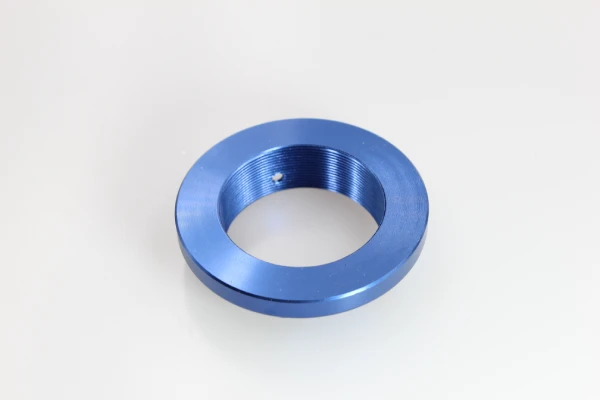
Conversely, anodizing process requires higher initial batching expenses due to specialized titanium rack fixturing, chemical tank maintenance, and high electrical current consumption during the electrochemical conversion process. Because anodizing tank throughput is constrained by surface area square footage rather than part weight, low-volume or highly complex geometry orders incur higher per-unit finishing premiums compared to standard powder coating production runs.
Maintenance Requirements and Total Cost of Ownership (TCO)
Assessing the long-term total cost of ownership (TCO) requires balancing the initial cost of surface treatment against on-site maintainability and service life. Powder coating is a cost-effective barrier coating; however, on-site damage caused by mechanical impact or deep scratches may expose the substrate, potentially leading to creep corrosion beneath the polymer film. On-site repairs typically require manual sanding, priming, and touch-up painting with liquid coatings, thereby increasing long-term maintenance costs.
In contrast, the anodizing process transforms the substrate into an inorganic, non-flaking ceramic layer that requires virtually no maintenance beyond periodic cleaning with a neutral detergent solution.
In harsh industrial or high-friction environments, Type III Hardcoat anodizing offers exceptional scratch resistance and chemical inertness, preventing premature component failure and costly production line downtime. Although the initial cost is higher, its ability to extend the service life of precision aluminum components results in a lower total cost of ownership (TCO) over the product’s multi-year lifecycle.
Selection Matrix: Choosing the Right Surface Treatment Process for Your Application
Establishing an engineering-driven selection matrix can help avoid costly on-site performance failures and prevent unnecessarily excessive surface treatment specifications. To match powder coating or anodizing treatments to specific applications, it is necessary to evaluate mechanical loads, environmental exposure conditions, the metallurgical properties of the substrate, and dimensional tolerance constraints.
Selection Factor / DFM Requirement | Powder Coating | Anodizing (Type II / Type III) | Engineering & Procurement Guidelines |
Substrate Material Compatibility | Cold-Rolled Steel, Galvanized Steel, Stainless Steel, Aluminum, Brass | Aluminum Alloys Only (5xxx, 6xxx series optimal; 2xxx/7xxx restricted) | Anodizing requires high-purity aluminum; Powder Coating handles mixed-metal assemblies. |
Surface Defect & Weld HAZ Masking | High (Completely bridges grind marks, weld seams, and heat-affected zones) | None (Transparent oxide film accentuates metal grain, die lines, and scratches) | Specify mechanical bead-blasting/polishing prior to Anodizing for decorative parts. |
Precision Thread & Hole Masking | Mandatory (Thick build causes thread binding and hole undersizing) | Optional (Minimal build; usually requires no masking for standard pitch threads) | Indicate explicit plug/tape masking requirements on engineering drawings for Powder Coating. |
Outdoor Weathering Standards | Compliant with AAMA 2604 / AAMA 2605 (Super-durable polyester / FEVE) | Compliant with AAMA 611 (Anodized Architectural Aluminum) | Specify AAMA 2605 / AAMA 611 for high-UV architectural and marine applications. |
Production Line Cost Dynamics | Low unit cost for medium-to-high volume sheet metal enclosures | Higher unit cost due to titanium racking setups and electrical current density | Powder Coating offers higher material yield via electrostatic powder reclaim systems (up to 98%). |

When to Specify Powder Coating for Sheet Metal Assemblies
Engineering teams should specify the powder coating process when custom metal components require excellent impact resistance, broad compatibility with various alloys, and the ability to completely conceal visual defects.
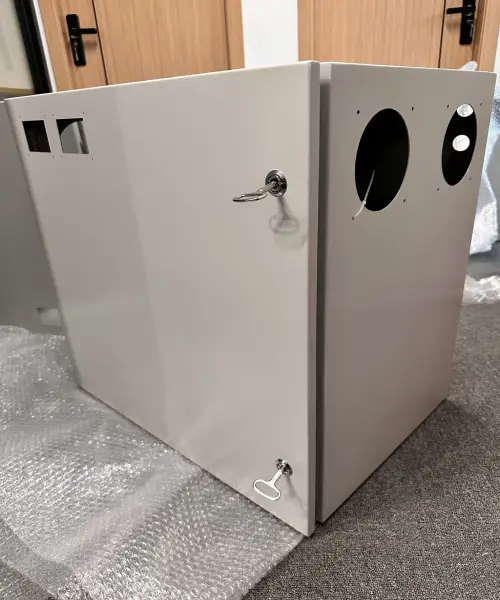
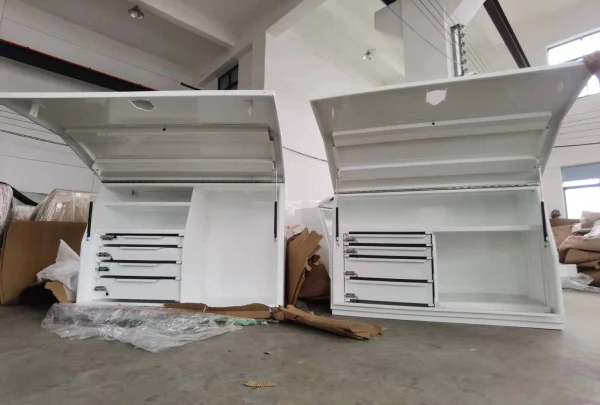
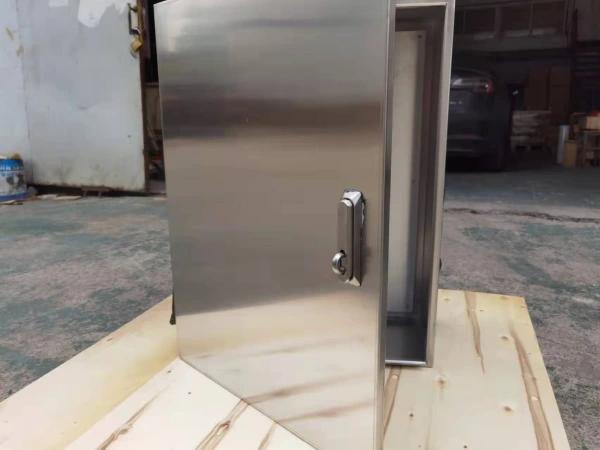
In large-scale sheet metal fabrication—such as electrical enclosures compliant with NEMA/IP ratings, outdoor telecommunications cabinets, and structural welded components—powder coating systems form an impenetrable polymer barrier that effectively bridges microscopic gaps, grinding marks, and heat-affected zones (HAZ). Furthermore, powder coating is the optimal choice when processing assemblies that combine cold-rolled steel, stainless steel, and aluminum on the same production line.
When outdoor durability and brand identity through color are critical, selecting ultra-durable polyester or FEVE fluoropolymer resin systems compliant with AAMA 2604/2605 standards ensures exceptional gloss retention and resistance to UV-induced chalking. However, DFM specifications require engineers to precisely mask threaded inserts, ground studs, and mating surfaces with tight tolerances in drawing annotations to prevent assembly issues caused by excessive coating thickness.
When to Choose Anodizing for Machined and Extruded Aluminum
When designing high-precision aluminum components that must meet strict ISO 2768 geometric tolerances, extremely high surface hardness, and excellent heat dissipation performance, the anodizing process should be specified.
In high-performance applications such as aerospace housings, medical device enclosures, optical mounts, and heat sinks, precision anodizing forms a continuous, non-peeling ceramic layer that ensures critical pin hole fits and thread pitch diameters without the risk of delamination. When components are subjected to severe sliding friction or abrasive environments, Type III Hardcoat anodizing compliant with MIL-A-8625 achieves a surface hardness of 60 HRC, providing unmatched wear resistance.
Furthermore, the anodizing process provides excellent dielectric insulation and degassing stability for vacuum or cleanroom environments. In Design for Manufacturing (DFM) considerations, it is necessary to select compatible forged aluminum alloys—particularly the 5xxx and 6xxx series—and to mandate pre-finish mechanical polishing or bead-blasting to achieve a flawless matte or clear metallic finish, as the transparent anodic film will accentuate underlying mill lines and grain directional flaws.
Looking for a reliable custom sheet metal fabrication companies?
Talk To Supro MFG Expert Team
Contact us for competitive ex-factory prices,
and a full range of technical support services.
Supro MFG Quality Control: Mitigating Surface Finishing Defects
At Supro MFG, our “zero-defect” manufacturing philosophy integrates rigorous quality control processes into every stage of the surface finishing workflow. Defects such as blistering, pinholes, and adhesion failure in the powder coating process, as well as color variations, burn marks, or sealing failures in the anodizing process, are almost entirely attributable to process instability and contamination. To protect our customers’ engineering investments, Supro MFG not only implements rigorous in-line monitoring but has also established a comprehensive Failure Mode and Effects Analysis (FMEA) framework.
By controlling the composition of electroplating solutions, the temperature profiles of curing ovens, and the grounding of racks, we eliminate critical root causes before parts reach final inspection. Whether applying custom powder coating to high-volume steel enclosures or performing Type III hard-coat anodizing on precision aluminum enclosures, our engineering team verifies that every component meets stringent international quality standards, ensuring seamless assembly and long-term in-the-field performance in the demanding North American and European markets.
Rigorous Pre-Treatment and ASTM Standard Inspection at Supro MFG
The exceptional durability of a coating depends entirely on the integrity of the pre-treatment process and standardized quality verification. At Supro MFG, our automated pre-treatment production line employs multi-stage alkaline degreasing, acid etching, and an advanced zirconium conversion coating to ensure optimal polymer adhesion for the powder coating system.
For aluminum components specified for precision anodizing, we strictly control the precision of chemical titration and use deionized water for rinsing to prevent electrolyte contamination and surface discoloration. Each production batch undergoes rigorous post-treatment testing in accordance with ASTM standards. We verify coating thickness using magnetic and eddy-current thickness gauges (ASTM B499/B244), evaluate mechanical adhesion via the cross-hatch tape test (ASTM D3359), and verify seal integrity through the acid dissolution test (ASTM B680).
By incorporating both the powder coating and anodizing processes into a continuous statistical process control (SPC) system and ensuring full ASTM inspection traceability, Supro MFG is able to deliver surface finishes that meet strict OEM procurement standards, with consistent quality and zero defects.
For technical consultations or to discuss OEM partnerships, please contact our engineering team!