

In the highly customized industrial sector, custom sheet metal box fabrication has long transcended simple cutting and welding. It represents a complex systems engineering endeavor that integrates advanced materials science, precision engineering design, and rigorous process control.
As a sheet metal box fabrication manufacturer with over 20 years of experience, Supro deeply understands that a successful custom sheet metal box fabrication project begins with the precise translation of conceptual designs into manufacturable, assembleable, and reliably performing physical products. This success hinges not only on equipment capabilities but also on the synergistic integration of technology and craftsmanship.
This article systematically analyzes the complete sheet metal box fabrication process—from conceptual design, manufacturability analysis, precision machining, and surface treatment to final validation. It delves into the core technologies, quality control points, and best practices at each stage, aiming to help you understand how a standardized, engineered sheet metal box fabrication process transforms design intent into sheet metal box products that meet stringent specifications for functionality, durability, and appearance.
Translating Design Intent into Sheet Metal Box Fabrication
In custom sheet metal box fabrication projects, transforming the client’s conceptual design into efficient, cost-effective engineering blueprints is critical. Our experience shows that over 50% of project delays or cost overruns stem from unclear initial requirements.
As a specialized sheet metal box fabrication manufacturer, Supro initiates structured technical collaboration with your engineering team to precisely define critical parameters: environmental sealing (IP rating requirements per IEC 60529), electromagnetic compatibility (specific decibel values for EMI/RFI shielding effectiveness), mechanical loads (static weight capacity and dynamic vibration test conditions), thermal management solutions (permissible power dissipation and heat dissipation pathways), and mandatory industry certifications (specific standards for UL, CE certification, etc.).
This process typically employs standardized technical questionnaires and checklists to ensure all functional and compliance requirements are documented, understood, and agreed upon before drawing confirmation, laying the foundation for stable execution of the subsequent sheet metal box fabrication process.
Feasibility and Design for Assembly in Sheet Metal Box Fabrication
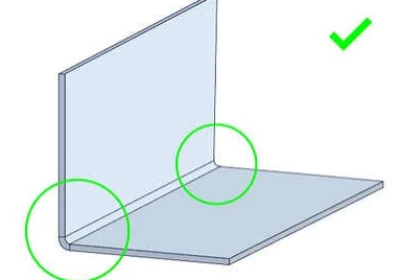
Once specifications are finalized, the core task for sheet metal box fabrication manufacturers is to translate designs into efficient, cost-effective manufacturing solutions. We conduct systematic DFM/A (Design for Manufacturability and Assembly) analysis. This includes utilizing specialized software to evaluate sheet utilization, reviewing bending processes to prevent cracking, and performing tolerance stack-up analysis to ensure compatibility during multi-component assembly.
Process Route Design and Prototyping for Sheet Metal Box Fabrication
Based on the final design, our custom sheet metal box fabrication engineers will develop a detailed process route, precisely planning each step from blanking and forming to joining and surface finishing. This includes specifying the equipment, tooling fixtures, and inspection points required.
For complex or novel custom sheet metal box fabrication projects, we recommend rapid prototyping. This typically involves creating physical samples using actual production materials through laser cutting and bending. Prototype validation not only assesses appearance but also tests critical functions—verifying assembly sequences, confirming internal component clearances, testing the effectiveness of heat dissipation openings, or evaluating the ergonomics of door hinges, among other aspects.
Materials Science and Pre-Processing for Sheet Metal Box Fabrication
In custom sheet metal box fabrication, material selection and pre-processing are not back-end procedures but front-end decisions that define product lifecycle, structural integrity, and compliance.
Base Material Selection Criteria
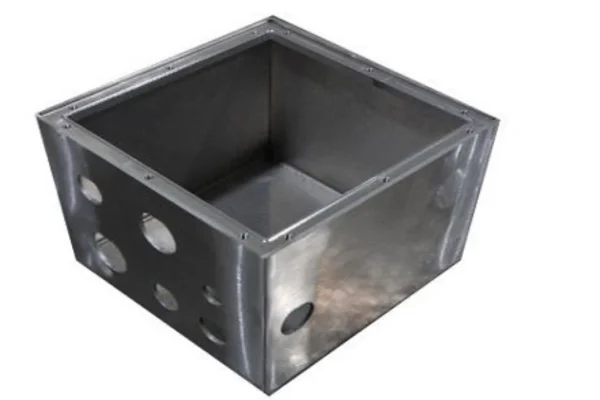
Base material selection for custom sheet metal box fabrication is a science-based decision driven by precise performance requirements, delving into specific material grades, conditions, and surface treatments. For instance, industrial cabinets subjected to dynamic loads warrant HSLA high-strength low-alloy steel per SAE J1392 standards.
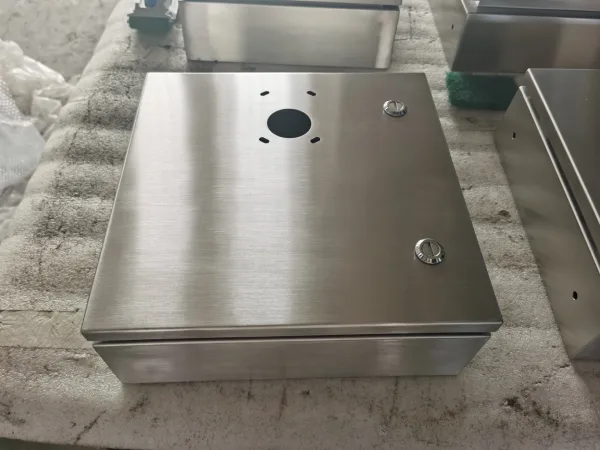
Outdoor communication cabinets benefit from G90 galvanized steel sheets under ASTM A653 for superior resistance to cutting corrosion. In environments demanding high hygiene standards or severe corrosion, AISI 316L stainless steel becomes the preferred choice for custom sheet metal box fabrication.
Material selection for custom sheet metal box fabrication requires comprehensive evaluation of mechanical properties, forming process windows, and compatibility with subsequent welding or coating processes. It must also ensure the material chain complies with regulations such as RoHS and REACH, backed by complete Material Test Certificates (MTC) to guarantee traceability.
High-Precision Cutting Technology for Sheet Metal Box Fabrication
Cutting marks the physical starting point of the sheet metal box fabrication process, with its precision and edge quality directly impacting all subsequent operations. Modern sheet metal box fabrication relies on three core digital cutting technologies, each optimized for specific production demands and serving as the primary guarantee for achieving design accuracy.
Fiber laser cutting technology is the preferred choice for complex contour cutting and small-to-medium batch custom sheet metal box fabrication. Its high-energy-density laser beam, transmitted via fiber optics, enables non-contact melting and cutting of various materials including carbon steel, stainless steel, and aluminum alloys. Key advantages include exceptional flexibility (no tooling required), outstanding cutting precision (±0.1mm), and superior edge quality (minimal heat-affected zone).
For high-volume custom sheet metal box fabrication involving numerous standardized features (e.g., grid ventilation holes, mounting hole arrays, louvers), CNC punching offers significant efficiency advantages. It rapidly performs multiple operations—punching, trimming, forming—in a single setup. This sheet metal box fabrication process surpasses laser cutting in speed for repetitive patterns. Furthermore, by utilizing forming dies, it can complete certain feature machining in a single operation, reducing subsequent steps.
Precision slitting and shearing form the foundational sheet metal box fabrication processes for subsequent forming operations, ensuring uniform blank material. High-precision slitting machines cut large coils into strips of specific widths with strict tolerance control, providing dimensionally accurate raw material for subsequent stamping or laser cutting. CNC shearing machines trim sheets to final dimensions or prepare blanks for further processing. The stability of this stage is fundamental to ensuring consistency in large-scale sheet metal box fabrication.
Only 4 steps
online custom metal fabrication parts
Contact our experts team and experience the efficiency and economic benefits of digital metal fabrication services.
Upload Design Files
STL , STEP (.stp), IGES (.igs), (.ZIP), or PDF.
Also be a sample or an idea
Quote & Design Analysis
Instant factory quotes and DfM reports, the most reasonable solution.
Manufacturing Begins
Digital processes can initiate order tasks within 24 hours.
On-Time Delivery
Keeping delivery promises, approved by 3000+ Global Company buyers.
Forming and Joining Processes in Sheet Metal Box Fabrication
In custom sheet metal box fabrication, forming and joining represent the core stages of transforming two-dimensional sheet metal into three-dimensional products with structural rigidity and functional form. The proficiency of these processes directly determines the final box's dimensional accuracy, structural integrity, and long-term reliability.
CNC Bending and Forming Technologies in Sheet Metal Box Fabrication
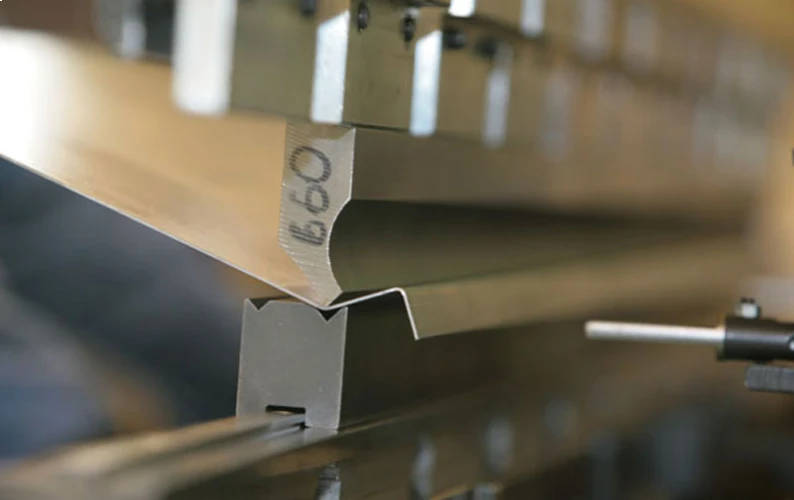
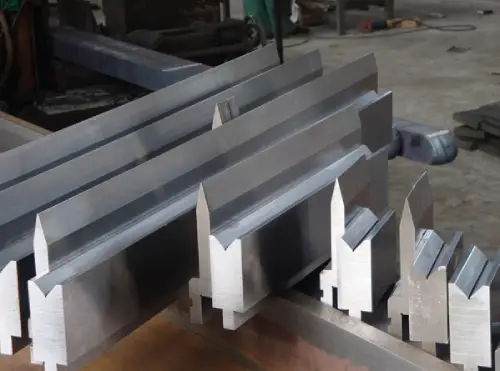
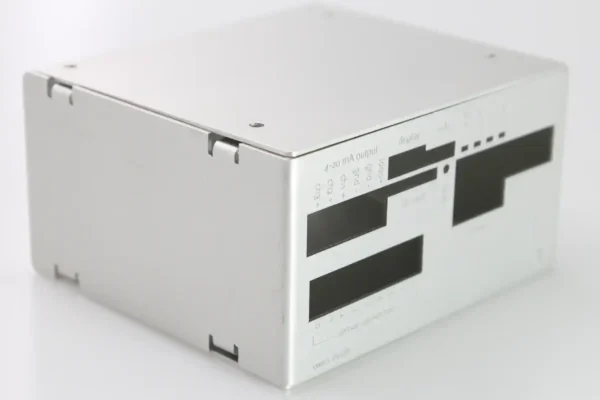
Modern high-precision sheet metal box fabrication frequently employs CNC bending technology. Its core lies in the precise prediction and control of material plastic deformation behavior. Supro utilizes CNC bending machines equipped with electro-hydraulic servo systems and real-time angle feedback sensors. Prior to fabrication, process software precisely calculates the K-factor and springback compensation values based on the material’s elastic modulus, yield strength, and thickness, integrating these parameters into the machine tool program.
During bending, sensors measure each bend angle in real-time. A closed-loop control system dynamically adjusts the upper die’s downward pressure to automatically compensate for springback, ensuring angle tolerances remain stable within ±0.5 degrees.
For complex custom sheet metal box fabrication involving multiple bends, sequence planning is critical. Simulation software optimizes the sequence to prevent tool interference and control cumulative errors. For high-volume or high-mix sheet metal box fabrication, multi-bend centers enable fully automated, single-setup completion of all bends, significantly enhancing consistency and efficiency for complex custom sheet metal box fabrication.
Structural Joining Techniques for Sheet Metal Box Fabrication
The selection of joining processes for custom sheet metal box fabrication depends on product requirements for strength, sealing integrity, and aesthetic appearance.
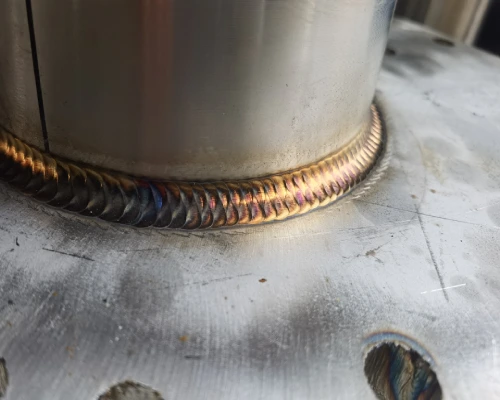
Welding provides permanent, high-strength connections for custom sheet metal box fabrication, suitable for boxes requiring excellent airtightness or bearing high structural loads. To minimize thermal distortion, we prioritize Cold Metal Transfer (CMT) welding technology. CMT minimizes heat input through precise droplet transition control, thereby reducing welding stresses and workpiece distortion.
For critical long welds or repetitive custom sheet metal box fabrication, Supro employs six-axis robotic welding to ensure consistent weld speed, angle, and current, achieving high-quality repeatability. Post-weld vibration stress relief or heat treatment is typically applied to eliminate residual stresses and ensure long-term dimensional stability.
For boxes requiring field assembly, maintenance, or joining dissimilar materials, mechanical fastening proves superior. Our custom sheet metal box fabrication services utilize Self-Piercing Riveting (SPR) and blind riveting techniques. SPR eliminates pre-drilling by directly piercing and locking through multiple sheet layers, creating high-strength, fatigue-resistant joints.
Blind rivet nuts and bolts provide robust internal threads on sheet metal components for easy subsequent assembly. These sheet metal box fabrication processes offer advantages including no heat-affected zones, preservation of substrate coatings, and consistent joint quality, making them highly suitable for high-automation production lines.
Surface Treatment and Functional Coatings in Sheet Metal Box Fabrication
In custom sheet metal box fabrication, surface treatment serves as the critical link between fundamental manufacturing processes and the final product's performance, service life, and market compliance.
It is not merely a simple painting operation, but rather a systematic engineering endeavor involving electrochemistry, fluid dynamics, and materials science. A rigorous coating process transforms precision-formed metal boxes into end products capable of withstanding harsh industrial environments, meeting stringent safety standards, and embodying brand value.
Chemical Pretreatment
Pre-treatment forms the foundation of sheet metal box fabrication surface treatment. Its quality determines the upper limit of coating adhesion and the baseline for long-term corrosion resistance. This process thoroughly removes rolling oils, rust-preventive oils, and contaminants introduced during handling, while generating a conversion layer that enhances adhesion. Typical steps include alkaline degreasing, water rinsing, acid pickling (or activation), water rinsing, and phosphating/chromating.
For example, with cold-rolled steel sheets, we employ a zinc-based phosphating process to form a uniform, dense microcrystalline zinc phosphate layer on the surface. This crystalline structure significantly increases surface area, providing robust mechanical interlocking anchors for subsequent coatings while also offering inherent corrosion resistance.
Coating Process Selection and Implementation for Sheet Metal Box Fabrication
The selection and implementation of coating processes for custom sheet metal box fabrication are determined by the end product’s application environment, aesthetic requirements, cost budget, and regulatory constraints (such as VOC emissions).
Powder coating is currently the most widely adopted eco-friendly coating technology in custom sheet metal box fabrication. Its near-100% material utilization, superior mechanical properties, extensive color and texture options, and absence of volatile organic compounds make it the preferred choice for products like network cabinets, industrial control boxes, and outdoor equipment enclosures.
Liquid spraying offers advantages when achieving specialized decorative effects or meeting extreme performance requirements. It enables extremely thin coating thicknesses (as low as 15-25μm), making it ideal for precision components with stringent dimensional tolerances. However, this sheet metal box fabrication coating process demands high parameter control and requires effective VOC emission management.
Electrophoretic coating is the sheet metal box fabrication coating process offering optimal edge coverage and comprehensive corrosion protection. Workpieces are immersed in a paint bath where, under an electric field, charged resin particles uniformly deposit onto the entire conductive surface—including all internal cavities, crevices, and sharp edges. This makes it ideal for boxes with complex internal structures or requiring ultimate rust resistance, such as automotive components and heavy-duty equipment boxes.
Coating Performance Verification
Coating performance must be quantitatively validated through a series of standardized laboratory tests. Sheet metal box fabrication manufacturers shall provide standard test reports for critical projects or batches.
Core tests include: ASTM D3359 Crosshatch Adhesion Test to evaluate coating-to-substrate bond strength; ASTM B117 Neutral Salt Spray Test to assess corrosion resistance; ASTM D523 Gloss Test and ASTM D2244 Color Difference Test to ensure color and gloss consistency. Additionally, abrasion resistance (ASTM D4060), impact resistance (ASTM D2794), and wet-heat cycling tests may be conducted upon request. These objective data not only demonstrate product reliability to customers but also serve as the basis for continuous improvement of the sheet metal box fabrication process.
Looking for a reliable custom sheet metal fabrication companies?
Talk To Supro MFG Expert Team
Contact us for competitive ex-factory prices,
and a full range of technical support services.
Full-Process Quality Control and Product Function Testing in Sheet Metal Box Fabrication
In professional custom sheet metal box fabrication, quality control is not an isolated step but a data-driven management system encompassing every phase from raw material intake to finished product shipment.
This is achieved primarily by establishing critical quality checkpoints throughout the entire process. Beyond verifying material composition and thickness, Supro conducts full-dimensional inspection using a coordinate measuring machine (CMM) on features with complex geometries after completing the first custom sheet metal box fabrication. Detailed inspection reports are generated to ensure the process capability index (Cpk) meets standards.
Following bending and welding operations, periodic inspections are performed using specialized gauges to monitor key parameters of the custom sheet metal box fabrication.
Furthermore, all assembled boxes undergo functional testing simulating real-world application environments. This includes, but is not limited to: – IP rating waterproof and dustproof testing per IEC 60529 to validate sealing design; – Transport simulation testing on vibration tables based on ISTA or customer-specific standards to verify structural rigidity; – Ground continuity testing and insulation resistance testing for enclosures with electrical interfaces to ensure electrical safety.
Conclusion
The success of custom sheet metal box fabrication has evolved from simple raw material processing into a precision systems engineering endeavor involving deep multidisciplinary collaboration. Its ultimate goal is not merely to produce a metal box conforming to drawings, but to deliver a complete solution that meets requirements in functionality, service life, compliance, and total cost of ownership.
Supro is a specialized sheet metal box fabrication manufacturer. Leveraging advanced equipment, extensive manufacturing experience, and a professional engineering team, we provide perfect custom sheet metal box fabrication services to over 3,000 companies worldwide, offering genuine manufacturer quotes.
As an industry-leading sheet metal box fabrication manufacturer, we efficiently deliver diverse products on schedule. From product design and rapid sheet metal prototype fabrication to mass production, we provide expert technical support and exceptional quality. We offer one-stop manufacturing solutions and highly cost-competitive product supply!