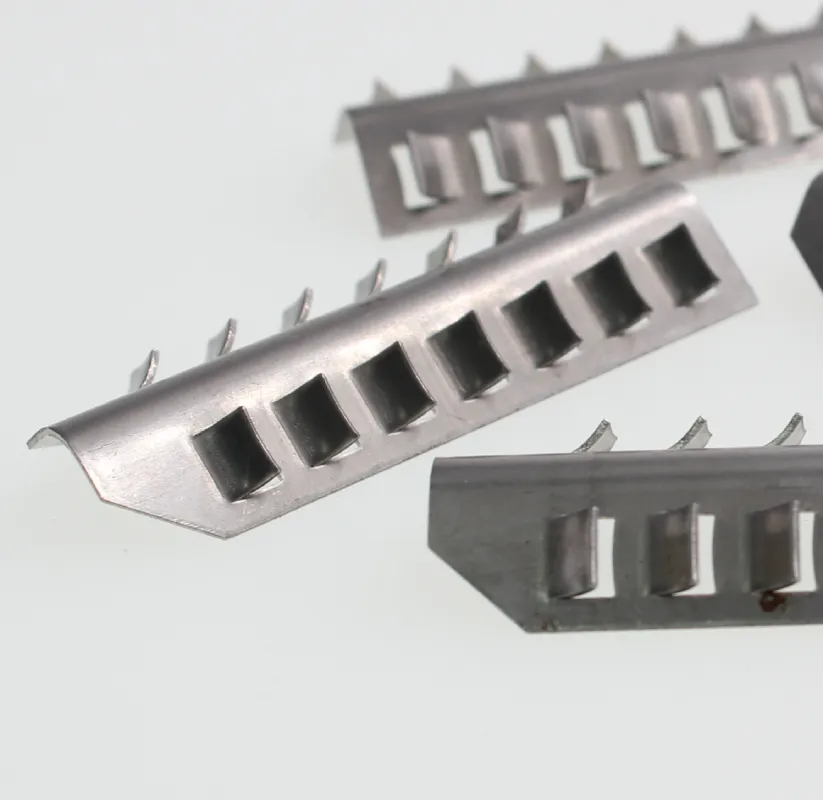
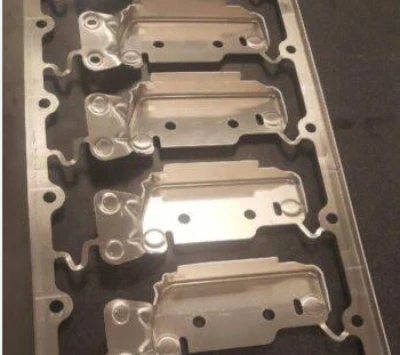

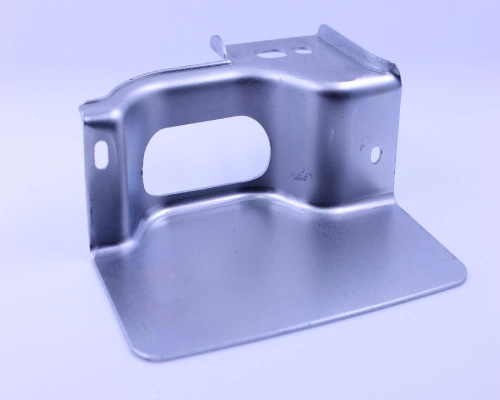
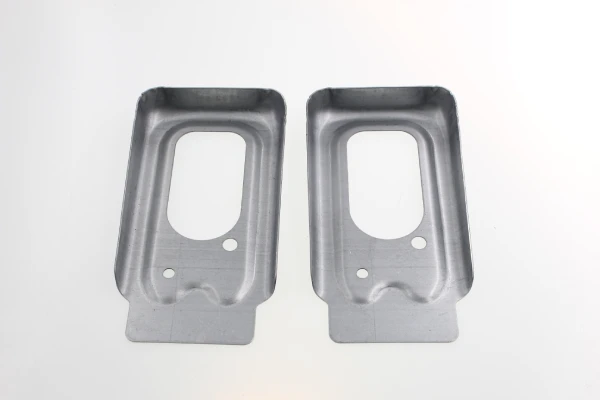
In various scenarios such as family storage, commercial warehousing and industrial equipment placement, metal bracket is the core component for supporting shelves and carrying items, and whether its selection is appropriate or not directly affects the safety, stability and practicability of the storage system. heavy duty metal brackets and standard metal brackets are the most commonly used two types of brackets in the market. Heavy duty metal brackets and standard metal brackets are the most commonly used two types of brackets in the market, although both are supportive accessories, but there are obvious differences in load-bearing capacity, structural strength and applicable scenarios.
In the following, the article will analyze the basic definition and core features of heavy duty metal brackets and standard metal brackets in detail, as well as explain the factors to pay attention to when selecting the type of brackets, which will help you make the right decision according to the needs of the shelves.
What is heavy duty metal brackets?
Heavy duty metal brackets are structural supports designed to withstand extremely high loads and harsh conditions. Their core features are superior strength, high load capacity and rugged construction. It is not only a thicker version of standard metal brackets, but also a significant improvement in material, design and manufacturing process.

Core features of heavy duty metal brackets
Material and Thickness: Usually high quality steel, such as carbon steel or stainless steel, is used, and the thickness of the plate is much greater than that of standard metal brackets to ensure that it has sufficient rigidity and will not bend or deform under heavy pressure.
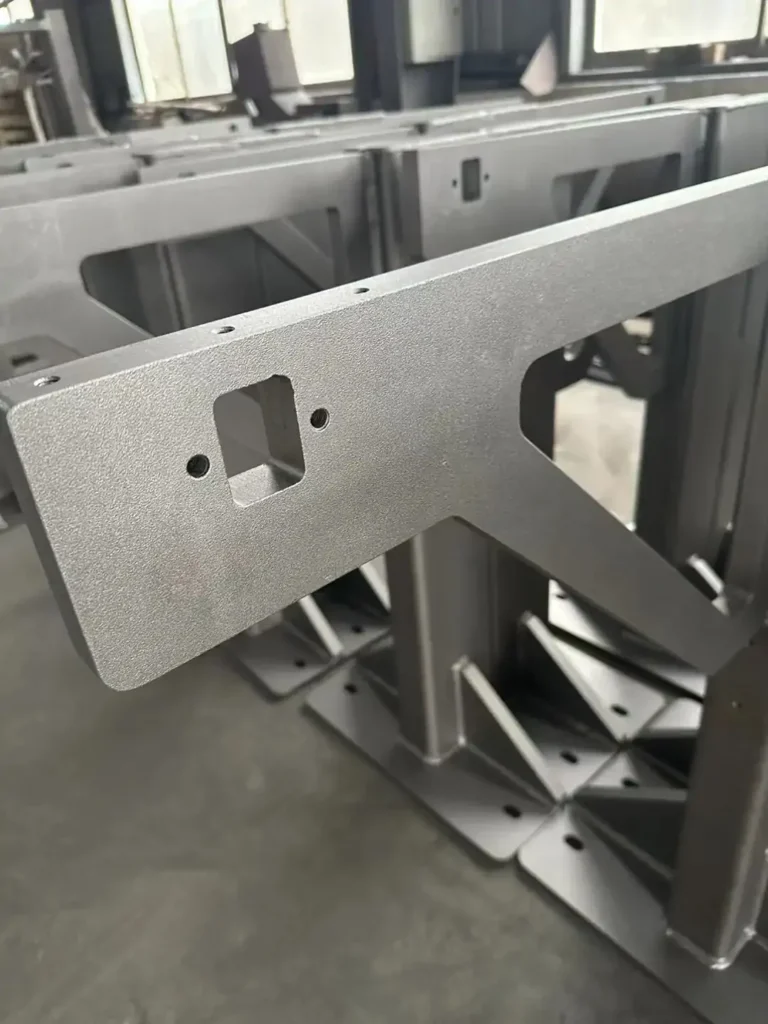
Reinforcement: This is one of the most significant features of heavy duty metal brackets. Between the vertical arm and the horizontal support arm of the bracket, triangular-shaped reinforcement bars are stamped or welded. This design greatly disperses the downward pulling force generated during load bearing, and is the fundamental guarantee of carrying capacity.
Support Arms: The horizontal support arms (the part used to support the shelves) are usually wider and thicker, providing a larger support area and preventing the shelves from buckling or breaking.
Load Capacity: The dynamic load capacity of individual heavy duty metal brackets is typically in the hundreds of pounds, while the static load capacity is much higher.
Finish: heavy duty metal brackets are usually given a rigorous surface treatment, such as powder coating or plating, to not only protect against rust and corrosion, but also to resist moisture, chemicals, or daily wear and tear for a longer lifespan.
Common application scenarios of heavy duty metal brackets
Industrial shelves, warehouse heavy duty storage system
Kitchen heavy stone, concrete countertops
Workbenches, heavy duty tool racks
Racks in garages for hanging bicycles, ladders or heavy equipment
Commercial displays, library shelves
Are you looking for reliable & cost-effective
China Sheet Metal Fabricators
More than 150,000 OEM metal fabrication products delivered to 5,000+ global buyers.
And benefit from it!
What is standard metal brackets?
standard metal brackets are one of the most common and widely used types of structural bracing components, providing cost-effective support and connections for a wide range of items and equipment in everyday household and light commercial environments. Their core orientation is to meet the needs of regular loads, with cost-effectiveness, ease of installation and simplicity of appearance as their main advantages.

Core features of standard metal brackets
Material and thickness: Usually made of thin steel or aluminum, the material is light and flexible, but not enough to withstand extreme weights.
L-Shaped Basic Structure: The most common standard metal brackets are a simple L-shaped right angle structure with no triangular reinforcements. This is the most intuitive difference between it and heavy duty metal brackets.
Support Arms: Their horizontal support arms are usually narrower and thinner and can support standard wood, laminate or glass shelves.
Load Capacity: Their load capacity is less than heavy duty metal brackets, with the dynamic load capacity of a single standard metal bracket usually ranging from a few dozen pounds to more than a hundred pounds (approximately 50-150 pounds), as clearly identified on the product packaging.
Surface treatment: usually simple painting or plating treatment, enough to cope with the regular indoor environment, but in the wet or corrosive environment, its durability is not as heavy duty metal brackets.
Common application scenarios for standard metal brackets
Bookshelves and shelves in study rooms and living rooms.
Internal support of desktop and countertop
Installation of curtain rods, towel racks, etc.
Small commercial display (e.g. convenience store merchandise display racks)
online custom metal fabrication parts
Only 4 steps
Contact our experts team and experience the efficiency and economic benefits of digital metal fabrication services.
Upload Design Files
STL , STEP (.stp), IGES (.igs), (.ZIP), or PDF.
Also be a sample or an idea
Quote & Design Analysis
Instant factory quotes and DfM reports, the most reasonable solution.
Manufacturing Begins
Digital processes can initiate order tasks within 24 hours.
On-Time Delivery
Keeping delivery promises, approved by 3000+ Global Company buyers.
How to choose
Shelf thickness
The L-shaped structure of metal bracket is divided into vertical arms (the part that is fixed to the wall) and horizontal support arms (the part that supports the shelves). The core of selection lies in making sure that the length of the metal bracket’s horizontal support arm matches the thickness of your shelf.
STANDARD METAL BRAKETS: Their horizontal support arms are usually shorter, and are generally suitable for shelves between 1″ (about 2.54 cm) and 1.5″ (about 3.8 cm) thick. This is a common thickness for most standard wood panels, laminates or MDF.
HEAVY DUTY METAL BRAKETS: Heavy duty metal brackets are required when your shelves are thicker than 1.5 inches (about 3.8 cm.) They have longer horizontal support arms, which provide a stable support area that prevents the shelves from wobbling back and forth or tipping over from the front due to insufficient support. And since thicker shelves inherently have more weight and need to carry heavier items, the overall construction of heavy duty metal brackets can match this high demand. Common types of thick shelving include solid wood slabs, stone or quartz countertops, concrete slabs, and multi-layer plywood.
Shelf Depth
The depth of the shelf (i.e., the distance the shelf extends outward from the wall surface) is different from the thickness of the shelf, which is directly related to the leverage support that the METAL BRAKET needs to generate and has a decisive impact on stability. The greater the leverage, the stronger the support.
standard metal brackets: their horizontal support arms are usually shorter in length and are generally suitable for shelves or racks up to 12 inches (about 30 cm) deep. Most common bookshelves, living room shelves, and small kitchen shelves are within this depth range. For these applications, standard metal brackets are sufficient to provide effective support with a smaller, less obtrusive appearance.
Heavy duty metal brackets: When shelves are deeper than 12 inches (about 30 cm), heavy duty metal brackets must be considered, which are made of thicker steel and have a triangular reinforcement structure that distributes and transmits large tensile forces to the wall, effectively resisting bending and deflection. Heavy duty metal brackets also provide a larger bottom contact area for deeper shelves, which provides greater leverage and prevents shelves from bending or breaking due to insufficient support in the center.
Item weight
The metal bracket must be matched to the load.
Dynamic Load: The total weight that the bracket can safely carry after installation.
Static Load: The ultimate weight that the bracket can withstand under ideal laboratory conditions, usually much higher than dynamic loads.
Aesthetics
Metal bracket not only has the function of supporting, fixing and connecting, but also helps to improve the overall appearance of the rack. Whether you want to pursue minimalist design, classic style or industrial style, different types of metal bracket can meet your needs.
standard metal brackets: Compact design, clean lines, and mostly white, black, or neutral matchy-matchy colors. Due to their small size, they are easier to hide visually or as an accent to a shelf.
Heavy duty metal brackets: their structure is thicker with triangular reinforcements, suitable for industrial style and minimalism.
Additional Factors
Durability & Environment: Wet environments require attention to the metal bracket’s ability to resist rust and corrosion. Stainless steel heavy duty metal brackets are usually a better choice.
Quantity of metal brackets: Whether heavy duty metal brackets or standard metal brackets, the quantity installed needs to be able to support the entire shelf. When the spacing between metal brackets is too large, even heavy duty metal brackets will not prevent sagging or instability. Therefore, the correct number and placement of brackets is critical to maintaining the structural integrity of the rack.
Looking for a reliable custom sheet metal fabrication companies?
Talk To Supro MFG Expert Team
Contact us for competitive ex-factory prices,
and a full range of technical support services.
Summary
Supro is a metal bracket manufacturer from China, supplying highly competitive products to various industries for standard or non-standard metal brackets and related components.
With extensive experience in metal bracket manufacturing, we can provide heavy duty 90 degree metal brackets, heavy-duty L-shaped metal brackets, heavy-duty metal U brackets, or any custom bracket you require.
If you’re seeking a custom metal bracket supplier, contact us immediately!