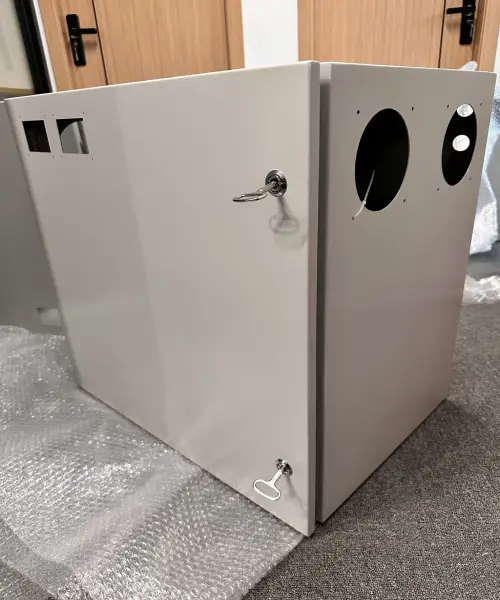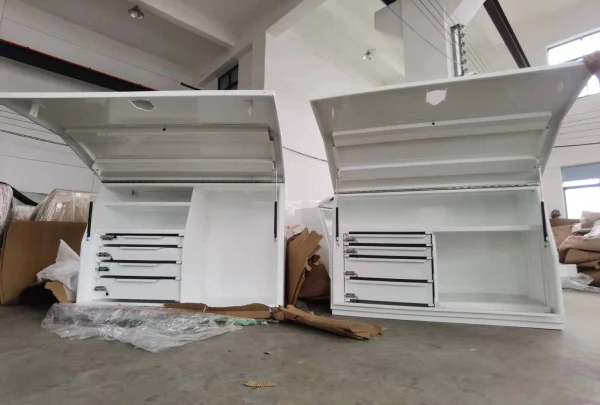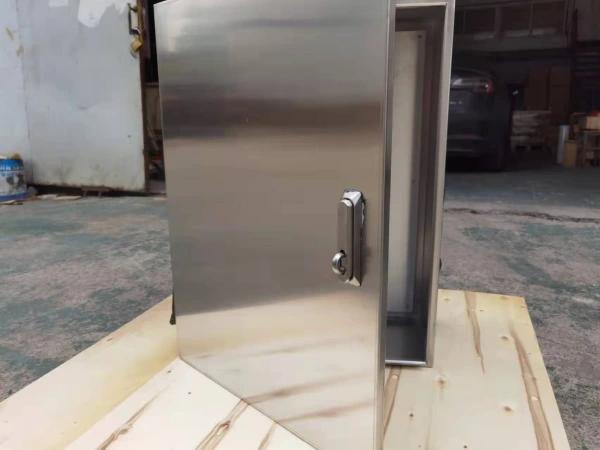


Outdoor equipment is usually faced with ultraviolet rays, sun exposure, wind and rain erosion, sudden changes in temperature and corrosive substances, outdoor metal enclosure as a protective barrier for the equipment, directly determines the stability of the operation of outdoor equipment and service life. If the outdoor metal enclosure is not properly selected, it will affect the function of outdoor equipment, and even lead to safety hazards.
The article will analyze the Outdoor metal enclosure materials, design features, durability, installation practices and typical applications in detail, aiming to provide you with practical and comprehensive outdoor metal enclosure selection reference, to help you select the appropriate enclosure, to protect the long-term stable operation of the equipment.
Rapid Prototype Turnaround
Committed to exceeding expectations for quality and rapid turnaround, and meeting high-quality sheet metal parts.
On-Demand Sheet Metal
Whether it is rapid prototyping & large-volume manufacturing, we will implement it according to customer needs and standards.
Real Fabricators Price
Integrate product design, bending, stamping, cutting, surface treatment, etc. to provide a series of manufacturing solutions.
Why custom outdoor metal enclosure is needed
Outdoor equipment is always facing the threat of wind, rain, dust, ultraviolet rays, high and low temperatures, as well as external impacts, and outdoor metal enclosure can provide a solid and reliable protective barrier for outdoor equipment:
- outdoor metal enclosures provide solid physical protection. With its high strength and rigidity, it can effectively resist accidental collision, extrusion and vandalism, and protect the internal components from physical damage. At the same time, the outdoor metal enclosure’s airtight design prevents the intrusion of dust, rain and insects.
- outdoor metal enclosure has strong environmental weathering properties. With its surface treatment, it has excellent resistance to corrosion, rust and UV rays, and is able to withstand the challenges of long-term sun and rain, salt spray and humidity.


- outdoor metal enclosure has excellent heat dissipation and security. It has good electromagnetic shielding (EMI) effect, which can prevent external electromagnetic interference and also reduce the radiation of the equipment to the outside world.Enclosure can effectively prevent the danger of electric shock through the grounding design. At the same time, metal is a good conductor of heat, can effectively conduct the heat generated by the equipment to the outside world, to prevent the equipment from overheating and affecting the operation.
- outdoor metal enclosures extend equipment life and reduce maintenance costs. It has excellent corrosion resistance, and the metal material is stable, can be used for a long time, not easy to appear aging, fading and other problems, effectively reducing the frequency and cost of equipment maintenance.
customized outdoor metal enclosure common materials
Outdoor metal enclosure materials directly determines its ability to resist erosion, structural strength and applicable scenes, the mainstream materials are galvanized steel, stainless steel, aluminum alloy.
Galvanized Steel
stainless steels
aluminum alloy
Features
A layer of zinc is plated on the surface of ordinary carbon steel by hot-dipping or electroplating to protect the steel from corrosion in wet or acidic environments.
Mainly refers to 304 or 316 grade stainless steel, can form a dense passivation film, has excellent corrosion resistance, can resist moisture, acid rain and salt spray
Aluminum alloy is the core choice for outdoor lightweight demand scenarios, and needs to be anodized or painted to enhance its corrosion resistance.
Advantages
Relatively low cost, high structural strength, high load bearing capacity, good adhesion of plating layer
High strength, high hardness, wear-resistant and scratch-resistant, durable, good appearance and texture
Lightweight, easy to process, good heat dissipation and electromagnetic shielding, moderate cost
Limitations
Heavier weight, if the plating layer is damaged, the steel inside will rust. Appearance is not as delicate as stainless steel and aluminum alloy
Highest cost and weight
Strength lower than steel, moderate impact resistance
Scenarios
Large cabinet enclosure, electric power facilities, outdoor distribution box enclosure, base station, etc.
Coastal areas, chemical facilities, food processing plants or high-end outdoor buildings, etc.
Communication base station, outdoor monitoring equipment enclosure, outdoor lamps and lanterns enclosure, etc.
Get instant ex-factory price quotation.
If you only have an idea or an old sample,Let us know.
with photo or video and get our quotation and manufacturing solutions.
- Product design drawings or 3D model files.
- Material standards and appearance requirements.
- Product quantity demand.
- Industry standards in the application field.
- Functional requirements
custom metal enclosure Design features
Outdoor metal enclosure design needs to be centered around the "fight against complex outdoor environments, to ensure the stable operation of equipment, reduce long-term maintenance costs" to start, excellent design can give full play to the advantages of metal materials, and make up for its potential weaknesses, to ensure that the equipment in the outdoor long-term stable operation.
Protective performance design
The outdoor metal enclosure determines the protection level according to the usage environment and realizes precise adaptation.
For example, IP66/IP67 sealing is recommended for rainy or coastal scenarios, with EPDM sealing strips and waterproof glands to prevent rainwater from penetrating into the internal circuitry; underground corridors and other scenarios are upgraded to IP68.
For dusty industrial environments, enclosure can be designed with a tilted top cover and bottom dust drain holes to prevent dust buildup and water retention. In the face of possible malicious destruction of roadside equipment, can be added through the "thick shell + anti-pry locks" to strengthen the physical protection.
Heat dissipation design
outdoor metal enclosure in the protection requirements of the scene is a little low, can be used with dust net and rain cover ventilation window, the use of air convection cooling; in the heat generation of large equipment, can be designed to dissipate heat fan, and with the dust filter, the formation of effective heat dissipation air ducts.
Surface treatment process
The common surface treatment process of outdoor metal enclosure includes powder coating and anodic oxidation, which can not only provide rich colors, but also form a solid protective film to enhance the ability of enclosure to resist ultraviolet rays, corrosion and scratches.
Installation and maintenance convenience design
The outdoor metal enclosure is designed with wide door opening and closing angles (e.g. 180°), and quickly removable panels, which greatly facilitates installation and subsequent maintenance.
Enhance the durability of outdoor metal enclosure for households
The initial durability of outdoor metal enclosure is determined by the material, but its final service life can be prolonged by the surface treatment process and detail design in the manufacturing process. Powder coating, anodizing, and hot-dip galvanizing are commonly used surface treatment methods, and the selection of the process is targeted according to the characteristics of the metal material during the manufacturing process to improve the durability of the outdoor metal enclosure.
In the detail design to enhance the durability of outdoor metal enclosure, we can: use insulating gaskets, nylon sleeves or coatings to isolate dissimilar metals from each other to avoid galvanic corrosion (when two different metals are in direct contact in a humid environment will form a proto-cell, accelerating the corrosion of the more active metal); the outdoor metal The top cover of outdoor metal enclosure should be designed as a slanting top, and reserve drainage holes to ensure that rainwater and condensate can be quickly discharged to eliminate long-term water corrosion; use high-quality seals in the box door and the interface to prevent moisture invasion of the interior; for the vents, cooling holes are equipped with a rain cover and so on.
outdoor metal enclosure installation points
Correct installation is the last key link to ensure that outdoor metal enclosure gives full play to its performance. Improper installation may damage its protection level, leading to premature corrosion or equipment failure.
Installation location and enclosure inspection
Avoid installing the outdoor metal enclosure in low-lying areas with standing water, directly under drainage outlets, or in areas with high concentrations of salt spray/chemical corrosive gases. Choose a location that is well ventilated and easily accessible for subsequent maintenance operations. Also, before installation, carefully check whether the enclosure has been deformed during transportation, whether the surface coating is intact, and whether the sealing strip is flat, not broken or detached. Confirm that the drainage holes are clear.
Grounding and safety
The outdoor metal enclosure must be effectively grounded in strict accordance with electrical codes. This is a necessary measure to ensure personnel safety and prevent electric shock.
During installation, use appropriate tools to avoid scratching the enclosure surface.
Heat dissipation and maintenance space
When installing, the vent of the outdoor metal enclosure should be far away from walls or other obstacles, reserving enough space for air inlet and outlet to avoid overheating of the equipment due to reduced heat dissipation efficiency.
Ensure that the enclosure can be fully opened, and there is enough space for personnel wiring, maintenance and replacement of parts, avoid installation in narrow corners.
No design files? Let Supro MFG do it for you.
We often come across clients who have no professional design drawings and documentation, only a creative idea, which leads to the project being at a standstill.
If you are in this situation, then contact our team of experts.
Supro MFG, as an industry-leading custom metal fabricator, has an ever-experienced team of engineers who utilize their extensive fabrication experience and technical expertise to build your idea into a real product and create design files such as STEP/STP/SLDPRT/DXF/PDF/PRT/DWG/AI.
That’s what makes SUPRO MFG so great, and 2,000 corporate, entrepreneurial, artist, and other purchasers from around the world enjoy working with us and benefiting from our one-stop manufacturing services.

Applications for outdoor metal enclosures
outdoor metal enclosures are not unattainable industrial products, they are ubiquitous in our daily lives:
- Distribution box enclosures in neighborhoods
- Transformer enclosures and photovoltaic inverter enclosures in green spaces along roadsides.
- Road traffic signs
- Parking lot gate control cabinet enclosure
- Surveillance cameras in public places
- New energy vehicle charging pile enclosure
- outdoor lighting enclosure
outdoor metal enclosure has penetrated into every aspect of our life, although they are low-profile, but to support the stable operation of outdoor electronic equipment is the key cornerstone.

Frequently Asked Questions
Aluminum alloy and stainless steel, which material is more suitable for outdoor?
This depends on the specific application and environment. Stainless steel (especially 316) in the corrosion resistance of the best performance, especially for high salinity, high humidity coastal areas or chemical plant areas, but the highest cost and weight. Aluminum alloy in the weight, heat dissipation and cost of the best balance between the surface treatment to meet the needs of most outdoor environments, is the first choice for communications, power and other industries. In short, corrosive environment selection of stainless steel; the pursuit of comprehensive performance and lightweight selection of aluminum alloy.
Does outdoor metal enclosure need maintenance?
Simple regular maintenance is required, and it is recommended to check every six months or once a year. Check the surface coating for scratches and rust; clean the drainage holes to prevent clogging; check whether the sealing strip is aging, losing elasticity or broken; and remove the dust and debris on the dust net of the vent to ensure smooth heat dissipation.
How to prevent condensation inside outdoor metal enclosure?
Condensation is caused by the temperature difference between inside and outside the enclosure, and the moist air condenses on the inner wall. Solutions include having physical drainage or using a heater.
Get An Instant Quote Now!
If you are looking for Outdoor Metal Enclosure Suppliers, please contact us now,
Supro MFG can provide you with professional outdoor metal enclosure selection advice and enclosure one-stop service! Provide a solid fortress for your outdoor equipment, so that your project will be stable and efficient!
F.A.Q
Supro MFG is a China-based custom metal parts manufacturer, not a trading company. We specialize in custom sheet metal parts, prototypes and related metal fabrication processes under an ISO 9001:2015-certified quality system. Surface treatment, heat treatment and standard purchased components may be coordinated with qualified supporting suppliers when required by the project. Learn more about our factory.
Yes. We operate our own sheet metal fabrication, welding, laser-cutting and precision CNC machining workshops, covering more than 3,000 square meters. The original operating team includes 12 technical engineers, 36 skilled workers, six quality engineers and an English-speaking project-support team.
Yes. NDA requirements can be confirmed before detailed technical review. Customer drawings, specifications and patented technology are treated as confidential, and access is limited to authorized personnel involved in engineering, production, quality and project communication. Contact our project team before sending sensitive files if you require an NDA first.
Yes. Our engineering team can help develop manufacturable design files from your concept, reference sample or functional requirements. Supported formats may include STL, STEP, IGES, PDF and CAD. DFM feedback can be provided to improve manufacturability, control cost and prepare the design for prototyping. You can send your concept or requirements for an initial review.
Quality control begins with drawing and material review and continues through receiving inspection, First Article Inspection (FAI), In-Process Quality Control (IPQC), dimensional verification, surface-finish inspection, packaging inspection and final release. Inspection reports, photographs and third-party inspection support can be provided according to the agreed project scope.
Common payment methods include T/T, PayPal, Western Union and L/C. The applicable payment schedule and channel are confirmed during quotation and order review.
Yes. PPAP Level 3 documentation can be provided when it is included in the agreed quotation and quality-documentation scope. Tell us your PPAP requirements during RFQ review so the document package can be quoted correctly.
Our quotation is based on the specified material, manufacturing route, labor, tooling, surface finish, inspection scope and required documentation. We prioritize traceable materials, controlled production and verified quality rather than reducing price through unapproved substitutions or omitted inspection. The objective is a competitive total manufacturing cost with lower quality and delivery risk.
We do not set a general minimum order quantity. Suitable custom sheet metal projects may begin with a small number of prototypes or validation parts and later transition to low-volume or repeat production. Feasibility and pricing still depend on tooling, material, setup and process requirements.
Before production, we review material availability, tooling, process sequence, inspection scope and required finishing, then establish a project-specific production plan. Progress is monitored against key milestones, and capacity or scheduling risks are escalated when identified. Delivery commitments remain subject to approved requirements and force-majeure events.