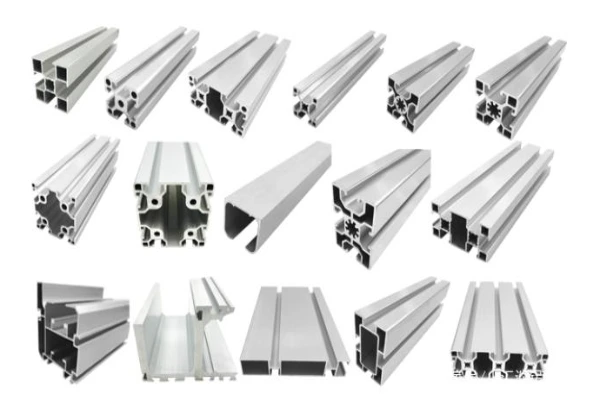




In aluminum extrusion, avoiding warping, surface cracks, and thermal stress is not a matter of luck but requires systematic control. Supro’s experience shows that these three defects can all be traced back to a few preventable root causes: die wear, billet contamination, uncontrolled oxidation, and poor thermal management.
The aluminum extrusion process demands proactive management at every stage—from preheating in an inert atmosphere to post-extrusion anodizing. For buyers, the difference between scrap and precision products lies in whether there are comprehensive die maintenance records, real-time statistical process control (SPC) for thermal gradients, and traceable batch management. At Supro Mfg, we have built our custom aluminum extrusion workflow around these control measures.
In our previous article, “3 Common Issues in Extrusion Processing,” we analyzed the three core causes of warping, surface cracking, and temperature control failures in aluminum extrusion. Building on that foundation, this article will guide you through proven steps—die maintenance, anti-oxidation measures, and a zero-defect production system—to help you source with confidence. Whether you require standard aluminum extrusion profiles or complex custom machining, mastering these preventive strategies ensures dimensional stability and structural integrity, making every order flawless.
Die Wear and Material Contamination in the Aluminum Extrusion Process
Aluminum extrusion sounds simple—pushing molten aluminum through a die to shape it—but the reality is far more complex. During the extrusion process, even minor variations in the die or raw materials can trigger a chain reaction, leading to scrap, delays, and skyrocketing costs. Consistency is key to production. Next, let’s examine how die wear and material contamination silently impact the aluminum extrusion process.
Die Wear
Die wear is not merely a tooling issue—it directly threatens the dimensional accuracy of every aluminum extrusion production run. Once a die begins to wear, tolerances drift: thin-wall dimensions fluctuate, surface drag marks appear, and lubrication failure accelerates metal buildup.
In the aluminum extrusion process, high punch speeds erode bearing surfaces, while unstable billet temperatures disrupt metal flow. The result? Scrap profiles and delivery delays. As a leading aluminum extrusion manufacturer, Supro prevents such issues through rigorous die management: regular visual inspections, controlled re-polishing, and wear logs maintained for each order.
At Supro Mfg, we track the history of every die set by batch. For custom aluminum extrusions, this rigor ensures repeatable tolerances and surface finish. When evaluating aluminum extrusion services, be sure to review die maintenance records—this is the guarantee of consistent quality.
Contamination of Aluminum Extrusion Material
Even with the most perfect dies, aluminum extrusion production will fail if the billet is contaminated. Based on Supro’s production experience, surface bubbles, oxide inclusions, and unstable mechanical properties often stem from impure melt raw materials or poor scrap management. During the casting process, trapped oxides form internal defects; foreign matter introduced during handling leads to visible defects.
Clean raw materials must be used in the aluminum extrusion process. This requires verifying chemical composition via spectrometer, visually inspecting billets, and designating dedicated storage areas. A reliable aluminum extrusion manufacturer treats billet cleanliness as a non-negotiable principle. At Supro Mfg, we strictly enforce furnace cleaning protocols and segregate alloys by batch.
For custom aluminum extrusions, cleaner raw materials mean smoother flow channels, stronger mechanical properties, and fewer on-site failures.
Addressing Surface Oxidation in the Aluminum Extrusion Process
Surface oxidation can silently undermine an otherwise flawless aluminum extrusion production run. When aluminum billets are heated, contact with oxygen forms an oxide layer that affects surface finish, adhesion, and long-term corrosion resistance. During the extrusion process, strict surface control is absolutely essential—it directly determines whether a product becomes scrap or a marketable finished good.
Atmosphere Control: From Inert Gases to Vacuum Solutions
The oxidation process begins long before the aluminum billet enters the extruder. Therefore, atmosphere control in the preheating furnace is critical to achieving clean aluminum extrusions.
By displacing oxygen with nitrogen (N₂) or argon, we can prevent excessive oxide formation on the surface of the aluminum billet. For high-value custom aluminum extrusions, Supro recommends argon as the preferred choice—its low reactivity results in minimal oxide scale. For precision machining, vacuum furnaces remove oxygen mechanically, delivering billets with virtually no oxide scale. This immediately benefits the aluminum extrusion process: reduced surface contamination means fewer defects after extrusion and lower finishing costs.
As a professional aluminum extrusion manufacturer, Supro monitors O₂ concentrations in real time and employs an automatic alarm system to address any deviations. At Supro Mfg, we combine gas flow control with temperature regulation to prevent sudden temperature spikes. Clean input, clean output—this is the key principle for achieving repeatable custom aluminum extrusions.
Post-Extrusion Anodizing and Powder Coating Options
Even under strict furnace temperature control, a thin oxide film forms during the aluminum extrusion process. This is where post-extrusion surface treatment truly demonstrates its value.
Anodizing creates a durable, corrosion-resistant surface, making it ideal for architectural profiles that require coloration and UV resistance. The process involves cleaning, etching, anodizing, and then sealing.
Powder coating offers an alternative: electrostatic spraying combined with thermosetting polymer curing provides impact resistance and color consistency. Some facilities combine light anodizing with a topcoat for coastal environments.
In aluminum extrusion, the choice of process depends on the specific application—anodizing preserves the metallic luster, while powder coating masks surface irregularities and enhances toughness.
At Supro Mfg, we document every surface treatment step in detail and tailor the surface treatment solution to your specific operating environment. For custom aluminum extrusions, be sure to clearly specify corrosion protection and mechanical performance requirements upfront to avoid mismatched protective measures later on. When comparing aluminum extrusion processing services, inquire about their in-house surface treatment control capabilities—this is the final line of defense in quality control.
Early Oxide Detection Protocol
Early detection of oxide layers can save an entire batch of aluminum extrusion production. During the extrusion process, Supro employs layered inspection—rather than relying on guesswork. Inspection begins with the arrival of raw materials: verifying Material Test Reports (MTRs), confirming alloy composition, and checking billet storage conditions.
During the aluminum extrusion process, we visually inspect the profiles under controlled lighting and perform eddy current testing to detect subsurface defects before they develop into visible cracks. Surface roughness measurements provide another critical data point. After anodizing or coating, we test for adhesion and film thickness—all steps are documented in accordance with ISO 9001 standards.
At Supro, these procedures form a closed-loop management system. We inspect the oxide layer, trace the root cause, adjust the furnace atmosphere or operating procedures, and then re-inspect. This rigorous process ensures that custom aluminum extrusions are flawless and ready for surface treatment. Early detection is cost-effective—rework is what truly drives up costs.
No design files? Let Supro MFG do it for you.
We often come across clients who have no professional design drawings and documentation, only a creative idea, which leads to the project being at a standstill.
If you are in this situation, then contact our team of experts.
Supro MFG, as an industry-leading custom metal fabricator, has an ever-experienced team of engineers who utilize their extensive fabrication experience and technical expertise to build your idea into a real product and create design files such as STEP/STP/SLDPRT/DXF/PDF/PRT/DWG/AI.
That’s what makes SUPRO MFG so great, and 2,000 corporate, entrepreneurial, artist, and other purchasers from around the world enjoy working with us and benefiting from our one-stop manufacturing services.
Best Practices for Ensuring Reliability in Aluminum Extrusion Production
The success of large-volume aluminum extrusion projects hinges on effective management. When orders surge, loose scheduling simply cannot keep up. In such situations, rigorous systems, close communication, and smart logistics ensure stable, defect-free output and on-time delivery—all while keeping the process smooth and hassle-free.
Expanding Production Capacity Through Delivery Flexibility
To scale up high-volume or custom aluminum extrusion production, capacity must be adjusted based on real-time demand rather than guesswork. Supro employs a 12-week rolling forecast tied to press availability and die readiness. Daily production targets and a scrap rate below 1.5% ensure the efficient operation of the aluminum extrusion process.
For urgent orders, an overtime buffer mechanism absorbs demand spikes. While the standard lead time is 3 to 5 weeks, we offer a flexible delivery window of ±7 days by conducting parallel die commissioning and shipping in batches to support phased assembly. Supro delivers flexible delivery solutions without compromising scrap control.
Scaling up does not mean chaos. For custom aluminum extrusion, predictable lead times and practical flexibility are what distinguish a reliable partner from an ordinary manufacturer. Flexibility is a capability, not an empty promise.
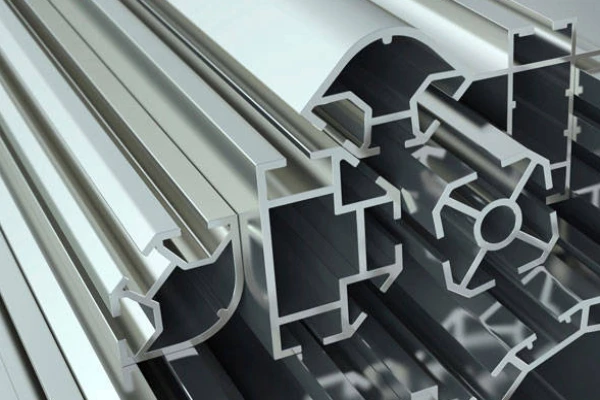
Implementing ISO and AS9100 Traceability Systems in Aluminum Extrusion Production
Traceability is not just paperwork—it is the cornerstone of reliable aluminum extrusion. ISO certification provides us with documented workflows; the AS9100 standard ensures aerospace-grade rigor. Every control point is meticulously recorded: billet batch IDs at material intake, press temperatures for each extrusion run, aging times for each cycle, and 100% dimensional inspection prior to packaging.
In the aluminum extrusion process, this traceability chain allows deviations to be identified and addressed before they escalate into problems. Supro maintains digital audit trails and conducts quarterly internal audits, ensuring the consistent quality of our aluminum extrusion profiles. We retain inspection reports from billet to finished product for our customers’ review.
Control Point | Data Recorded | Audit Frequency |
Billet Intake | Alloy batch ID | Per shipment |
Extrusion Run | Press temp (°C) | Per lot |
Aging Process | Time (hrs) | Per cycle |
Final Inspection | Dimensional variance (mm) | 100% check |
Dedicated Account Management
Account management is critical. This involves assigning a dedicated project manager, sharing milestone dashboards, and ensuring a response within 24 hours. When providing aluminum extrusion processing services, contract flexibility is essential: clear terms, flexible production volume provisions, and timely updates to service level agreements (SLAs) help avoid friction when demand changes.
Quarterly performance reviews, real-time change order tracking, and transparent pricing adjustments help build long-term trust. As a professional aluminum extrusion manufacturer, Supro combines rigorous operational management with responsive customer service to minimize unexpected issues. Agile communication transforms problems into solutions before they escalate.
Logistics and Transportation Strategies for Large-Scale Delivery of Aluminum Extrusion Profiles
Transporting large volumes of aluminum extrusion profiles requires not only trucks but also a carefully designed logistics plan. We begin by customizing shipping crates for long profiles and applying protective film to safeguard surfaces. Our comprehensive network includes rigorously vetted carriers, regional warehousing, and scheduled delivery windows.
Risk mitigation is critical: international shipments utilize consolidated containers and real-time tracking throughout the supply chain, with damage rates maintained below 0.8%. Supro treats logistics as an integral part of the production process, ensuring on-time delivery every time. We plan transportation solutions for custom aluminum extrusions with the same rigor as we apply to the extrusion production process.
online custom metal fabrication parts
Only 4 steps
Contact our experts team and experience the efficiency and economic benefits of digital metal fabrication services.
Upload Design Files
STL , STEP (.stp), IGES (.igs), (.ZIP), or PDF.
Also be a sample or an idea
Quote & Design Analysis
Instant factory quotes and DfM reports, the most reasonable solution.
Manufacturing Begins
Digital processes can initiate order tasks within 24 hours.
On-Time Delivery
Keeping delivery promises, approved by 3000+ Global Company buyers.
Frequently Asked Questions About Aluminum Extrusions
How does the selection of alloy grades affect the straightness of aluminum extrusion profiles?
Straightness hinges on selecting the correct alloy grade and heat treatment condition. Different chemical compositions react differently to heat, which directly determines the mechanical properties and ultimate stability of custom aluminum extrusions.
During billet preheating and the extrusion process, heat-sensitive alloys are more susceptible to uneven cooling patterns.
Improper control can lead to increased warping, reduced length accuracy, and dimensional tolerance violations.
Proper tension straightening and controlled heat treatment processes can restore balance.
When the choice of aluminum extrusion material, press settings, and cooling rates are coordinated, the profiles maintain clean, stable, and predictable lines.
What steps can help prevent surface cracks in the aluminum extrusion process?
Surface cracks typically indicate a conflict between material limits and process control. Preventive measures rely on close coordination between aluminum extrusion material data and shop floor discipline:
Match the material grade to the actual load requirements and cross-sectional complexity.
Maintain well-designed dies and ensure sufficient press capacity to minimize dragging and tearing.
Employ staged cooling methods to avoid thermal shock.
Follow strict inspection protocols, incorporating non-destructive testing techniques, to detect cracks early.
When heat, pressure, and die flow are balanced, surface quality remains smooth and reliable.
Why does die design play a decisive role in the precision of aluminum extrusion?
The die silently determines how the metal flows, stretches, and takes shape. Its geometry guides the distribution of pressure across the profile.
A well-designed die:
Balances metal flow within complex cross-sectional shapes.
Limits wall thickness variations and internal stresses.
Ensures straightness, surface finish requirements, and final dimensional tolerances.
Combined with skilled die manufacturing processes, robust R&D capabilities, and coordinated logistics and transportation following post-processing steps such as anodizing or powder coating, this ultimately results in aluminum extrusion profiles that meet performance requirements.
Summary
To prevent warping, cracking, and thermal stress in aluminum extrusion production, strict control is essential: die maintenance, billet cleanliness, inert atmosphere, and SPC-based cooling management. Combined with ISO/AS9100 traceability and a flexible logistics system, you will receive repeatable custom aluminum extrusions. At Supro Mfg, we integrate quality control into every stage of the extrusion process.
As a professional aluminum extrusion manufacturer, we leverage advanced equipment, extensive manufacturing experience, and a dedicated engineering team to provide flawless aluminum extrusion processing services to over 3,000 companies worldwide, along with genuine manufacturer quotes. We deliver a wide range of products efficiently and on time. From product design and rapid sheet metal prototype fabrication to mass production, we offer professional technical support and exceptional quality. Furthermore, we provide one-stop manufacturing solutions and highly cost-competitive product supply!