

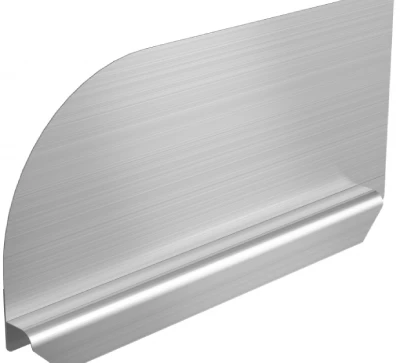
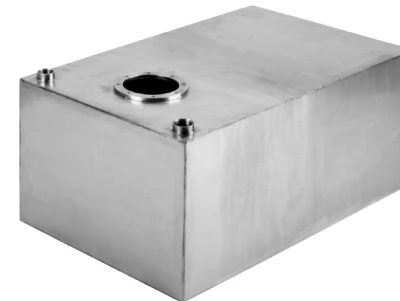
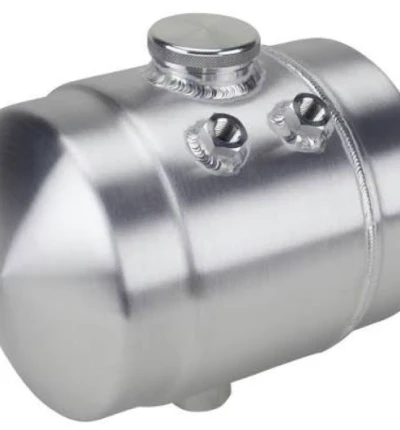

In the design and installation of electrical systems and equipment, the enclosure plays a vital role, it is not only the protective barrier of the internal components of the equipment, can resist the physical impact, dust, water vapor and other external environmental factors, and is directly related to the safety of the equipment performance and operational stability.
Metal enclosure and non-metal enclosure is the mainstream of the market two types of electrical enclosure, both in the protection ability, electromagnetic shielding, weight, cost and applicable environment, there is no absolute advantages and disadvantages, the focus is on whether to match your equipment application scenarios.
The article will analyze the advantages and disadvantages of the metal enclosure and non-metallic enclosure, and through the comparison to help you clarify the decision-making ideas, so that your project selected the most suitable “guardian shell” to ensure that the electrical equipment in the complex working conditions can be stable, reliable and efficient operation.
What is electrical equipment enclosure
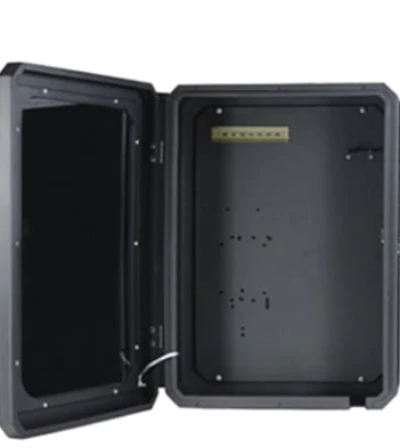
Electrical equipment enclosure is a structural component that wraps and protects the core components inside the electrical equipment, and is an indispensable part of the electrical equipment.
It not only provides physical support for the internal components, but also bears multiple key functions: on the one hand, it can resist the external environment of dust, water vapor, oil, corrosive gases, ultraviolet rays, etc., and buffer the mechanical impact, vibration, and extrusion damage, to avoid failure of the components due to environmental factors; on the other hand, it can be isolated from the internal electrically charged components and the outside world of the direct contact, to prevent electrocution, but also to a certain extent, to suppress the internal electromagnetic radiation interference with the outside world, or block the external electromagnetic signal to the outside world.
On the other hand, it can isolate the internal energized parts from direct contact with the outside world, prevent personnel from electric shock, and can also inhibit the internal electromagnetic radiation to a certain extent on the interference of the outside world, or block the influence of external electromagnetic signals on the internal components to protect the stable operation of the equipment.
In short, the electrical equipment enclosure is a set of protection, safety, shielding, heat dissipation in one of the comprehensive solutions, its selection of the appropriate or not directly related to the reliability of the equipment, safety, service life and end-user experience.
Rapid Prototype Turnaround
Committed to exceeding expectations for quality and rapid turnaround, and meeting high-quality sheet metal parts.
On-Demand Sheet Metal
Whether it is rapid prototyping & large-volume manufacturing, we will implement it according to customer needs and standards.
Real Fabricators Price
Integrate product design, bending, stamping, cutting, surface treatment, etc. to provide a series of manufacturing solutions.
Advantages and disadvantages of metal enclosure
Advantages of metal enclosures
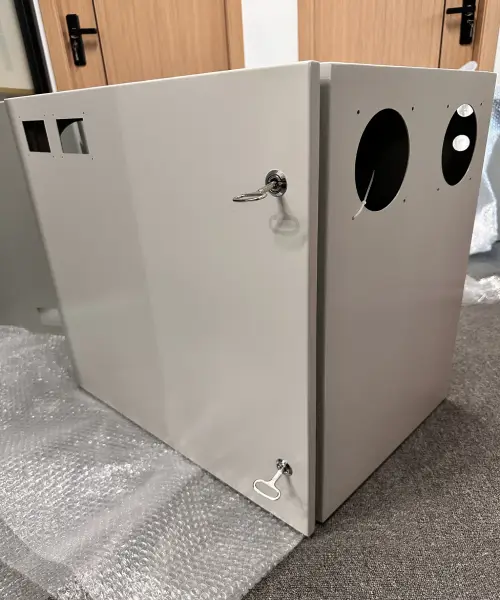
Metal enclosures, usually made of aluminum, steel, stainless steel and other materials, are the traditional and classic choice for industrial and demanding applications. Its main advantages are:
- Metal enclosures have better environmental resistance. High-quality metal materials usually have good resistance to high temperatures, fire and UV. After special surface treatment, their corrosion resistance can also be significantly improved. Die-casting aluminum as the representative of the metal enclosurecan easily reach IP65 protection level, can be in -40 ℃ to 125 ℃ extreme temperature environment to maintain stability, impact and wear resistance far more than ordinary non-metallic enclosures, especially suitable for industrial workshops, outdoor base stations and other high-intensity use of the scene.
- metal enclosure has high mechanical strength and long service life. With excellent resistance to impact, pressure and deformation, the metal enclosure can effectively protect the internal equipment from physical damage, such as collision, trampling or falling of heavy objects, which is very suitable for use in harsh environments, such as factory floors, construction sites and other harsh environments.
- The metal enclosureof has excellent electromagnetic compatibility. Metal enclosures effectively block external electromagnetic interference while suppressing internal radiation, which is important for sensitive control systems, communication equipment and frequency converters.
- The metal enclosure has excellent heat dissipation capabilities. Metal is a good conductor of heat, and the metal enclosurecan act as a large heat sink to quickly dissipate heat generated by electrical equipment through natural convection or conduction, helping to maintain a stable operating temperature inside the equipment and prolonging component life.
Limitations of metal enclosures
Even though metal enclosures are very powerful, there are some limitations:
- Metal enclosures weigh more. Compared to a non-metallic enclosure of the same size, a metal enclosure is typically heavier. This can increase the overall weight of the device, which can be inconvenient for installation, transportation, and portability, and can be a significant disadvantage in certain weight-sensitive applications.
- Metal enclosures are relatively costly. The cost of raw materials and processing costs for metal enclosures are usually higher than those for non-metal enclosures.
- Metal enclosures must have a grounded design. To prevent the metal enclosure from becoming energized and creating a shock hazard, the metal enclosure must be designed for grounding. This is a safety requirement that cannot be ignored and adds steps and complexity to the installation.
- Metal enclosures need to focus on corrosion resistance. Although materials such as stainless steel and aluminum alloys are more resistant to corrosion, they still require additional plating or painting in harsh environments such as high humidity and salt spray, which can be costly to maintain.
No design files? Let Supro MFG do it for you.
We often come across clients who have no professional design drawings and documentation, only a creative idea, which leads to the project being at a standstill.
If you are in this situation, then contact our team of experts.
Supro MFG, as an industry-leading custom metal fabricator, has an ever-experienced team of engineers who utilize their extensive fabrication experience and technical expertise to build your idea into a real product and create design files such as STEP/STP/SLDPRT/DXF/PDF/PRT/DWG/AI.
That’s what makes SUPRO MFG so great, and 2,000 corporate, entrepreneurial, artist, and other purchasers from around the world enjoy working with us and benefiting from our one-stop manufacturing services.
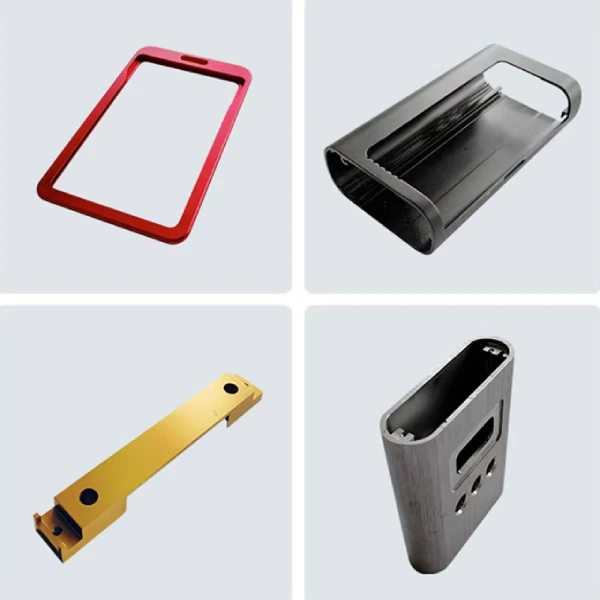
Advantages and disadvantages of non-metallic enclosures
Advantages of non-metallic enclosures
Non-metallic enclosures are usually made of engineering plastics (ABS, PC, PP, nylon, etc.), composite materials, glass fiber reinforced plastic, etc., which are widely used in electrical equipment, and their main advantages are:
- Non-metallic enclosures are highly insulating. This is the most core advantage of non-metallic enclosure, the material itself is insulator, without additional grounding design can effectively prevent the risk of electric shock, greatly simplify the installation process and enhance the safety in the personnel can reach the environment.
- The light weight of the non-metallic enclosure reduces installation and transportation costs. Non-metallic materials, such as plastics, have a much lower density than metals, making non-metallic enclosures much lighter. This not only makes transportation more convenient, but also reduces the load-bearing requirements of wall-mounted and ceiling-mounted equipment on the installation carrier, reducing installation difficulties.
- non-metallic enclosure is highly resistant to corrosion. Non-metallic materials (such as PP plastic, glass fiber reinforced plastic) do not react with acid and alkali, salt spray, corrosive gases, there will be no rust, oxidation problems, suitable for chemical, marine, food processing, outdoor humidity and other corrosive environments, without additional anti-rust coating, long-term use can still maintain structural integrity.
- non-metallic enclosure design is more flexible. Plastic and other non-metallic materials can be injection molding, molding and other processes to make a complex, seamless, integrated enclosures structure, and easy to dye, printing, to meet the demand for different equipment design (such as color enclosures, brand logo).
- non-metallic enclosures cost can be controlled, maintenance pressure is small. In mass production, non-metallic enclosures of the single piece cost is very low, and it does not need to do regular maintenance of rust, even if the local slight damage, the replacement cost is also lower, the long-term use of the economy is better.
Limitations of non-metallic enclosures
Non-metallic enclosures also have some disadvantages:
- Non-metallic enclosures have low mechanical strength. Despite the high strength of reinforced engineering plastics, in most cases non-metallic enclosures are less resistant to impact and compression than metal enclosures. There may be a risk of rupture or deformation when subjected to strong impact or heavy pressure.
- Non-metallic enclosures have poor electromagnetic shielding. The non-metallic enclosure cannot provide any electromagnetic shielding protection for the internal equipment. In EMI-sensitive environments, additional metal shielding or conductive coatings are required, which can add complexity and cost.
- Non-metallic enclosures have poor heat resistance. Most engineering plastics have much lower heat resistance than metals. Prolonged exposure to high temperatures can cause non-metallic enclosures to soften, deform, or become brittle with age, making them unsuitable for use in equipment that generates significant heat at high temperatures.
- non-metallic enclosure UV resistance is weak, affecting the service life of the enclosure. Non-metallic enclosures in the long-term outdoor ultraviolet radiation, alternating high and low temperatures, easy to turn yellow, chalking, embrittlement, sealing degradation and other issues. Although you can add “anti-UV additives” to improve, but the service life of non-metallic enclosures is generally shorter than the metal enclosures.
- non-metallic enclosure heat dissipation is poor. Plastic is a poor conductor of heat and cannot conduct internal heat to the surface as effectively as metal. Non-metallic enclosures require additional ventilation holes or cooling fans when used for high power consumption devices.
- Non-metallic enclosures have limited load-bearing capacity. The structural load-bearing capacity of non-metallic enclosure is weak and cannot support heavy internal components, nor can they be used as the main load-bearing structure of the equipment, and are often only suitable for light electrical equipment.
Advantages and disadvantages of non-metallic enclosures
As can be seen from the comparison, there is no “best” enclosure, only the “most suitable” enclosure. The final decision should be based on a comprehensive evaluation of the equipment’s operating environment, performance requirements, safety regulations and total cost of ownership.
Metal enclosures are more suitable for industrial heavy equipment, outdoor high-impact environments, and scenarios with high EMC (electromagnetic shielding) requirements. Non-metallic enclosures are better suited for chemical high corrosive environments, residential light-duty equipment, and weight/cost sensitive scenarios.
Characteristics | Metal enclosure | Non-metallic enclosure |
Mechanical Strength | Excellent | Good |
Electromagnetic shielding | Excellent | Poor |
Heat Dissipation | Excellent | Poor |
Weight | Heavy | Light |
Corrosion resistance | Good | Excellent |
Insulation | Poor | Excellent |
Temperature resistance | Excellent | Medium |
Design Flexibility | Medium | Excellent |
Cost | Medium/High | Low/Medium |
How to choose the right electrical equipment enclosure
Selecting the right electrical enclosure is a systematic decision-making process, which requires comprehensive consideration of the equipment itself, the operating environment, regulations and standards and economic and other dimensions.
Define the core requirements of electrical equipment
First of all, according to the environment in which the equipment is located, determine the required IP protection level.
- Does it need to be completely protected against dust ingress (IP6X)?
- Will the equipment come into contact with water?
- Will it be dripping (IPX4), splashing (IPX5) or immersion (IPX7/8)?
- Next, clarify whether the electrical enclosure needs to be EMC, and whether the equipment generates EMI, or is itself very sensitive to EMI?
If so, a metal enclosure is the optimal solution. Finally, clarify the heat dissipation needs of the equipment, high power consumption equipment needs good heat dissipation, metal enclosure has better thermal conductivity, if you choose non-metallic enclosure, you must design enough ventilation holes or active heat dissipation solutions.
Confirm the threat of the equipment operating environment
- Confirm whether the operating environment of the equipment has mechanical shock? Is there any risk of collision, vibration, or extrusion in the installation environment? A metal enclosure provides greater mechanical protection.
- Confirm whether there are corrosive chemicals, solvents or salt spray in the environment. Non-metallic enclosures and specific stainless steel enclosures perform better in such environments.
- Confirm the temperature range of the environment. Metal enclosures are usually more resistant to high temperatures, while some plastic enclosures may become brittle at low temperatures and deformed at high temperatures.
- to confirm the environment of the intensity of ultraviolet radiation, long-term sunlight environment requires enclosure materials with UV characteristics, metal enclosure UV resistance is better, many high-quality non-metallic materials are also added anti-UV agent.
Select electrical enclosures that meet regulatory and industry standards
Ensure that the selected enclosure meets the required safety standards and certifications for the target market, such as UL (US), CE (Europe), CCC (China), etc. These certifications have strict regulations on the flame retardancy, insulation, and heat resistance of the materials.
Some specific industries (e.g. food medical, oil and gas, rail transportation) have their own special specifications (e.g. explosion proof certifications ATEX/IECEx) and the electrical enclosure chosen must meet these requirements.
Comprehensive consideration of the cost budget
We need to consider not only the initial purchase cost of the electrical enclosure, but also calculate its cost over its entire life cycle, including installation, maintenance costs, energy consumption, and loss of downtime due to failures.
Non-metallic enclosures have a very competitive unit price in high volume production, but have high mold opening costs and are suitable for large-scale projects. Metal enclosures are more cost flexible in small quantities and for customized needs.
Why choose Supro MFG's Custom metal enclosure Services
Provide the most cost-effective cost solution for manufacturing and assembling products, expanding product competitiveness.
a technical team specializing in custom shell manufacturing for more than 30 years.
Advanced Manufacturing Equipment: Industry-leading custom metal enclosure manufacturer with in-house sheet metal, die casting, precision machining workshops, and surface coating workshops.
ISO 9001-2015, PPAP III level, RoHS, NEMA, CE and other certified production standards.
24H*7 online English technical support: The professional English team responds quickly to users’ technical questions online at any time.
help users from product design, prototype, batch manufacturing, surface treatment, assembly and packaging, transportation and a series of value-added services.
With in-house mechanics and chemistry laboratories, it can quickly monitor manufacturing process quality control to ensure the delivery of high-quality products.
Accept to sign NDA documents to ensure that customers’ product information is protected.
Door-to-door delivery in customizable secure packaging after complying with the delivery details agreed with the customer.

Get An Instant Quote Now!
The essence of the suitability of metal enclosure and non-metal enclosure is to “match the characteristics and scene requirements”, there is no absolute advantage or disadvantage of the two, there are only differences in the degree of suitability of the scene, the selection needs to prioritize the anchoring of the core requirements, such as the focus of the protection, the weight limit, the electromagnetic requirements, and so on.
If you are hesitating whether to choose metal enclosure or non-metal enclosure,
please contact us now! Our professional team will give you the most perfect fit according to your needs.
If you are looking for Outdoor Metal Enclosure Suppliers, please contact us now,
Supro MFG can provide you with professional outdoor metal enclosure selection advice and enclosure one-stop service! Provide a solid fortress for your outdoor equipment, so that your project will be stable and efficient!