




Why Your Metal Enclosures Are Rusting: Guide to Corrosion Resistance and Finish Specs
Rust never kicks down the door—it sneaks in. One day your metal enclosure looks showroom‑sharp; six months later, orange freckles creep along the seams like bad gossip. I’ve seen it on outdoor cabinets in Ohio winters and coastal installs down South. Same story every time: somebody trusted the finish and skipped the fine print.
Here’s the kicker. Corrosion isn’t bad luck; it’s a paperwork problem. Surface prep rushed. Coating specs fuzzy. A vendor nodding “yes” when the environment really screamed “salt, heat, and humidity.”
A short truth bomb from the numbers crowd: the NACE IMPACT Study puts global corrosion costs at $2.5 trillion annually, adding that up to 35% is preventable with proper material and finish decisions. That’s not opinion—that’s math.
This guide pulls back the curtain on finishes, specs, and buyer moves that stop rust before it ever smells steel.
5 Common Finish Specs for Metal Enclosure Longevity
Picking the right finish for a metal enclosure is not just about looks. It’s about stopping rust, fading, and wear before they start. From telecom cabinets to industrial metal housing, smart surface treatment keeps your metal box solid for years.
Powder Coating: Optimal Thickness, Color Retention, and Tolerance
When finishing a metal enclosure, powder systems usually follow a tight workflow:
Surface readiness
- Proper Surface preparation removes oils and scale.
- Profile control supports strong Adhesion testing results.
Application control
- Target Powder coating thickness: 60–120 μm.
- Watch Coating tolerance around hinges and cutouts on every metal cabinet.
Thermal bonding
- Stable Curing process locks in Color retention, key for outdoor metal enclosures in telecom or solar sites.
At supro mfg, coating specs are adjusted to enclosure size and grounding needs, keeping each metal housing consistent across batches.
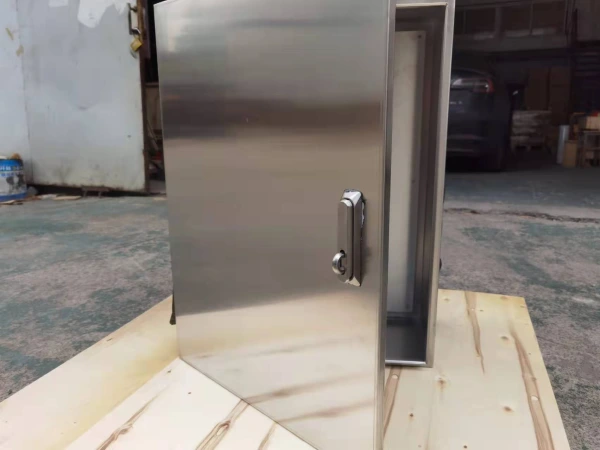
Stainless Steel Passivation and Brushed Surface Finish
For stainless metal enclosure builds:
Material base
- Select correct Stainless steel grade for corrosion zones.
Chemical treatment
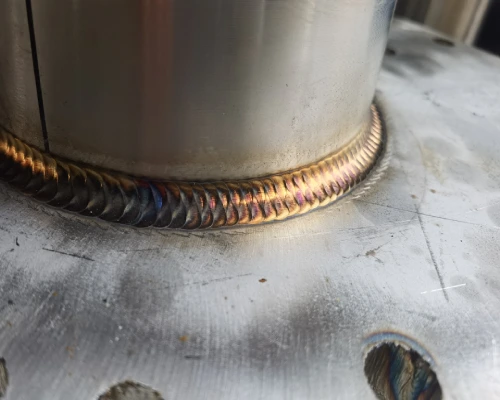
- The Passivation process removes free iron after welding.
- Boosts long-term Corrosion resistance.
Aesthetic finish
- Controlled Brushed finish defines uniform Surface roughness.
- Meets strict Cleanroom standards for medical metal box projects.
supro mfg often pairs passivation with custom grain direction to balance hygiene and style.
Galvanized Steel Hot-Dip Coating Standards and Material Certification
For outdoor metal housing exposed to rain and dust:
Base material
- Verify Steel grade before fabrication.
Zinc protection
- Apply Hot-dip galvanizing per ASTM.
- Confirm Coating thickness and Zinc coating uniformity.
Documentation
- Request Material certification for traceability.
- Ensure consistent Corrosion protection in large metal enclosure runs.
This process keeps heavy-duty metal cabinets tough in data center yards and factory floors.
Anodized Aluminum: Type II vs. Type III Surface Hardness
Aluminum metal enclosure parts follow a layered path:
Core selection
- Match proper Aluminum alloy to load demands.
Oxide build-up
- Standard Anodizing process.
- Choose Type II anodizing for colored electronics housing.
- Choose Type III anodizing when higher Surface hardness and Abrasion resistance matter.
Final lock-in
- Seal pores via controlled Sealing process to prevent fading.
supro mfg supports both decorative and hardcoat needs for access panels and control box shells.
Copper Electroplating for Enhanced Conductivity and Corrosion Resistance
In EMI-sensitive metal enclosure designs:
Base prep
- Clean Substrate material carefully.
Deposition
- Apply uniform Copper electroplating.
- Monitor Plating thickness for steady Electrical conductivity.
Quality check
- Inspect Surface finish quality around vents.
- Confirm bonding for long-term Corrosion resistance.
For grounding-heavy metal cabinets and electronic enclosures, this finish adds serious functional value without overcomplicating the build.
Why Your Metal Enclosure Paint Is Peeling
Paint failure on a metal enclosure isn’t bad luck. It’s usually process-related. From prep to curing, every detail shapes how long a metal box, steel enclosure, or aluminum housing keeps its finish.
Poor Surface Prep Before Powder Coating?
When a metal enclosure leaves laser cutting or CNC bending, the surface rarely meets true cleanliness standards.
Surface contamination risks
Contaminants from coolant and oil
- Residual film blocks adhesion
- Trapped debris causes blistering
Oxide layers on aluminum housing
- Weak bonding without proper surface preparation
Corrective workflow
Mechanical methods
- Sandblasting to create anchor profile
Chemical methods
- Industrial degreasing
- Zinc phosphating for corrosion resistance
At supro mfg, each metal enclosure runs through inspection checkpoints before coating. No shortcuts. A clean metal box simply holds paint better.
Incompatible Primer and Paint Pairings
Not all primer and topcoat systems get along.
- Mismatch in paint chemistry
- Poor material compatibility on stainless steel
- Weak intercoat adhesion during high-volume curing
A reliable coating system should match substrate and bake profile. For example:
- Galvanized steel enclosure
- Epoxy primer
- Polyester topcoat
Skip that logic and layer adhesion drops fast. supro mfg validates curing windows during prototyping to keep every metal enclosure finish tight and uniform.
Environmental Factors: Humidity, UV, and RoHS Compliance
External stress hits every outdoor metal enclosure hard.
Moisture impact
High humidity during curing
- Micro-bubbles
- Early corrosion
Sun exposure
Long-term UV exposure
- Surface oxidation
- Color fade
Compliance pressure
Verified RoHS compliance
Ongoing environmental testing
- Temperature fluctuations
- Chemical resistance checks
A well-built metal enclosure isn’t just bent and painted. It’s tested to survive real-world abuse. That’s how supro mfg keeps every metal cabinet looking sharp years down the road.
Surface Contamination: The Silent Corrosion Trigger
A metal enclosure can look flawless on the outside yet start failing from tiny surface issues. Dirt, oil, and oxide layers quietly attack the metal box long before rust becomes visible. That’s how a solid metal housing turns risky.
Oil, Grease, and Residues from Laser Cutting or CNC Bending
Surface trouble usually begins in fabrication:
During cutting and forming
- laser cutting residue sticks to edges.
- CNC bending lubricant spreads thin films across folds.
- Leftover metalworking fluid hides in seams.
In assembly zones
- Gasket lines trap surface contaminants.
- Mounting brackets hold oily fingerprints.
Before coating
- Poor degreasing leaves patches untouched.
- Weak cleaning agents fail near tight corners.
Inside a metal enclosure, that trapped grime holds moisture. Over time, the metal enclosure coating lifts, and corrosion creeps under the finish. supro mfg tackles this early so the metal housing performs longer in real-world installs.
Mill Scale on Hot Rolled Steel: The Hidden Risk
On hot rolled parts, the real villain is mill scale.
Formation
- High heat creates a thick oxide layer.
- Cooling locks it onto hot rolled steel.
Risk points
- Hidden surface defects form beneath scale.
- Coatings face serious adhesion issues.
- Cracks become sites of corrosion initiation.
When scale stays on a metal enclosure, powder coating bonds to the scale, not the base metal. Once moisture slips in, sheets of coating can separate fast. supro mfg specifies blasting standards so every metal enclosure starts clean and stable.
Cleaning Protocols: From Solvent Wipes to Acid Etching
Cleaning a metal box isn’t guesswork. It’s a flow:
- solvent wipes remove oils.
- Alkaline wash lifts embedded grime.
- Rinse clears residue.
- acid etching improves surface preparation.
- Final check for rust removal and proper pretreatment.
Some projects also add light passivation for extra insurance.
Quick recap:
- No shortcuts.
- No skipped rinse.
- No coating before inspection.
That’s how supro mfg keeps every metal enclosure, metal housing, and electrical enclosure tough from the inside out.
Aluminum Vs. Steel: Enclosure Corrosion Battle
Choosing the right metal enclosure isn’t just about looks or budget. It’s about corrosion, lifespan, and how that enclosure metal shell holds up in the real world. Let’s break down aluminum and steel in plain terms.
Aluminum
When a metal enclosure needs lighter weight and solid corrosion resistance, aluminum steps up.
Material Behavior
Surface Chemistry
- Forms a natural oxide layer that blocks moisture.
- Boosts long-term durability without extra coating.
Electrical Traits
- Strong conductivity for telecom and signal systems.
Surface Enhancement Options
Anodizing
- Thickens oxide protection.
- Improves scratch resistance on the metal housing.
Powder coating
- Adds color and another corrosion barrier.
Application Fit
- Outdoor telecom box
- Lightweight control cabinet
- Wall-mounted enclosure metal designs
Aluminum keeps the metal enclosure easy to install, easier on support structures, and reliable in coastal air. For brands like supro mfg, tight thickness control keeps strength balanced with manageable weight.
Steel
Steel brings serious strength and budget-friendly cost-effectiveness to any metal cabinet build.
Core Performance
Structural Integrity
- High strength for heavy components.
Surface Protection
- Needs galvanization or paint finish for proper rust prevention.
Industrial Data Snapshot
| Property | Cold Rolled Steel | Galvanized Steel | Aluminum 5052 |
|---|---|---|---|
| Density (g/cm³) | 7.85 | 7.85 | 2.68 |
| Tensile Strength (MPa) | 370–500 | 380–550 | 210–260 |
| Typical Coating | Paint | Zinc layer | Anodizing |
| Corrosion Rating (Salt Spray hrs) | 48–96 | 500–1000 | 500–1000 |
| Relative Cost Index | 1.0 | 1.2 | 1.6 |
Practical Selection Logic
- Heavy machinery control → choose galvanized steel.
- Indoor dry facility → painted cold rolled steel works.
- Harsh outdoor site → upgrade coating thickness.
“Industrial enclosure demand remains strong, with corrosion-resistant materials driving procurement decisions in 2025,” notes a recent outlook from IBISWorld’s fabricated metal product manufacturing report (2025).
Steel fits large industrial metal enclosure projects where impact resistance matters. Many buyers turn to supro mfg for custom enclosure metal fabrication that meets NEMA targets without blowing the budget.
How Surface Prep Prevents Enclosure Corrosion
Surface prep is the quiet hero behind every durable metal enclosure. A control cabinet, an aluminum enclosure, or a heavy steel housing all face the same enemy: corrosion. Smart prep keeps each metal enclosure cabinet tight, clean, and ready for years of service.
Abrasive Blasting and Material Thickness Considerations
When prepping a metal enclosure, abrasive blasting shapes the base for long-term corrosion resistance.
Surface preparation goals
- Remove rust, mill scale, oils
- Create controlled surface profile
- Protect critical tolerances
Material thickness review
Thin aluminum enclosure panels
- Light-pressure blasting
- Fine blast media (120–180 grit)
Thick steel metal housing
- Higher pressure range
- Coarser media for deeper anchor pattern
Precision zones in metal enclosure cabinet
- Vent slots
- CAD-defined cutouts
- Gasket lands
| Material Type | Material Thickness (mm) | Blast Pressure (psi) | Target Surface Profile (µm) |
|---|---|---|---|
| Aluminum 5052 | 1.5–2.0 | 40–60 | 25–40 |
| Mild Steel | 2.5–3.0 | 70–90 | 50–75 |
| Stainless 304 | 2.0–4.0 | 60–80 | 40–65 |
Dialing this in keeps the metal enclosure strong without warping panels.
Chemical Etching for Consistent Surface Profile
Chemical etching fine-tunes the surface profile after mechanical prep. On stainless steel or aluminum enclosure builds, the etching process boosts uniformity across bends and tight corners.
Key wins:
- Better adhesion for powder
- Even metal treatment inside complex cutouts
- Cleaner substrate preparation on thin panels
For a high-spec metal enclosure, light etching smooths out blasting variations. The result? Coating sticks better. Fewer weak spots. A metal box that doesn’t start peeling at the edges.
Application of Conversion Coatings Before Powder Coating
To lock in corrosion protection on a metal enclosure, follow this path:
- Clean and rinse after blasting or etching.
- Apply conversion coatings as a controlled pre-treatment.
- Use phosphate for steel metal enclosure builds; chromate alternatives for aluminum enclosure projects.
- Dry under monitored temperature.
- Proceed with powder coating for final surface finish and adhesion promotion.
This extra layer bonds tightly to metal substrates, boosting IP ratings and long service life. For any outdoor metal enclosure cabinet, skipping this step is asking for rust to show up early.
How to Specify Finish Specs to Vendors
Nailing finish specs for a metal enclosure isn’t just paperwork—it’s how you avoid rework, coating failures, and doors that won’t close. When your metal box or sheet metal housing moves from design to production, clarity wins. Here’s how to lock in details and keep your metal enclosure project smooth.
Including CAD Files and Surface Finish Tolerances in RFQs
When sending a request for quotation, organize technical data so nothing slips.
Design Files
- 3D CAD files
- 2D drawing specifications
- Callouts for cutouts and studs
Critical Controls
- Required surface finish
- Acceptable tolerances
- Target dimensional accuracy
Coating Interaction Review
- Edge radius vs. powder thickness
- Hinge clearance after paint
- Grounding points on the metal enclosure
For a metal enclosure or electrical enclosure, even 80–120 μm of powder can affect latch fit. supro mfg often flags buildup zones during RFQ review, especially on tight seam overlaps in a metal cabinet.
Defining IP Rating, NEMA Rating, and Material Certification Needs
Environmental protection drives finish selection for any metal enclosure.
A. Protection Levels
- IP rating tied to ingress protection
- NEMA rating for washdown or oil exposure
- Required environmental sealing tests
B. Compliance Documentation
- Material certification
- RoHS and standards compliance
- Batch traceability for coated steel
| Rating Type | Test Condition (Numeric) | Typical Use Case |
|---|---|---|
| IP65 | Water jets 12.5 L/min | Outdoor telecom metal enclosure |
| NEMA 4 | Hose down 65 psi | Food-grade metal housing |
| IP66 | Powerful jets 100 L/min | Industrial control box |
“Global demand for higher IP-rated enclosures continues to rise with industrial automation expansion,” notes the 2025 update from the International Electrotechnical Commission (IEC) market summary.
Clear targets help supro mfg align coating thickness with gasketing on your metal enclosure.
Aligning Lead Time and Supply Chain Management Expectations
Finish quality shifts when lead time gets squeezed. Lock in:
- Agreed production schedule
- Realistic delivery timeline
- Verified manufacturing capacity
Then dig deeper:
- Supplier audit for vendor reliability
- Backup powder source in the supply chain
- Lot sampling plan per 500 metal enclosures
Short runs? Say it upfront. High volume metal cabinet programs need capacity mapping months ahead.
Requesting Prototyping, Custom Tooling, and Design for Manufacturability Guidance
Early collaboration saves cash.
I. Prototyping Phase
- Rapid prototyping
- Fit check after coating
- Ground continuity test
II. Engineering Review
Design for manufacturability
- Weld sequence review
- Bend radius vs. coating crack risk
Formal DFM feedback
III. Investment Planning
- Custom tooling breakdown
- Estimated tooling costs
- Long-term production feasibility
For a complex metal enclosure with deep draws and welded seams, this step keeps your metal housing on spec before steel hits the press. Teams at supro mfg typically review stamping, welding, and finishing together, so the final metal enclosure shows up clean, sealed, and ready to ship.
FAQs about Metal enclosure
What finishes extend the service life of a metal enclosure?
A metal enclosure survives or fails at the surface. The right finish eases long days outdoors and harsh indoor cycles.
- Powder coating (60–120 μm) shields cold rolled steel and aluminum after laser cutting, CNC bending, and welding.
- Stainless steel passivation clears free iron left by punching or stamping, calming corrosion in medical devices.
- Hot‑dip galvanizing protects galvanized steel enclosures used in renewable energy and industrial control.
- Type III anodizing hardens aluminum access panels and hinged doors in automotive and telecommunications work.
Why does coating peel after installation?
Peeling often begins before assembly even starts.
① Residue left from cutting or welding blocks adhesion.
② Humidity during powder coating cure traps moisture under the surface finish.
③ Mismatch between primer and topcoat stresses edges around cutouts, ventilation slots, and mounting brackets.
A short pause for proper cleaning saves long arguments on site.
How should finishing details be written into a vendor quote?
A clear quote reads like a calm conversation, not a guessing game.
- CAD files with dimensions, material thickness, and tolerances for access panels and hinged doors.
- Defined IP rating, NEMA rating, RoHS compliance, and material certification.
- Notes on prototyping, lead time, logistics, and supply chain management for high volume production.
This clarity protects both schedule and trust.
Which materials work best for outdoor industrial enclosures?
Outdoor use tests patience and metal alike.
- Galvanized steel stands firm against rain and UV in data centers and renewable energy sites.
- Aluminum resists corrosion naturally and suits lightweight telecommunications cabinets with cable management.
- Stainless steel supports hygienic surfaces for medical devices where gaskets and sealed doors matter.
Material choice shapes daily maintenance, not just appearance.
How can quality be confirmed before full production?
Confidence grows from proof, not promises.
- ISO 9001 certification for controlled fabrication processes: laser cutting, CNC bending, welding, assembly.
- Inspection records tied to surface finish and tolerances on mounting brackets and cutouts.
- Trial builds from custom tooling to test design for manufacturability before stamping ramps up.
This step keeps electronics and industrial control projects steady under pressure.