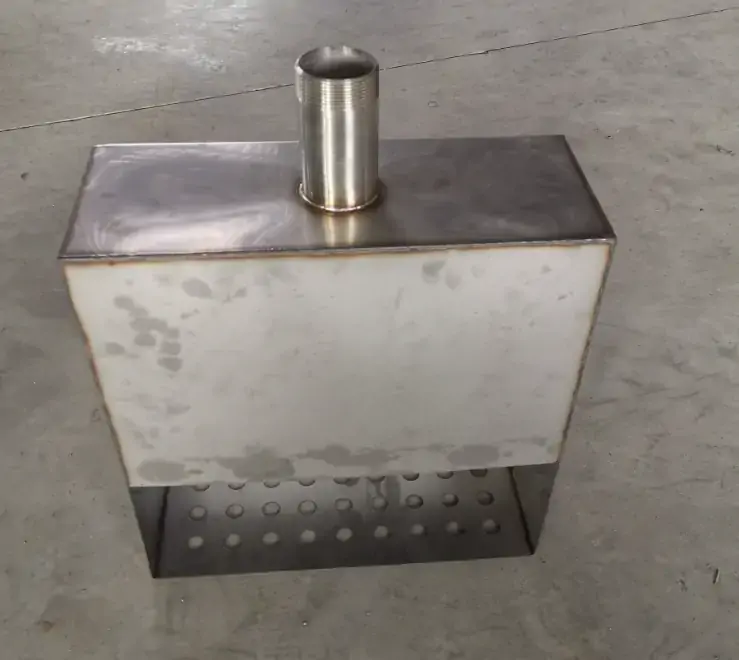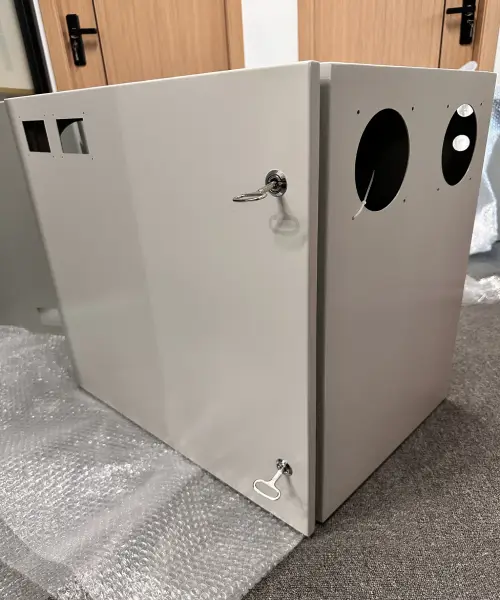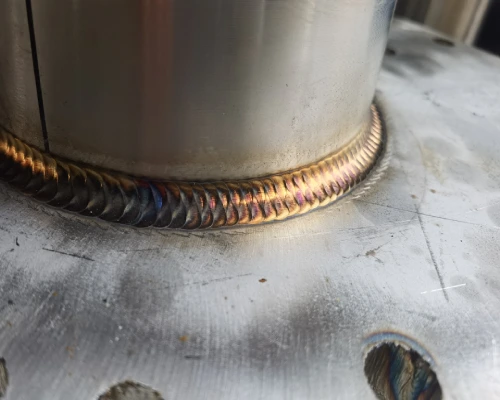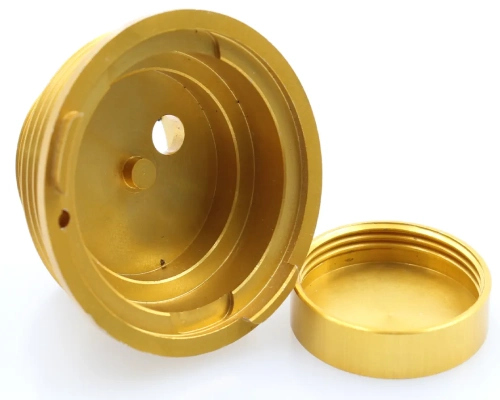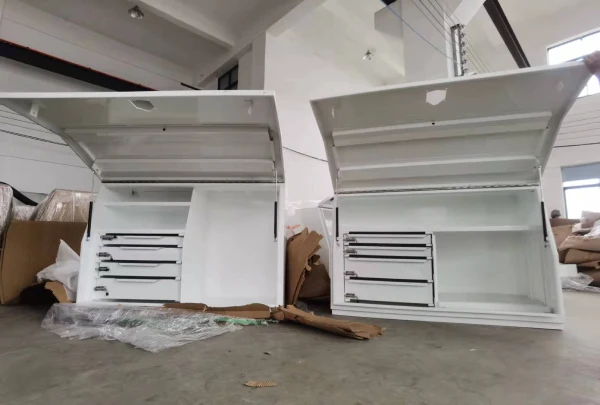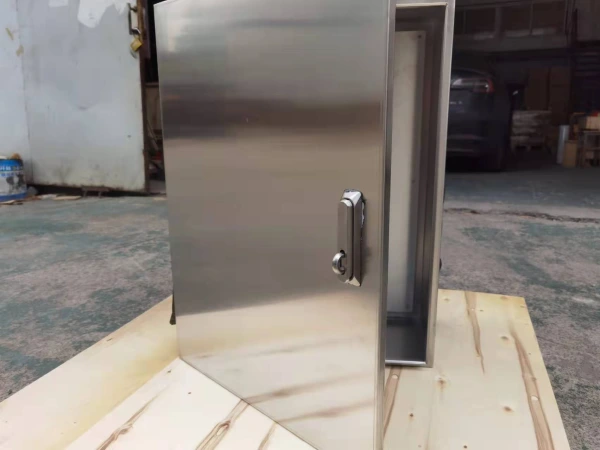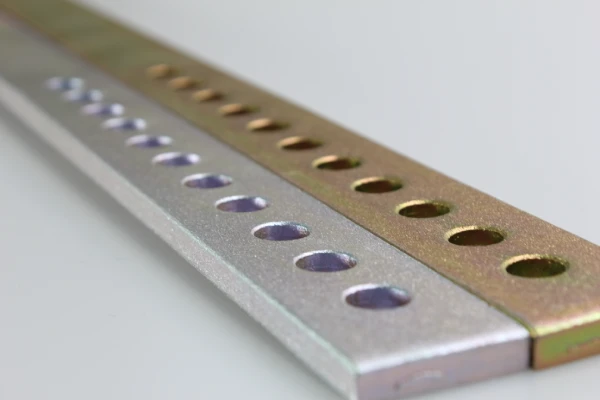
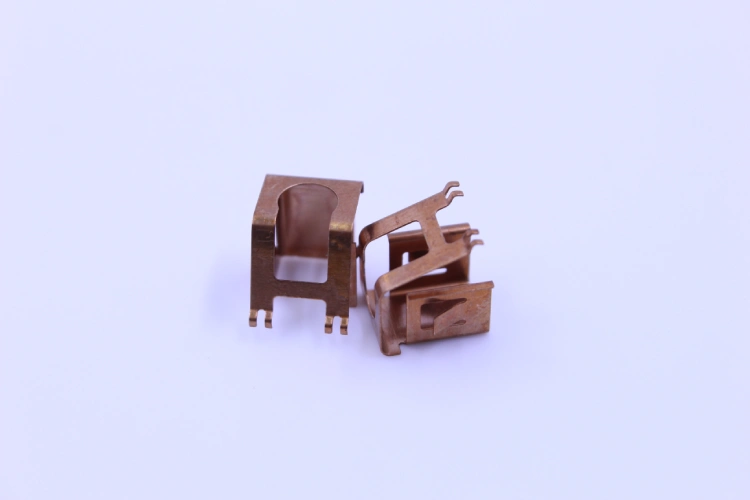
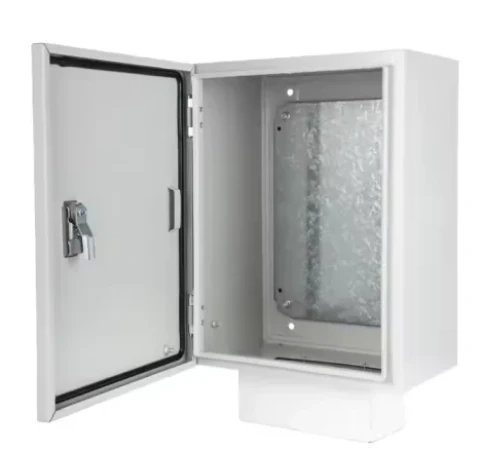
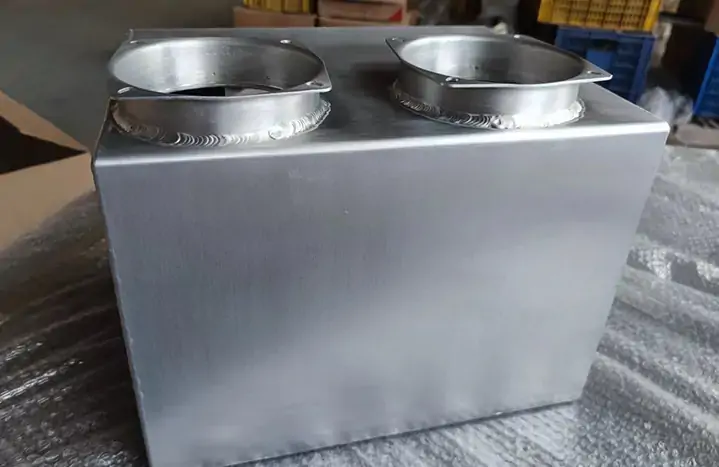


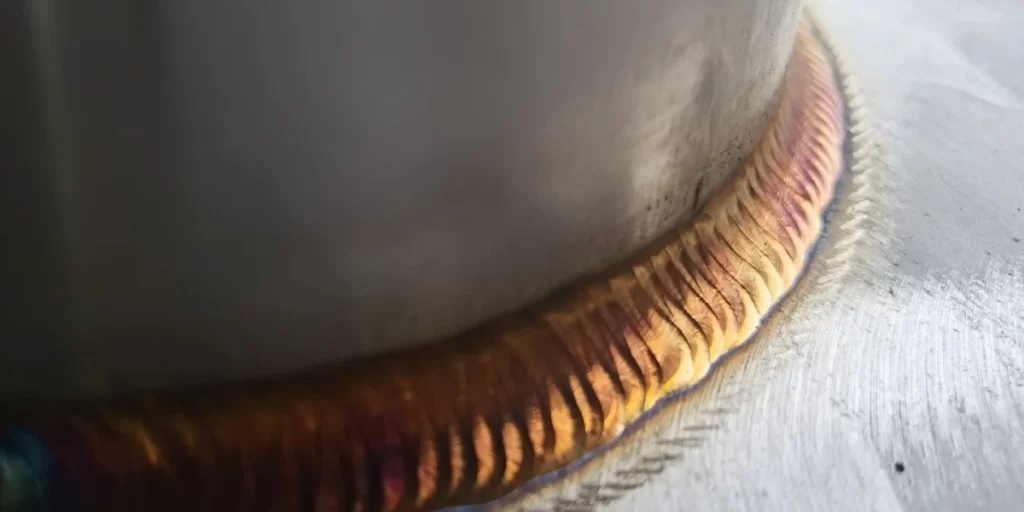
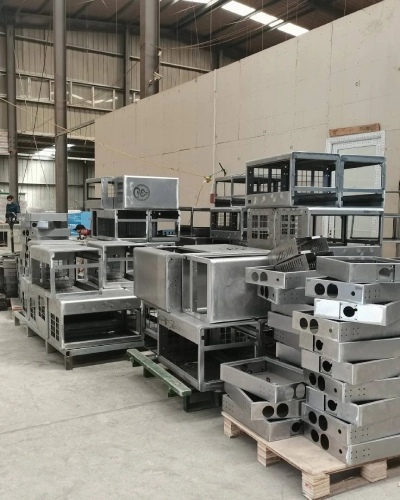
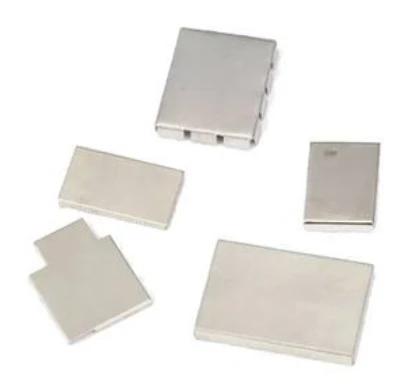
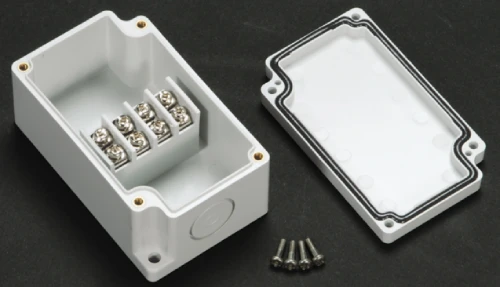


From the perspective of copper sheet metal fabrication, copper is far more than just a decorative red metal. With an electrical conductivity of up to 101% IACS and a thermal conductivity of approximately 400 W·m⁻¹·K⁻¹, its performance characteristics directly impact the reliability of components.
For professionals sourcing precision copper sheet metal parts, understanding copper’s FCC crystal structure helps explain its exceptional ductility and formability—enabling tight-radius bends, deep drawing, and clean, crack-free shearing. Unlike aluminum or steel, copper forms a self-protective patina layer, eliminating many corrosion issues that might arise after fabrication in outdoor or marine environments.
As a professional copper sheet metal fabrication manufacturer, Supro frequently leverages copper’s ductility to achieve tolerances of ±0.1mm on custom enclosures and bus ducts. Additionally, the material’s inherent antimicrobial properties add value to enclosures for medical or food-grade equipment. When evaluating custom metal fabrication manufacturers, note that pure copper (C11000) offers the highest electrical conductivity, while alloys such as C19400 strike a balance between strength and formability. From RF shielding to high-current terminals, copper components require precision tooling and process control.
This article provides a detailed analysis of the properties and applications of copper sheet, as well as its advantages in precision sheet metal fabrication.
Physical and Mechanical Properties of Copper Sheet
For any precision copper sheet metal fabrication project, the material’s physical and mechanical properties determine the process limitations. With an electrical conductivity of 101% IACS and a thermal conductivity of 400 W·m⁻¹·K⁻¹, copper outperforms aluminum and steel in thermoelectric applications. Its face-centered cubic (FCC) crystal structure provides exceptional ductility, enabling tight-radius bending and deep drawing without cracking—a critical factor for precision machining.
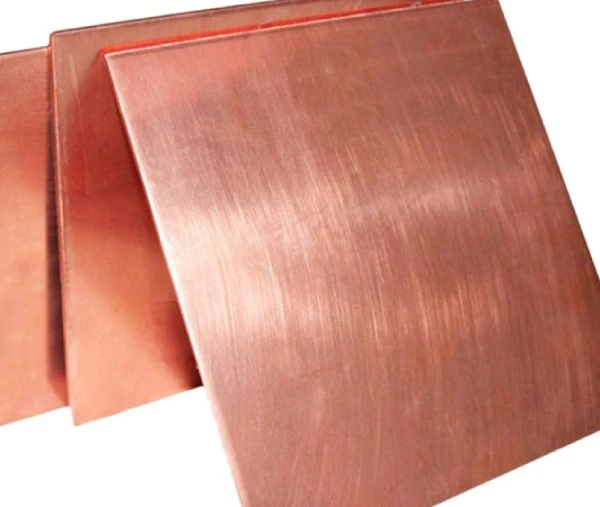
Electrical Conductivity of Copper Sheet
For any electrical sheet metal component, the electrical conductivity of copper sheet is a non-negotiable benchmark. Pure copper (C10100, C11000) has a conductivity of up to 101% IACS at 20°C, with a resistivity of approximately 1.71 µΩ·cm. This means that when carrying current, its Joule heat loss is far lower than that of aluminum or stainless steel—a factor directly related to the thermal management efficiency of busbars, busways, and electrical enclosures.
When procuring copper sheet metal parts, the alloy grade should be specified: C11000 offers an excellent balance between conductivity and cost, while C10100 oxygen-free copper is suitable for vacuum or high-reliability electrical components. For high-current applications, pure copper is the most cost-effective solution.
Thermal Conductivity and Heat Dissipation Properties of Copper Sheet
Copper has a thermal conductivity of approximately 400 W·m⁻¹·K⁻¹, nearly twice that of aluminum (approximately 218 W·m⁻¹·K⁻¹). In power electronics packaging and heat sink applications, this means that copper substrates can transfer a higher heat flux through a smaller cross-sectional area, thereby reducing device junction temperatures and extending system lifespan.
During precision copper sheet metal fabrication, high thermal conductivity offers processing advantages—laser cutting results in a narrower heat-affected zone, and thermal stress in welds is easier to control. However, note that this material has a coefficient of thermal expansion (CTE) of approximately 17 ppm/°C; when mating with ceramic or PCB substrates, CTE differences must be evaluated to avoid interface failure during thermal cycling.
Corrosion Resistance and Copper Patina Formation
Unlike most industrial metals, copper possesses self-passivation capabilities in atmospheric environments, which can significantly reduce maintenance costs for sheet metal components over their service life. In indoor or atmospheric exposure scenarios, a dense protective layer of basic copper sulfate (Brochantite, Cu₄SO₄(OH)₆) forms on the surface, effectively inhibiting further oxidation of the substrate.
In marine or industrial environments, the copper patina layer also contains basic copper chloride (such as Atacamite), providing a significant degree of protection. As a copper sheet metal fabrication manufacturer, we leverage this inherent corrosion resistance in projects such as outdoor electrical cabinets and marine engineering components, helping clients avoid additional post-processing steps like spraying or passivation and significantly shortening delivery cycles.
Machinability of Copper Sheet: Ductility and Malleability
Copper’s face-centered cubic structure gives it an elongation at break exceeding 40% (in the annealed state), making it highly advantageous for sheet metal stamping, drawing, and flanging processes. For custom copper sheet metal fabrication, the minimum bending radius of pure copper can be as low as 0.4t to 0.6t (where t represents sheet thickness). Compared to the 2t to 3t required for stainless steel, this allows it to be formed into shells with virtually any complex cross-section.
However, copper’s high ductility is accompanied by a tendency for tool sticking and challenges in work hardening control during processing. Deep-drawn parts require strict control of blank holder force and lubrication conditions to prevent wall thinning. The key to achieving tight tolerances in copper sheet metal parts lies in the sequencing of heat treatment processes—specifically, the inclusion of intermediate annealing between critical forming steps.
Only 4 steps
online custom metal fabrication parts
Contact our experts team and experience the efficiency and economic benefits of digital metal fabrication services.
Upload Design Files
STL , STEP (.stp), IGES (.igs), (.ZIP), or PDF.
Also be a sample or an idea
Quote & Design Analysis
Instant factory quotes and DfM reports, the most reasonable solution.
Manufacturing Begins
Digital processes can initiate order tasks within 24 hours.
On-Time Delivery
Keeping delivery promises, approved by 3000+ Global Company buyers.
Copper Alloys: Brass, Bronze, and Others
Pure copper has excellent electrical conductivity, but many applications require higher strength or wear resistance. Alloying with zinc produces brass (which offers better machinability), while alloying with tin produces bronze (which has higher hardness). For copper sheet metal fabrication manufacturers, selecting the appropriate alloy directly impacts die life, forming limits, and post-processing costs. Therefore, understanding these trade-offs is crucial.
Principles of Alloying and Performance Trade-offs
Introducing alloying elements into a copper matrix essentially involves sacrificing electrical conductivity in exchange for mechanical properties. Taking brass as an example, C26000 brass, which contains 30% zinc, has a tensile strength of approximately 450 MPa—more than double that of pure copper—but its electrical conductivity drops to about 28% IACS.
Bronzes (such as C51100 phosphor bronze), which contain approximately 4% tin, exhibit significantly improved elastic modulus and fatigue strength, making them suitable for spring contacts and conductive springs. As a professional copper sheet metal fabrication manufacturer, Supro frequently encounters such trade-offs in custom metal fabrication projects: pure copper is selected for high-conductivity applications, while brass or phosphor bronze is chosen for structural load-bearing components. Purchasers should clearly define the priority between current-carrying capacity and mechanical strength to avoid overdesign or underperformance.
Applications of Copper Alloys in Sheet Metal Fabrication
Different copper alloys respond very differently to sheet metal processes, directly affecting die wear, forming limits, and welding methods. Brass (particularly lead-containing, free-cutting brass C36000) produces short, fragmented chips during CNC punching and bending, making it suitable for high-speed automated production; however, it is susceptible to stress corrosion cracking and requires stress-relief annealing after bending.
Due to its higher hardness, bronze requires an increase in laser cutting power of approximately 15–20%, and its minimum bending radius is typically twice that of pure copper. When providing copper sheet metal fabrication services, Supro MFG maintains a process database for different alloys: C11000 is suitable for deep-drawn electrical enclosures, C26000 brass is suitable for architectural trim, and C52100 phosphor bronze is used for high-cycle-life springs.
When performing precision copper sheet metal fabrication, specifying the alloy grade can significantly shorten the prototyping cycle.
Are you looking for reliable & cost-effective
China Sheet Metal Fabricators
More than 150,000 OEM metal fabrication products delivered to 5,000+ global buyers.
And benefit from it!
Applications of Copper Sheet in Various Industries
From construction to electric vehicle power electronics, copper’s unique properties drive demand across multiple sectors. Each application has its own specific requirements—whether it involves busbar flatness, enclosure sealing, or terminal plating. Understanding these end-use conditions is critical before selecting copper sheet metal fabrication services.
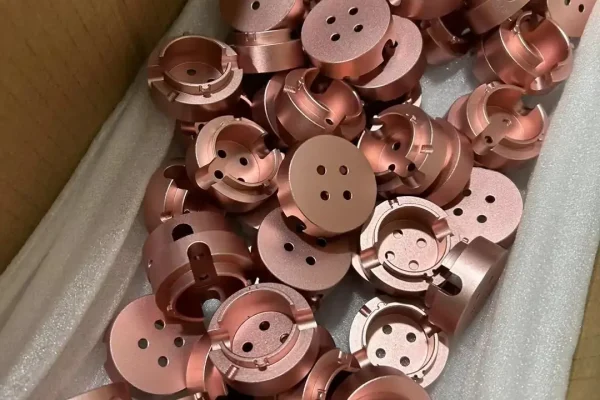
Construction and Infrastructure
Construction is the largest end-use sector for global copper consumption, with the average single-family home containing approximately 439 pounds of copper, primarily used in plumbing, refrigeration lines, electrical wiring, and roof flashing. For custom copper sheet metal fabrication, the construction sector’s demand for sheet metal components focuses on rain screens, downspouts, roof vents, and decorative trim.
The copper patina layer formed on pure copper in atmospheric environments can last for decades without maintenance, significantly reducing the building’s lifecycle costs. At Supro MFG, when processing copper components for construction, we typically use 16 oz to 20 oz copper sheet (approximately 0.55 mm to 0.69 mm), requiring clean edges after bending and no stress cracks at rivet points. When purchasing architectural copper components, specify alloy C12200 (phosphorus-deoxidized copper), which offers superior welding and brazing properties compared to standard pure copper.
Electronics, Power Grids, and Data Centers
Electrical and electronic products account for approximately 21% of global copper consumption, and copper demand from data centers is rising rapidly. Copper’s 101% IACS conductivity makes it an indispensable material for busbars, busways, and grounding rods. In precision copper sheet metal fabrication, grid-level busbars require extremely high flatness (≤0.1 mm/m) and burr-free edges; otherwise, partial discharge will shorten the insulation’s service life.
Inside data centers, copper electromagnetic shielding panels (0.2 mm to 0.5 mm thick) must balance heat dissipation and shielding through punched mesh arrays. As a custom copper sheet metal fabrication supplier, we have observed a surge in demand for high-density copper connectors in AI servers, requiring strict control of the adhesion of tin or silver plating during processing. Defining current-carrying capacity and temperature rise limits is the critical first step in material selection.
Electric Vehicles and Renewable Energy
A pure electric vehicle uses approximately 2 to 4 times more copper than a traditional gasoline-powered vehicle, primarily for high-voltage wiring harnesses, battery tabs, busbars, and motor windings. In precision copper sheet metal fabrication, the copper busbars between lithium-ion battery modules require a thickness tolerance of ±0.05 mm and must be joined via laser or ultrasonic welding. Copper’s high thermal conductivity also helps balance cell temperatures.
The photovoltaic and wind power sectors similarly rely on copper: approximately 5 tons of copper are required per megawatt of photovoltaic capacity, and 8 to 12 tons per megawatt of wind power capacity. When sourcing precision copper sheet metal parts for EVs or energy storage, special attention should be paid to the annealing condition of the copper (soft vs. semi-hard), as hard copper may be prone to stress cracking in vibrating environments. Supro MFG has supplied copper-nickel composite connectors specifically designed for LFP battery systems to numerous BESS customers.
Why choose Supro MFG's Custom Sheet Metal Fabrication Services
Provide the most cost-effective cost solution for manufacturing and assembling products, expanding product competitiveness.
a technical team specializing in custom shell manufacturing for more than 30 years.
Advanced Manufacturing Equipment: Industry-leading custom metal enclosure manufacturer with in-house sheet metal, die casting, precision machining workshops, and surface coating workshops.
ISO 9001-2015, PPAP III level, RoHS, NEMA, CE and other certified production standards.
24H*7 online English technical support: The professional English team responds quickly to users’ technical questions online at any time.
help users from product design, prototype, batch manufacturing, surface treatment, assembly and packaging, transportation and a series of value-added services.
With in-house mechanics and chemistry laboratories, it can quickly monitor manufacturing process quality control to ensure the delivery of high-quality products.
Accept to sign NDA documents to ensure that customers’ product information is protected.
Door-to-door delivery in customizable secure packaging after complying with the delivery details agreed with the customer.

Applications of Copper Sheet in Sheet Metal Fabrication: Processing Considerations
Copper fabrication presents unique challenges: high reflectivity during laser cutting, rapid cold work hardening during bending, and extreme sensitivity to edge burrs. In precision copper sheet metal fabrication, control of heat input and tool clearance directly determines part quality. Precise control of these parameters is key to producing high-quality copper components.
Cutting, Bending, and Forming of Copper Sheets
When laser-cutting pure copper sheets, their high reflectivity and excellent thermal conductivity present challenges: approximately 85% of the infrared energy from a conventional CO₂ laser is reflected. The use of a fiber laser (wavelength approximately 1.06 μm) can significantly improve absorption rates, and when combined with high-pressure assist gas, it enables burr-free cutting.
Regarding bending, the minimum bending radius for annealed copper sheet can reach 0.5t (where t is the sheet thickness), which is far lower than the 2t required for stainless steel. However, copper undergoes rapid work hardening during cold forming, so deep drawing must be performed after intermediate annealing.
For custom copper sheet metal fabrication, we recommend that buyers specify the material condition (soft, 1/4 hard, or 1/2 hard) on the drawings, as the springback angle of hard copper is 3–5 degrees greater than that of soft copper, which directly affects the selection of bending dies.
Copper Sheet Welding and Joining Methods
The challenge in welding copper lies in its high thermal conductivity (approximately 400 W·m⁻¹·K⁻¹), which rapidly dissipates heat from the molten pool, leading to lack of fusion or porosity. For TIG welding, preheating to 200–350°C is required, using direct current with the electrode negative (DCEN) polarity and high-purity argon gas shielding.
For thin copper sheets (≤1 mm), resistance spot welding is an efficient method, but electrode pressure must be approximately 40% higher than for welding low-carbon steel to maintain stable contact.
Brazing is more suitable for joining dissimilar metals (copper with brass or stainless steel), with silver-based brazing alloys providing the best wettability. As a copper sheet metal fabrication manufacturer, we recommend laser welding for large current-carrying components such as busbars, as it features a narrow heat-affected zone and minimal distortion. When selecting copper sheet metal fabrication services, the current-carrying requirements and sealing grade of the joint should be clearly defined to determine the appropriate welding process.
Surface Treatment of Copper Sheet Metal Parts
Although copper naturally forms a protective patina layer in the atmosphere, many industrial or consumer applications require a controlled appearance or functional coating. Common post-processing methods include: chemical polishing (phosphoric-nitric acid system) to achieve a mirror finish; electroplating with nickel, silver, or gold to enhance wear resistance and weldability; and passivation (benzotriazole, BTA) to prevent fingerprint oxidation.
In custom copper sheet metal fabrication, copper parts used for electrical terminals often require selective silver plating—with a plating thickness of 2–5 μm only on the contact surfaces, while the remaining areas remain bare copper or tin-plated.
Note on stress relief: Copper parts subjected to severe bending may experience hydrogen embrittlement or cracking in acidic plating baths; stress-relief annealing (held at approximately 250°C for 1–2 hours) must be performed prior to plating. When placing orders, provide the manufacturer with drawings specifying the areas requiring surface treatment to avoid the cost inefficiency of plating the entire part.
Looking for a reliable custom sheet metal fabrication companies?
Talk To Supro MFG Expert Team
Contact us for competitive ex-factory prices,
and a full range of technical support services.
Why Choose Supro MFG for Copper Sheet Metal Fabrication
Selecting a copper sheet metal fabrication manufacturer is far more than simply obtaining quotes for materials and labor. It requires a proven process control system tailored to the unique properties of copper—reflectivity, work hardening, and thermal management. At Supro MFG, our fabrication protocols are specifically designed to address these challenges. This is precisely what precision copper sheet metal fabrication demands, and this is exactly what we deliver.
Comprehensive Copper Processing Capabilities
Supro MFG offers a full range of processing services, from laser cutting of copper sheet metal, precision stamping, and bending to welding and surface treatment. To address the high reflectivity of copper, we have equipped our facility with a 6kW fiber laser system capable of reliably cutting pure copper and brass sheets with thicknesses ranging from 0.5 to 20 mm, while keeping the heat-affected zone within 0.1 mm.
The bending process utilizes CNC press brakes paired with specialized low-adhesion dies to effectively minimize scratches and indentations on the surface of copper sheet metal parts. For deep-drawn parts, we employ multi-pass stamping and intermediate annealing processes to ensure uniform wall thickness. When selecting copper sheet metal fabrication services, our one-stop manufacturing approach eliminates the risks of cumulative tolerances and delivery delays associated with coordinating multiple suppliers.
Design and Manufacturing Support and Quality Assurance
For custom copper sheet metal fabrication projects, the Supro MFG engineering team provides DFM (Design for Manufacturability) reviews as early as the quotation stage to identify potential challenges such as bending springback, welding distortion, or plating coverage issues. We maintain a library of process parameters for each copper alloy (C11000, C12200, C26000, C52100)—including laser cutting speeds, bend springback compensation factors, and welding heat input thresholds. Our quality system is ISO 9001:2015 certified, and we perform 100% flatness inspection (tolerance ≤0.1mm/m) and random conductivity testing on copper busbars.
As a professional copper sheet metal fabrication manufacturer, we provide buyers with first-article inspection reports and SPC data to ensure traceability for every batch.
From Rapid Prototyping to Mass Production
Supro MFG provides a seamless transition from prototyping to mass production for copper components. Prototyping phase: Delivery within 3–5 business days, using the same batch of materials and production processes to avoid performance discrepancies between prototypes and mass-produced parts. We utilize laser cutting and simple bending dies to achieve rapid validation for small batches (5–200 pieces) at a cost of only 20–30% of that of steel dies. Once the design is finalized, we transition to progressive dies or single-operation dies for large-scale custom copper sheet metal fabrication, producing over 10,000 units per month.
For copper bus bars in electric vehicles, we maintain a stock of C11000 soft copper strip (0.8–3 mm thick), reducing standard lead times to 10 business days. Clients can choose between prototyping, pilot production, or volume production contracts as needed.
Partnering with Supro MFG
Choosing Supro MFG as your custom copper sheet metal fabrication partner means gaining access to transparent cost structures, controllable delivery milestones, and material failure analysis support.
For long-term framework agreements, we offer annual price locks and buffer stock services. Technically, we support embedding weld symbols or surface treatment area markers directly into your CAD models to minimize communication ambiguities. We welcome procurement engineers to visit our facility for supplier audits or to watch live streams of first-article inspections online. As a professional copper sheet metal fabrication manufacturer, Supro MFG is committed to transforming the uncertainties of copper processing into predictable production cycles and compliant end products.
For technical specifications, customized project solutions, or business collaboration discussions, please contact Supro MFG immediately. Our professional engineering team is ready to provide you with tailored application solutions.