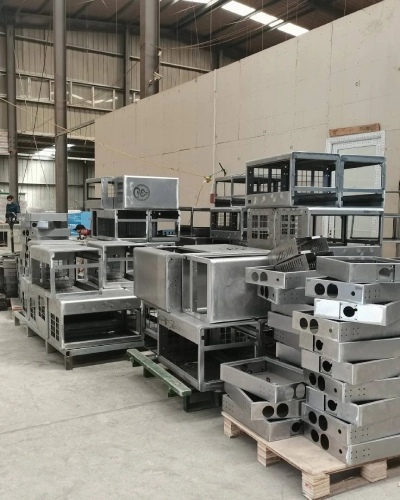


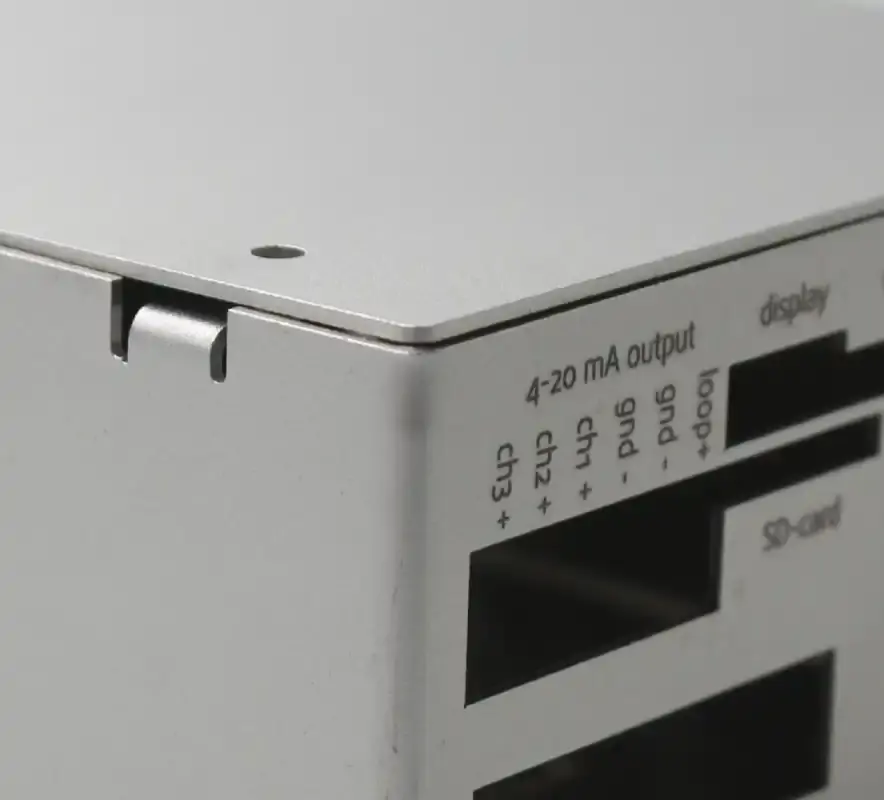


Fabricated metal products are an integral part of modern industrial manufacturing and everyday life. From the metal alarm clock that wakes you up in the morning, to the metal chassis of your car during your commute, to precision medical devices and large industrial equipment parts, fabricated metal products play an important role.
These products are not naturally occurring, but are created through a variety of machining technologies and processes that transform base metal materials into custom fabricated metal products with specific functions and shapes. this article takes a look at six of the most popular metalworking technologies: cutting, additive manufacturing (3D printing), forming, joining, specialty machining, and surface treatment. and will help you make more informed, science-based decisions about your custom metal works!
What is fabricated metal products?
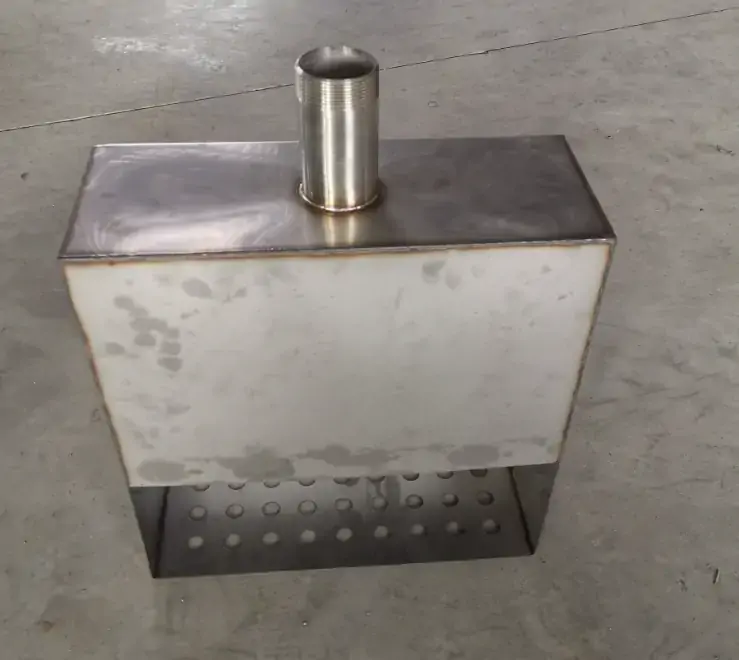
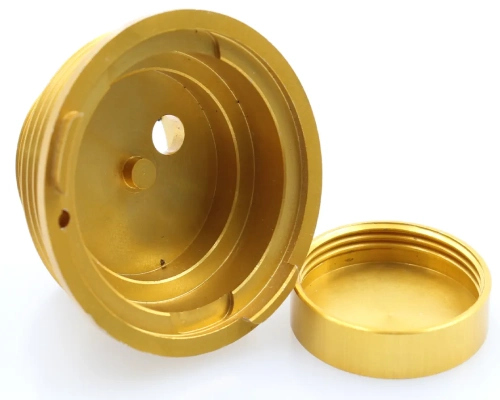
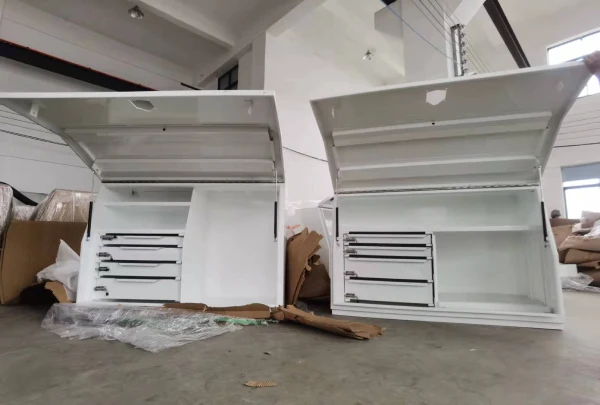
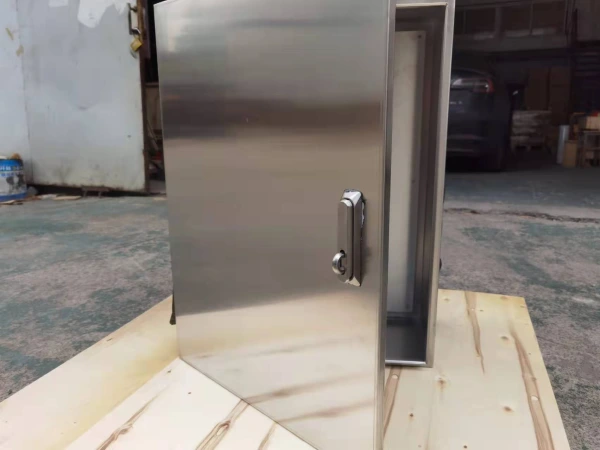
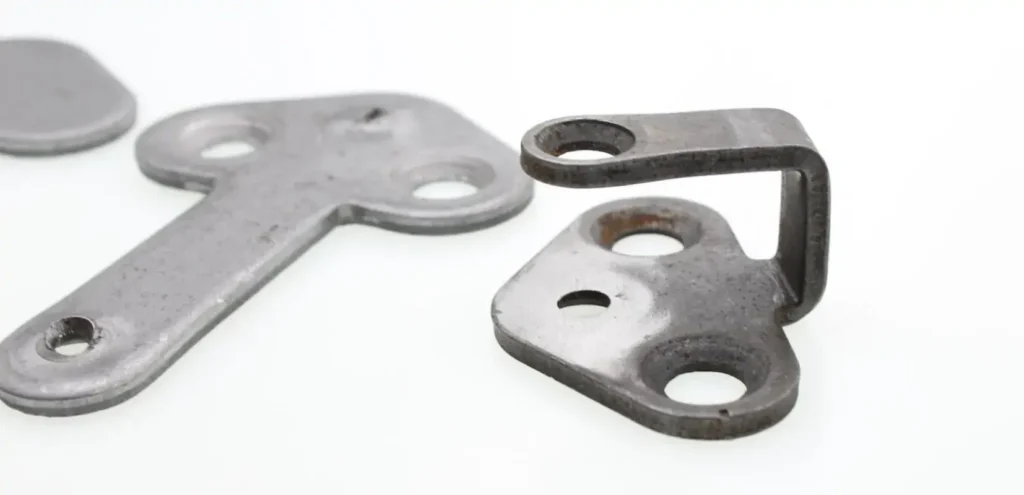
Fabricated metal products are finished or semi-finished products with specific shapes, structures and functions made of metal (e.g. steel, iron, aluminum, copper, stainless steel, etc.) as the core raw material through cutting, bending, welding, assembling, surface treatment, etc.
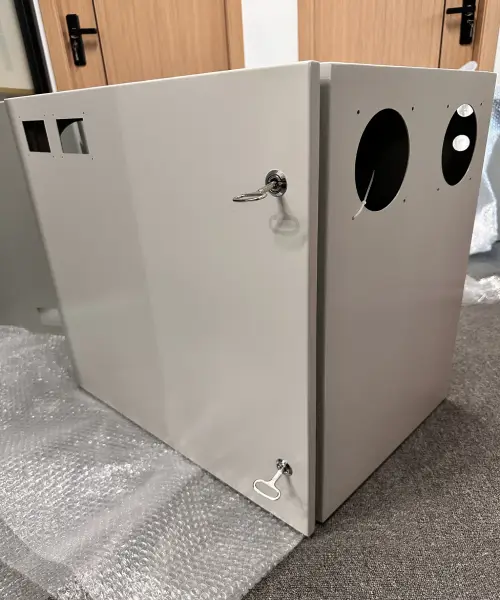
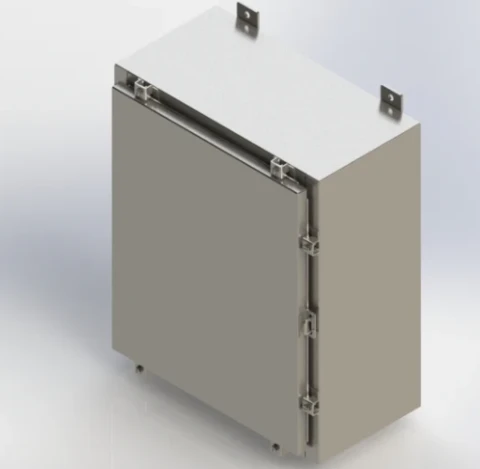
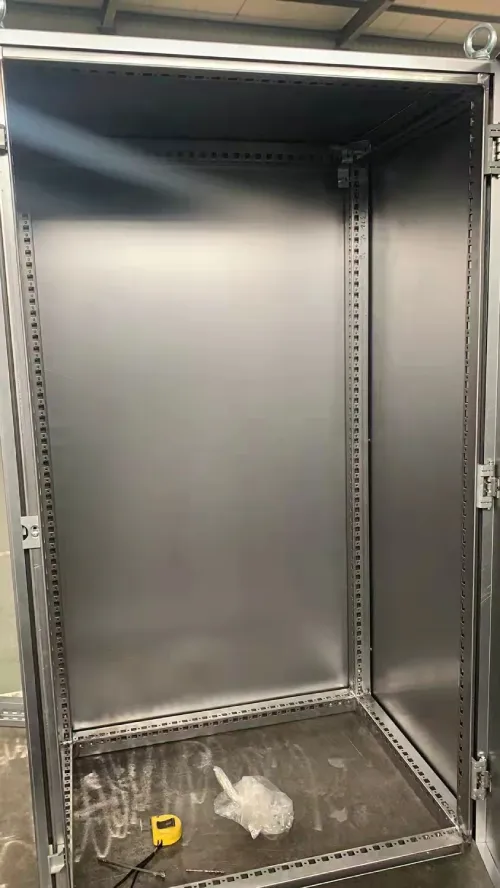
Fabricated metal products are not in a single form, but can be used in a variety of applications, ranging from small to custom stainless steel products that are in daily contact. daily contact of custom stainless steel fabrication (such as frying pan, sink), electronic equipment metal enclosure (cell phone frame, computer bracket), to the industrial field of structural steel fabrication (plant columns, bridge connectors), mechanical parts (automobile chassis bracket, equipment bearing seat), are belong to the The fabricated metal products belong to the category of fabricated metal products.
Its core feature lies in the “on-demand customization”, according to different scenarios of strength, precision, corrosion and other needs, choose the appropriate metal raw materials and processing technology, so as to achieve the “base metal” to “functional products The transformation from “basic metal” to “functional products” can be realized.
6 fabricated metal products technologies
There are many types of fabricated metal products machining techniques, usually we can classify the machining techniques into the following categories.
Cutting
Cutting processing is one of the most traditional and widely used fabricated metal products manufacturing technology. Its core principle is to utilize cutting tools to accurately remove excess material from metal blanks through mechanical movement, so as to obtain the desired geometric shape, dimensional accuracy and surface quality. Its main types are:
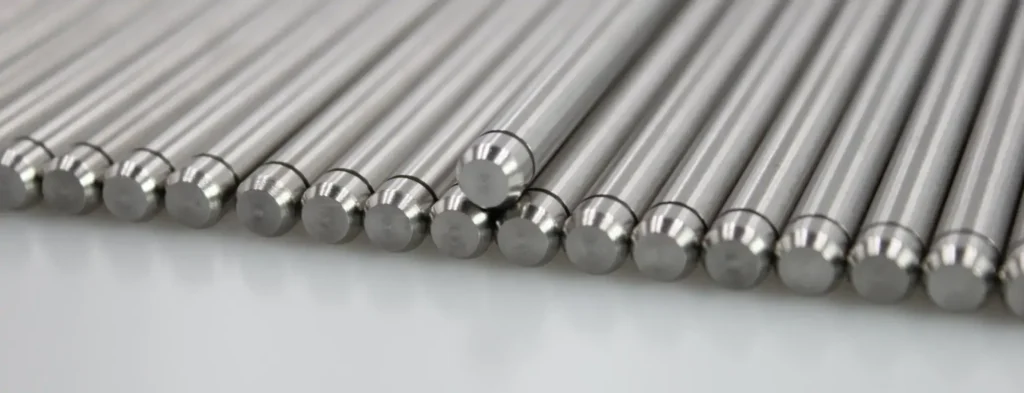
- Turning: the workpiece rotates and the tool moves linearly for cutting, which is mainly used for processing cylindrical, conical, shafts (e.g. motor shafts, automobile crankshafts), disks and other rotationally symmetricfabricated metal products.
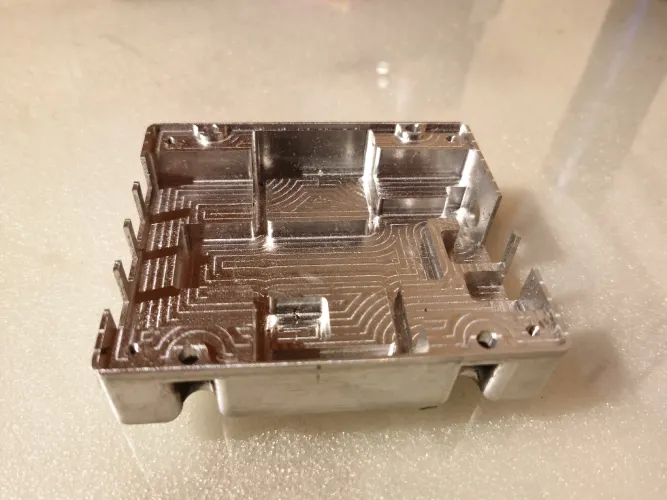
- milling: tool rotation, workpiece fixed or mobile, suitable for processing plane, groove, cavity and other complex asymmetric structure, such as automobile transmission enclosure, mechanical machine tools.
- drilling: using a drill bit to process round holes in solid materials, is the basic process of metal fab products punching, such as the mounting holes of motor end caps, the threaded bottom holes of pipeline connections.
- grinding: the use of high-speed rotating grinding wheel on the surface of the workpiece for finishing, is custom metal works surface to achieve high precision and high finish processing method.
- planing and interpolating: the tool or workpiece makes a straight line back and forth motion for cutting. In high-efficiency, high-volume production, planing and plunge cutting has been replaced by more efficient milling, wire cutting and other processes, but they are still of great value in the field of small-lot, single-piece production and maintenance.
The core advantage of cutting processing lies in the material adaptability, whether it is ordinary carbon steel, stainless steel, aluminum alloys, or high-strength titanium alloys, high-temperature alloys, can be matched with special tools to achieve stable processing. Therefore, cutting processing is widely used in machinery manufacturing, automotive, aerospace, medical equipment and other fields.
3D printing
3D printing is a custom metal fabrication technology that is diametrically opposed to traditional cutting and molding processes. Its core principle is “layered manufacturing, layer by layer”, through the digital model file (such as CAD model) will be metal powder, wire and other raw materials layer by layer accurate stacking, direct manufacturing of three-dimensional entity custom metal works. its main types are:
- Powder Bed Fusion (PBF): this is the most mainstream metal 3D printing technology. It uses a high energy source (laser or electron beam) to selectively melt thin areas of metal powder, layer by layer to form custom metal works. its main include selective laser melting (SLM) & electron beam melting (EBM).
- Directed Energy Deposition (DED): Usually a focused heat source (laser, electron beam or plasma arc) is used to melt the metal powder or wire at the deposition point, while the material is fed into the molten pool through a nozzle and built up layer by layer. This technique is often used for repairing or adding additional material to existing components and is particularly suitable for large and complex fabricated metal products.
- Binder Jetting: Binder Jetting is a rapid prototyping 3D printing process in which a chemical binder is sprayed onto a metal powder to form a bonding layer, which can achieve high strength after sintering and other post-treatment processes. The advantages are simple binder jetting process, fast printing speed, and mass production of fabricated metal products.
3D printing is widely used in jewelry design, footwear design and manufacturing, industrial design, architectural design, engineering design and construction, automotive design and manufacturing, and other fields due to its excellent design freedom, lightweight characteristics, efficient material utilization, fast sheet metal prototype fabrication and customized production.
Forming Processing
Forming processing, also known as plastic processing or forging processing, is through the metal billet by applying external force, so that it produces plastic deformation, so as to obtain a specific shape, size, mechanical properties of fabricated metal products manufacturing technology. Its use of the plasticity of the metal, by changing the shape of the metal raw material rather than excising the material to custom sheet metal fabrication, the main types are:
- Forging: the use of forging machinery on the metal billet pressure, so that it produces plastic deformation. The main free forging and die forging two methods, through the forging can improve the fabricated metal products mechanical properties (such as high strength, high toughness), commonly used in crankshafts, connecting rods, wrenches and so on.
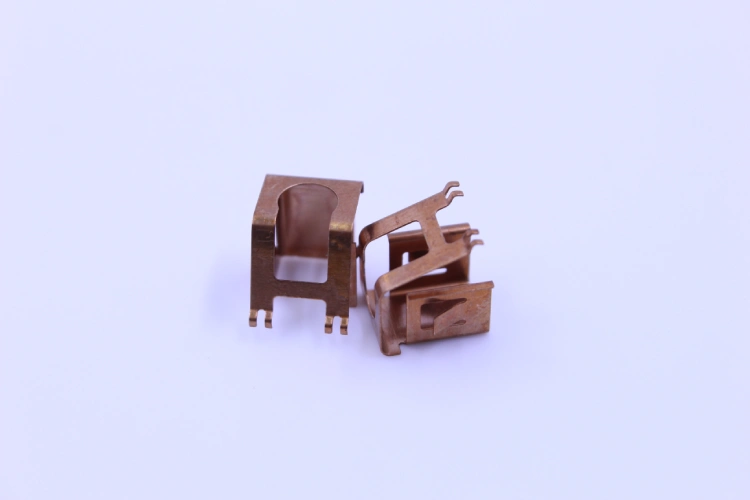
- Stamping : the use of molds and presses, sheet, strip, pipe, etc. to apply pressure, so that its separation or plastic deformation, so as to obtain the required metal fab products. stamping technology mainly includes blanking, bending, stretching and other processes, high productivity, suitable for mass production.
- Rolling : Processing method in which the metal billet passes through the gap of the rotating rolls and the raw material is extruded and the cross-section is reduced and the length is increased. This is the main method of producing profiles, plates and tubes, such as H-beams, steel plates and aluminum foil.
- Extrusion: The metal billet is put into a closed extrusion cylinder, so that the metal is extruded from a specific die hole, thus obtaining a fixed cross-section shape of the profile. It is widely used in aluminum fabrication.
- Casting: Pouring molten metal into the mold cavity, cooling and solidifying after molding. The main processes are sand casting, die casting, investment casting, commonly used in engine block, complex enclosure.
Molding processing by virtue of its can improve fabricated metal products mechanical properties, high material utilization, high production efficiency advantages widely used in automotive, construction, home and other fields.
Joining technology
Joining technology is the process of firmly combining two or more metal fab products (or metal fab products with Non-metallic parts) by physical or chemical methods. The main joining technologies can be categorized into the following three main groups:
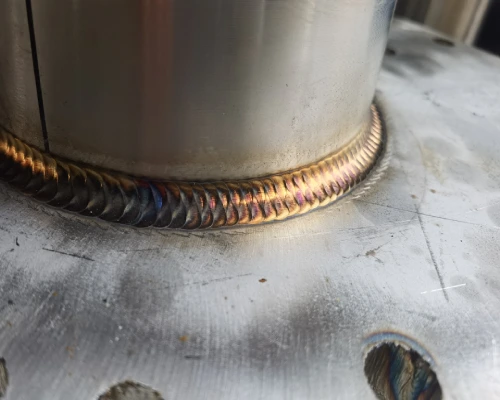
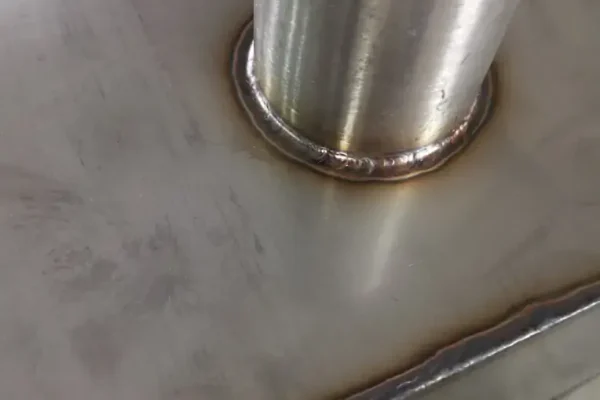
- Welding: By heating and pressurizing, the metals in the joint are melted or plastically bonded. The main processes are fusion welding, pressure welding and brazing. Welding is through the heating of the joint metal melting, and then cooled solidification of the connection method, commonly used welding methods arc welding, gas welding, laser welding and so on. Pressure welding is in the heated or unheated state of the metal pressure, so that it produces plastic deformation in order to realize the method of connection, resistance welding and friction welding is the pressure welding of the two typical processes. Brazing is the use of melting point lower than the metal to be welded brazing material (filler metal) melting, fill the gap between the joints, and the metal to be welded to achieve mutual diffusion of the method of connection.
- Mechanical Fastening: The use of screws, rivets, snaps and other mechanical means to join fabricated metal products together. This is a removable connection, easy to repair and replace. The main methods are threaded, riveted, pinned and keyed.
- Adhesive Bonding (Adhesive Bonding): the use of adhesives to connect the parts together, which can connect different materials, stress distribution is uniform, good sealing, insulation, corrosion resistance, but the adhesive strength by the environment (such as temperature, aging), the quality is difficult to control. It is often used in conjunction with riveting or spot welding, and is widely used in the automotive and aerospace fields.
The joining technology provides convenience for the manufacture of complex sheet metal parts and reduces the manufacturing difficulty. It is widely used in robotics, automotive, electronic products, aerospace and other fields.
Specialty Processing
Specialty machining, also known as non-traditional machining or electro-physico-chemical machining, which mainly utilizes chemical, electrochemical, thermal, acoustic, or optical energy to process materials. This type of technology is mainly used to solve the traditional machining problems that are difficult to solve, such as processing of high hardness, high toughness, high brittleness, high melting point of the material, as well as complex sheet metal parts and precision sheet metal components. the main processes include:
- Electrical Discharge Machining (EDM): Utilizes pulsed spark discharge between the tool electrode and the workpiece electrode to produce instantaneous high temperatures to etch away the metal. Mainly used for processing high hardness, high toughness materials, manufacturing mold cavities, narrow slits, deep holes, etc.. Wire EDM (WEDM – Wire EDM) is widely used to precisely cut complex contours.
- Laser Beam Machining (LBM): A processing method that utilizes a high energy density laser beam to cut, weld, mark, and surface treat a workpiece.
- Electrolytic Machining (ECM): Based on the principle of electrochemical anodic dissolution, the workpiece is used as the anode and the tool as the cathode, and is energized in an electrolytic solution to dissolve and remove the workpiece material. It can process complex three-dimensional surfaces, deep holes and difficult-to-cut materials.
- Ultrasonic Machining (USM): High-frequency impact and grinding of hard and brittle materials by means of an abrasive suspension and an ultrasonic generator. It is particularly suitable for processing non-conductive hard and brittle materials such as glass, ceramics and semiconductors.
- Water Jet Cutting (WJC ): Utilizes the kinetic energy of an ultra-high-pressure stream of water (or a mixture of abrasives) to cut materials. It is a cold cutting process that does not produce a heat-affected zone and can cut metals, stone, composites, glass and other materials.
Special processing technology can process tungsten steel, titanium alloy, ceramics and other difficult-to-machine materials, which are widely used in aerospace, medical devices (such as artificial joints), precision instruments, mold manufacturing and electronic communications.
Surface treatment technology
Surface treatment technology is a process method to change the surface characteristics on the surface of fabricated metal products through physical and chemical means, aiming to enhance the appearance and texture of metal fab products, prolong the service life, and enhance the specific functions of anticorrosion and abrasion resistance. The main types of processes are:
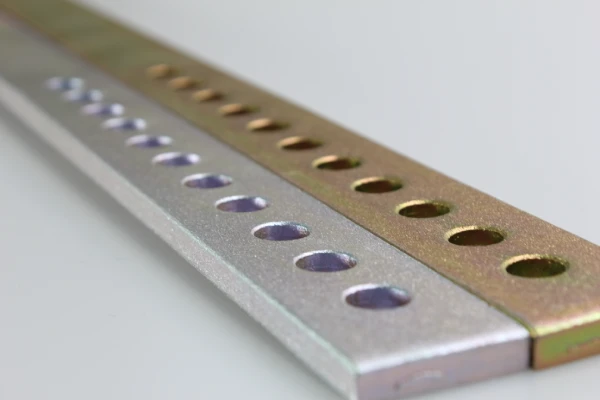
- Electroplating: Utilizing the principle of electrolysis, metal ions are deposited on the surface of fabricated metal products to form a layer of uniform, tight and firmly bonded metal plating. Such as chromium plating (Cr) used to improve the hardness, wear resistance and aesthetic; galvanized (Zn) used in steel sheet fabrication rust; nickel plating (Ni) used for corrosion and decoration.
- Spraying: There are mainly 3 different methods. Painting (Painting), the most commonly used anti-corrosion and decorative methods, through spraying, brushing and other ways of organic coatings to cover the surface of sheet metal products. Powder Coating (Powder Coating), will be charged plastic powder through electrostatic adsorption on the surface of fabricated metal products, and then cured by heating to form a coating, the coating is thicker, more abrasion-resistant, non-solvent volatilization, more environmentally friendly. Thermal Spraying (Thermal Spraying), the molten or semi-molten state of the coating material sprayed at high speed to the surface of fabricated metal products, the formation of abrasion-resistant, heat-resistant, corrosion-resistant coating.
- Anodizing: mainly used in aluminium fabrication. A dense film of alumina is formed on the surface of aluminium by electrolysis, which improves the corrosion and abrasion resistance of the products, and can be electrolytically colored, and is widely used in consumer electronics and architectural profiles.
- Heat treatment: Changing the internal organization of the metal by heating, holding and cooling to obtain the desired properties, such as surface quenching, which hardens the surface layer and improves wear resistance.
Surface treatment is an important part of custom metal fabrication, which can significantly improve the corrosion and wear resistance of products and beautify their appearance.
Only 4 steps
online custom metal fabrication parts
Contact our experts team and experience the efficiency and economic benefits of digital metal fabrication services.
Upload Design Files
STL , STEP (.stp), IGES (.igs), (.ZIP), or PDF.
Also be a sample or an idea
Quote & Design Analysis
Instant factory quotes and DfM reports, the most reasonable solution.
Manufacturing Begins
Digital processes can initiate order tasks within 24 hours.
On-Time Delivery
Keeping delivery promises, approved by 3000+ Global Company buyers.
Application of fabricated metal products
Fabricated metal products have long been integrated into every corner of our life like air, from opening our eyes in the morning to resting late at night, our every action is inseparable from its support.
Home and life: from cooking pots and pans, kitchen knives, to bed frames, tables and chairs to support our rest; from door lock hinges, faucets, to metal enclosures for laptops and smart phone frames, custom metal works provide durable and reliable functional support for our daily life.
Traffic and transportation: custom metal works is the cornerstone of safety and efficiency, the daily commuting cars, from the chassis bracket, door hinges to exhaust pipe parts, are fabricated metal products, supporting the vehicle’s load-bearing and operation; the metal frame of the shared bicycle, the metal handrail of the subway car, carrying the high-frequency demand for urban travel; the metal guardrail next to the road, the traffic signal light The metal guardrail of roadside and the metal enclosure of traffic signal light resist the wind and rain and maintain the traffic order in the outdoor environment.
Industry and infrastructure: In the field of industry and infrastructure, fabricated metal products are the core skeleton, structural steel fabrication of factories, metal connectors of bridges, supporting and stabilizing large-scale buildings; precision industrial numerical control machine tools, metal storage tanks in the chemical industry, metal parts and components in the field of machinery, guaranteeing the continuous operation of industrial production. Precision industrial CNC machine tools, metal storage tanks in the chemical industry, and metal parts in the machinery field ensure the continuous operation of industrial production.
Medical and Health: Surgical instruments, artificial joints, dental implants, heart stents and many other medical devices are made of special stainless steel, titanium alloys and other biocompatible metals, which directly serve human health and life extension.
Benefits of fabricated metal products
- High strength and durability: fabricated metal products have excellent strength, stiffness and impact resistance. They are able to withstand extreme working environments, heavy loads, and frequent use.
- High design flexibility: combined with technologies such as CNC machining and 3D printing, fabricated metal products can realize simple to highly complex geometries.
- Cost-effectiveness: For high-volume production, the use of processes such as stamping and die forging reduces the cost per piece. Highly automated production lines ensure that fabricated metal products are produced efficiently.
- Wide range of applications: By selecting different metal materials and applying various surface treatment technologies, custom metal works can be made to have a wide range of properties, including corrosion resistance, high electrical/thermal conductivity, specific appearance and surface hardness, so as to adapt to different application environments.
- SUSTAINABILITY & RECYCLABILITY: Metal is a 100% recyclable material. Most fabricated metal products can be melted down and reprocessed into new products.
Looking for a reliable custom sheet metal fabrication companies?
Talk To Supro MFG Expert Team
Contact us for competitive ex-factory prices,
and a full range of technical support services.
Why choose Supro as your fabricated metal products supplier?
Supro is a professional manufacturer of custom fabricated metal products. With the advantage of advanced equipment, rich manufacturing experience and professional engineering team, Supro has provided perfect custom fabricated metal products solutions for more than 3,000 companies around the world and Provide real manufacturer quotation.
As an industry leading custom fabricated metal products manufacturer, we can deliver a wide range of products efficiently and on time. From product design, rapid sheet metal prototype fabrication to mass production, we provide professional technical support and superior quality. And we provide one-stop manufacturing solution with cost competitive product supply, come to contact us for efficient cooperation!