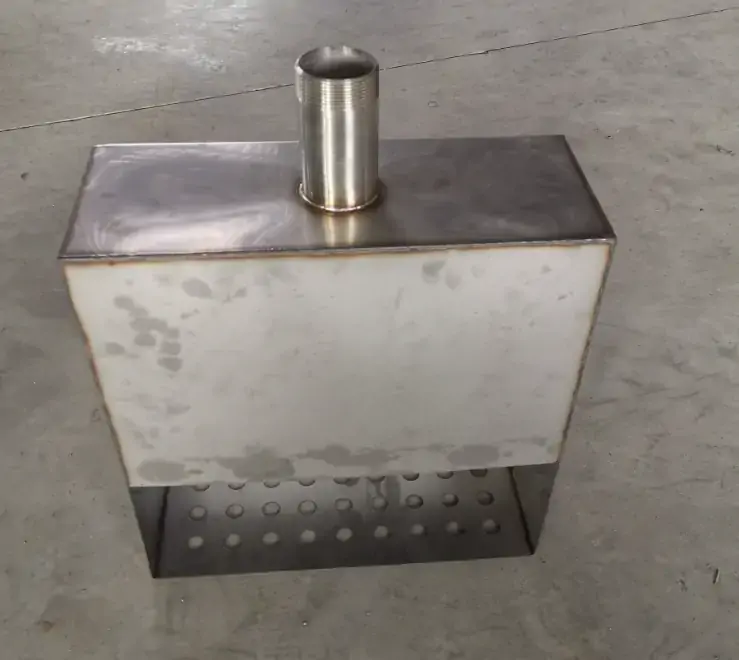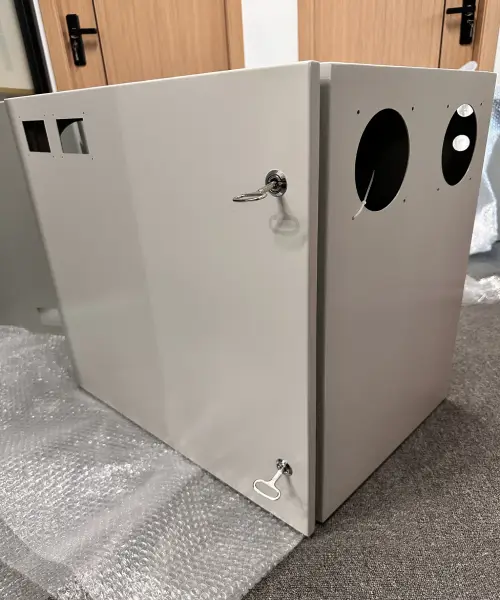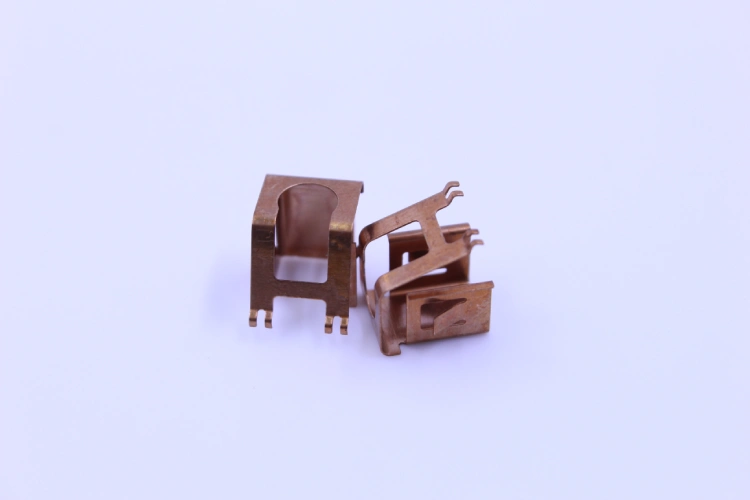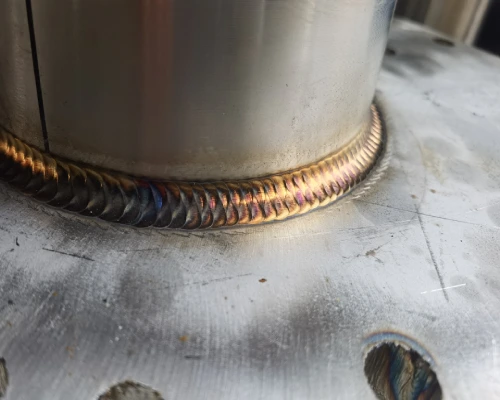
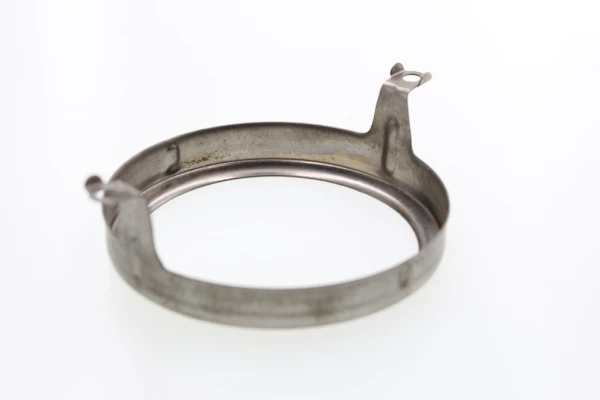


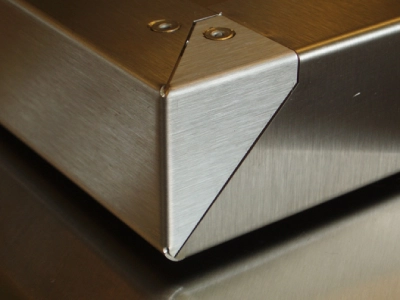
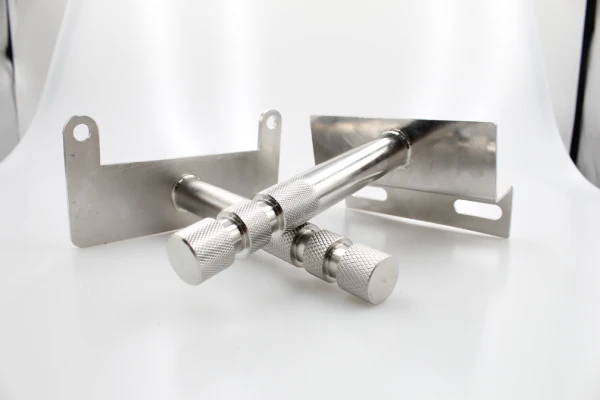
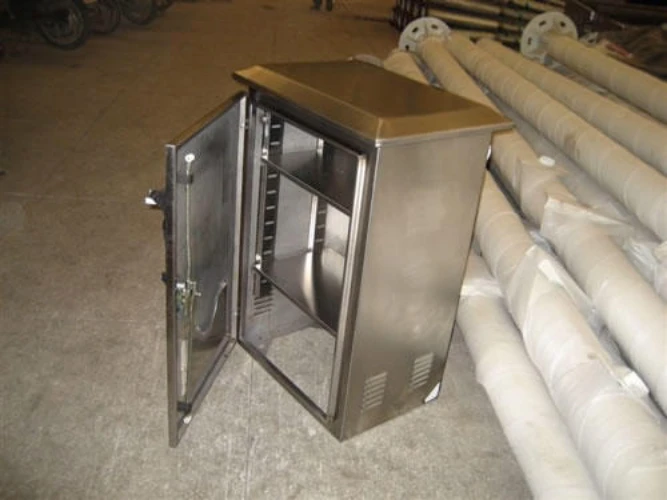
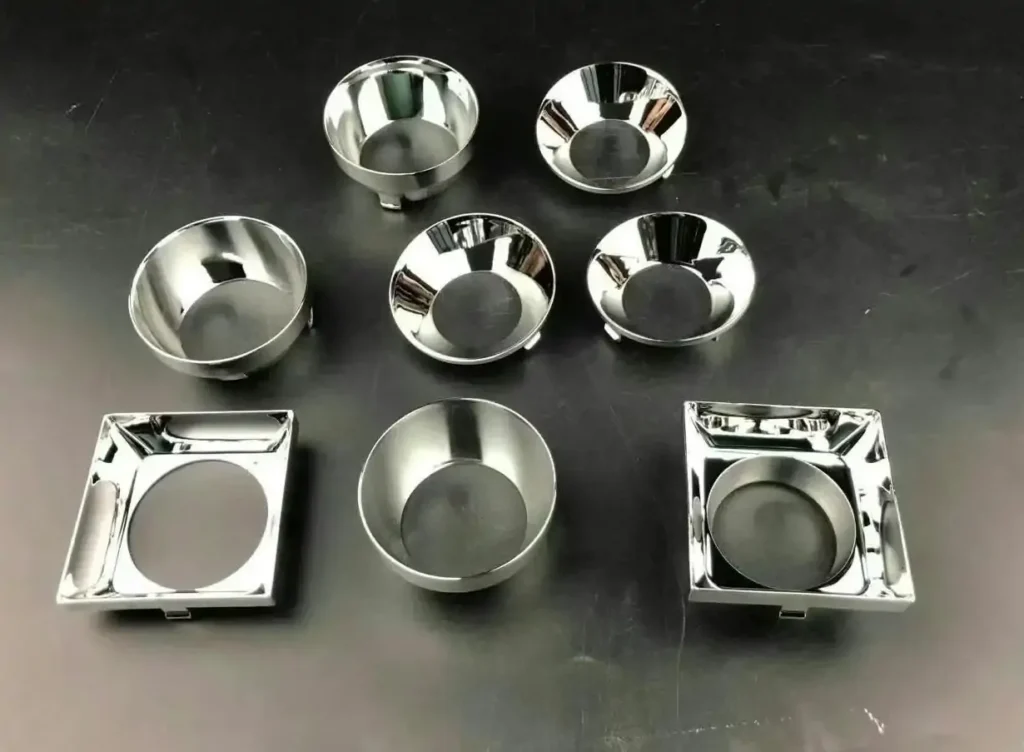
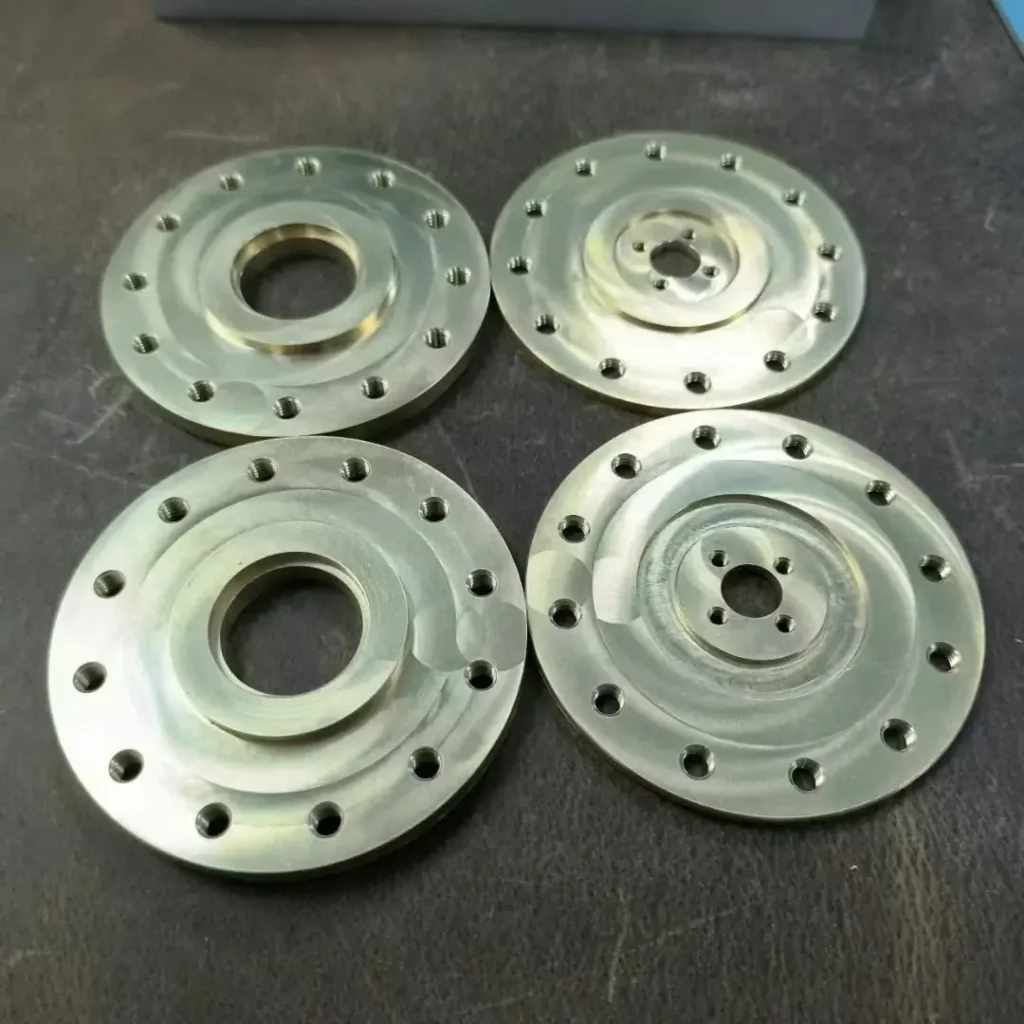
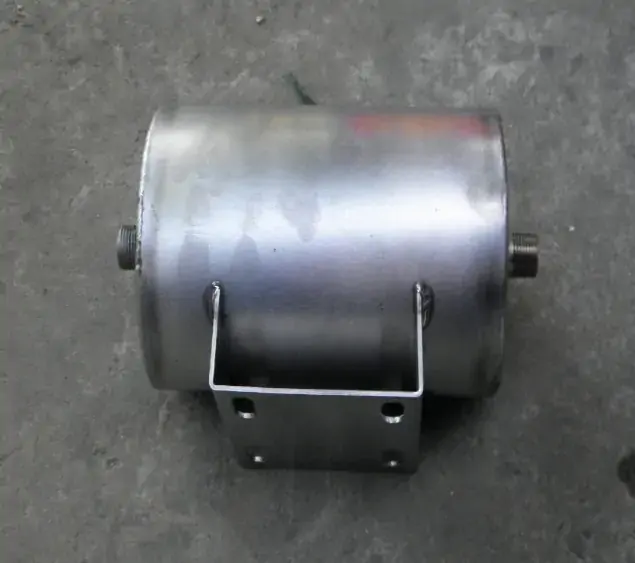
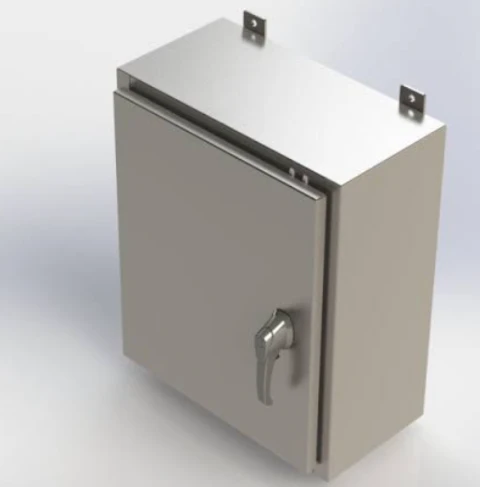
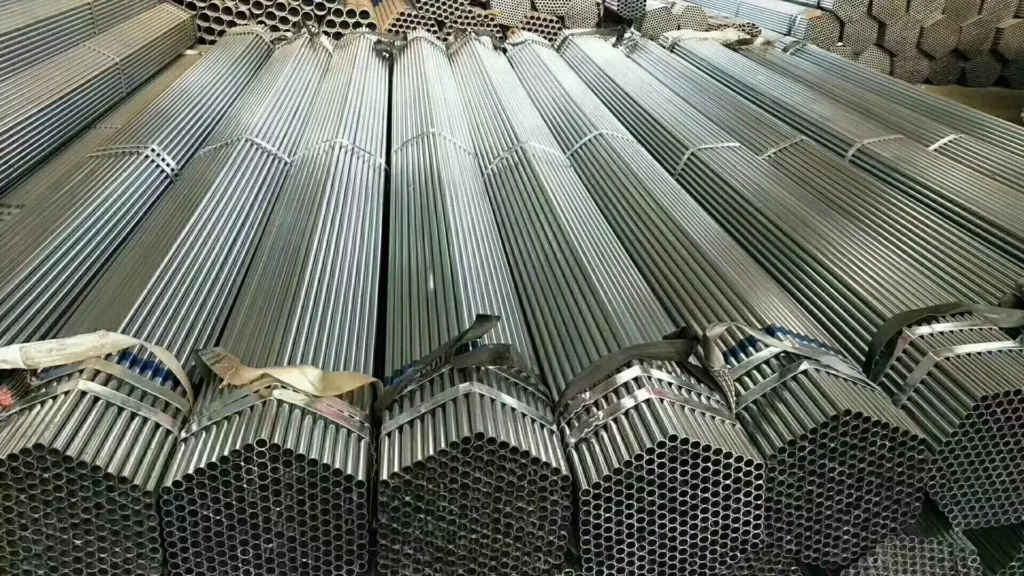
In the field of precision metal forming, stainless steel stamping and casting represent two fundamentally different process logics. Casting begins with the filling of a mold with molten metal, while stamping achieves geometric shaping through the controlled deformation of solid material—a difference that directly determines the upper limits of a part’s mechanical properties, dimensional stability, and surface integrity.
When it comes to 304 or 316 stainless steel stamping, the choice of process requires even greater care. As an experienced metal fabrication manufacturer, Supro’s engineering expertise indicates that when production volumes reach medium to high batches, tolerances are stringent, and the material must retain its original corrosion resistance, stainless steel metal stamping outperforms casting in both cost structure and quality consistency.
This article will provide procurement and engineering teams with quantifiable decision-making criteria from three perspectives—process principles, technical constraints, and application suitability—to help you accurately identify the value boundaries of stainless steel stamping services in your projects.
Understanding Stainless Steel Stamping
Stainless steel stamping is essentially a solid-state forming process, which differs fundamentally from the liquid-state forming involved in casting. This process relies on precisely matched dies and punches to induce controlled plastic deformation in metal sheets under the force of high-tonnage presses, thereby achieving the desired geometric shape. For 304 or 316 stainless steel stamping, the precise alignment of die clearance, blank holder force, and lubrication schemes directly impacts the quality of part edges and dimensional stability.
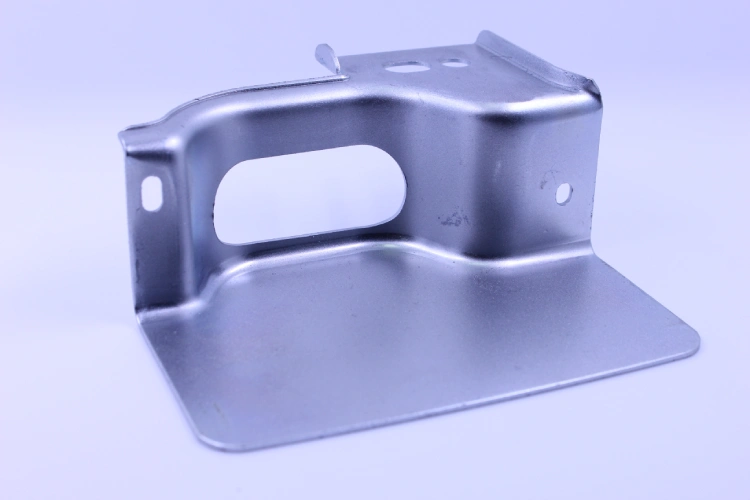
Advantages of Stainless Steel Stamping in Industrial Applications
The core advantage of stainless steel metal stamping lies in its solid-state forming nature—the material maintains a continuous grain structure during deformation, resulting in higher strength and toughness compared to castings. For 304 and 316 stainless steel stamping, this characteristic is particularly critical, as parts are intended for long-term use in corrosive environments.
Stainless steel precision stamping can achieve tolerances within ±0.05 mm, and mass production does not require subsequent machining to correct dimensions. Furthermore, the stamping process eliminates issues common in castings—such as shrinkage cavities, porosity, and surface scale—ensuring greater consistency in stainless steel stamped parts during assembly.
From a cost perspective, once tooling costs are spread across medium to high production volumes, the unit cost of custom stainless steel stampings becomes significantly lower than that of castings.
Specific Applications of Stainless Steel Stamping
Stainless steel metal stamping demonstrates technical advantages that are difficult for casting to match in specific application scenarios. In the automotive manufacturing sector, 304 stainless steel stamping is commonly used for fuel system brackets and exhaust heat shields; its high ductility meets the forming requirements for complex shapes while avoiding the risk of fatigue failure caused by internal defects in castings.
In the medical field, 316 stainless steel stamping, with its excellent resistance to pitting corrosion, has become the preferred process for structural components in surgical instruments and diagnostic equipment. For the electronics industry, stainless steel precision stamping enables the formation of thin-walled parts with thicknesses below 0.1 mm, and the surface meets both conductivity and corrosion resistance standards without the need for secondary treatment.
As a professional stainless steel stamping manufacturer, Supro has observed that sectors such as home appliance panels, new energy battery connectors, and industrial sensor housings are accelerating their transition from casting to custom stainless steel stamping. This shift is driven by the stamping process’s ability to achieve a comprehensive balance between structural integrity, surface quality, and consistency in high-volume production.
Technical Considerations for Stainless Steel Stamping
The successful implementation of stainless steel metal stamping relies on precise control of material behavior and process limits. Austenitic stainless steels such as 304 and 316 exhibit significant work hardening tendencies during forming; improper die clearance settings can lead to stress concentration and edge cracking. Springback control is another critical variable—the higher the material’s yield strength, the greater the elastic recovery after forming, requiring bend compensation and die surface modifications to ensure final geometric accuracy.
Furthermore, the tendency for stainless steel to adhere to dies necessitates the use of highly wear-resistant coatings (such as TiAlN or AlCrN) and specialized lubrication schemes to extend die life and maintain the surface integrity of stamped parts. At Supro, we incorporate finite element analysis and on-site SPC monitoring during both the die design and process validation phases to ensure that custom stainless steel stampings meet engineering specifications throughout their entire lifecycle.
Why choose Supro MFG
Real ex-factory price:
Provide the most cost-effective cost solution for manufacturing and assembling products, expanding product competitiveness.
Professional technical team:
a technical team specializing in custom shell manufacturing for more than 30 years.
Advanced Manufacturing Equipment: Industry-leading custom metal enclosure manufacturer with in-house sheet metal, die casting, precision machining workshops, and surface coating workshops.
ISO 9001-2015 Manufacturer:
ISO 9001-2015, PPAP III level, RoHS, NEMA, CE and other certified production standards.
24H*7 online English technical support: The professional English team responds quickly to users’ technical questions online at any time.
One-stop manufacturing solution:
help users from product design, prototype, batch manufacturing, surface treatment, assembly and packaging, transportation and a series of value-added services.
Authoritative testing capabilities:
With in-house mechanics and chemistry laboratories, it can quickly monitor manufacturing process quality control to ensure the delivery of high-quality products.
Intellectual Property Protection(NDA):
Accept to sign NDA documents to ensure that customers’ product information is protected.
Commitment to On-Time Delivery:
Door-to-door delivery in customizable secure packaging after complying with the delivery details agreed with the customer.

Comparison of Stainless Steel Stamping and Casting
Stamping and casting represent two fundamentally different forming processes: the former achieves geometric shaping through the controlled plastic deformation of solid metal, while the latter relies on the liquid filling and solidification of molten metal. This difference directly determines the inherent characteristics of parts in terms of grain structure continuity, internal defect control, and surface integrity. Understanding the fundamental differences between stainless steel metal stamping and casting in terms of mechanical properties, dimensional accuracy, and cost structure is the basis for engineering selection decisions.
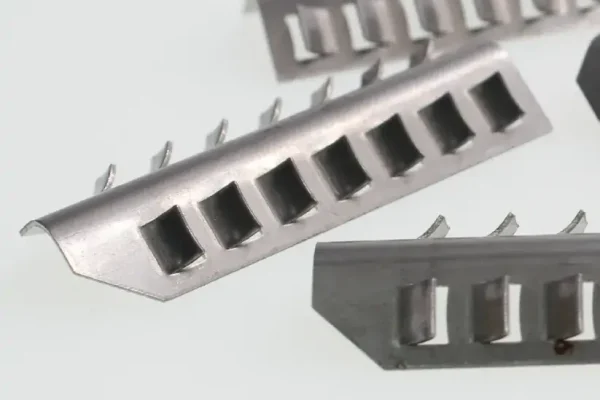
Brief Technical Overview of the Casting Process
Casting is a liquid-phase forming process, with core steps including mold preparation, metal melting, pouring and filling, and solidification control. Common casting types include investment casting, sand casting, and die casting, each suited for different levels of geometric complexity and production volume requirements. For stainless steel materials, the casting process enables the creation of complex internal structures and near-net-shape parts, reducing the need for subsequent machining.
However, the solidification process of castings cannot completely avoid internal defects such as shrinkage cavities, gas pores, and coarse grain structure. These microscopic discontinuities may affect the part’s fatigue life and sealing performance. When applications involve thin-walled structures or high-cycle loading, the reliability of castings is often lower than that of comparable parts formed through stainless steel stamping.
Major Limitations Compared to Stamping Processes
While the casting process offers advantages in achieving complex geometries, its inherent limitations make it difficult to rival stainless steel stamping in many engineering applications.
First, it is difficult to completely eliminate shrinkage cavities and gas pores during the solidification of castings. These internal defects can easily become sources of fatigue cracks under dynamic loading conditions, whereas stainless steel stamping parts, which retain the material’s original grain structure, do not exhibit such microscopic discontinuities.
Second, dimensional tolerances for castings typically range from ±0.1 mm to ±0.3 mm, which is significantly wider than the ±0.05 mm level achieved by stainless steel precision stamping. This means that the assembly process may require additional fitting or selection procedures.
Third, for applications requiring high surface integrity, the scale and sand adhesion on the casting surface must be removed through machining or polishing, increasing secondary processing costs.
Fourth, from a supply chain efficiency perspective, the development cycle for casting molds is typically 8 to 12 weeks, whereas molds for custom stainless steel stampings can be completed and put into trial production within 4 to 6 weeks, which has a substantial impact on project delivery timelines.
It is precisely these combined factors that lead procurement teams to position stainless steel stamping as the preferred process for high-volume, high-precision applications when evaluating stainless steel stamping services.
Scenarios Suitable for Casting
Although stainless steel stamping dominates the market for high-volume, thin-walled, high-precision parts, casting remains irreplaceable in certain specific scenarios. When part geometries include deep cavities, internal flow channels, or complex surfaces, casting’s liquid filling capability enables the realization of structural features that are difficult to form using stainless steel stamping.
For medium-to-low-volume projects with annual production runs below 5,000 units, the cost burden of casting molds is relatively low, making casting a more cost-effective option than custom stainless steel stamping, which requires significant initial mold investment.
Furthermore, for components with wall thicknesses exceeding 5 mm or significant cross-sectional variations, casting can avoid the material buildup and stress concentration issues that may arise in stamping processes. In fields such as valve housings, pump bodies, and complex mechanical structural components, investment casting and sand casting remain the mainstream choices.
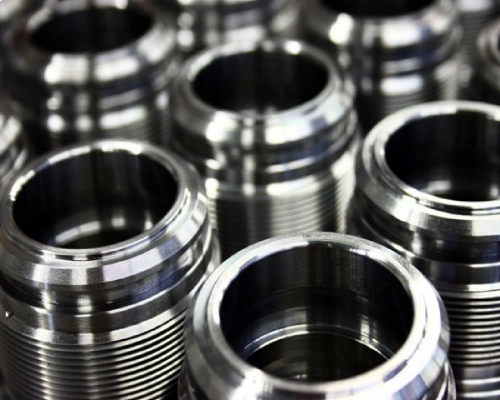
online custom metal fabrication parts
Only 4 steps
Contact our experts team and experience the efficiency and economic benefits of digital metal fabrication services.
Upload Design Files
STL , STEP (.stp), IGES (.igs), (.ZIP), or PDF.
Also be a sample or an idea
Quote & Design Analysis
Instant factory quotes and DfM reports, the most reasonable solution.
Manufacturing Begins
Digital processes can initiate order tasks within 24 hours.
On-Time Delivery
Keeping delivery promises, approved by 3000+ Global Company buyers.
How to Choose Between Stainless Steel Stamping and Casting

Making a process decision between stainless steel stamping and casting requires establishing a multidimensional evaluation framework. First, consider production volume: when annual output is less than 5,000 units, the cost burden of casting molds is relatively low; when output exceeds 50,000 units, the cost advantage per unit of stainless steel stamped parts becomes significantly apparent.
Second, evaluate the geometric features: when the maximum wall thickness of a part is less than 3 mm and there are no complex internal channels, stainless steel precision stamping can achieve better material utilization and dimensional consistency.
Third, dimensional tolerance requirements are another key variable—custom stainless steel stampings can consistently achieve ±0.05 mm precision, whereas castings typically require additional machining to match this level.
Fourth, regarding surface quality, 304 and 316 stainless steel stamping can directly produce a surface finish of Ra 0.8–1.6 μm, whereas castings require additional sandblasting, polishing, or machining processes.
At Supro, we assist clients in completing this evaluation process during the project initiation phase to ensure that the chosen process is optimally aligned with the product’s total lifecycle cost.
Get instant ex-factory price quotation.
If you only have an idea or an old sample,Let us know.
with photo or video and get our quotation and manufacturing solutions.
- Product design drawings or 3D model files.
- Material standards and appearance requirements.
- Product quantity demand.
- Industry standards in the application field.
- Functional requirements
Summary
The choice between stainless steel stamping and casting ultimately comes down to a comprehensive balance of part performance, production volume, and cost structure. Precision stainless steel stamping offers advantages that casting cannot easily match in terms of grain structure continuity, dimensional consistency, surface integrity, and cost-effectiveness for high-volume production. While casting retains its value for complex geometries and low-volume production, custom stainless steel stamping is undoubtedly the superior choice when projects demand strict requirements for structural reliability, assembly precision, and long-term service life.
As an experienced metal fabrication manufacturer, Supro MFG has accumulated extensive expertise in die design, material selection, and process control. We are committed to providing engineering and procurement teams with quantifiable, verifiable stainless steel stamping services, ensuring that every process decision is precisely aligned with the product’s full lifecycle requirements.