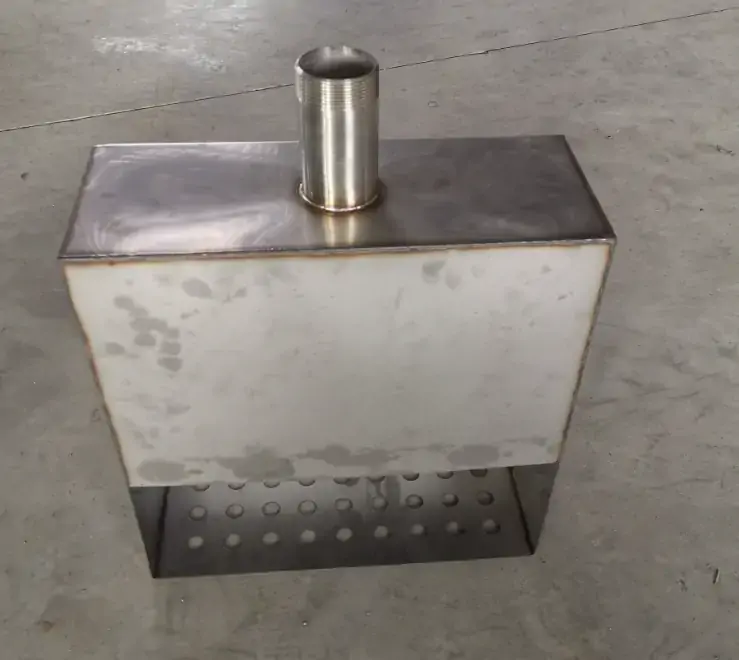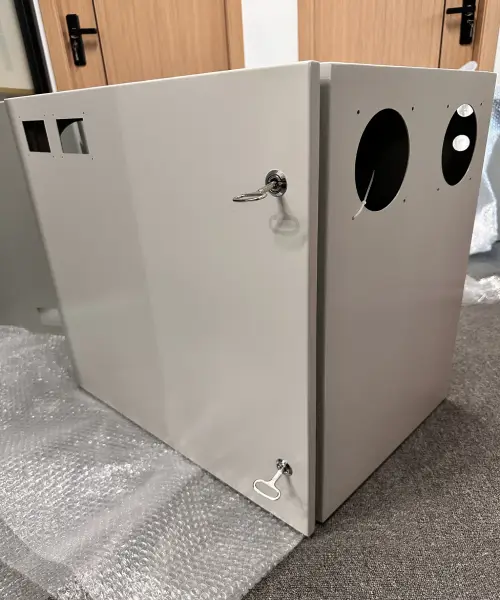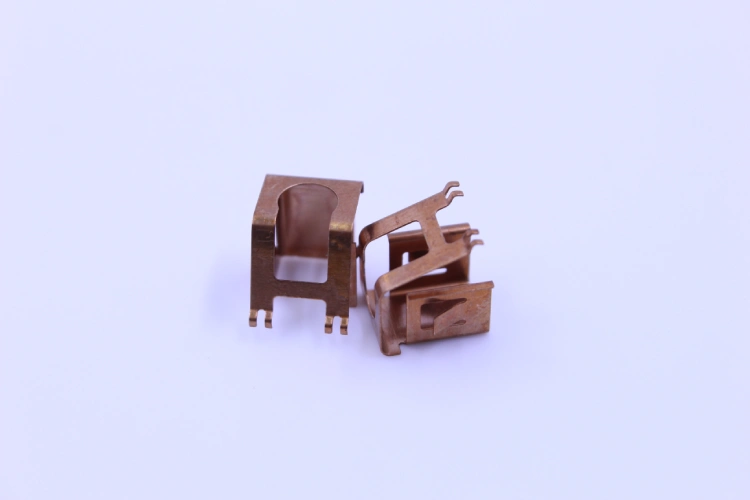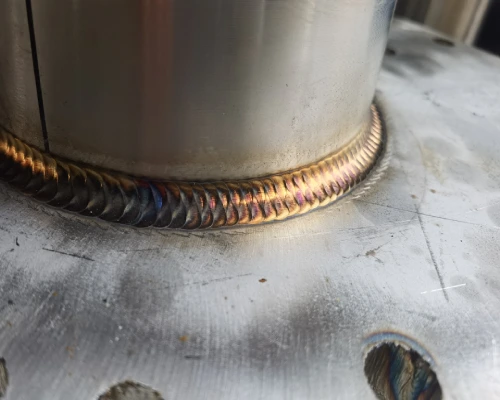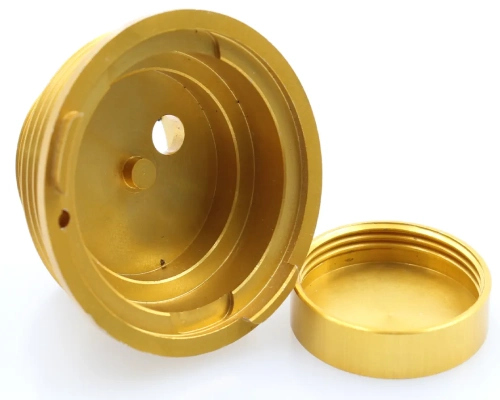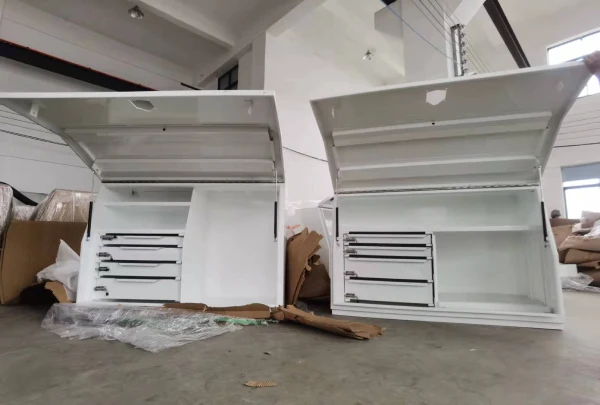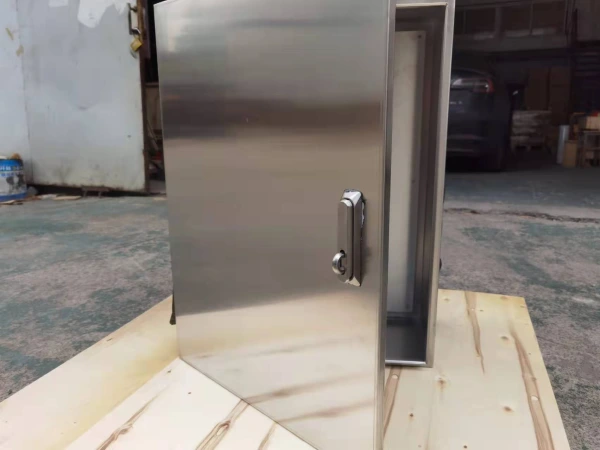

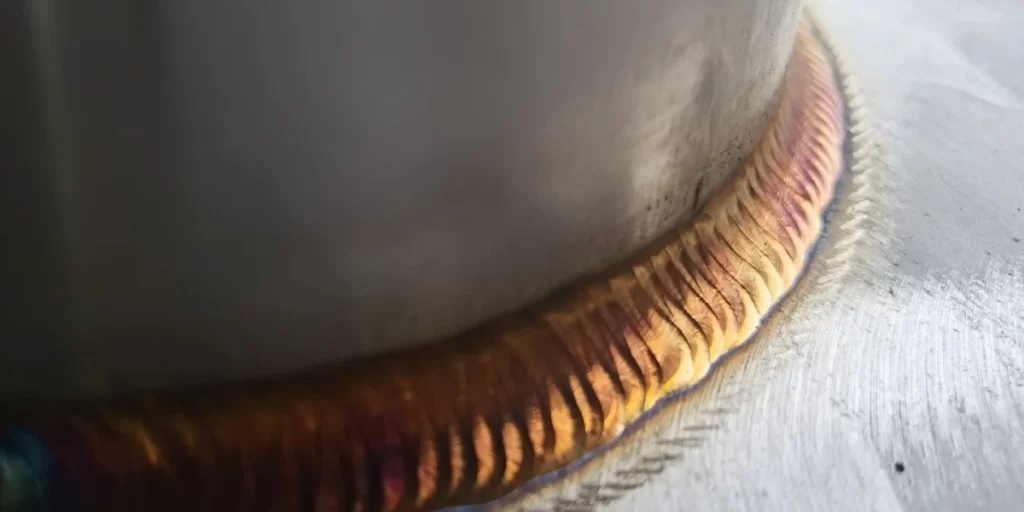


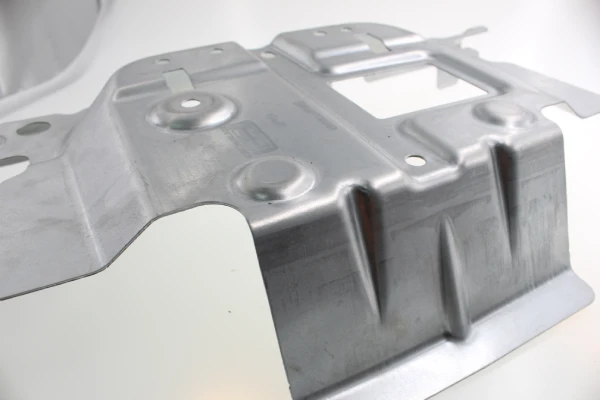
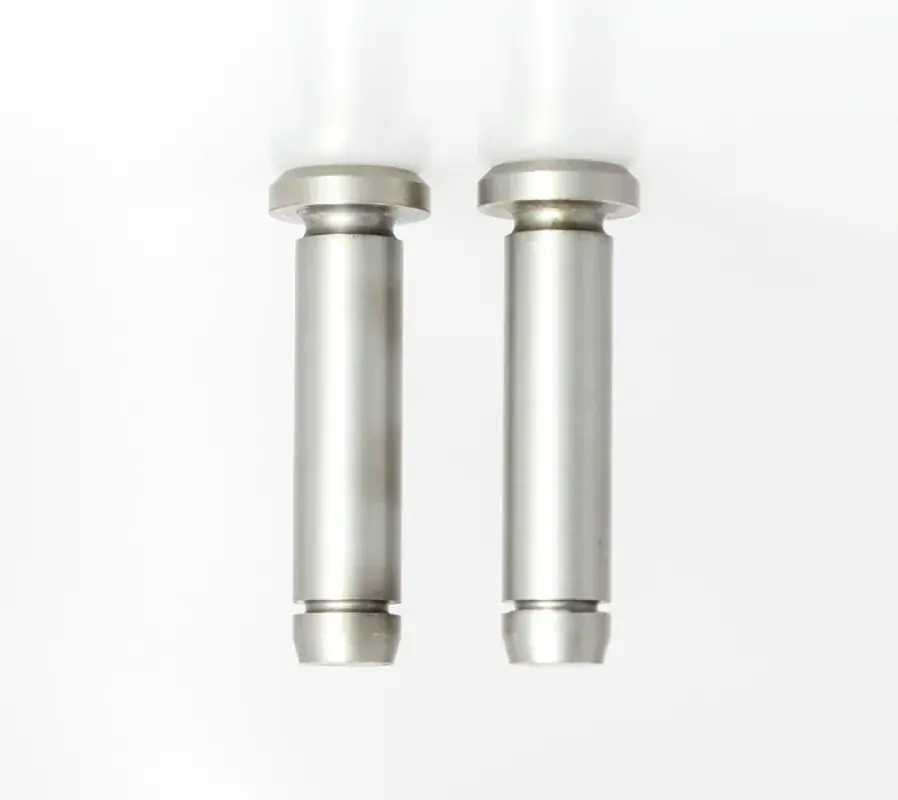

Surface treatment is far from a mere aesthetic choice; it is a critical factor determining performance, service life, and total cost of ownership. An exceptional stainless steel polishing process enhances product corrosion resistance, reduces bacterial adhesion risks, and significantly elevates the perceived value of the final product. Conversely, substandard or uneven surface treatment can become a source of failure, leading to premature corrosion, contamination risks, and costly field replacements.
Achieving a flawless surface requires adherence to a rigorous stainless steel polishing procedure: First, remove contaminants, weld discoloration, and scale. Then, employ progressively finer abrasives—the core of stainless steel polishing techniques—to systematically eliminate scratches from prior operations, ultimately forming a uniform, blemish-free finish.
This article details the stainless steel polishing procedure, essential expertise, and common pitfalls, providing a decision-making framework to help you achieve unparalleled polishing results.
Materials Science and Engineering Mechanics: Establishing the Physical Foundation for U-Shaped Metal Brackets
When customizing electrical U-shaped metal brackets, the core decision points lie in material selection and structural design, which directly determine the bracket’s load-bearing capacity, service life, and total lifecycle cost.
Material Analysis and Performance Evaluation for U-Shaped Metal Brackets
From an engineering perspective, selecting the appropriate material for a U-shaped metal bracket is the primary decision to ensure its structural integrity under specific load and environmental conditions. We primarily base material selection on American Society for Testing and Materials (ASTM) standards.
For standard indoor electrical installations, ASTM A36 carbon steel is widely used in manufacturing electrical U-shaped metal brackets due to its excellent strength-to-cost ratio. However, in environments involving humidity or chemical exposure—such as coastal areas or industrial facilities—ASTM A304 or A316 austenitic stainless steel must be employed.
Additionally, for applications requiring lightweight solutions, aluminum alloy 6061-T6 offers an outstanding high strength-to-weight ratio. Material selection directly determines the corrosion resistance, service life, and fundamental load-bearing and impact resistance properties of electrical U-shaped metal brackets—a prerequisite for any structural calculation.
Mechanical Properties and Key Performance Indicators of U-Shaped Metal Bracket Structures
Beyond material chemistry, the structural integrity of U-shaped metal brackets is also quantitatively engineered. We primarily analyze three critical mechanical properties: yield strength, section modulus, and fatigue strength.
Yield Strength and Tensile Strength
Yield strength and tensile strength are two core mechanical indicators defining the load-bearing capacity and failure of U-shaped metal brackets. According to ASTM A370 standards, yield strength marks the critical point where material begins to undergo permanent plastic deformation. For custom electrical U-shaped metal brackets, we must ensure stresses generated under maximum working loads remain well below yield strength while maintaining sufficient safety factors.
Tensile strength represents the absolute maximum stress a U-shaped metal bracket can withstand before fracture.
For procurement parties, understanding these values is critical, as they collectively ensure the reliability of U-shaped metal brackets under static loads and prevent catastrophic failure due to overload.
Section moment of inertia and section modulus
Section moment of inertia and section modulus are key geometric properties describing a U-shaped metal bracket’s resistance to bending deformation.
Section moment of inertia is a geometric parameter measuring a section’s bending resistance; the higher its value, the less the U-shaped metal bracket deforms under load. The section modulus, meanwhile, is directly used to calculate the maximum bending stress within the section.
Optimizing these geometric parameters—such as by increasing flange width or adding stiffeners—significantly enhances the U-shaped metal bracket’s stiffness and buckling resistance. This is critical for supporting heavy cable trays or serving as seismic bracing.
Fatigue Strength
Fatigue strength is a key indicator for evaluating the long-term durability of custom U-shaped metal brackets under alternating stresses, particularly in applications involving vibration or cyclic loads (e.g., equipment start-stop cycles, seismic events).
Fatigue failure typically originates at stress concentration points, such as the “R-corner” at the U-shaped bend. Therefore, during the manufacturing process of custom U-shaped metal brackets, optimizing the R-corner dimensions and strictly controlling heat treatment processes to prevent surface decarburization are essential measures to ensure high fatigue strength and prevent premature failure.
online custom metal fabrication parts
Only 4 steps
Contact our experts team and experience the efficiency and economic benefits of digital metal fabrication services.
Upload Design Files
STL , STEP (.stp), IGES (.igs), (.ZIP), or PDF.
Also be a sample or an idea
Quote & Design Analysis
Instant factory quotes and DfM reports, the most reasonable solution.
Manufacturing Begins
Digital processes can initiate order tasks within 24 hours.
On-Time Delivery
Keeping delivery promises, approved by 3000+ Global Company buyers.
Manufacturing Processes and Surface Treatment: The Key to U-Shaped Metal Bracket Durability
The durability and performance of U-shaped metal brackets fundamentally depend on their manufacturing processes and surface treatment. The design specifications for these two stages directly impact the product’s service life.
Moreover, the synergistic effect of precision manufacturing and surface technology transforms custom U-shaped metal brackets from mere components into durable value-engineered assets.
Precision Manufacturing Processes for U-Shaped Metal Brackets
The structural integrity of electrical U-shaped metal brackets begins with their manufacturing process. Precision manufacturing not only ensures dimensional tolerances but also directly determines the internal crystalline structure and stress distribution of the metal, thereby influencing its ultimate load-bearing capacity and fatigue life.
Cold Forming and Stamping
Cold forming is our preferred manufacturing process for custom electrical U-shaped metal brackets, suitable for high-volume production with exceptional consistency.
This technique continuously bends metal coils into shape using a series of precision rollers. Its core advantage lies in the work hardening effect: after plastic deformation at room temperature, the metal’s yield strength significantly increases. For example, a cold-formed A36 carbon steel metal U-shaped bracket can achieve over 15% higher yield strength at the bend angle compared to the raw material.
In contrast, stamping is better suited for creating complex hole patterns and irregular cutouts on U-shaped metal brackets. Adherence to ISO 9013 ensures burr-free edges and prevents micro-stress concentrations. These two processes are often combined to balance structural integrity with installation functionality.
Welding Process
Welding becomes a critical process when custom electrical U-shaped metal brackets require integrating reinforcement plates or connectors with the main structure. We adhere to the AWS D1.1 Structural Welding Code, strictly controlling heat input and weld bead design. Improper welding creates heat-affected zones, leading to grain coarsening and hardness changes that become potential fatigue crack sources.
For load-bearing applications, we employ processes such as gas metal arc welding (GMAW) and perform post-weld stress relief annealing to restore material toughness. Weld integrity is verified through non-destructive testing (NDT), ensuring equivalent mechanical properties to the base material—critical for the reliability of seismic support systems.
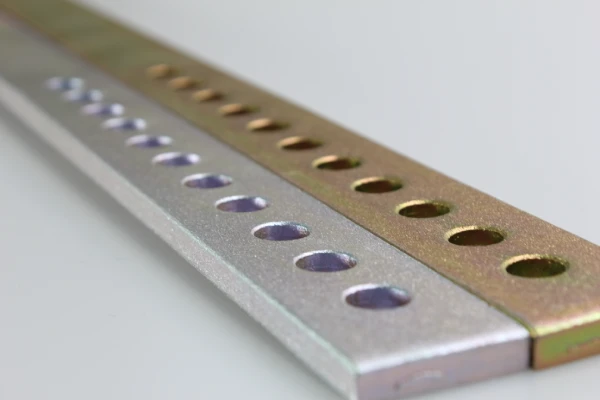
Surface Treatment Methods for U-Shaped Metal Brackets
Surface treatment serves as the first line of defense in ensuring the service life of U-shaped metal brackets under specific environmental conditions. Selecting the appropriate protective system requires a professional assessment of environmental corrosion factors, such as humidity, chlorides, and chemical contaminants.
Electrogalvanizing
Electrogalvanizing deposits a thin zinc coating (typically 5-15µm) onto the surface of electrical U-shaped metal brackets via electrolysis. This process provides sacrificial anodic protection and complies with ASTM B633 standards. The finish typically appears bright white or blue passivated. Its primary advantages are cost-effectiveness and the ability to maintain tight tolerances.
However, its thin coating has limited service life under mechanical wear or in highly corrosive environments. Consequently, it is primarily used for dry indoor environments or as a corrosion protection option for tight-fitting components.
Hot-Dip Galvanizing
Hot-dip galvanizing involves immersing the electrical U-shaped metal bracket into molten zinc to form a thicker (typically 65-200µm) zinc-iron alloy layer, meeting ASTM A123 standards. This alloy layer provides exceptional mechanical protection and long-term corrosion resistance. Even if the coating is scratched, the surrounding zinc layer functions as a sacrificial anode to protect the underlying steel. Hot-dip galvanizing is the preferred solution for electrical U-shaped metal brackets in demanding environments such as outdoor applications, industrial facilities, and data centers.
Powder Coating
Powder coating applies an organic polymer layer to pretreated custom electrical U-shaped metal brackets via electrostatic adhesion and curing, meeting performance standards like AAMA 2604.
This technology delivers uniform coating coverage and extensive color options, facilitating on-site identification and aesthetic integration. Its protective efficacy depends on pretreatment quality, typically employing a zinc phosphate conversion layer to enhance adhesion.
High-quality powder coatings effectively resist UV aging and corrosion from various chemicals, making them ideal for visually critical public spaces, cleanrooms, and custom electrical U-shaped metal brackets requiring specific color-coding.
Selection and Application of U-Shaped Metal Brackets
The selection and application of U-shaped metal brackets constitute a systematic engineering process. This falls outside the scope of standard commodity selection and involves the establishment of precise technical specifications. For procurement professionals, the following methodology ensures the structural integrity, service life, and optimized total cost of electrical U-shaped metal brackets.
Load Analysis and Safety Factor Determination
Proper electrical U-shaped metal bracket selection begins with precise load analysis, the cornerstone of structural safety and reliability. We must clearly distinguish between static loads (e.g., constant weight of cable trays and cables), dynamic loads (e.g., personnel and equipment movement during maintenance), and accidental loads (e.g., seismic events). Considering static loads alone is insufficient.
An appropriate safety factor is determined based on standards like ASCE/SEI 7-16. For conventional electrical U-shaped metal bracket applications, the safety factor is typically set between 1.5 and 2.0. However, for life-safety-critical seismic support systems, this factor must be elevated to 4.0 or higher.
The core principle of selection is to ensure that the rated working load of the U-shaped metal bracket (based on its yield strength), when multiplied by the safety factor, remains significantly higher than the sum of all anticipated loads.
Environmental Compatibility Assessment Matrix
The long-term durability of u-shaped metal brackets depends not only on their strength but also on their compatibility with the operating environment. We recommend incorporating a systematic environmental compatibility assessment matrix as part of the selection process. Key factors to evaluate in this matrix include: environmental humidity, concentration of chlorides or other chemical contaminants in the air, environmental temperature range, and potential for mechanical wear.
For instance, in coastal facilities, specifying merely “stainless steel metal U-shaped bracket” is insufficient; AISI 316 stainless steel must be explicitly required to leverage its molybdenum-enhanced resistance to pitting corrosion. Similarly, in industrial zones with chemical splashes, ASTM A123 hot-dip galvanized metal U-shaped brackets offer a more reliable thick zinc-iron alloy layer than electrogalvanized alternatives.
By matching the specific environmental conditions of the project location with tailored material and surface treatment solutions, the service life of metal U-shaped brackets can be maximized, significantly reducing total lifecycle maintenance costs.
Installation Topology and Fastening Scheme Optimization
A perfectly designed custom U-shaped metal bracket will see its performance compromised if improperly installed. Therefore, the installation topology and fastening scheme are critical elements within the entire support system. This involves evaluating the substrate type for mounting the custom electrical U-shaped metal bracket: For concrete, specific anchor bolt types compliant with ACI 318 standards must be specified; for steel structures, a calculated welding or bolting connection scheme must be employed.
The most critical aspect is optimizing the fastening strategy. In applications subject to vibration, anti-loosening measures must be implemented. This includes using nylon insert self-locking nuts or double nuts with spring washers to prevent the custom electrical U-shaped metal bracket from loosening due to prolonged vibration.
Why choose Supro MFG's Custom metal enclosure Services
Provide the most cost-effective cost solution for manufacturing and assembling products, expanding product competitiveness.
a technical team specializing in custom shell manufacturing for more than 30 years.
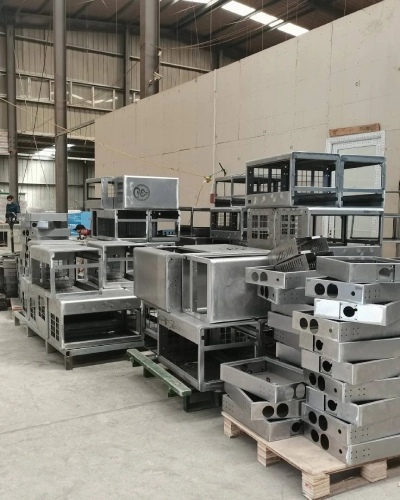
Advanced Manufacturing Equipment: Industry-leading custom metal enclosure manufacturer with in-house sheet metal, die casting, precision machining workshops, and surface coating workshops.
ISO 9001-2015, PPAP III level, RoHS, NEMA, CE and other certified production standards.
24H*7 online English technical support: The professional English team responds quickly to users’ technical questions online at any time.
help users from product design, prototype, batch manufacturing, surface treatment, assembly and packaging, transportation and a series of value-added services.
With in-house mechanics and chemistry laboratories, it can quickly monitor manufacturing process quality control to ensure the delivery of high-quality products.
Accept to sign NDA documents to ensure that customers’ product information is protected.
Door-to-door delivery in customizable secure packaging after complying with the delivery details agreed with the customer.
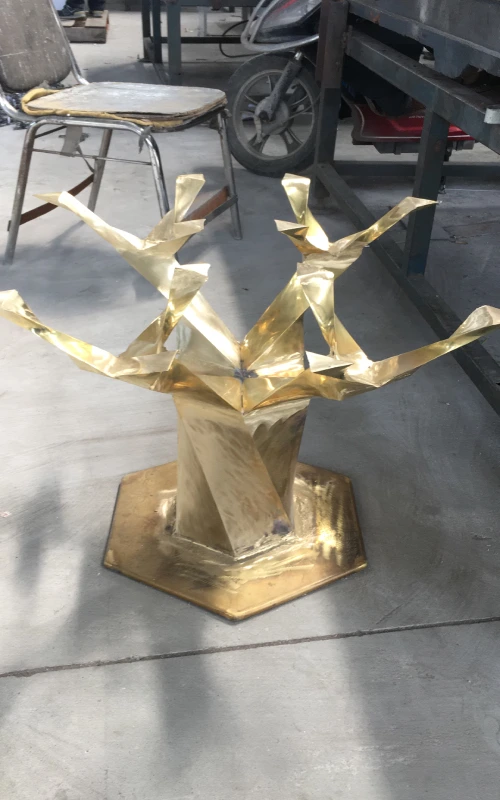
Typical Application Scenarios for U-Shaped Metal Brackets
The engineering value of custom electrical U-shaped metal brackets is truly demonstrated through their performance in critical application scenarios. The following outlines several common usage contexts:
Within multi-level cable tray and pipe rack systems in industrial facilities and power stations, custom electrical U-shaped metal brackets serve as primary load-bearing structures. Their performance directly impacts the safety and stability of the entire cabling system.
For critical electrical installations such as transformers and switchgear, the role of custom electrical U-shaped metal brackets within seismic anchoring systems is paramount. In these applications, the brackets must not only bear the static loads of the equipment but also be engineered to withstand dynamic alternating loads generated during seismic events, in compliance with IBC (International Building Code) and ASCE 7-16 standards, thereby ensuring the continuous operation of vital power infrastructure.
Within data centres and cleanrooms, custom electrical U-shaped metal brackets undertake the critical task of managing high-density cabling. Their function extends beyond mere load-bearing; stringent requirements exist for cleanliness, corrosion resistance, and long-term stability. In these sensitive environments, the bracket surface must be exceptionally smooth, present no risk of flaking, and generate no particulates that could cause server short-circuits or contaminate processes.
In outdoor photovoltaic power stations, custom electrical U-shaped metal brackets are employed to securely anchor rail systems to concrete or steel structures. Their durability directly impacts the safety and power generation efficiency of the entire photovoltaic array structure.
Conclusion: contact Supro MFG
From an engineering perspective, electrical U-shaped metal brackets are far from generic commodities; they are precisely engineered load-bearing components. Their long-term performance hinges upon the systematic integration of materials science, structural mechanics, and corrosion protection technology.
Should you require custom electrical U-shaped metal brackets, contact us immediately! The Supro team stands ready to assist. Established in 2004, we are a specialist U-shaped metal bracket manufacturer. Leveraging extensive manufacturing expertise, a robust technical team, and comprehensive production resources, we have delivered one-stop custom electrical U-shaped metal bracket solutions to over 3,000 enterprises worldwide.
At Supro, our dedicated quality control team, seasoned QC personnel, and scientific quality assurance processes ensure products undergo rigorous inspection to meet specified technical standards. We maintain full traceability of defective items, encompassing: raw material inspection, mould verification, equipment checks, process sampling, packaging review, and final product assessment.
Our QA (Quality Assurance) procedures guarantee products comply with essential tolerances and quality benchmarks. We guarantee timely delivery for all product types. From design and rapid prototype fabrication to mass production, we deliver expert technical support and exceptional quality alongside highly cost-competitive supply solutions.