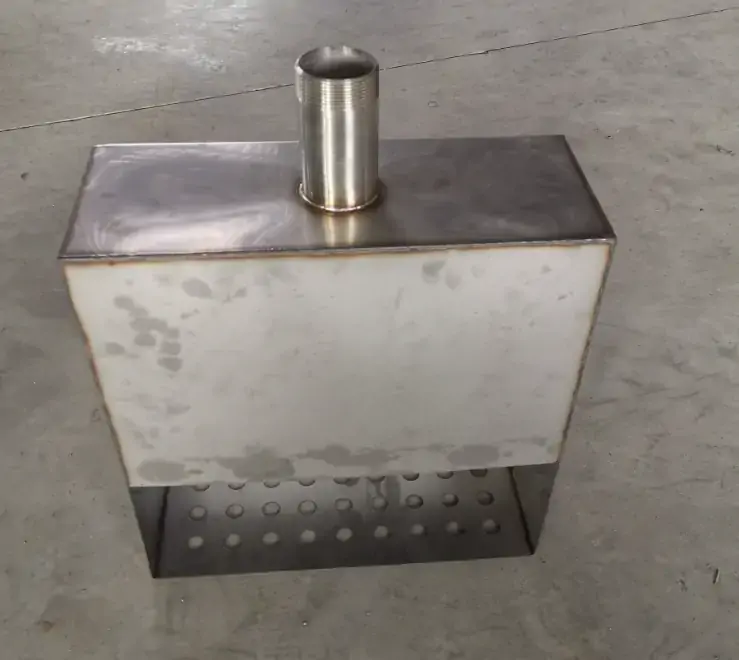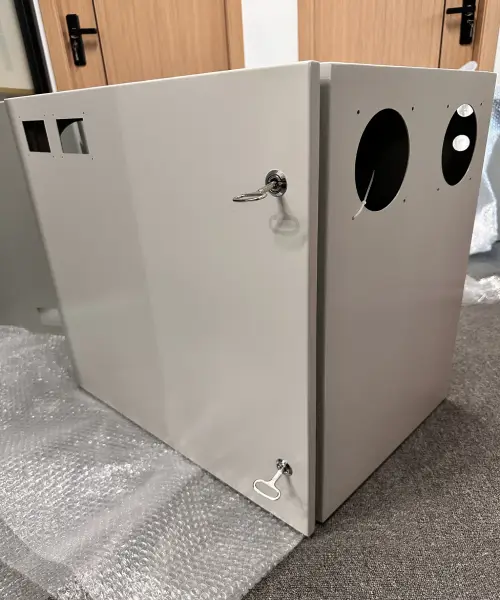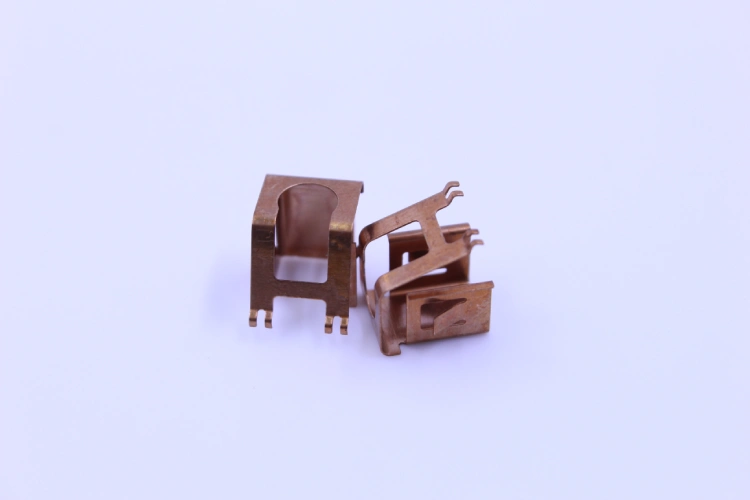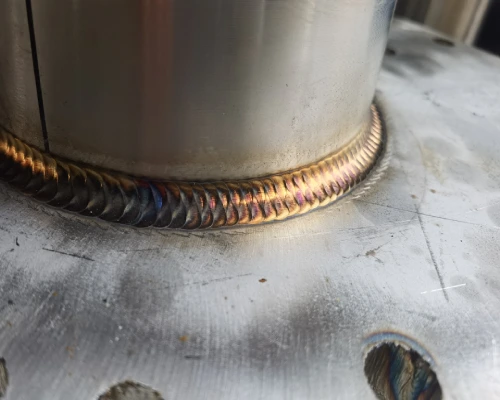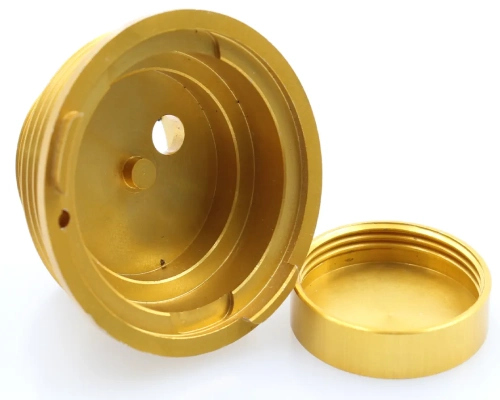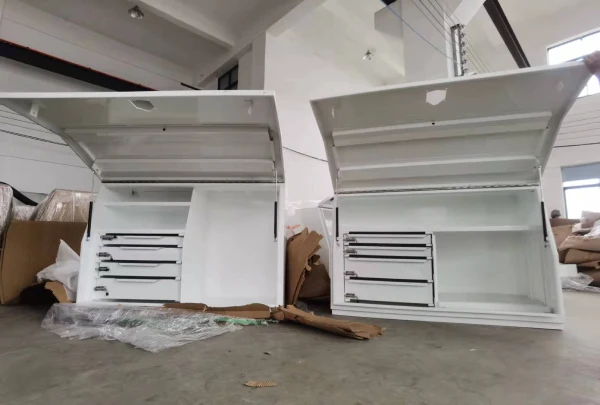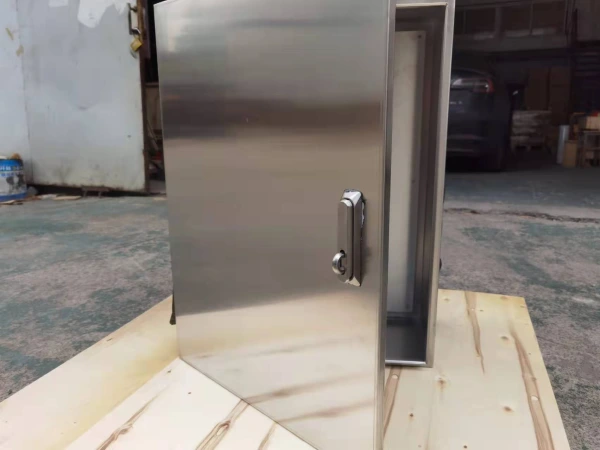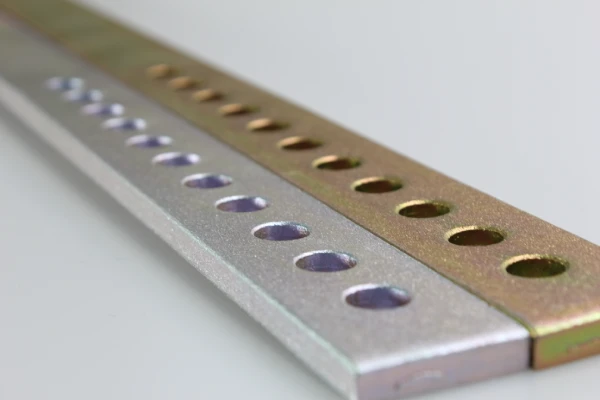

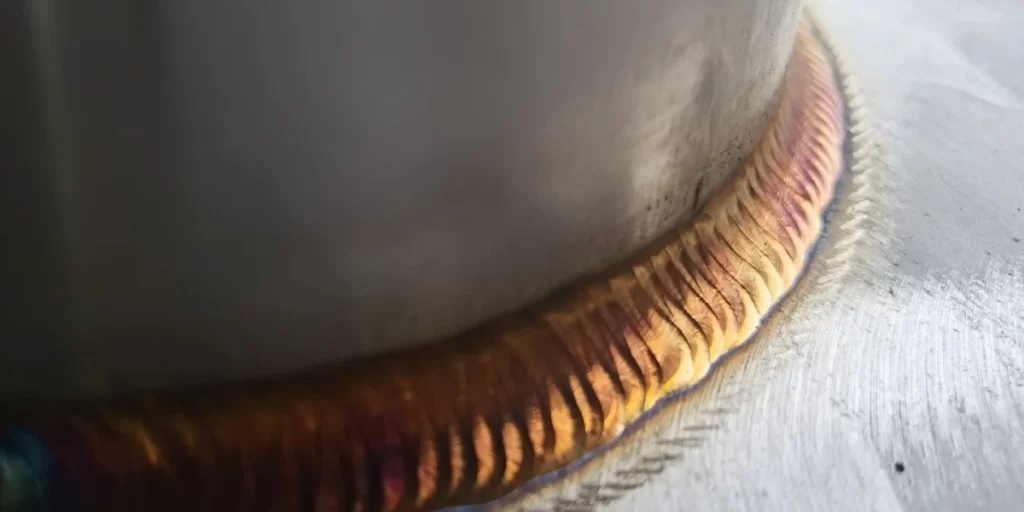
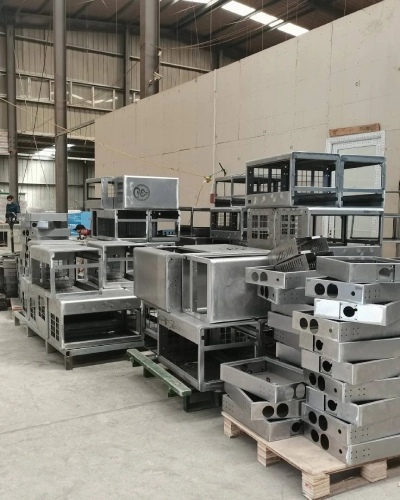
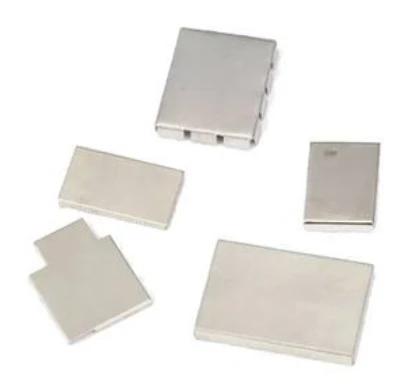
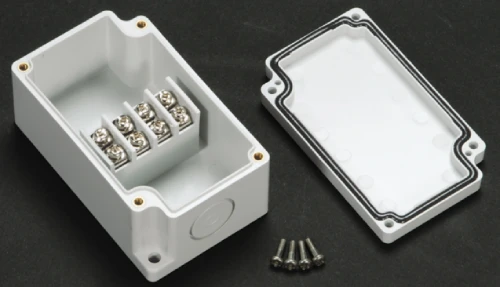


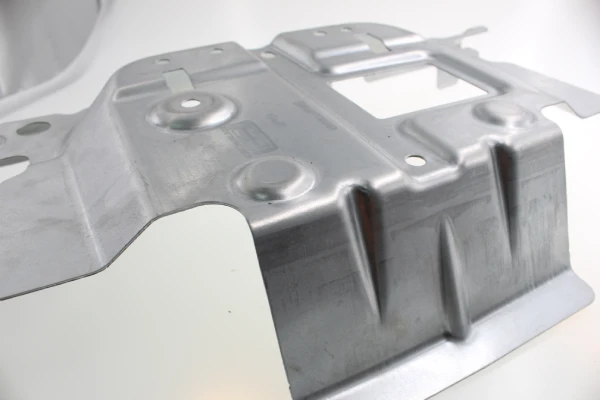
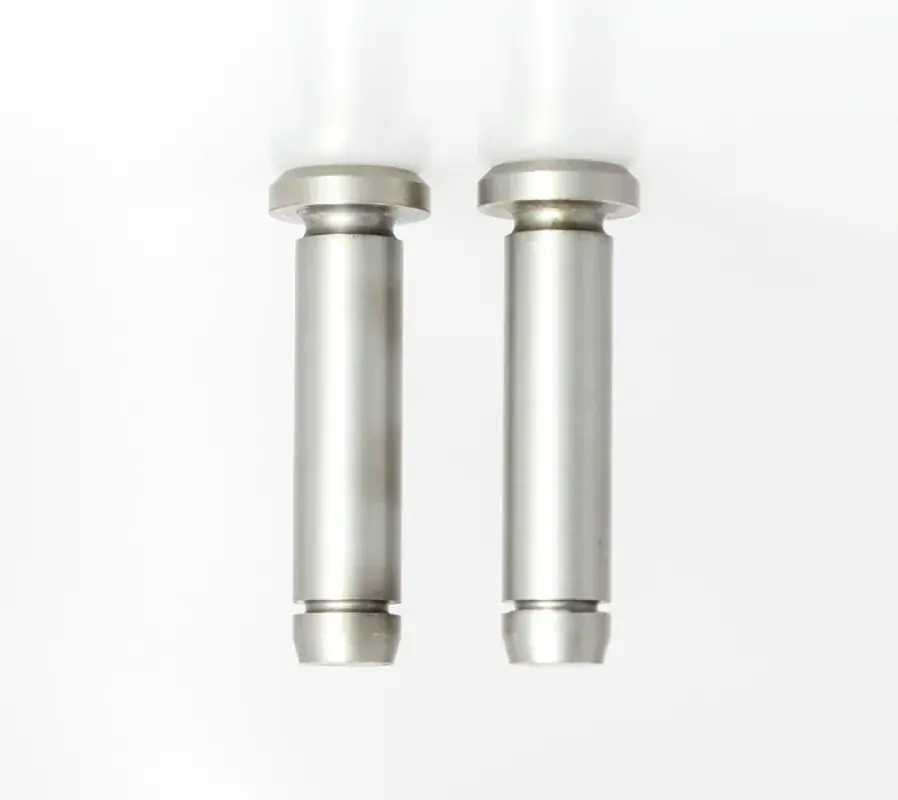

Stainless steel sheet metal fabrication welding is not merely a joining process, but a critical operation that transforms design intent into functional, durable and aesthetically pleasing products.
Whilst stainless steel possesses good weldability, its inherent metallurgical and physical properties present unique challenges within the specific domain of thin sheet metal (0.5mm to 6.0mm).
Our experience indicates that the primary difficulties in stainless steel sheet metal fabrication welding include: sensitisation effects; carbide precipitation within the heat-affected zone (HAZ) leading to diminished corrosion resistance, which is critical to component longevity; heightened thermal stresses and distortion, primarily stemming from the material’s high thermal expansion coefficient and low thermal conductivity, posing a significant threat to the dimensional stability of thin-walled structures; and susceptibility to weld metal solidification defects and hot cracking.
This paper presents a systematic framework for stainless steel sheet metal fabrication welding to address these challenges. Grounded in metallurgical principles, practical process optimisation, and rigorous quality control, it meets the stringent reliability and precision requirements of our international partners.
Our stainless steel sheet metal fabrication welding methodology ensures each welded component achieves the highest standards of structural integrity and performance.
Fundamentals of Stainless Steel Sheet Metal Fabrication Welding: Metallurgical Principles
In stainless steel sheet metal fabrication welding, metallurgical principles are central to determining structural integrity and performance. The weldability of stainless steel sheet metal (0.5mm–6.0mm) is primarily constrained by three major metallurgical issues: intergranular corrosion and sensitisation, hot cracking susceptibility, and welding deformation with residual stresses.
Intergranular Corrosion and Sensitisation Phenomena
During the fabrication welding of thin stainless steel sheets, intergranular corrosion represents the foremost failure mode of concern.
Its root cause lies in ‘sensitisation’: when the heat-affected zone (HAZ) of the weld remains within the 450°C to 850°C temperature range for an extended period, carbon atoms rapidly diffuse to grain boundaries and combine with chromium, forming chromium carbides (Cr₂₃C₆).
This reduces chromium content in the surrounding regions below the corrosion-resistant threshold of 12%, creating ‘chromium-depleted zones’. Within corrosive media, these depleted grain boundaries act as anodes, leading to preferential corrosion.
For thin stainless steel sheet metal fabrication welding, although cooling rates are relatively rapid, thermal cycling remains severe. Therefore, controlling heat input and interpass temperatures is critical. Otherwise, even if the material surface appears intact, intergranular bonding strength is compromised, leading to a drastic reduction in structural integrity.
Sensitivity to Hot Cracking
Stainless steel sheet metal fabrication welding, particularly in fully austenitic welds, exhibits high susceptibility to hot cracking. These primarily fall into two categories: solidification cracks and liquidation cracks.
Solidification cracks originate when low-melting-point impurities (such as sulphur and phosphorus) are pushed to grain boundaries during the late solidification stage of the weld metal, forming liquid films that tear along grain boundaries under welding tensile stresses.
Liquidation cracks occur within the heat-affected zone, where localised grain boundaries melt at elevated temperatures and fracture.
The core countermeasure for stainless steel sheet metal fabrication welding involves selecting filler materials containing trace amounts of ferrite-forming elements (such as chromium and silicon). This induces the formation of approximately 3–10% δ-ferrite within the weld metal during solidification. This ferrite phase effectively dissolves harmful impurities and disrupts the continuous orientation of austenite grains, thereby significantly enhancing crack resistance.
Deformation and Residual Stresses in Stainless Steel Sheet Metal Fabrication Welding
The high coefficient of thermal expansion (approximately 1.5 times that of carbon steel) and low thermal conductivity inherent to stainless steel materials constitute the fundamental physical causes of deformation and residual stress issues in stainless steel sheet metal fabrication welding.
During welding of thin stainless steel sheet metal, concentrated arc heat causes rapid expansion in the weld zone. This expansion is constrained by the cooler surrounding base metal, inducing localised plastic compression. Upon cooling, this region undergoes irreversible contraction, generating residual tensile stresses and overall warping deformation.
Such deformation not only compromises dimensional accuracy and assembly fit, but residual tensile stresses significantly diminish the structure's resistance to stress corrosion cracking (SCC) and fatigue life.
Controlling deformation and residual stresses hinges on minimising heat input, achieved through appropriate fixture design and welding sequence planning.
online custom metal fabrication parts
Only 4 steps
Contact our experts team and experience the efficiency and economic benefits of digital metal fabrication services.
Upload Design Files
STL , STEP (.stp), IGES (.igs), (.ZIP), or PDF.
Also be a sample or an idea
Quote & Design Analysis
Instant factory quotes and DfM reports, the most reasonable solution.
Manufacturing Begins
Digital processes can initiate order tasks within 24 hours.
On-Time Delivery
Keeping delivery promises, approved by 3000+ Global Company buyers.
The Impact of Stainless Steel Sheet Metal Fabrication Material Selection on Weldability
The choice of stainless steel sheet metal fabrication materials directly influences the corrosion resistance, crack resistance, and service life of welded structures. Ultra-low carbon grades (such as 304L, 316L) represent the most direct and effective metallurgical solution for addressing weld sensitisation issues; For applications where ultra-low carbon grades are unsuitable or under demanding thermal cycling conditions like multi-pass welding, stabilised grades offer an alternative solution.
Application of Ultra-Low Carbon Grades
Ultra-low carbon grades fundamentally limit the number of carbon atoms available for forming chromium carbides by strictly controlling carbon content below 0.03%.
This ensures that during the thermal cycling of stainless steel sheet metal fabrication welding, even when the heat-affected zone rapidly traverses the sensitisation temperature range, insufficient carbon is present to induce severe chromium depletion.
Consequently, in most sheet metal applications involving welding, 304L and 316L have become the standard choices. They maintain excellent corrosion resistance without requiring complex post-weld heat treatment, significantly simplifying the stainless steel sheet metal fabrication welding process and enhancing product reliability.
Stabilised Grades
Stabilised grades (such as 321 with added titanium, or 347 with added niobium/tantalum) exploit the principle that titanium and niobium exhibit a far greater affinity for carbon than chromium.
During smelting and subsequent solution treatment, these stabilising elements preferentially combine with carbon to form stable carbides (TiC or NbC).
Consequently, during stainless steel sheet metal fabrication welding, carbon is effectively ‘trapped’, preventing chromium depletion and the formation of chromium-depleted zones.
It should be noted that during thin-sheet stainless steel sheet metal fabrication welding, improper heat input control may cause stabilising elements to oxidise and lose efficacy. Therefore, these materials require strict gas shielding (e.g., Ar + 2% O₂ mixture) to ensure metallurgical stability.
Welding Material Matching Principles
The selection of welding consumables for stainless steel sheet metal fabrication welding adheres to two core principles: ‘equivalent composition matching’ and ‘superalloy matching’.
For most applications, filler wires with compositions similar to the base metal should be chosen. For instance, ER308L filler wire is used for welding 304L base metal to ensure consistent weld properties with the base material. However, specific scenarios necessitate a ‘superalloying’ strategy:
For instance, when welding 316L stainless steel sheet metal fabrication, ER317L with higher molybdenum content may be selected to compensate for alloy element burn-off. Alternatively, when joining dissimilar steels or overlaying stainless steel onto carbon steel, ER309L wire is employed. Its elevated chromium and nickel content dilutes carbon and maintains the austenite-ferrite equilibrium, thereby ensuring weld corrosion resistance and crack resistance.
Consequently, the selection of welding consumables for stainless steel sheet metal fabrication welding constitutes a critical element of the welding procedure qualification (PQR).
Why choose Supro MFG's Custom metal enclosure Services
Real ex-factory price:
Provide the most cost-effective cost solution for manufacturing and assembling products, expanding product competitiveness.
Professional technical team:
a technical team specializing in custom shell manufacturing for more than 30 years.
Advanced Manufacturing Equipment: Industry-leading custom metal enclosure manufacturer with in-house sheet metal, die casting, precision machining workshops, and surface coating workshops.
ISO 9001-2015 Manufacturer:
ISO 9001-2015, PPAP III level, RoHS, NEMA, CE and other certified production standards.
24H*7 online English technical support: The professional English team responds quickly to users’ technical questions online at any time.
One-stop manufacturing solution:
help users from product design, prototype, batch manufacturing, surface treatment, assembly and packaging, transportation and a series of value-added services.
Authoritative testing capabilities:
With in-house mechanics and chemistry laboratories, it can quickly monitor manufacturing process quality control to ensure the delivery of high-quality products.
Intellectual Property Protection(NDA):
Accept to sign NDA documents to ensure that customers’ product information is protected.
Commitment to On-Time Delivery:
Door-to-door delivery in customizable secure packaging after complying with the delivery details agreed with the customer.

Selection of Welding Methods and Parameter Optimisation for Stainless Steel Sheet Metal Fabrication
In thin-gauge stainless steel sheet metal fabrication, the choice of welding method directly determines the degree of structural component deformation, production efficiency, and final quality. Common welding methods employed by stainless steel sheet metal fabricators include: TIG welding, MIG welding, laser welding, and high-frequency welding.
Tungsten Inert Gas Welding: The Optimal Choice for Thin-Gauge Stainless Steel Sheet Metal Fabrication Welding
Tungsten Inert Gas welding, commonly known as TIG welding, fundamentally employs a non-consumable tungsten electrode and an independent inert gas shield to achieve fusion and bonding within the weld zone. This non-contact, non-filler metal welding approach for stainless steel sheet metal fabrication stands as the ideal solution for joining thin stainless steel sheets.
Its core advantages lie in unparalleled arc stability and precise thermal input control, enabling the highest weld purity, excellent reverse bead formation, and minimal heat-affected zones. This makes it exceptionally suitable for precision structural components demanding flawless aesthetics and stringent deformation control during stainless steel sheet metal fabrication welding.
Core Technical Parameter Control
TIG welding of stainless steel thin sheets relies on precise control of three core parameters:
Heat input control must be rigorously calculated and regulated via linear energy (Formula: Q = (60 × I × V) / (1000 × v)). Excessive heat input directly causes extensive heat-affected zones, heightens sensitisation risks, and induces severe warping deformation.
The use of high-purity argon gas (purity ≥ 99.996%) is fundamental for stainless steel sheet metal fabrication welding. For critical structures requiring single-sided welding with double-sided finish, rigorous argon shielding of the rear side is essential to prevent oxidation at the weld root, thereby preserving its inherent corrosion resistance.
Pulsed GTAW represents a transformative technology for thin-gauge stainless steel sheet metal fabrication welding. By rapidly alternating between high (peak) and low (base) currents, it effectively interrupts continuous heat transfer. This allows the molten pool to cool during pulse intervals, significantly reducing overall heat input. Consequently, it delivers superior control over penetration depth and weld bead formation while minimising deformation in stainless steel sheet metal fabrication welding.
Gas Metal Arc Welding with Inert/Active Gases
GMAW, also known as MIG welding, derives its primary value from its high deposition efficiency. It is suitable for stainless steel sheet metal fabrication welding involving thicker plates (typically >3mm) or longer welds.
However, its inherent high heat input and risk of spatter impose limitations in ultra-thin sheet applications (<1.5mm), where burn-through and excessive distortion may occur. Consequently, within stainless steel sheet metal fabrication, MIG welding is typically employed for medium-to-thick plate structures or components where weld appearance is not critically demanding.
Shielding Gas and Droplet Transition
Process stability in GMAW is jointly determined by shielding gas composition and droplet transition mode. For stainless steel sheet metal fabrication welding, argon-rich mixtures such as 98% Ar + 2% O₂ are recommended. Trace oxygen significantly enhances arc stability and weld bead wettability while minimising carbon burn-off.
Regarding transition modes, short-circuit transition is suitable for thin stainless steel sheet metal fabrication welding due to its lower heat input; conversely, pulsed jet transition enables near-spatter-free, aesthetically smooth high-quality welds on thicker plates.
Application of Flux-Cored Welding Wire
Flux-cored arc welding combines the high efficiency of GMAW with the metallurgical flexibility of manual arc welding. The flux within the tubular wire generates shielding gas and forms a slag cover, while also introducing alloying elements to optimise the weld metal properties.
It demonstrates advantages in field welding and windy conditions, coupled with high deposition efficiency. However, drawbacks include increased welding fumes and the necessity for slag removal post-welding; inadequate removal may directly initiate corrosion.
Stainless Steel Sheet Metal Fabrication: Laser Welding and High-Frequency Welding
The core advantage of laser welding lies in its exceptionally high energy density, enabling stainless steel sheet metal fabrication welding to be completed within an extremely short timeframe.
This process forms narrow welds with a high depth-to-width ratio, minimising thermal distortion and the heat-affected zone. It is highly suited to automated mass production and demands extremely stringent assembly precision for butt joints. It is commonly employed for stainless steel sheet metal fabrication welding in electronic device casings, medical equipment, and similar applications.
High-frequency welding constitutes a continuous, highly efficient process specialising in the fabrication of tubular and profiled components. It exploits the skin effect and proximity effect of high-frequency currents to instantaneously heat the edges of the workpiece to a molten state under pressure, forging them into a bonded joint. Whilst its application scope remains relatively specialised, its speed and efficiency during large-scale stainless steel sheet metal fabrication welding operations remain unmatched by other techniques.
No design files? Let Supro MFG do it for you.
We often come across clients who have no professional design drawings and documentation, only a creative idea, which leads to the project being at a standstill.
If you are in this situation, then contact our team of experts.
Supro MFG, as an industry-leading custom metal fabricator, has an ever-experienced team of engineers who utilize their extensive fabrication experience and technical expertise to build your idea into a real product and create design files such as STEP/STP/SLDPRT/DXF/PDF/PRT/DWG/AI.
That’s what makes SUPRO MFG so great, and 2,000 corporate, entrepreneurial, artist, and other purchasers from around the world enjoy working with us and benefiting from our one-stop manufacturing services.
Control of Deformation and Residual Stress in Stainless Steel Sheet Metal Fabrication Welding
In thin-gauge stainless steel sheet metal fabrication welding, controlling deformation and residual stress represents a core challenge for ensuring dimensional accuracy and service reliability. These defects stem from stainless steel’s high coefficient of linear expansion and low thermal conductivity, which induce severe non-uniform thermal stress-strain cycles during welding.
Joint Design
Rational joint design constitutes the primary defence against deformation and stress in stainless steel sheet metal fabrication welding. In thin-gauge structures, continuous welds should be prioritised over discontinuous welds to provide more uniform stress distribution.
For fillet joints, reducing fillet dimensions significantly lowers heat input. Groove design should minimise weld metal deposition; for instance, appropriately reducing the groove angle when employing V-grooves fundamentally reduces contraction forces and the heat-affected zone (HAZ) generated during stainless steel sheet metal fabrication welding.
Sequence and Direction of Stainless Steel Sheet Metal Fabrication Welding
Planning the sequence and direction of stainless steel sheet metal fabrication welding fundamentally involves managing internal stress equilibrium. Symmetrical welding requires multiple welders or robotic systems to simultaneously execute symmetrical welds, thereby counteracting the generated contraction stresses. For extended welds, the segmented back-welding technique divides the length into multiple short sections.
Each segment is welded in a direction opposite to the overall progression, effectively disrupting the continuous tensile stress field. Furthermore, during multi-pass welding, adjusting the sequence of subsequent passes allows partial compressive plastic deformation of the tensile residual stresses generated by preceding welds, achieving a stress-neutralising effect.
Fixtures and Jigs
Fixture systems actively counteract thermal deformation by imposing external mechanical constraints. Well-designed fixtures must possess adequate rigidity and thermal mass.
Copper pads or modules are widely employed due to their excellent thermal conductivity, rapidly dissipating heat from the weld zone to achieve forced cooling and minimise deformation. However, a careful balance must be struck regarding restraint levels. While excessive rigid constraints control deformation, they significantly increase internal residual stresses, potentially inducing cold cracks or adversely affecting the structure's dynamic load-bearing performance.
Mechanical Straightening
Mechanical straightening serves as a common cold correction method when significant deformation persists despite preventive measures. Its principle involves applying external mechanical force to induce plastic deformation in the component, counteracting the direction of the deformation.
It should be noted that stainless steel, particularly the austenitic series, exhibits a pronounced tendency towards work hardening. Vigorous cold correction increases the material's yield strength and reduces its ductility, potentially leading to surface microcracks or heightened susceptibility to stress corrosion cracking during subsequent use.
Thermal Straightening
Thermal straightening utilises the thermal compressive stresses induced by localised heating. By applying a torch to heat the deformed area of stainless steel sheet metal fabrication welding in specific patterns (such as spot or linear heating), the heated region undergoes plastic compression as it expands while constrained by the surrounding cold material.
Upon cooling, this area contracts, thereby pulling the component back into the desired shape. This method of correcting deformation in stainless steel sheet metal fabrication welding relies heavily on operator experience. Heating temperature, rate, and zone must be precisely controlled to avoid re-entering the sensitisation temperature range of the stainless steel material, which could cause new metallurgical issues.
Heat Treatment Stress Relief
Heat treatment constitutes a fundamental approach to reducing the overall residual stress levels within stainless steel sheet metal fabrication welding components. For austenitic stainless steels, annealing is most commonly employed.
This typically involves solution treatment at approximately 1050°C followed by rapid cooling to dissolve carbides and eliminate stresses. For installed components or where stress relief is the sole objective, low-temperature stress relief may be employed, such as holding at 400–500°C. Whilst this method does not alter the sensitisation susceptibility of stainless steel sheet metal fabrication welding, it effectively reduces residual stresses to acceptable levels (typically by 50–70%) with a significantly lower risk of deformation compared to full annealing.
Post-Welding Treatment for Stainless Steel Sheet Metal Fabrication
Post-welding surface treatment is a critical step in restoring stainless steel’s corrosion resistance. Heat input during fabrication welding causes oxidation layers to form on welds and the heat-affected zone (HAZ), compromising the original passivation film. Acid pickling and passivation constitute the core surface treatment processes:
Pickling: Dissolves the oxide layer and surface chromium-depleted zones using a hydrofluoric acid-nitric acid mixture, thoroughly eliminating sensitisation risks caused by stainless steel sheet metal fabrication welding.
Passivation: Utilising oxidising agents such as nitric acid or citric acid to promote the reformation of a dense chromium oxide passivation layer on the surface of structural components. This layer provides long-term protection against pitting corrosion and stress corrosion cracking (SCC).
For applications demanding stringent surface cleanliness (e.g., semiconductors, biopharmaceuticals, or medical devices), electropolishing simultaneously achieves micro-level smoothing and passivation, significantly reducing surface adhesion and corrosion risks.
Conclusion
The quality of stainless steel sheet metal fabrication welding hinges upon a profound understanding of metallurgical principles, precise control of process parameters, and comprehensive quality management throughout the entire process. From the material selection stage to stringent control of heat input during welding, culminating in the pickling and passivation phase, each step directly impacts the structural integrity and service life of the components.
Supro is a specialist stainless steel sheet metal fabricator. Leveraging advanced equipment, extensive manufacturing expertise, and a professional engineering team, we deliver flawless stainless steel sheet metal fabrication services to over 3,000 global companies, providing genuine manufacturer quotations.
Simultaneously, we deliver diverse products efficiently and on schedule. From product design and rapid sheet metal prototype fabrication to mass production, we provide expert technical support and exceptional quality. Furthermore, we offer comprehensive manufacturing solutions and highly cost-competitive product supply!