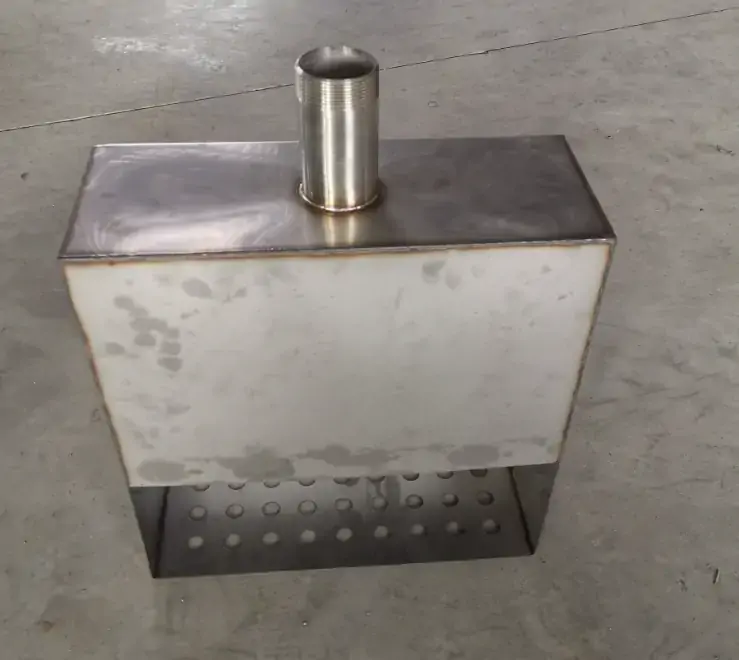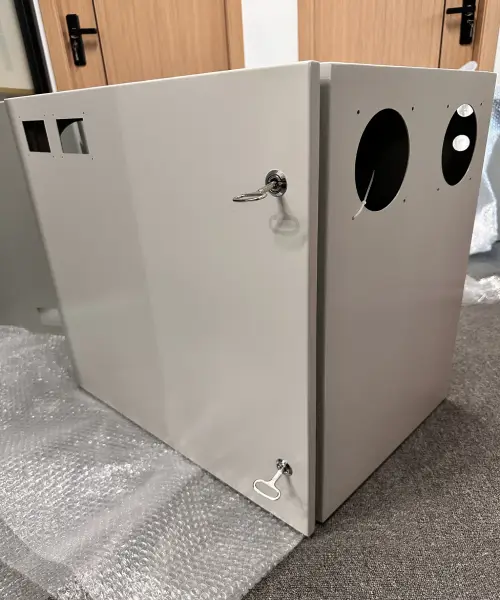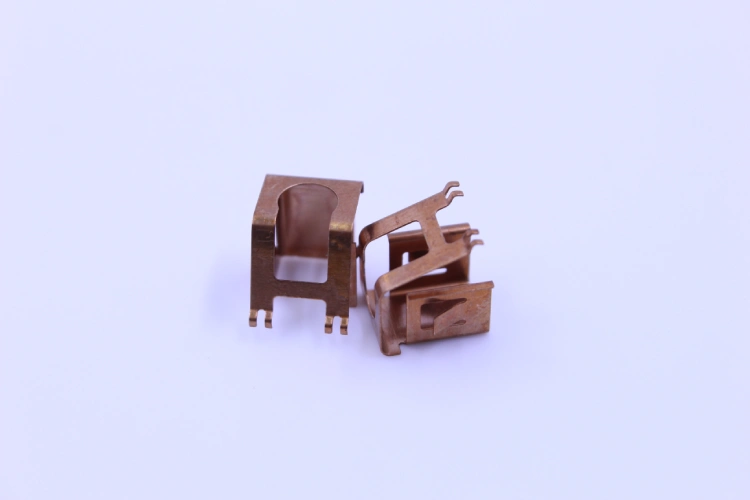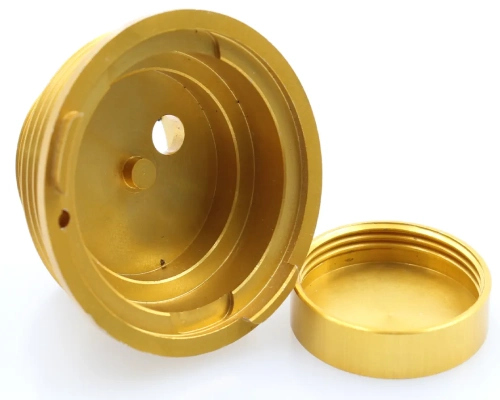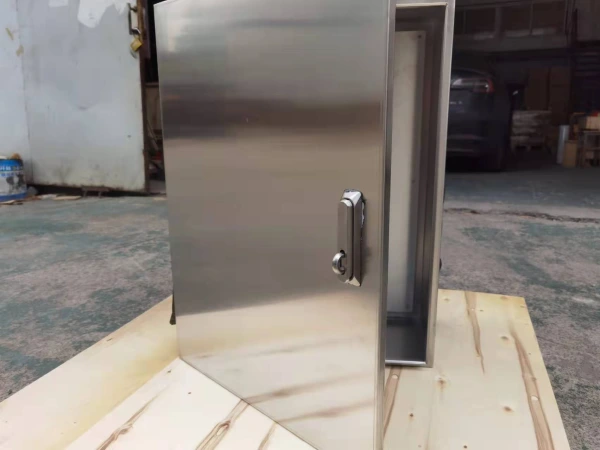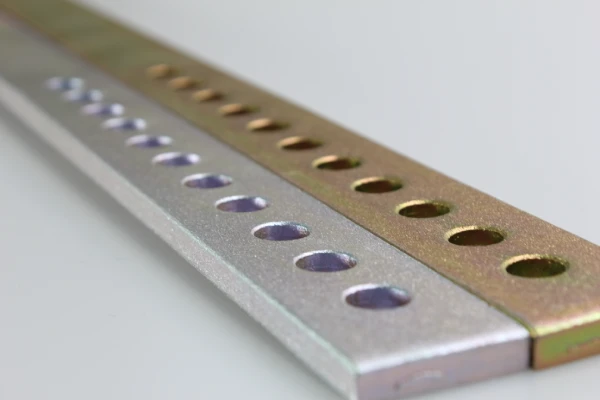

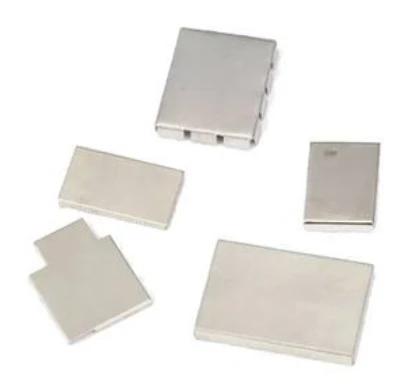



Surface treatment is far from a mere aesthetic choice; it is a critical factor determining performance, service life, and total cost of ownership. An exceptional stainless steel polishing process enhances product corrosion resistance, reduces bacterial adhesion risks, and significantly elevates the perceived value of the final product. Conversely, substandard or uneven surface treatment can become a source of failure, leading to premature corrosion, contamination risks, and costly field replacements.
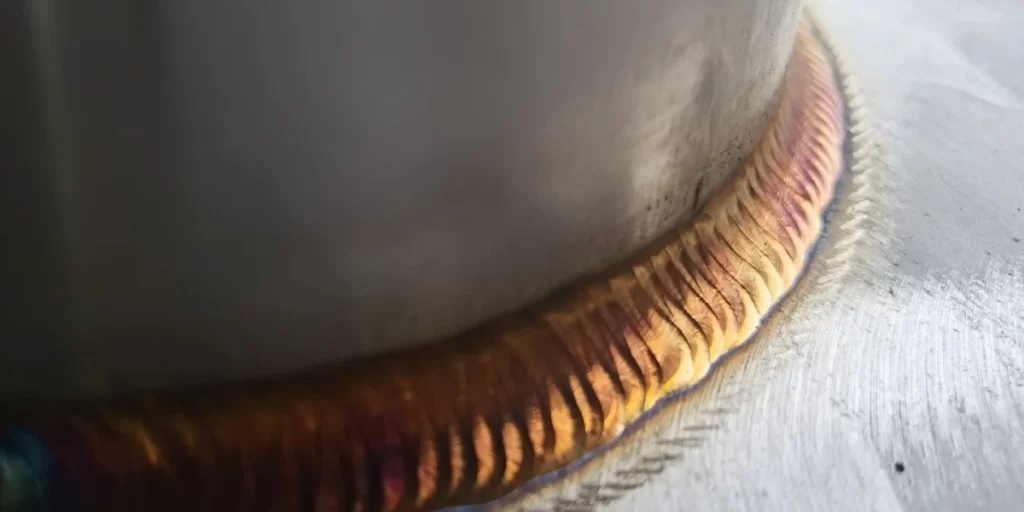
Achieving a flawless surface requires adherence to a rigorous stainless steel polishing procedure: First, remove contaminants, weld discoloration, and scale. Then, employ progressively finer abrasives—the core of stainless steel polishing techniques—to systematically eliminate scratches from prior operations, ultimately forming a uniform, blemish-free finish.
This article details the stainless steel polishing procedure, essential expertise, and common pitfalls, providing a decision-making framework to help you achieve unparalleled polishing results.
Step-by-Step Guide to Polishing Stainless Steel
The standardized application of stainless steel polishing techniques significantly enhances the metal’s corrosion resistance and aesthetic value. As a professional stainless steel polishing manufacturer, Supro adheres to a defined polishing process that typically complies with standards such as ASTM A380. This process involves a strict sequence of operations: initial decontamination treatment, progressive grinding to eliminate defects, and final polishing and finishing.
Preparing the Surface: Inspecting for Surface Scratches and Defects
Before beginning to polish stainless steel, the current condition must first be assessed. The specific steps are as follows:
Check for surface irregularities under bright lighting or with a flashlight.
Run your fingers across the material to feel subtle scratches or indentations.
Use a dry cloth to remove dust and grime for better inspection.
Mark visible defects with chalk so you don’t lose track during prep.
If there’s rust or embedded particles, give it a light degrease before moving forward.
This step is all about getting honest with your metal—because if you skip it, you’ll just be shining up the damage.
How to Perform Mechanical Polishing with Buffing Techniques
Need to polish stainless steel sheet? Brute force alone won’t cut it. Here’s the professional approach:
Start by mounting a soft cotton buffing wheel onto your rotary tool.
Apply consistent pressure—too much and you’ll burn the surface; too little won’t cut it.
Use circular motions while feeding in the right polishing compound, like white rouge for fine finishes.
Adjust speed settings based on bar thickness—slow for heavy-duty, fast for lighter touch-ups.
The real trick is balance—between pressure, movement, and stainless steel polish type. No shortcuts here!
Effectively Using Abrasive Belts and Polishing Pads
Let’s talk sanding—the not-so-glamorous but totally essential part of polishing stainless steel plates.
Grouped Grits & Tools:
Abrasive Belts:
Coarse grit (#60–#80): For deep gouges or weld cleanup.
Medium grit (#120–#180): Smooths out rough sanding lines.
Fine grit (#240+): Preps surface before final buffing stages.
Polishing Pads:
Non-woven pads: Great for blending after belt work.
Foam-backed pads: Ideal for curved surfaces or tight edges.
Use machines with adjustable feed rates so you don’t overheat the plate mid-pass. Keep belts clean—clogged abrasives ruin everything fast.
Grit Type | Application Stage | Tool Compatibility | Finish Outcome |
#60 | Initial sanding | Belt sander | Rough surface |
#120 | Intermediate leveling | Orbital sander | Semi-smooth |
#240 | Pre-polish | Hand pad | Satin finish |
#400+ | Final prep | Rotary buffer | Near-mirror gloss |
Finishing Touches: Achieving a Mirror Finish
The final stage of the stainless steel polishing process transforms a delicate satin finish into a mirror-like reflective surface. This step is achieved through meticulous multi-pass polishing techniques, utilizing progressively finer abrasives.
Typically, a specialized loose polishing wheel paired with premium white powder or diamond polishing compound serves as the finishing operation. Skilled operators employ controlled, non-directional polishing motions to completely eliminate micro-scratches from prior stages, ensuring a flawless, uniformly reflective surface across the entire panel.
Are you looking for reliable & cost-effective
China Sheet Metal Fabricators
More than 150,000 OEM metal fabrication products delivered to 5,000+ global buyers.
And benefit from it!
Five Critical Factors for Efficient Stainless Steel Polishing
Mastering five interdependent key elements ensures quality and repeatability in efficient stainless steel polishing. These elements form the core of advanced stainless steel polishing techniques: polishing principles, application of stainless steel polish, controlled grinding processes, effective removal of surface oxide layers, and mirror polishing techniques.
Understanding Electrolytic Polishing Principles
Electrolytic polishing removes surface layers through electrical current to achieve stainless steel sheet polishing.
The process involves immersing the workpiece in an electrolyte solution, connecting it as an anode to a circuit, and applying electricity.
This process dissolves microscopic protrusions, thereby improving surface finish and enhancing passivation.
Beyond aesthetics, electropolishing enhances corrosion resistance and reduces contamination risks. For medical devices or food-grade equipment, this stainless steel polishing technique is indispensable.
Selecting the Appropriate Stainless Steel Polish
Application Type | Recommended Compound | Grit Size | Finish Level |
Medical Instruments | White rouge | Fine | Mirror gloss |
Automotive Parts | Tripoli compound | Medium | Satin sheen |
Jewelry & Watches | Jeweler's rouge | Ultra-fine | High reflectivity |
Industrial Surfaces | Emery compound | Coarse | Matte finish |
Selecting the appropriate stainless steel polish is crucial. Whether it's a thick paste, a creamy polishing compound, or a granular abrasive paste, each stainless steel polish delivers distinct polishing results. Selection must be based on the surface type, desired effect, and final objective.
Optimal Polishing Sequence
When polishing stainless steel sheets, begin with coarse-grit sandpaper (approximately 80 grit) to address severe imperfections.
Progress systematically—120, then 220, finishing near 600 grit—for smoother surfaces.
Use an orbital sander for large sheets; manually sand tight corners with careful hand sanding.
Each polishing step refines the metal surface further; never skip grit grades.
Surface Oxidation Layer Removal
“According to the Global Stainless Steel Finishing Trends Report Q1–2024, over 65% of manufacturers now incorporate dual-stage oxidation removal using both chemical and mechanical methods.”
Removing Stubborn Rust Stains:
For deeply discolored areas, use a mildly acidic cleaner or specialized acid-based gel.
Follow with secondary treatment using a fine abrasive pad or soft brush saturated with neutralizer.
Thoroughly rinse and dry completely before proceeding to the final stage of the stainless steel polishing process.
These steps restore metallic luster while enhancing long-term protection by rebuilding the passivation layer.
Final Polishing Techniques for Stainless Steel Mirror Polishing
Short strokes matter here:
Use high-speed rotary buffers fitted with soft cloth wheels.
Apply minimal pressure—let the tool do its thing without forcing it.
Apply ultra-fine stainless steel polish to achieve a glass-like shine.
Repeat buffing passes until reflections are crisp enough to shave by. Done right, this stage is where all your prep work pays off—and where polished stainless steel truly shines its brightest.
No design files? Let Supro MFG do it for you.
We often come across clients who have no professional design drawings and documentation, only a creative idea, which leads to the project being at a standstill.
If you are in this situation, then contact our team of experts.
Supro MFG, as an industry-leading custom metal fabricator, has an ever-experienced team of engineers who utilize their extensive fabrication experience and technical expertise to build your idea into a real product and create design files such as STEP/STP/SLDPRT/DXF/PDF/PRT/DWG/AI.
That’s what makes SUPRO MFG so great, and 2,000 corporate, entrepreneurial, artist, and other purchasers from around the world enjoy working with us and benefiting from our one-stop manufacturing services.
Common Mistakes When Polishing Stainless Steel
Certain operational errors can severely compromise polishing results. These mistakes often stem from neglecting fundamental steps in the standard stainless steel polishing procedure, such as inadequate surface cleaning or using contaminated abrasives that embed foreign particles into the surface, triggering corrosion. Supro provides reliable stainless steel polishing services.
Through rigorous process control and operator training, we specifically eliminate such errors to ensure surface integrity and long-term component performance.
Ignoring Corrosion Spots
Skipping over corrosion spots? That’s a fast track to ruining your trim. Here’s how it plays out:
Rust spots and pitting don’t just look bad—they spread rapidly if left untreated.
Even tiny spots can deepen into permanent surface damage, especially noticeable on decorative panels.
Regular inspection is crucial—carefully run your fingers over surfaces under ample lighting.
Quick fix: Use a soft cloth and magnifying light for early detection.
Apply rust remover before stainless steel polishing
If you polish over hidden flaws, the result won’t just be uneven—it’ll be permanently flawed.
Not testing polish on stainless steel sheets
Too many people start polishing without testing stainless steel polish—that’s where problems often start.
Common mistakes include:
Different finishes react differently—a polish suitable for brushed surfaces may ruin mirror-polished sheets.
Some stainless steel polishes contain harsh abrasives that create micro-scratches on smooth coil surfaces.
Proceeding without testing risks irreversible damage or loss of gloss.
Always try it first:Pick an inconspicuous area;Rub in a small amount with a microfiber cloth;Wait for drying and assess the reaction。
Polish Type | Finish Compatibility | Risk Level | Recommended Use Area |
Cream-based | Mirror | Low | Final pass on trim |
Abrasive compound | Brushed | Medium | Deep clean before buffing |
Spray polish | Matte | Low | General maintenance |
Oil-based | All types | High | Avoid unless tested well |
Stainless steel polish inspection takes only five minutes, yet saves hours of regret and potential replacement costs. In actual production, Supro incorporates these checks into the stainless steel polishing procedure, ensuring stainless steel surfaces always shine like new.
Rapid Prototype Turnaround
Committed to exceeding expectations for quality and rapid turnaround, and meeting high-quality sheet metal parts.
On-Demand Sheet Metal
Whether it is rapid prototyping & large-volume manufacturing, we will implement it according to customer needs and standards.
Real Fabricators Price
Integrate product design, bending, stamping, cutting, surface treatment, etc. to provide a series of manufacturing solutions.
FAQs about Polishing Stainless Steel
What is the difference between stainless steel electrolytic polishing and mechanical polishing? How to choose?
Mechanical polishing physically smooths the stainless steel surface using abrasives. Stainless steel electrolytic polishing uniformly removes surface material through an electrochemical process, enhancing micro-smoothness and corrosion resistance by rebuilding the passivated oxide layer.
Selection depends on the required Ra value (average roughness), part geometry, and application environment (e.g., sanitary vs. architectural grades).
How to specify the correct stainless steel polishing grades or abrasive grit size?
Surface finishes should be specified using quantifiable Ra values (e.g., mirror finish requires Ra < 0.4μm) rather than descriptive terms like “#4” or “mirror.”
As a professional stainless steel polishing manufacturer, Supro achieves and verifies target Ra values through specific process steps—namely, a defined sequence of stainless steel polishing techniques combined with abrasives of specified grit sizes.
Beyond Ra specifications, physical samples are provided for visual reference.
How does polishing affect corrosion resistance?
Proper stainless steel polishing enhances corrosion resistance by removing surface defects that may trigger pitting corrosion.
However, defective operations—such as using contaminated tools (e.g., iron-containing abrasives) or skipping grit steps—can embed particles and induce corrosion.
For critical applications, final passivation after polishing is recommended to ensure chromium oxide layer integrity.
How should weld areas be polished?
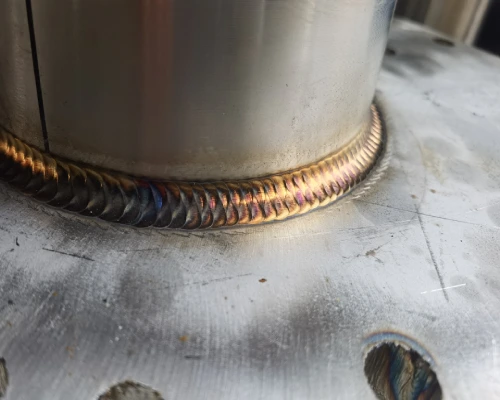
Welds require a dedicated stainless steel polishing process. After removing heat tint via acid pickling or brushing with a stainless-specific wheel, the weld must be mechanically polished through the same grit progression as the base metal to blend the profile and restore corrosion resistance. Using low-chloride compounds is essential to prevent post-process corrosion.
contact Supro MFG
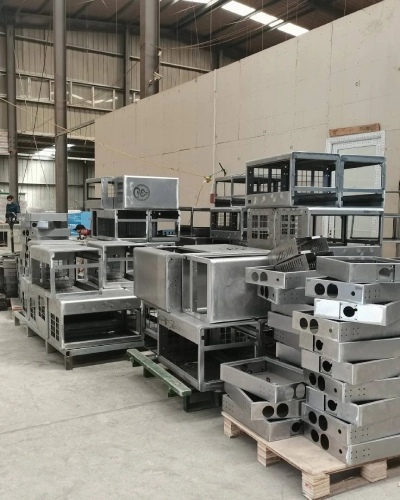
Supro is a professional stainless steel polishing manufacturer. Leveraging advanced equipment, extensive manufacturing experience, and a specialized engineering team, we provide flawless stainless steel polishing services to over 3,000 companies worldwide, offering genuine manufacturer pricing.
As an industry-leading stainless steel polishing manufacturer, we efficiently deliver diverse products on schedule. From product design and rapid sheet metal prototype fabrication to mass production, we provide expert technical support and exceptional quality. We offer one-stop manufacturing solutions and highly cost-competitive product supply!