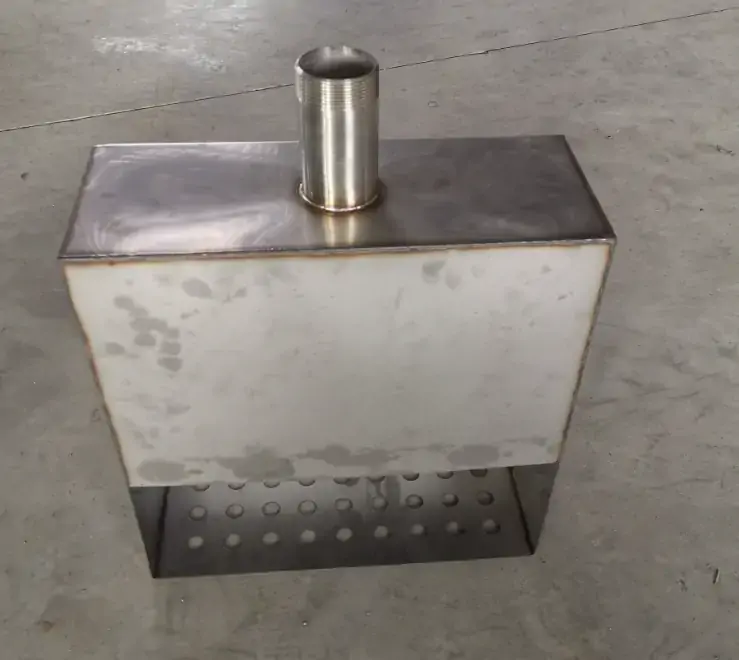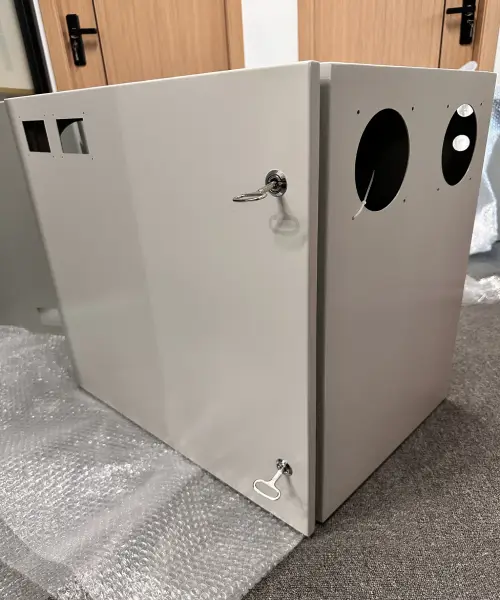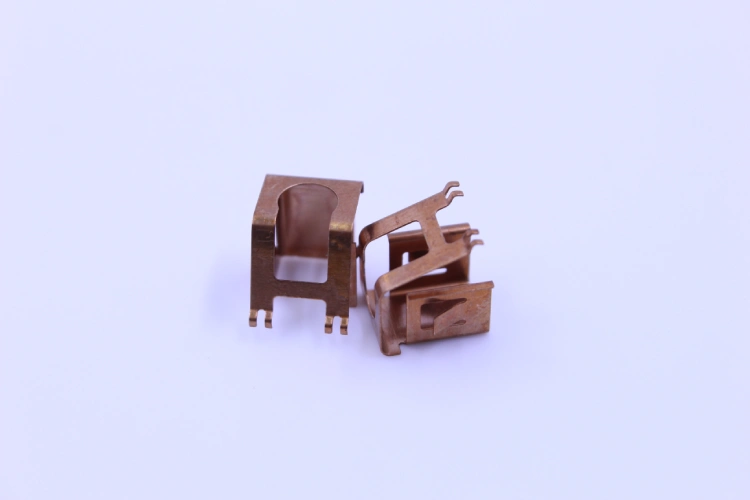

Metal Bracket is a core component in industrial manufacturing, equipment installation and support structures, and its performance and adaptability are directly related to the stability, safety and service life of the end product.
Reasonable design and selection of Metal Bracket can ensure the long-term stability of the end product and reduce the maintenance cost at the same time.
So, how do we design or select a Metal Bracket that perfectly fits the needs? The article will explain the core definition, manufacturing process, types, considerations, finishing, etc. to help you design a perfect and robust Metal Bracket for your application.
What is metal bracket?
A metal bracket is a basic and extremely versatile hardware component, usually made from sheet metal through a series of machining processes. Its core function is to provide structural support, fixation and connection, and it is a key component to ensure the integrity and stability of the whole system.
Commonly used materials:
steel metal brackets: low cost, high strength, most widely used.
stainless steel brackets: excellent corrosion resistance and strength, commonly used in food and medical, outdoor or harsh environments.
aluminum brackets: lightweight, good strength-to-weight ratio and natural corrosion resistance, easy to process, is the first choice for many lightweight designs.


How we make metal bracket
Sheet metal processing is one of the most cost-effective and simplest ways to manufacture metal brackets.
Laser Cutting
The metal material is cut to the specified size according to the design drawings. It eliminates the need for customized tooling, offers great flexibility and precision, and has smooth cut edges, making it ideal for customized production and complex designs.
sheet metal Forming
Using a bending machine and specialized tools, a flat sheet of metal is bent into specific angles and shapes at predetermined locations, which is a critical step in the fabrication of the metal bracket's three-dimensional structure.
CNC sheet metal Punching
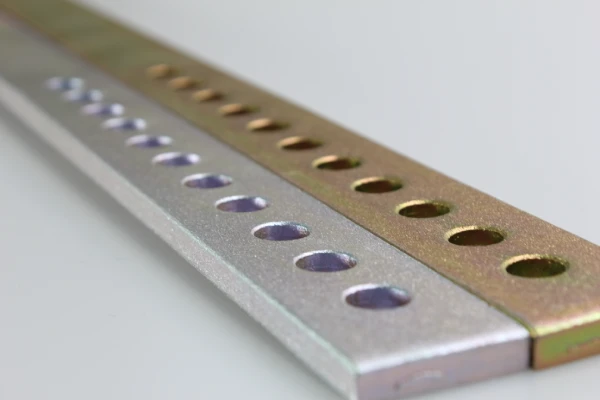
Mounting holes, screw holes, or other functional holes are punched into the metal bracket; flanging creates a raised crimp around the holes for added strength.
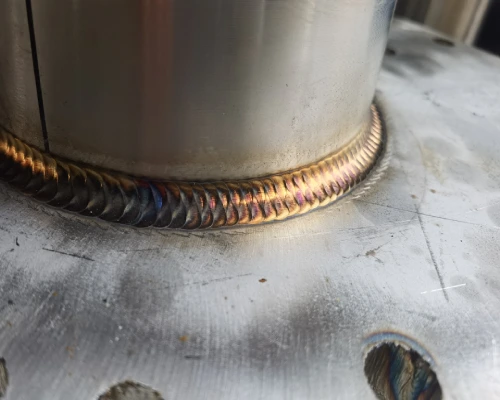
metal Welding:
When a metal bracket is too complex to be machined from a single sheet, it is broken down into multiple parts and welded together to form a single unit.
treatment Finishing
After the metal bracket is molded, it is finished to enhance its performance and appearance.
Rapid Prototype Turnaround
Committed to exceeding expectations for quality and rapid turnaround, and meeting high-quality sheet metal parts.
On-Demand Sheet Metal
Whether it is rapid prototyping & large-volume manufacturing, we will implement it according to customer needs and standards.
Real Fabricators Price
Integrate product design, bending, stamping, cutting, surface treatment, etc. to provide a series of manufacturing solutions.
Common metal bracket types
Metal bracket types are rich and varied, and their shapes and designs are mainly determined by specific functions and application scenarios. Understanding the common types of metal bracket will help you make a more appropriate choice in design and selection. Whichever type of metal bracket you need, Supro has you covered.
l shaped metal bracket:
This is the simplest and most common type of bracket. It has an "L" shape and is mainly used to connect two perpendicular parts and provide support. Its structure is simple, easy to manufacture, low cost and widely used.
u shaped metal bracket:
shaped like the letter "U", composed of a base plate and two sides of the plate. Commonly used to fix or wrap a component, such as pipes, cylindrical objects or a box fixed in a certain position, the two sides of the plate can provide better stability and torsion resistance.
metal z bracket:
consists of two bends in opposite directions, forming a "Z" or ladder shape. It is mainly used to connect two parts that are parallel to each other but not in the same plane. It is capable of spanning gaps or adapting to different mounting height differences.
Customized Metal Bracket:
This is a non-standard bracket designed to meet the unique requirements of a specific product. It has a complex shape and usually integrates multiple functional features such as reinforcement, specific curved surfaces, etc. It is widely used in aerospace, medical devices, and other areas with high space and performance requirements.
Considerations for customizing metal brackets
Metal bracket manufacturing is relatively simple, but there are several factors to keep in mind during the customization of metal bracket to ensure the best results.
Material of customized metal bracket
We need to choose the material according to the specific application environment, consider the strength, weight, corrosion resistance, electrical conductivity, thermal conductivity and other characteristics, and clarify how much load the metal bracket needs to withstand.
For example, aluminum brackets are suitable for light weight and regular corrosion, stainless steel brackets are suitable for high strength and high corrosion environments, steel metal brackets are suitable for high strength and low corrosion environments and so on.
Flange ratio
The ratio of metal bracket flanges determines the stability and manufacturability of the design.
Too narrow flanges are difficult to mold on standard bending machines because the upper mold cannot press the material effectively, resulting in bending difficulties, inaccurate angles and large rebound.
And asymmetric flange design may lead to plate sliding during bending, affecting accuracy and generating unnecessary internal stress.
Location of holes
The holes are the weakest part of the metal bracket, and their location determines how the stresses are distributed.
The holes in the metal bracket need to be located away from high stress areas, and they should not be in the immediate vicinity of the bending line or bending line. The bending process stretches and compresses the material in that area, resulting in severe deformation of the hole.
The distance from the edge of the hole to the outer edge of the sheet (the margin) must be adequate. Too small a margin weakens the material and makes it very susceptible to tearing from the hole under stress. Normally, the minimum margin is not less than the diameter of the hole.
The distance between holes should also not be too small, or they will be prone to fracture; avoid holes near sharp corners or sharply changing contours of the metal bracket.
Finishing Options for Custom Metal Bracket
Finishing is the final step in the manufacturing process of custom metal bracket, which not only enhances the appearance of the product, but also significantly improves its functionality, durability and environmental adaptability. Depending on the application requirements, there are several mainstream finishing options:
Electroplating
Electrochemically covering a metal surface with a thin film of another metal.
Galvanizing: The most common treatment for rust prevention. Provides electrochemical protection and the surface usually appears silver or bluish-white. White zinc, colored zinc, and blue-white zinc options are available.
Nickel Plating: Shiny silver-white in appearance, provides good corrosion and abrasion resistance, and is commonly used where there are decorative requirements and abrasion resistance needs.
Chrome plating: It is divided into decorative chrome and hard chrome. Decorative chrome is extremely glossy, beautiful and wear-resistant; hard chrome is extremely hard and can greatly enhance the surface wear resistance.
Advantages of electroplating: It provides cathodic protection and strong rust resistance, and at the same time improves the electrical conductivity and welding performance of the customized metal bracket.
Chemical conversion film
Generates a dense protective film on the surface of custom metal bracket through chemical reaction, without changing the thickness of the material.
Phosphatization: mainly used for steel. The surface forms a layer of black or gray phosphate crystalline film, the main role is to improve corrosion resistance and enhance the adhesion of the coating, often as a pre-treatment of spray paint.
Anodic oxidation: dedicated to aluminum brackets, through electrolysis in the aluminum surface to generate a layer of hard, dense aluminum oxide film. This oxide film is corrosion-resistant, wear-resistant, and can be dyed into a variety of colors, both functional and aesthetic.
Advantages of chemical conversion film: lower cost, effectively improve product corrosion resistance and wear resistance, the treatment process does not change the size of the parts.
Spraying
The coating is attached to the surface of the customized metal bracket in liquid or powder form.
Powder Coating: Electrically charged plastic powder is sprayed onto the customized metal bracket and then cured by heat to form a coating. The coating is a very popular choice because of its thickness, excellent abrasion and corrosion resistance, textured appearance, and environmentally friendly, solvent-free finish.
Spray Paint: Sprayed using traditional liquid paint. The color choice is very rich and the surface gloss is high.
Mechanical treatment
Change the surface state by physical means.
Polishing: Remove burrs by vibratory friction and obtain smooth, matte edges for improved hand safety.
Sandblasting: Use high-speed sand flow to impact the surface of customized METAL BRAKET to form a uniform and rough matte surface. It is mainly used to clean the surface, eliminate scratches, increase coating adhesion, or obtain a specific appearance effect.
No design files? Let Supro MFG do it for you.
We often come across clients who have no professional design drawings and documentation, only a creative idea, which leads to the project being at a standstill.
If you are in this situation, then contact our team of experts.
Supro MFG, as an industry-leading custom metal fabricator, has an ever-experienced team of engineers who utilize their extensive fabrication experience and technical expertise to build your idea into a real product and create design files such as STEP/STP/SLDPRT/DXF/PDF/PRT/DWG/AI.
That’s what makes SUPRO MFG so great, and 2,000 corporate, entrepreneurial, artist, and other purchasers from around the world enjoy working with us and benefiting from our one-stop manufacturing services.
Get An Instant Quote Now!
Supro is a professional customized metal bracket manufacturer from China, producing standard or non-standard metal brackets and related components for multiple industries with competitive product offerings.
We have rich experience in metal bracket manufacturing and can provide you with pan brackets, plate brackets, mounting brackets, motor brackets, sensor brackets, metal floating shelf bracket We can provide you with pan brackets, plate brackets, mounting brackets, motor brackets, sensor brackets, metal floating shelf brackets, angle brackets, heavy duty metal brackets, equipment brackets, u-shaped brackets, l shaped metal bracket,metal z bracket or any custom bracket you need.
We can also actively provide one-stop customized metal bracket manufacturing solutions according to different environments, applications and special functional requirements, including: sheet metal bending, metal stamping, die casting and other manufacturing processes.
If you are looking for metal bracket suppliers, please contact us today!