

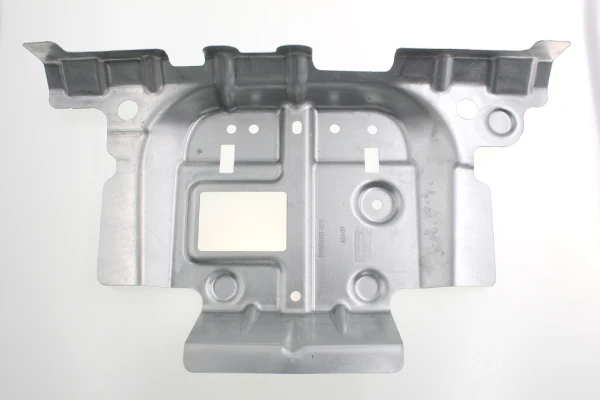
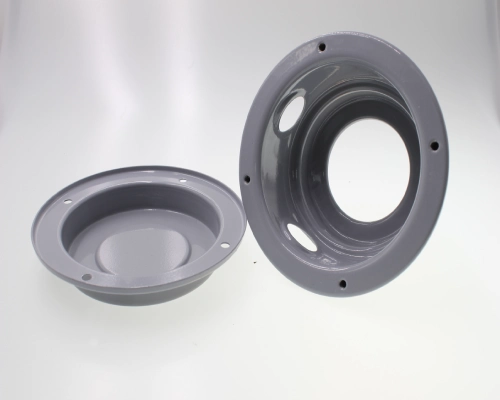
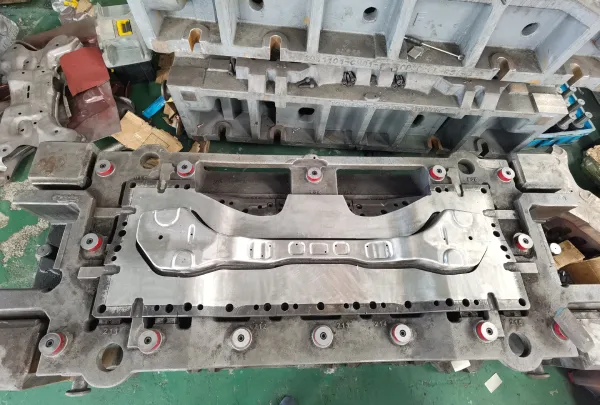
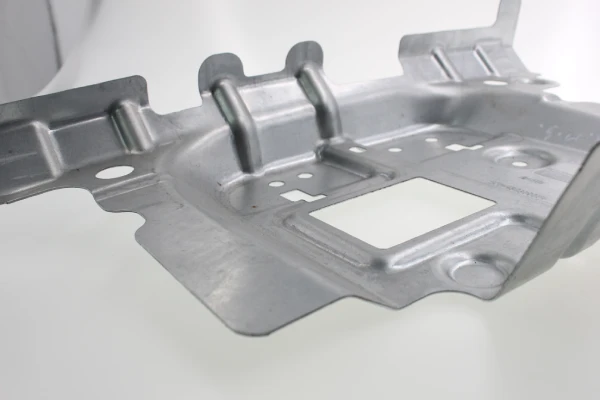
In high-volume metal stamping production, material selection is a critical factor that determines both economic efficiency per unit and production stability. As the scale of custom sheet metal parts production expands, any inconsistencies in metallurgical properties become apparent. At Supro MFG, our engineers frequently observe that neglecting an alloy’s cold work hardening rate or elongation limit leads to increased die maintenance costs and higher scrap rates.
When performing custom metal stamping operations involving millions of cycles, balancing yield strength with formability requires precise calculations, not guesswork. Choosing the wrong sheet metal material can not only cause microcracks but also lead to progressive die damage and jeopardize delivery schedules.
This article details how to properly evaluate metal alloys for large-scale estamparia de chapa de metal. Based on our extensive, field-proven manufacturing data, we analyze the specific mechanical thresholds of carbon steel, stainless steel alloys, and aluminum. By matching a material’s grain structure and tensile properties with the correct stamping tonnage, you can ensure dimensional tolerance consistency throughout production, maximize die life, and significantly reduce unit costs.
The Critical Role of Material Selection in Metal Stamping
For high-volume sheet metal stamping production, material selection is the fundamental benchmark for determining process capability. The specific metallurgical properties of an alloy—particularly its grain structure and mechanical property thresholds—directly determine the stability of continuous production. This early engineering design decision will ultimately affect long-term scrap rates and the extent of die wear.

Impact on Metal Stamping Die Life and Maintenance
During continuous, high-volume precision metal stamping, the hardness and surface characteristics of the selected alloy directly determine the die’s wear rate. When processing high-strength alloys or abrasive materials such as certain stainless steels, punches and dies experience accelerated wear and severe galling. This premature wear causes unpredictable changes in die clearances, forcing unplanned maintenance and leading to production line downtime.
At Supro MFG, we emphasize evaluating the shear strength and coefficient of friction of sheet metal prior to die design. Selecting alloys with optimal machinability minimizes abrasive wear on the dies, thereby significantly reducing press downtime and extending the service life of expensive progressive die sets.
Ultimately, matching material hardness with the appropriate die steel grade is the most effective strategy for protecting your sheet metal stamping investment and maintaining a high-volume production schedule.
Balancing Formability with the Strength of Final Metal Stamping Parts
Engineers often specify high-strength materials to ensure performance in end-use applications, but this inherently compromises manufacturability during the custom metal stamping process. There is a strict inverse relationship between a metal’s yield strength and its overall ductility. Using high-strength, low-elongation alloys for Desenho profundo or severe bending operations will inevitably lead to microcracks and severe springback—a metallurgical phenomenon that compromises dimensional tolerances in high-volume production.
A successful metal stamping process requires careful calculation. We recommend that procurement teams analyze the specific bending radii and plastic deformation required for custom parts. By specifying alloys that provide both sufficient formability (to prevent fracture during stamping) and adequate final tensile strength, catastrophic scrap rates can be avoided during production. This strategic balance ensures that every sheet metal stamping cycle produces structurally sound, dimensionally accurate components.
Key Properties to Evaluate in Metal Stamping Alloys
To successfully scale up custom metal stamping projects, it is essential to go beyond an analysis of basic material grades and delve into specific mechanical property data. Quantifying precise metallurgical thresholds—such as tensile strength and yield strength—enables accurate prediction of sheet metal behavior under stamping tonnage, thereby preventing serious forming defects.
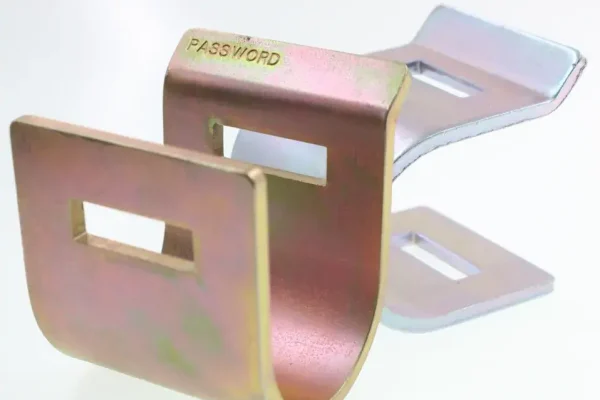
Resistência ao escoamento e resistência à tração
In any high-volume sheet metal stamping production, distinguishing between yield strength and tensile strength is essential for die engineers. Yield strength marks the exact stress point at which sheet metal begins to undergo permanent plastic deformation—a fundamental requirement for forming custom parts. In contrast, ultimate tensile strength represents the critical threshold at which the material fractures.
If the gap between these two metrics is too narrow, the risk of tearing during the intense metal stamping process increases dramatically. At Supro MFG, we precisely calculate stamping tonnage based on these specific stress parameters. Selecting alloys with the optimal yield-to-tensile strength ratio ensures that the metal flows smoothly into the die cavity.
This rigorous evaluation of mechanical properties safeguards structural integrity, prevents costly failures, and ensures that the entire precision metal stamping production schedule proceeds as planned and remains within budget.
Ductilidade e Alongamento
Ductility determines the extent to which an alloy can withstand deformation without damaging its internal grain structure. For complex cross-sections or deep-drawing applications, elongation is a critical metric that must be evaluated before commencing metal stamping production. Low elongation significantly limits formability, leading to corner cracking or stress rupture along small bending radii.
As production scales up, work hardening of the material can also impact the metal stamping process. High-ductility alloys (such as certain 5000-series aluminum alloys or low-carbon steel) can withstand extreme tensile forces while maintaining uniform wall thickness. We continuously review these elongation metrics at the raw material stage. Selecting sheet metal materials with excellent ductility ensures that blanks stretch smoothly within the die cavity, thereby significantly reducing scrap rates and waste generation in your custom metal stamping projects.
Thickness Tolerances and Surface Finish
Although mechanical strength receives significant attention, fluctuations in raw material thickness tolerances alone are sufficient to disrupt the high-speed metal stamping process. Inconsistent thickness tolerances can cause progressiva morre to bottom out—posing a risk of severe die damage—or prevent the workpiece from being fully formed, resulting in significant dimensional deviations.
Furthermore, the initial surface finish of the coil stock directly impacts subsequent processing steps. Rough or heavily oxidized surfaces accelerate die wear and increase friction, whereas high-quality cold-rolled surfaces provide natural lubrication for the stamping press. For parts requiring electroplating or powder coating, starting with a clean surface eliminates the need for costly pretreatment processes.
Supro MFG strictly enforces incoming inspection to verify precise thickness tolerances. Ensuring the stability of these physical dimensions guarantees predictable die clearances and ensures absolute consistency in every batch of metal stamping parts.
Top Sheet Metal Alloys for High-Volume Metal Stamping
Matching precise metallurgical properties to end-use applications is key to achieving cost-effective manufacturing. Based on our production data, the following alloys dominate the high-volume sheet metal stamping sector precisely because they offer predictable die wear, stable elongation, and excellent commercial viability in mass production.
Carbon Steel: The Backbone of Industrial Metal Stamping
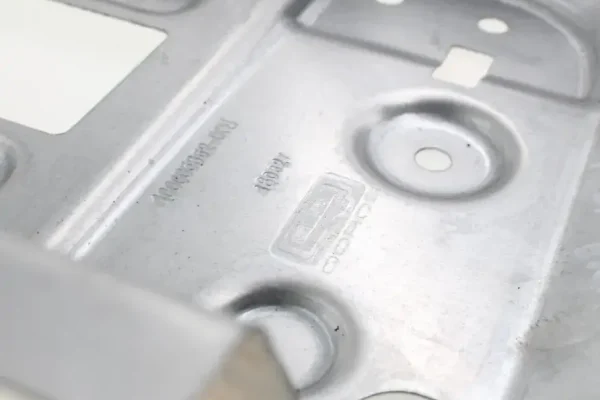
Laminado a frio aço carbono (CRS), with its unmatched balance of cost-effectiveness and mechanical formability, remains the undisputed base material for high-volume precision metal stamping. Unlike hot-rolled grades, cold-rolled carbon steel grades such as SPCC offer excellent surface finish and tight thickness tolerances, which are critical for maintaining precise die clearances.
This predictable thickness consistency prevents die jamming and significantly reduces press downtime. For automotive brackets and structural frames in large home appliances, low-carbon steel grades offer excellent ductility, enabling deep drawing without structural failure.
From a procurement perspective, the highly mature global supply chain for carbon steel ensures that market price fluctuations do not disrupt large-scale sheet metal stamping production schedules. When customers need to reduce unit costs while maintaining strength, Supro MFG typically recommends cold-rolled carbon steel, making it the most commercially viable alloy for high-strength, continuous metal stamping production.
Stainless Steel Alloys: 304, 316, and 430
Ao seleccionar materiais de aço inoxidável, engineers must carefully consider the severe work hardening that occurs during precision metal stamping. Austenitic stainless steels such as 304 and 316 offer exceptional corrosion resistance in medical and food-grade components, but their high shear strength significantly accelerates wear on punches and dies. To prevent galling during custom metal stamping, these alloys require special tool steel coatings and high-quality, high-pressure lubrication.
In contrast, the ferritic 430 grade serves as a low-cost alternative, offering sufficient oxidation resistance to meet the requirements of home appliance trim components, while sacrificing some formability in exchange for better machinability.
Before loading any stainless steel coil, we rigorously calculate the precise stamping tonnage requirements. Managing the high yield strength thresholds of these specific alloys is critical to preventing metal stamping die failure, thereby ensuring that stainless steel stamping production maintains high profit margins.
Aluminum Alloys: 5052 and 6061 for Weight Reduction
As the electric vehicle and aerospace manufacturing industries prioritize extreme weight reduction, aluminum has become the material of choice for custom metal stamping. We particularly favor the Liga 5052-H32, as its excellent formability and natural corrosion resistance make it an ideal choice for complex chassis components and electronic enclosures.
However, using structural-grade alloys such as 6061 presents unique production challenges. Attempting to perform sharp-angle bending on 6061 in the T6 aged condition will almost inevitably result in microcracks. To avoid high scrap rates, this material is typically formed in the annealed condition and heat-treated after production. To successfully manage the aluminum metal stamping process, strict attention must be paid to die surface finish to prevent abrasive buildup. Specifying the correct alloy aging condition ensures predictable springback and absolute dimensional stability throughout the lightweight metal stamping process.
Copper and Brass: Electrical Conductivity and Precision Metal Stamping
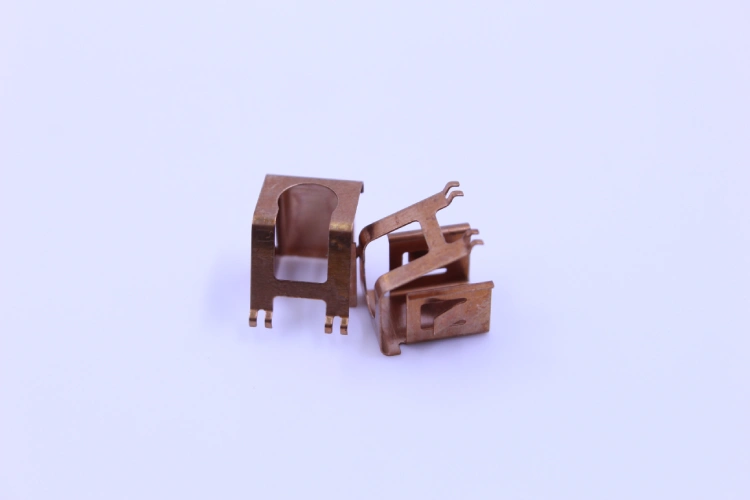
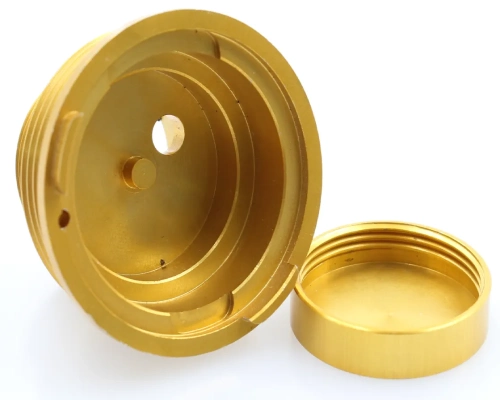
For electrical connectors, grounding strips, and precision terminals, cobre e Resina perfectly combine electrical conductivity with machinability. These alloys are inherently ductile, allowing them to form extremely complex geometries during high-speed progressive metal stamping without fracturing. Brass, in particular, acts as a built-in solid lubricant due to its naturally low coefficient of friction. This significantly reduces die wear, allowing dies to withstand millions of stamping cycles between maintenance intervals.
Although the initial raw material cost of red metals is higher, their exceptional die life and the higher scrap recovery value largely offset the total cost of ownership. For procurement teams, utilizing these highly malleable alloys ensures absolute reliability in field applications while maintaining an efficient, low-scrap sheet metal stamping production process.
Apenas 4 passos
peças de fabricação de metal personalizadas online
Entre em contato com nossa equipe de especialistas e experimente a eficiência e os benefícios econômicos dos serviços de fabricação digital de metal.
Carregar arquivos de design
STL , STEP (.stp), IGES (.igs), (.ZIP) ou PDF.
Seja também uma amostra ou uma ideia
Análise de cotação e projeto
Cotações instantâneas de fábrica e relatórios DfM, a solução mais razoável.
Início da fabricação
Os processos digitais podem iniciar tarefas de pedidos em 24 horas.
Entrega no prazo
Mantendo as promessas de entrega, aprovadas por mais de 3000 compradores da Global Company.
Cost-Effectiveness and Supply Chain Management in Metal Stamping
In addition to mechanical properties, the commercial viability of large-scale precision metal stamping requires rigorous supply chain execution. Ensuring a stable supply of coiled material and maximizing material utilization will directly determine your unit cost, thereby effectively protecting tight production schedules from global raw material price fluctuations and costly downtime.
Material Availability and Lead Times
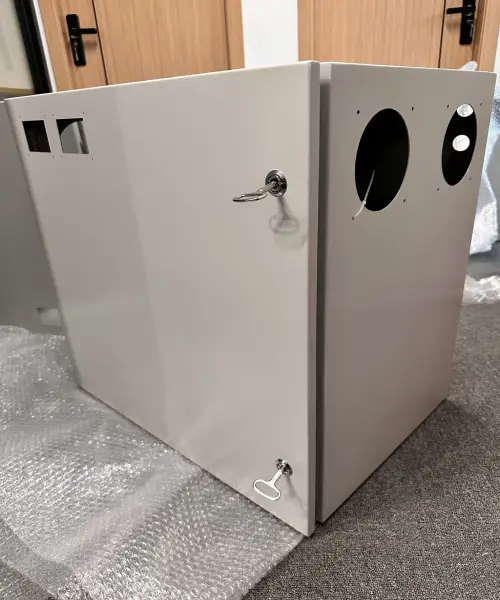
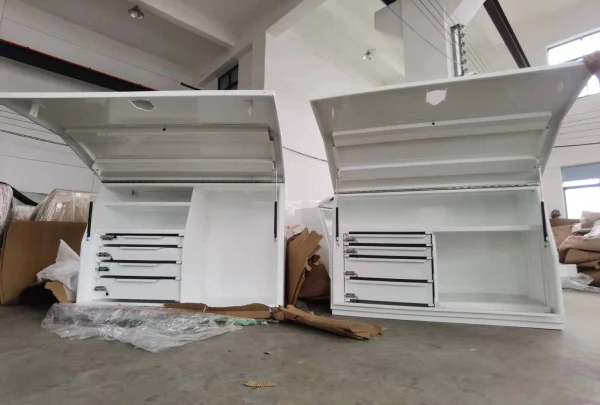
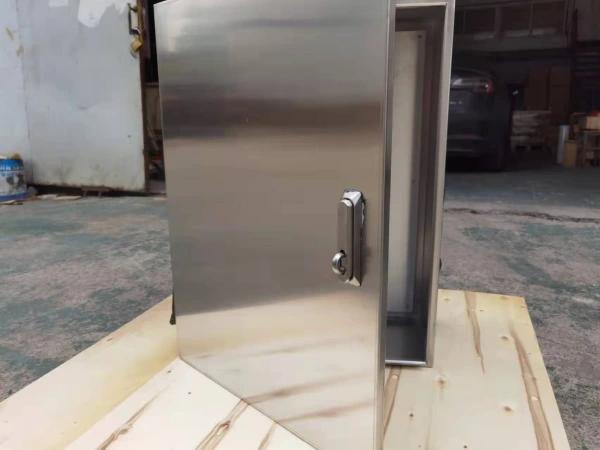
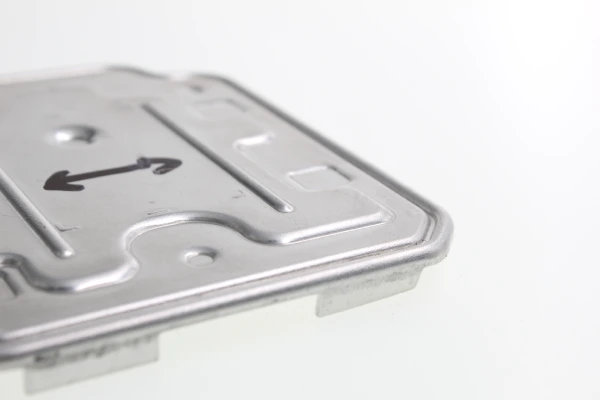
Specifying rare or highly customized alloys during the design phase often creates significant bottlenecks in high-volume custom metal stamping production. Although specialized high-strength metals may offer slight weight advantages, their limited global supply and extremely high minimum order quantities (MOQs) can cause severe delays in your production schedule. For continuous metal stamping operations, procurement personnel must prioritize globally available standard materials such as SPCC carbon steel or 5052 aluminum—materials that have been thoroughly validated in demanding applications such as industrial enclosures and custom metal cabinets.
At Supro MFG, we proactively advise procurement teams on material standardization during the early DFM phase. By selecting readily available coil stock, we not only avoid the long lead times associated with steel mills but also provide a buffer for your supply chain to withstand regional shortages. This strategic choice ensures that your precision metal stamping production remains highly scalable and completely immune to unexpected delays in raw material delivery.
Reducing Scrap and Improving Material Utilization
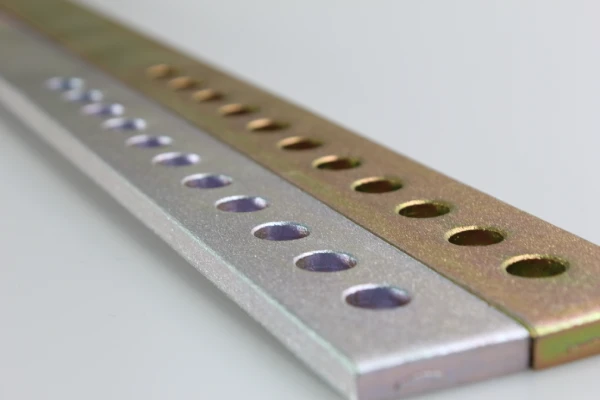
In mass production, raw materials account for the vast majority of the final unit cost. Therefore, maximizing material utilization is the most effective cost-reduction strategy in any custom metal stamping project. Even a slight 5% increase in scrap rate can severely erode profit margins, particularly when producing long components such as server rack rails or continuous mounting profiles.
We optimize material utilization by designing highly efficient progressive die blank layouts. By closely arranging part geometries and minimizing connecting web material between blanks, we significantly reduce scrap generated during the metal stamping process. Additionally, when processing non-ferrous metal alloys, we factor the recycling value of scrap directly into your final quote. Partnering with a metal stamping manufacturer that strictly controls dimensional tolerances and optimizes strip utilization ensures that you pay only for finished stamped parts—not for boxes of scrap metal.
Why Supro MFG Is Your Ideal Manufacturing Partner
Selecting the best alloy for mass production is much more than simply reading a material data sheet—it requires rigorous upfront engineering design and practical expertise in the metal stamping process. Em parceria com a Supro MFG will provide your procurement team with a strategic manufacturing advantage.
Before any steel is cut, our engineers conduct a comprehensive Design for Manufacturability (DFM) analysis of your CAD files to ensure that the yield strength of your chosen alloy perfectly matches the precision die clearances. This proactive assessment effectively prevents micro-cracks from occurring during the custom metal stamping process. Backed by our ISO-certified quality control system and robust supply chain in China, we guarantee predictable dimensional tolerances and strict adherence to delivery schedules.
Upload your STEP drawings today to ensure your next large-scale sheet metal stamping production runs smoothly. Let our experts design a high-throughput stamping solution for you that maximizes structural integrity while significantly reducing unit costs.